Why inoculate legumes?
How biological nitrogen fixation works — and why the right rhizobia aren't always already in the soil.
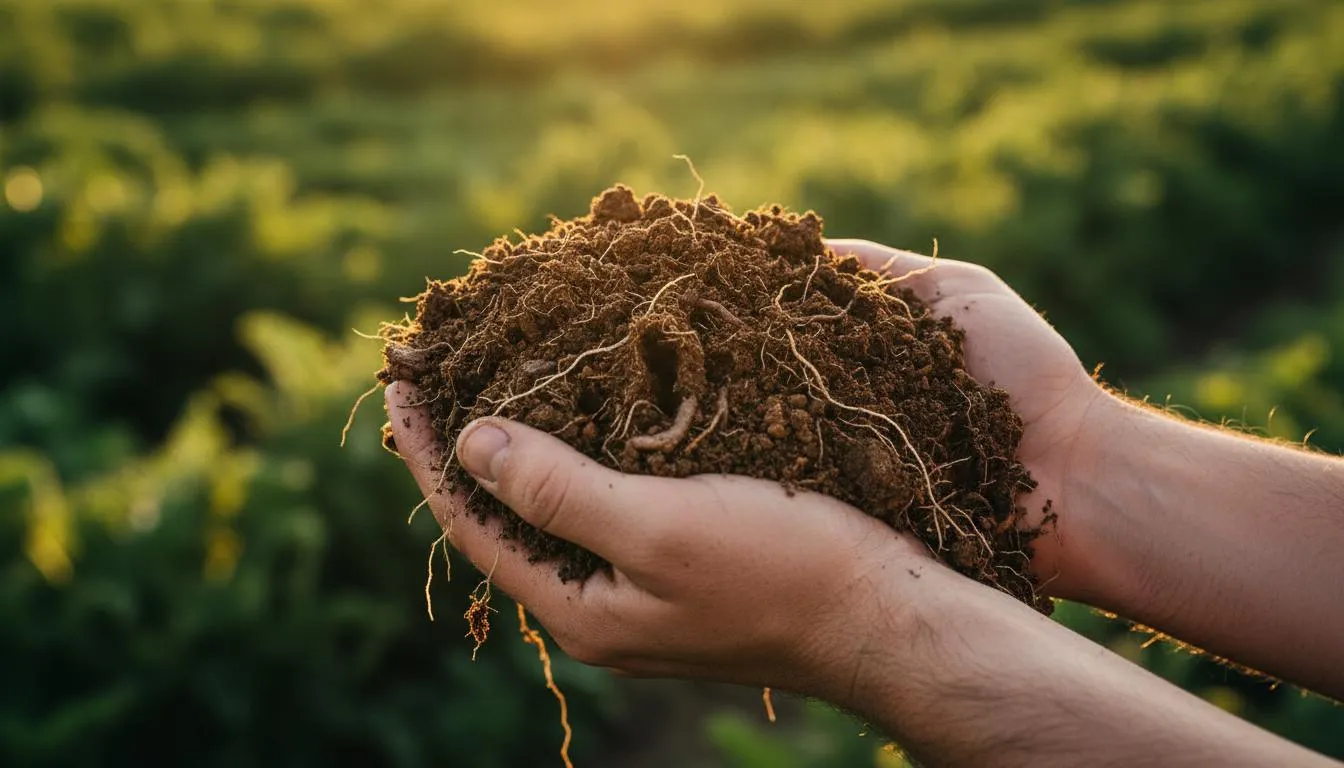
Legumes partner with soil bacteria called rhizobia that convert atmospheric nitrogen (N₂) into a form the plant can use — biological nitrogen fixation. Done well, it supplies anywhere from ~30 kg N/ha in pulses to over 200 kg in soybean and alfalfa, cutting fertiliser cost and enriching the soil for the next crop.
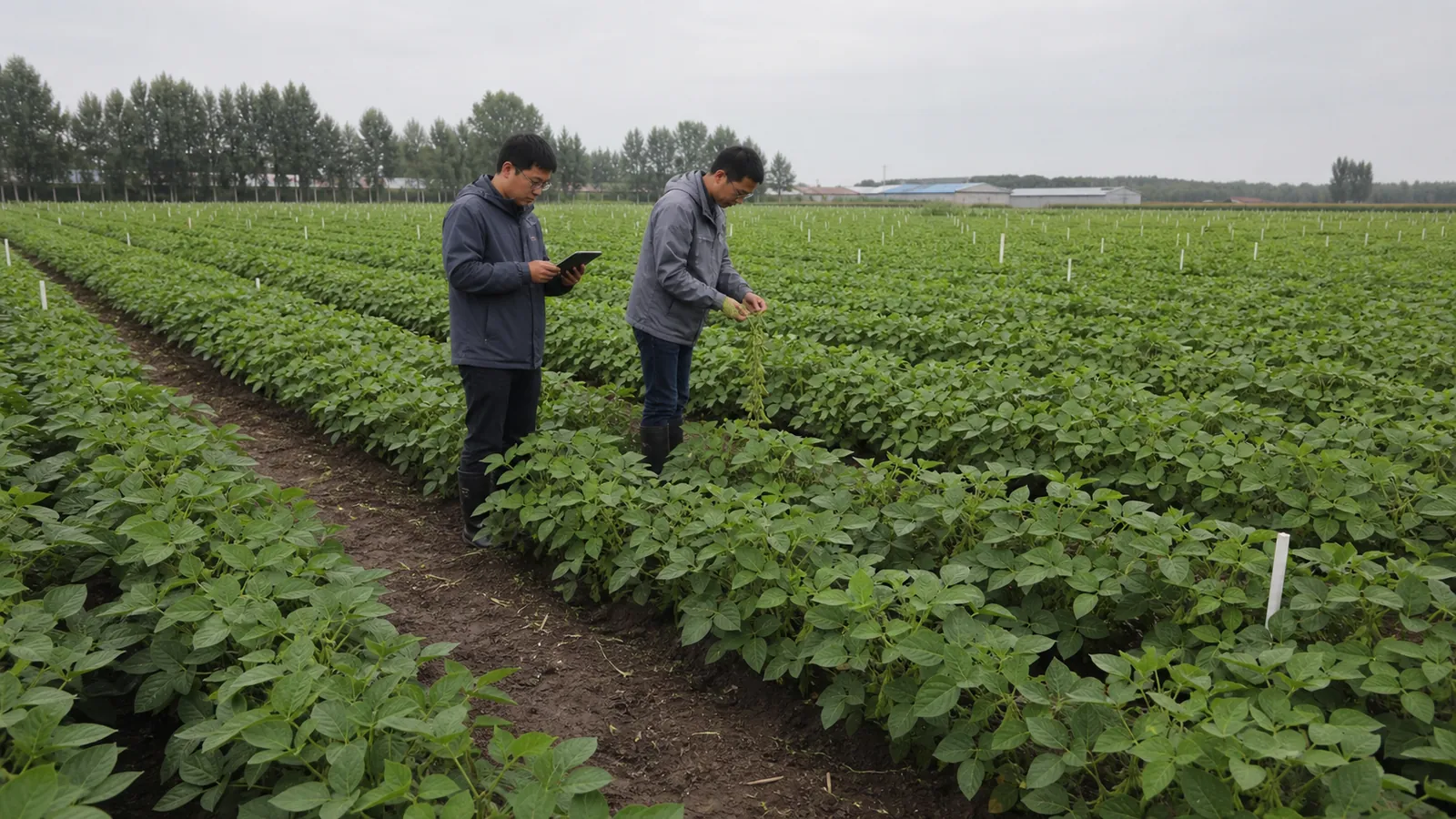
But the right rhizobia aren’t always there. In new fields, after long rotations, in degraded soils, or where native populations are weak or poorly matched, nodulation falls short. Inoculation delivers compatible, effective rhizobia straight to the seed or furrow — ensuring vigorous nodulation from day one. Field studies across Brazil, Kenya, and Tanzania confirm legumes respond to inoculation with better nodulation and higher yield.
Huasheng builds on this: Nodu™ supplies region-matched rhizobia, Vigor™ strengthens roots and nutrient uptake, and Orvan™ strengthens nitrogen fixation, building on our distinctive aflatoxin–nitrogen research — validated in peer-reviewed studies and multi-season OCRI-CAAS field trials.