Skip to content
Products

Biostimulants

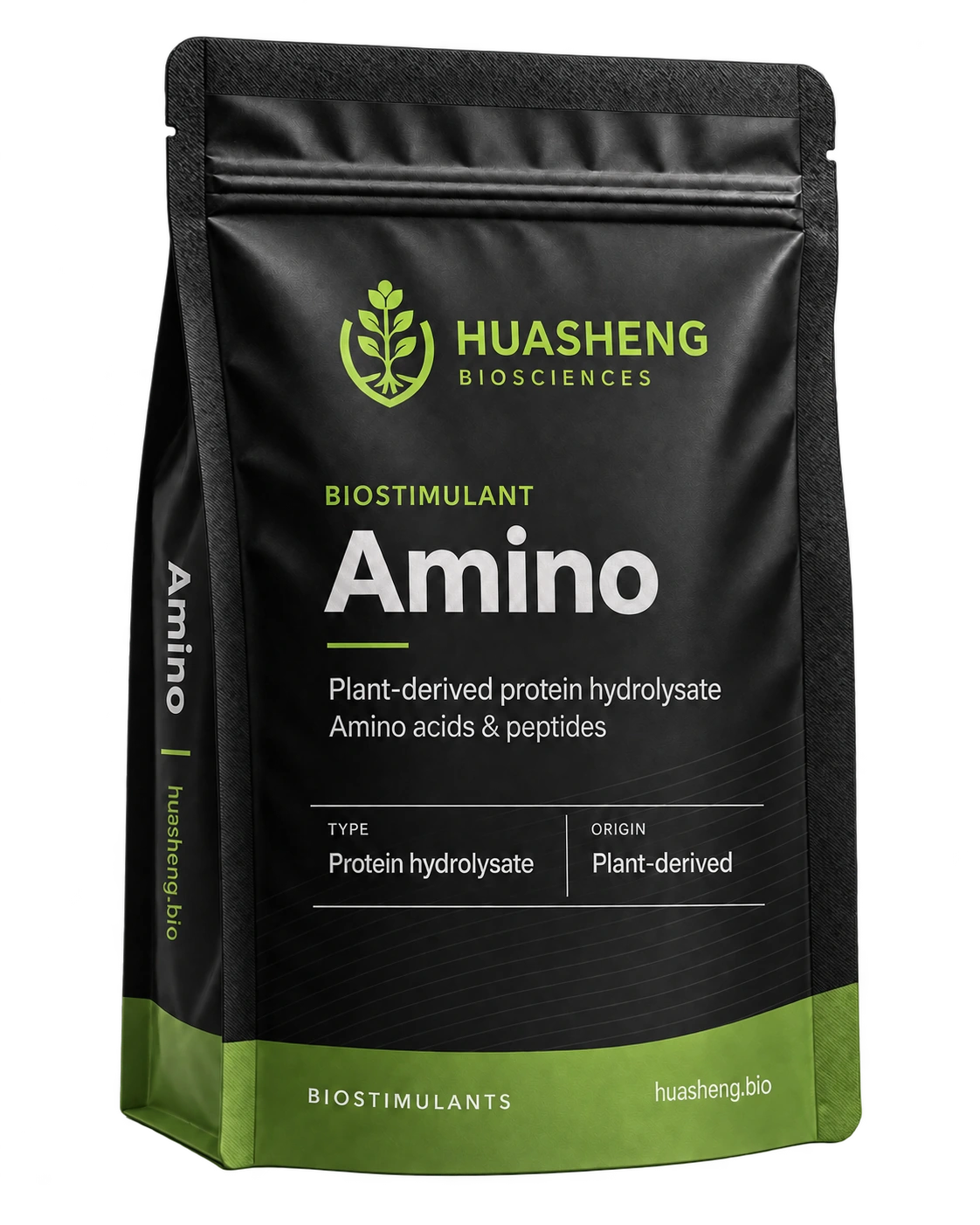
Amino™

Amino — Plant protein hydrolysate

Plant protein hydrolysate

Amino is built around an enzymatically hydrolysed soy-protein powder, bringing plant-derived amino acids and associated nitrogen into crop nutrition. The distinction between free amino acids and the broader hydrolysate matters: it describes a complex plant material for root and canopy development, with its nutrient contribution included in the overall fertiliser balance.

Principal components
Soy protein hydrolysate · amino acids & peptides
Crops
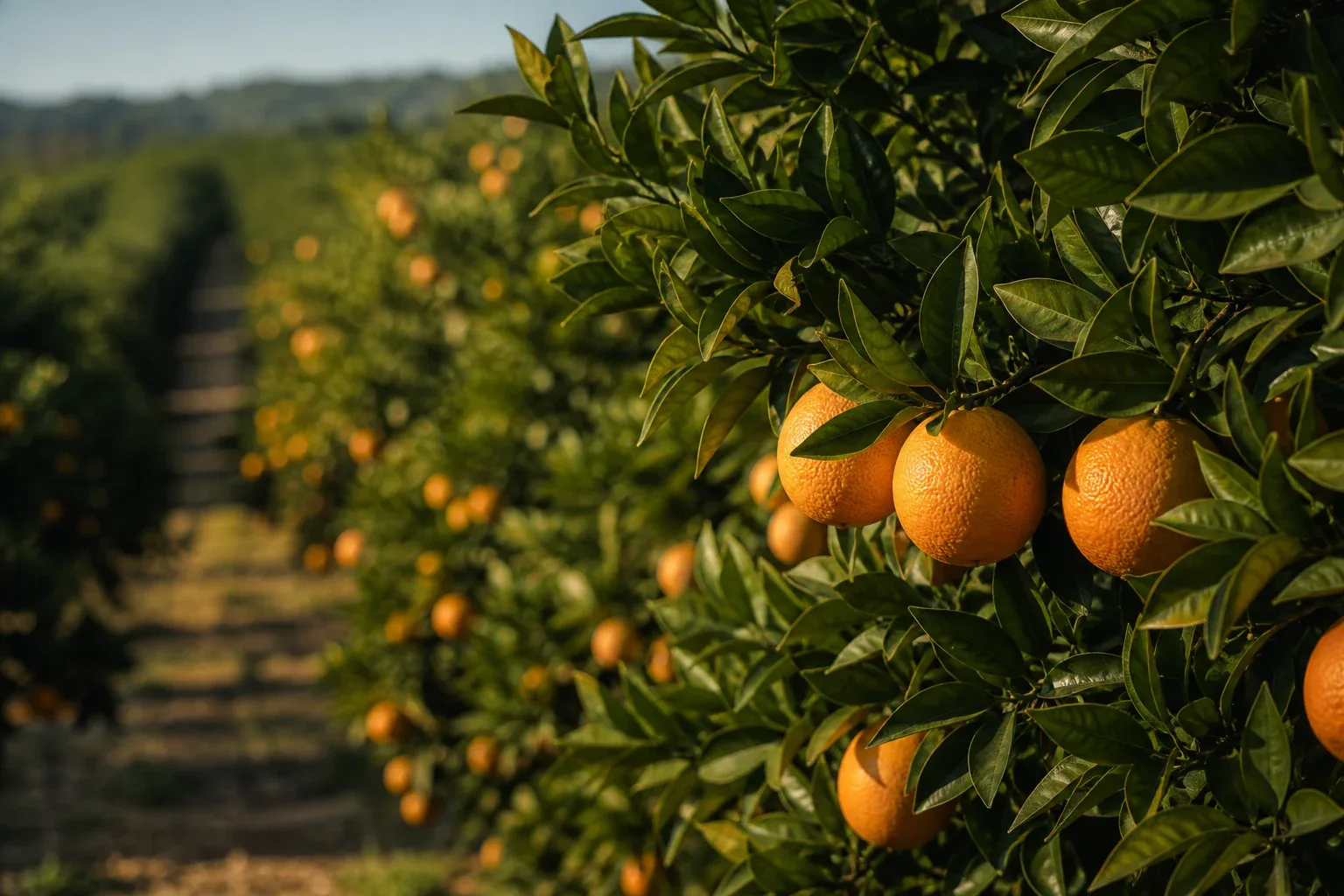
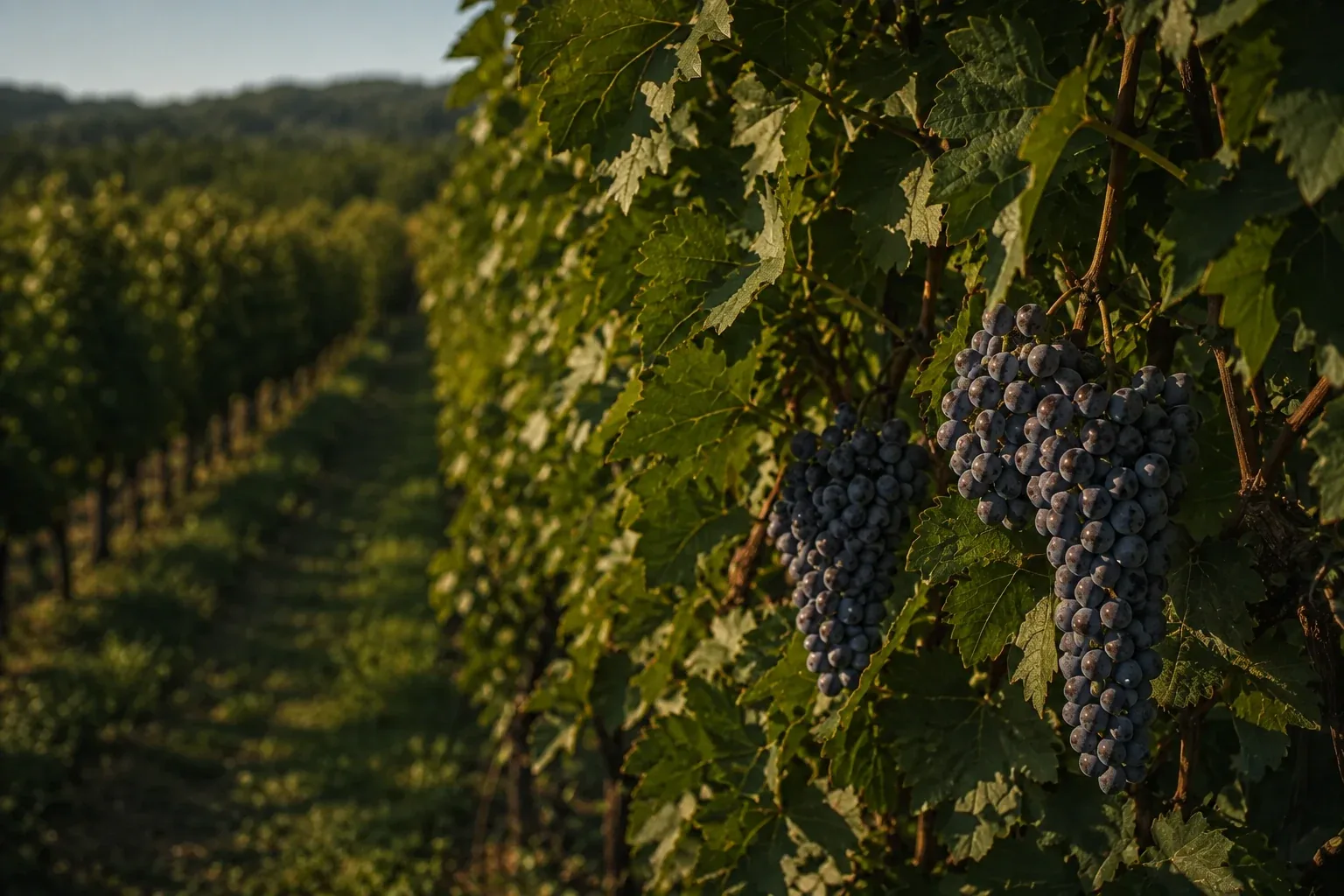
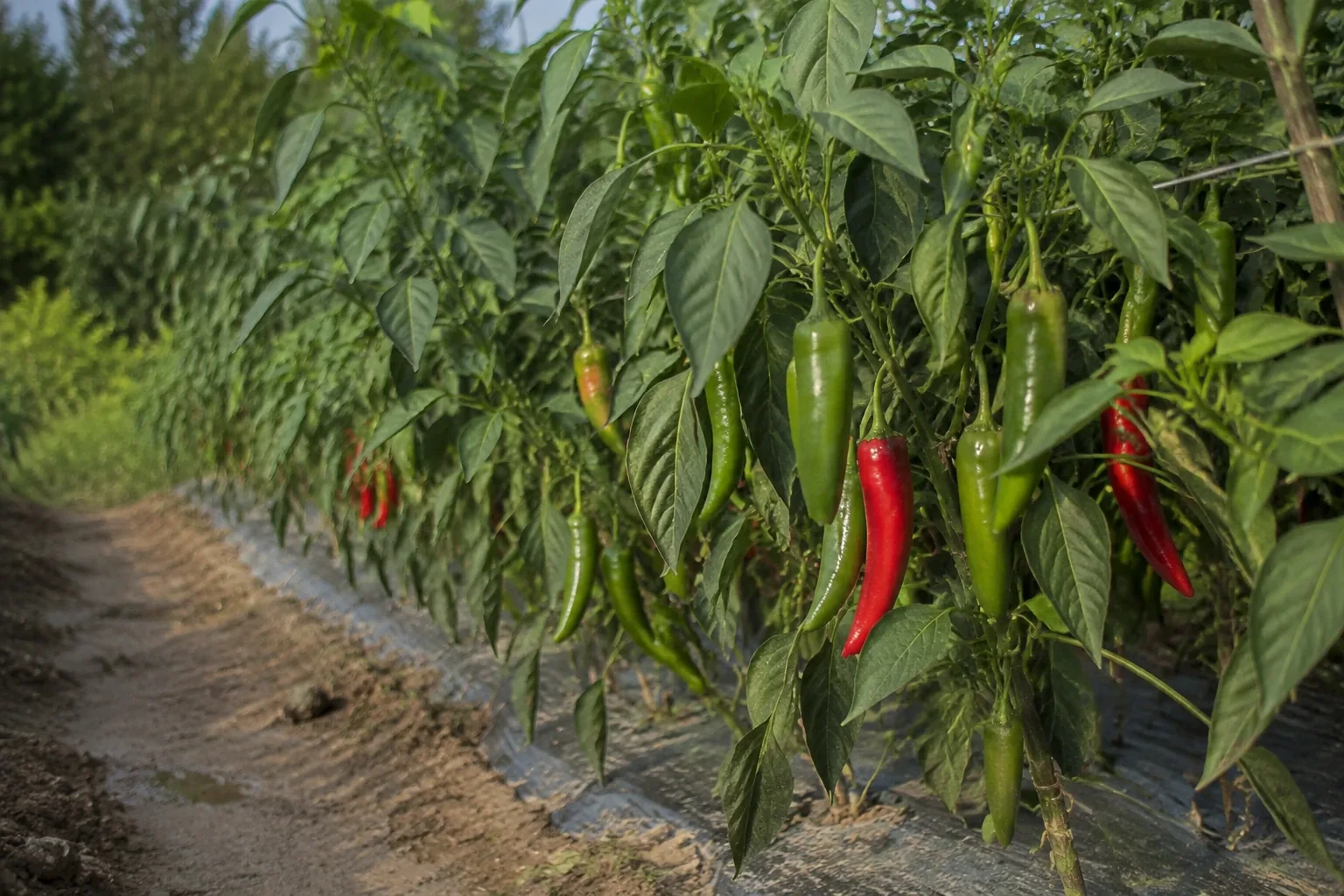
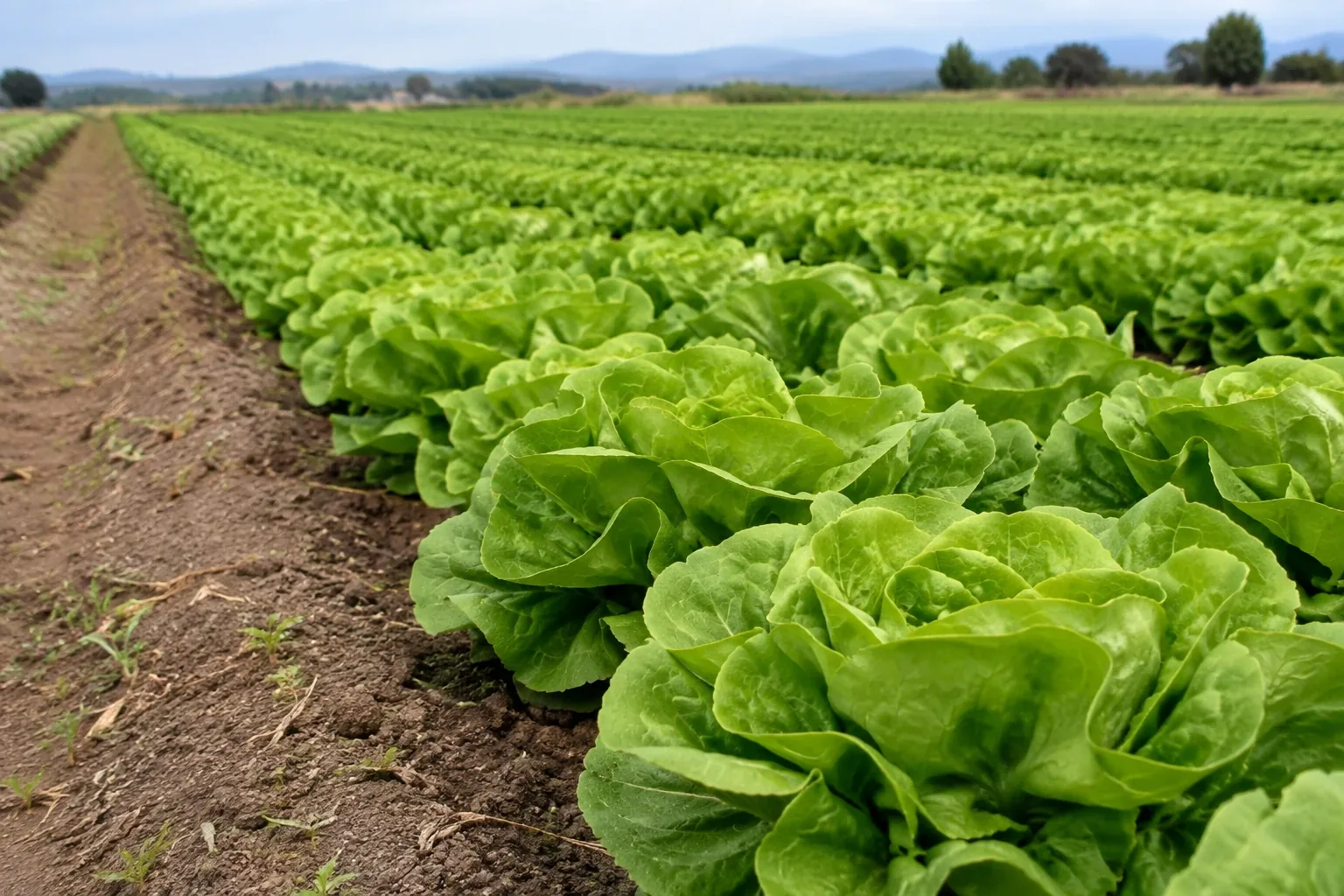
Grapes · Citrus · Pepper · Lettuce

Contact our team for regional product availability.

Metabolic support through demanding stages

Soy-derived amino acids

A named plant protein source gives the product a distinct identity from animal hydrolysates, seaweed extracts and fermented-sugar liquids.

Growth and nitrogen together

The hydrolysate carries nitrogen as well as amino-acid fractions. Both the growth objective and existing nitrogen supply matter when deciding its place.

A powder-format option

The dry material offers a distinct handling format; solubility and water quality determine its practical fit with an existing nutrition system.

Composition & material characteristics

Soy protein hydrolysate

Amino is based on an enzymatically hydrolysed soy-protein powder. Hydrolysis produces a mixture of amino acids and peptides, giving the material a plant-protein identity and a role in crop nutrition during establishment and active growth.

Amino-acid fractions and nitrogen

Free amino acids, peptides and total nitrogen describe different aspects of a protein hydrolysate. Their relationship matters when considering root and canopy development, particularly where an existing fertiliser programme already supplies substantial nitrogen.

Published research on materials & applications

The following publications examine related materials and their agricultural applications. Findings relate to the materials, crops and conditions described in each study.

Colla et al. evaluated a plant-derived enzymatic protein hydrolysate in laboratory and greenhouse experiments.

WHAT THE STUDY FOUND

The tested material increased tomato root development and nitrogen-related growth measurements.

RESEARCH SCOPE

Plant-hydrolysate study: laboratory and greenhouse experiments, including tomato, evaluated a plant protein hydrolysate. The observations relate to the tested formulation and study conditions.

Colla et al. (2014), Biostimulant action of a plant-derived protein hydrolysate

Crop applications

Consider for vegetable establishment and fruit-crop growth programmes where amino-acid nutrition has a defined purpose. Distinguish transplant recovery from excess nitrogen, waterlogging or root disease, and use crop observations to judge root and canopy balance.

Pepper and lettuce establishment

Soy-protein hydrolysate contributes amino acids and peptides to nutrition during root and canopy establishment. Existing nitrogen supply, root-zone aeration and transplant condition remain central to interpreting growth.

Citrus flush development

Developing shoots and fruit share the tree’s nutrient resources. The hydrolysate’s nitrogen contribution belongs within the orchard nutrient balance, with leaf condition and crop load informing its role.

Grapevine canopy balance

Amino-acid nutrition is considered alongside shoot vigour, canopy structure and fruit development. An already vigorous crop requires a different nutritional response from a crop limited by nutrient availability.

Select the product and application programme for the crop, growing conditions and applicable market label.

Quality & product characteristics

Protein-source characterisation

Botanical source, hydrolysis process and the distinction between free and total amino acids are central to material characterisation. Nitrogen and chloride information adds the context needed for nutrient and salt-balance assessment.

Powder performance

Moisture, dispersibility, dissolution behaviour and insoluble residue are relevant to a powdered hydrolysate. These properties influence handling and the suitability of the material for the intended water-based nutrition system.

Include the hydrolysate’s nitrogen contribution in the crop nutrient balance.

Product questions

Is Amino a free-amino-acid product or a protein hydrolysate?

Its declared basis is soy protein hydrolysate, containing amino-acid and peptide fractions. Free amino acids and total amino acids describe different analytical characteristics of this material.

How does Amino fit the crop nitrogen balance?

The hydrolysate contributes nitrogen as well as organic compounds. This contribution belongs in the total nutrient budget, with existing nitrogen supply and crop vigour shaping the need for supplementation.

Related products

HUASHENG BIO

Good products. Lasting partnerships.

Tell us about your crop, market or technology. Our product and technical teams will help shape the next step.

Contact Huasheng