Skip to content
Products

Biostimulants

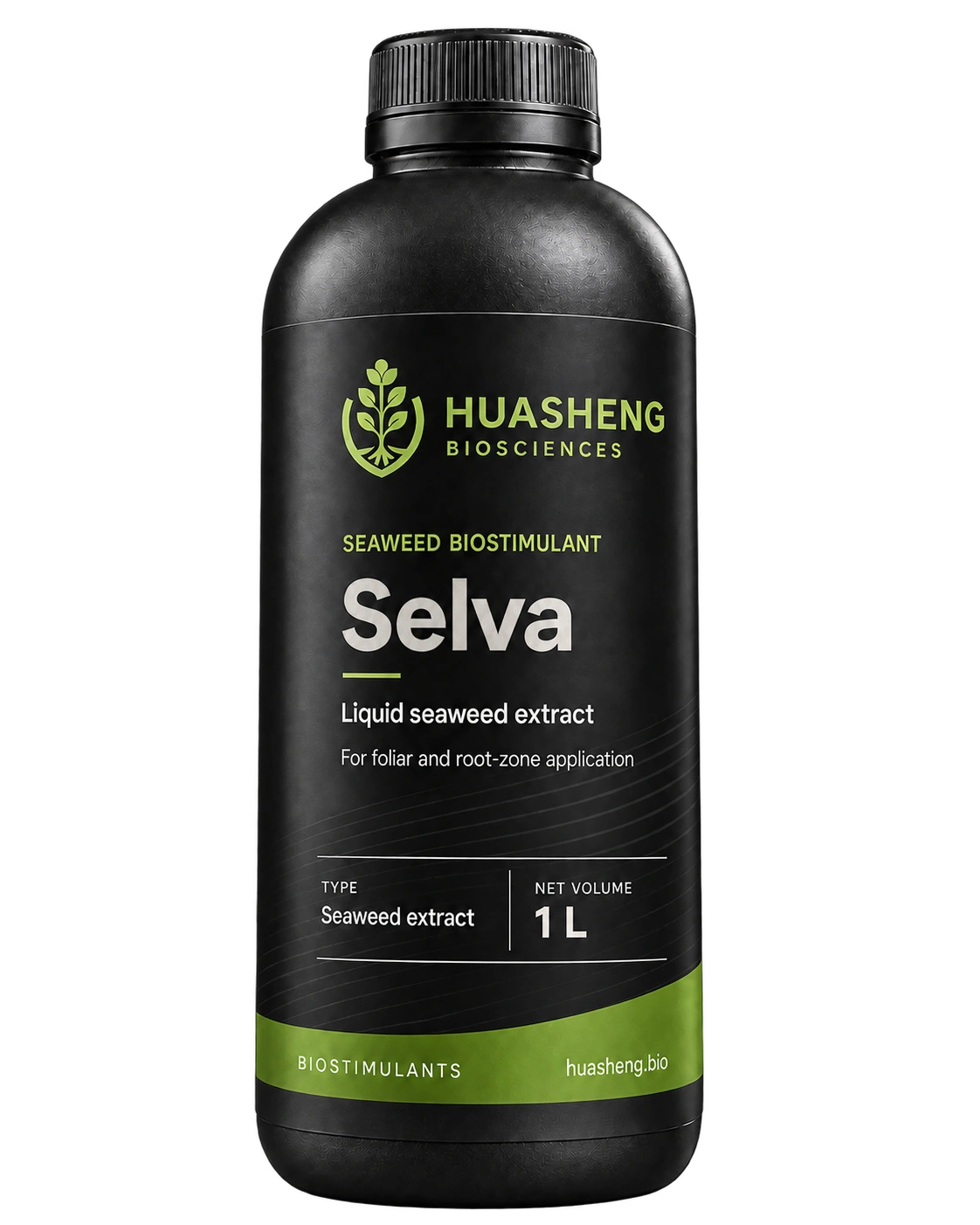
Selva™

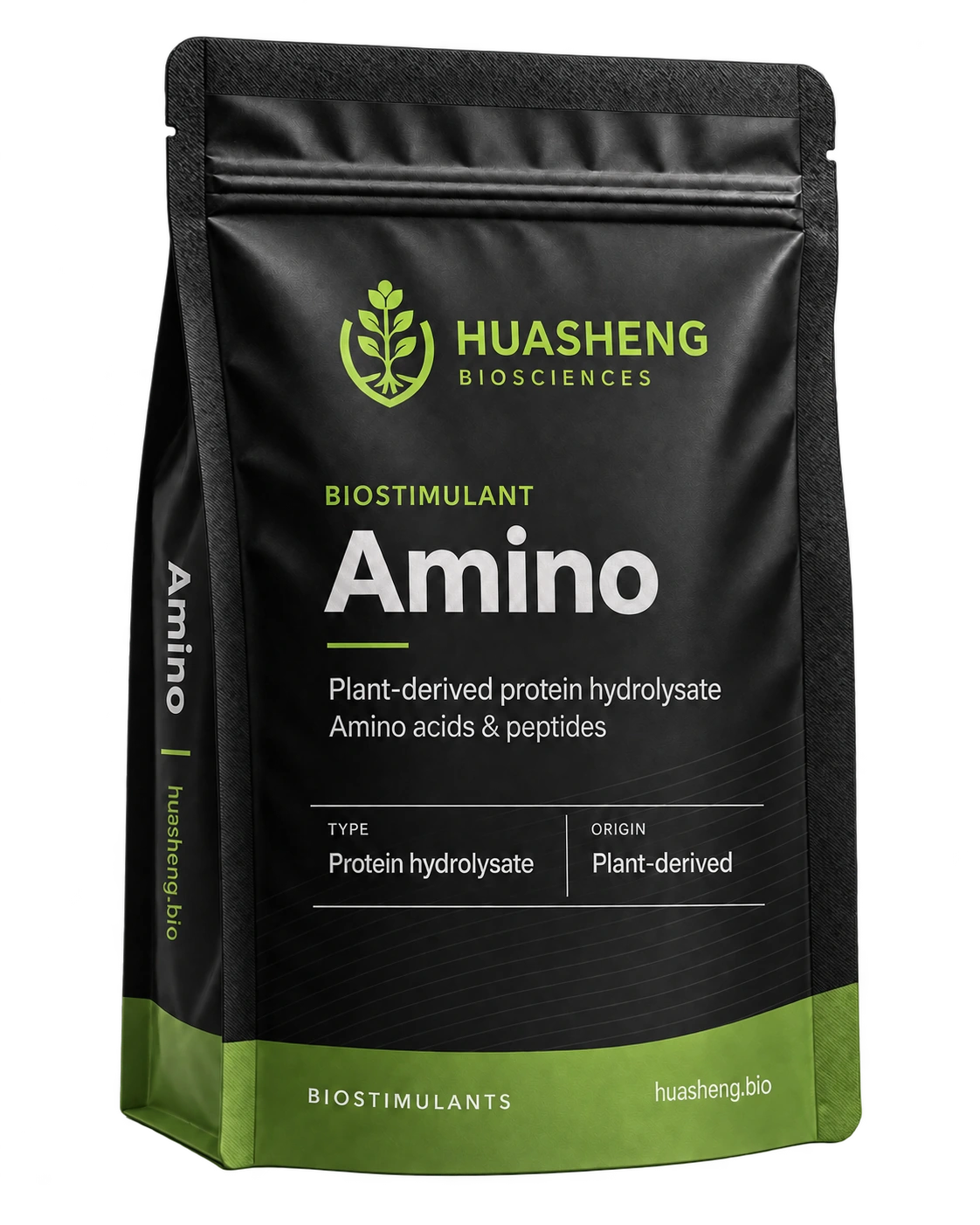
Selva — Seaweed biostimulant

Seaweed biostimulant

Selva centres on Ascophyllum nodosum seaweed extract for periods when establishment, flowering and environmental stress place competing demands on the crop. Its role comes from the algal organic fractions, with a modest potassium contribution, complementing the nutrient programme through changes in growth rather than serving as a complete fertiliser.

Principal components
Ascophyllum nodosum seaweed extract
Crops
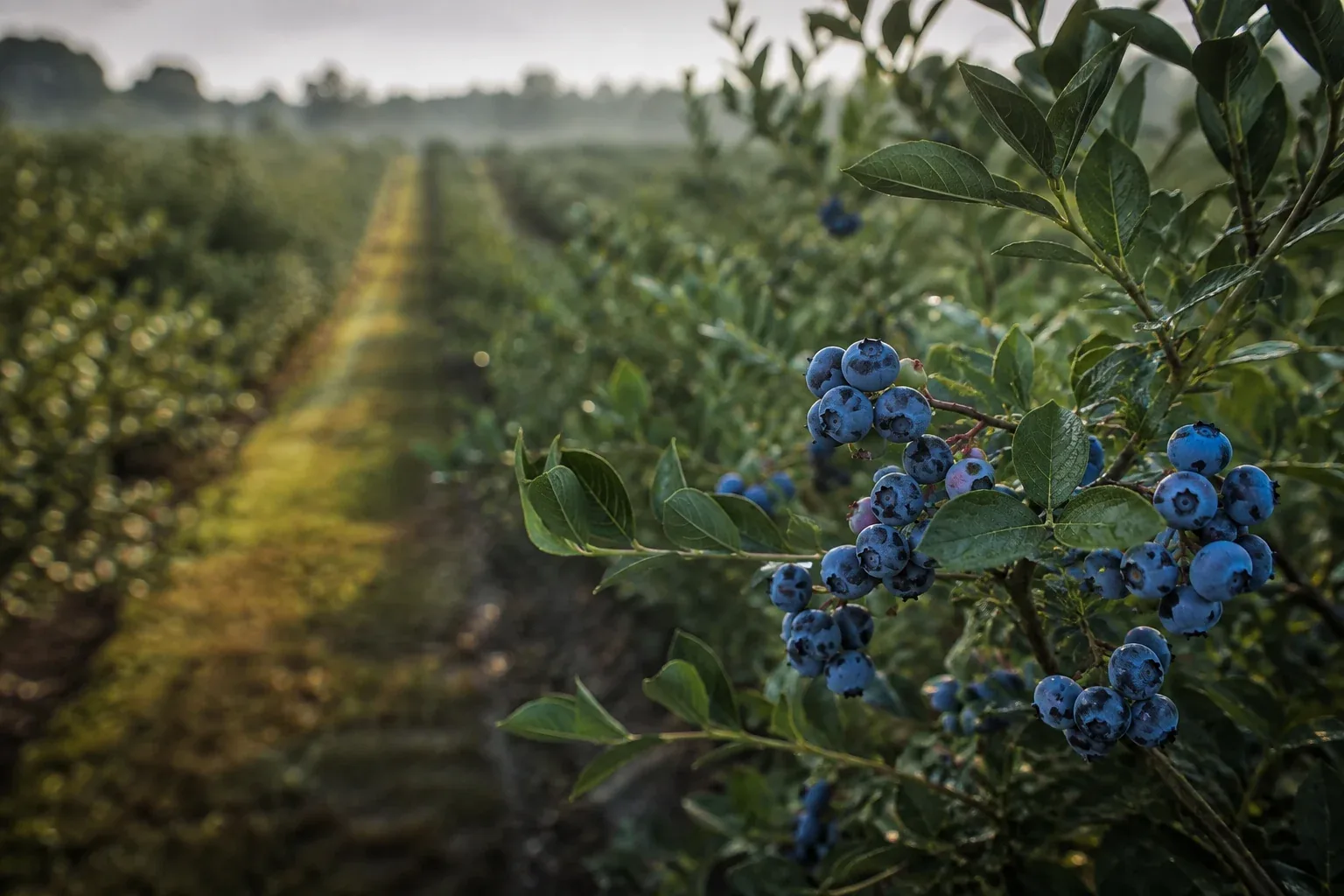
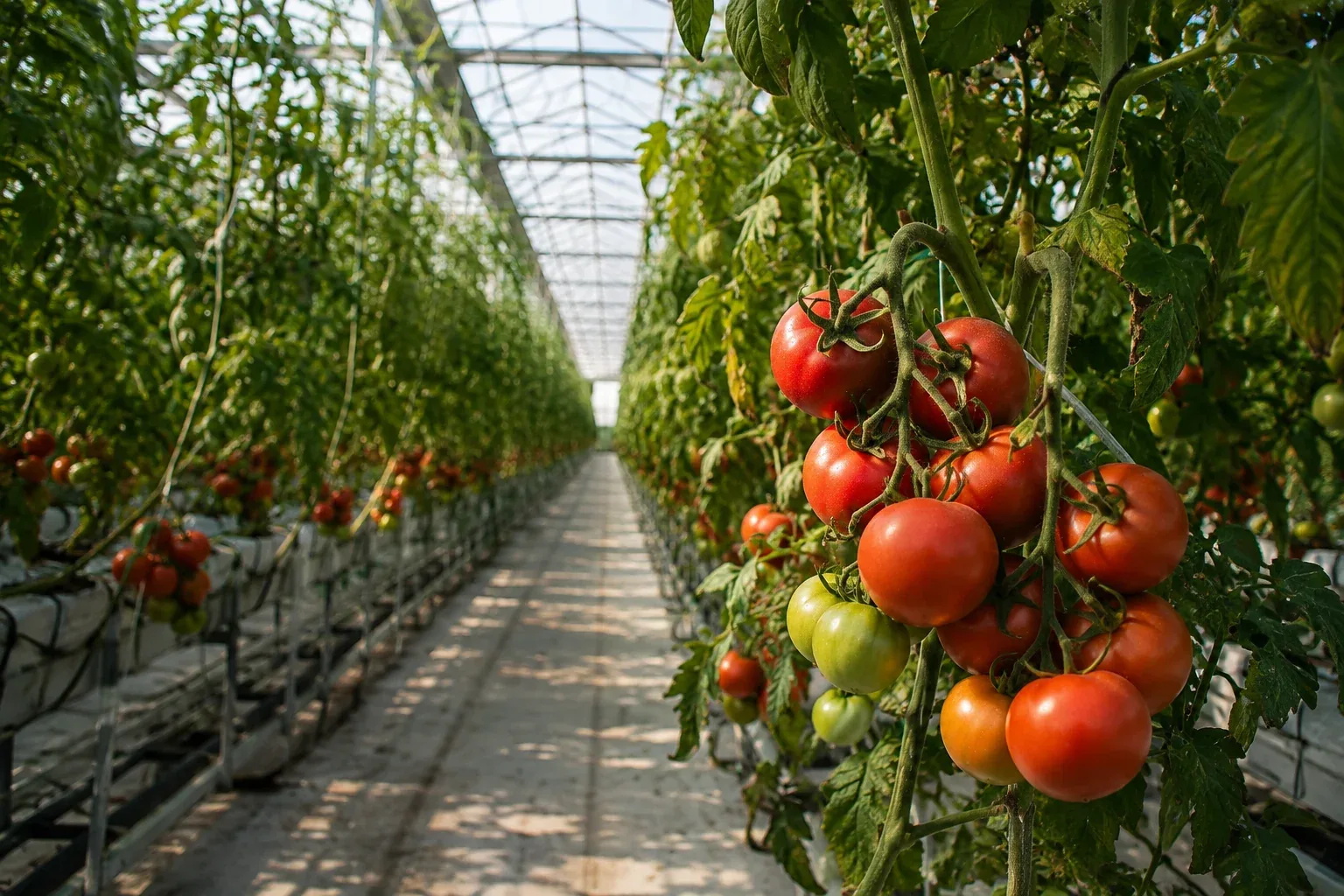
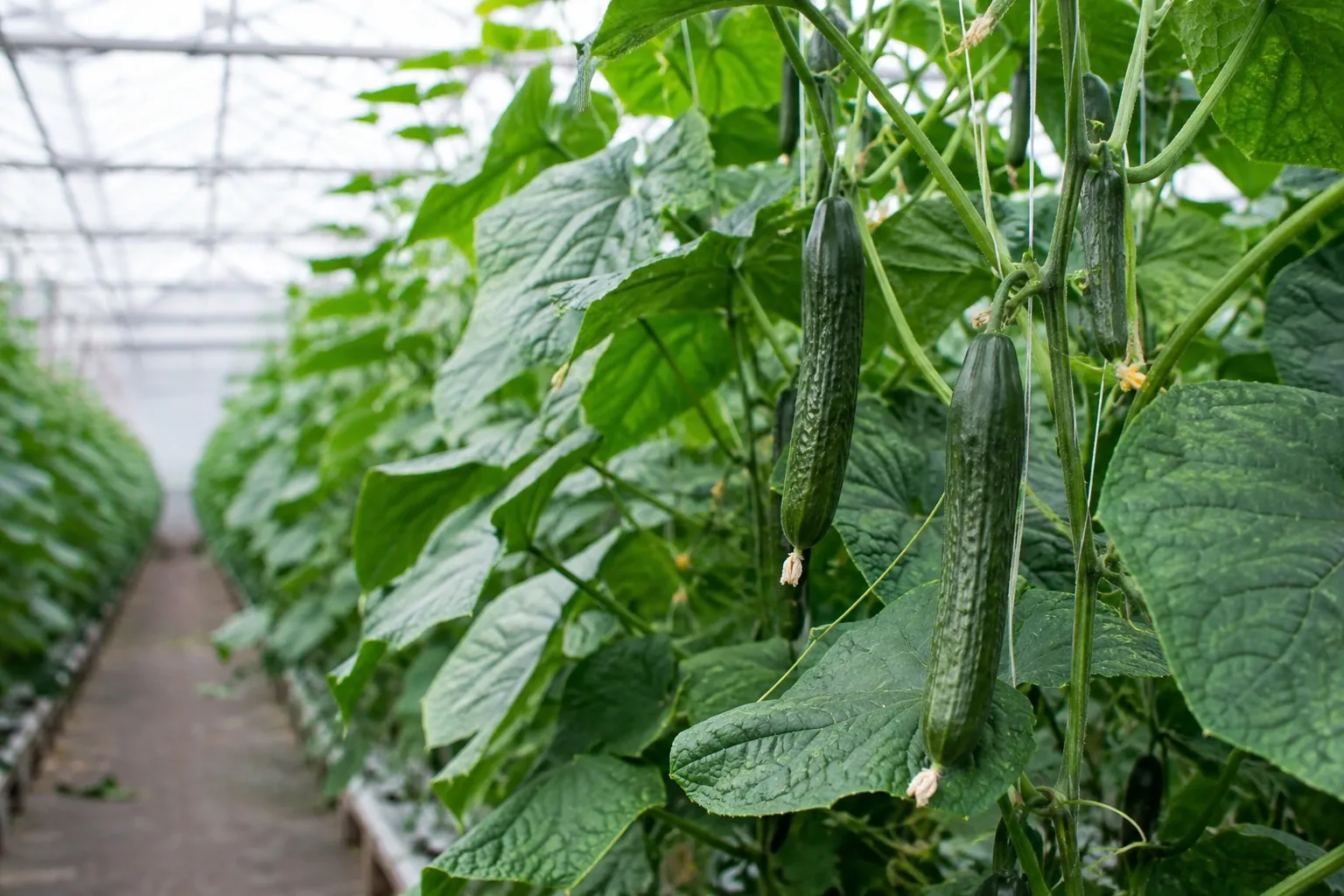
Grapes · Citrus · Strawberry · Blueberry · Tomato · Cucumber

Contact our team for regional product availability.

Growth transitions & environmental resilience

A defined seaweed source

Ascophyllum nodosum provides a specific algal starting point for organic fractions associated with plant responses to growth and environmental change.

Support through transitions

Establishment, new growth and reproductive development demand coordination between roots and canopy. Seaweed-derived materials fit programmes addressing these transitions.

Complementary nutrition

A low nutrient grade keeps the focus on algal fractions while allowing its potassium contribution to be counted separately.

Composition & material characteristics

Ascophyllum nodosum extract

Ascophyllum nodosum is the algal basis of Selva. Seaweed extracts contain several organic fractions whose composition reflects the starting algae and extraction process. This material profile connects root establishment and seasonal growth transitions with research on plant responses to environmental stress.

Organic fractions and mineral nutrition

The algal organic fractions are considered alongside the accompanying potassium. Separating these contributions helps position seaweed nutrition within a crop programme: physiological support during development, with the mineral contribution included in the nutrient balance.

Published research on materials & applications

The following publications examine related materials and their agricultural applications. Findings relate to the materials, crops and conditions described in each study.

Santaniello et al. tested an Ascophyllum nodosum extract in Arabidopsis under water limitation.

WHAT THE STUDY FOUND

The study reported changes in drought responses, stomatal behaviour and photosynthetic protection.

RESEARCH SCOPE

Algal-material study: Ascophyllum nodosum extract in Arabidopsis under water limitation. The findings describe the extract and experimental conditions reported in the paper.

Santaniello et al. (2017), Frontiers in Plant Science

Crop applications

Relevant to vegetables, citrus, grapes and berries where establishment and seasonal growth transitions need attention. Fit depends on crop stage, water supply and the condition causing weak growth; seaweed materials cannot resolve root-zone salinity or a major nutrient deficiency on their own.

Tomato and cucumber establishment

Root establishment and the transition from nursery to production are relevant contexts for seaweed nutrition. New growth, root distribution and plant uniformity complement observations of water supply and the existing nutrient programme.

Citrus growth transitions

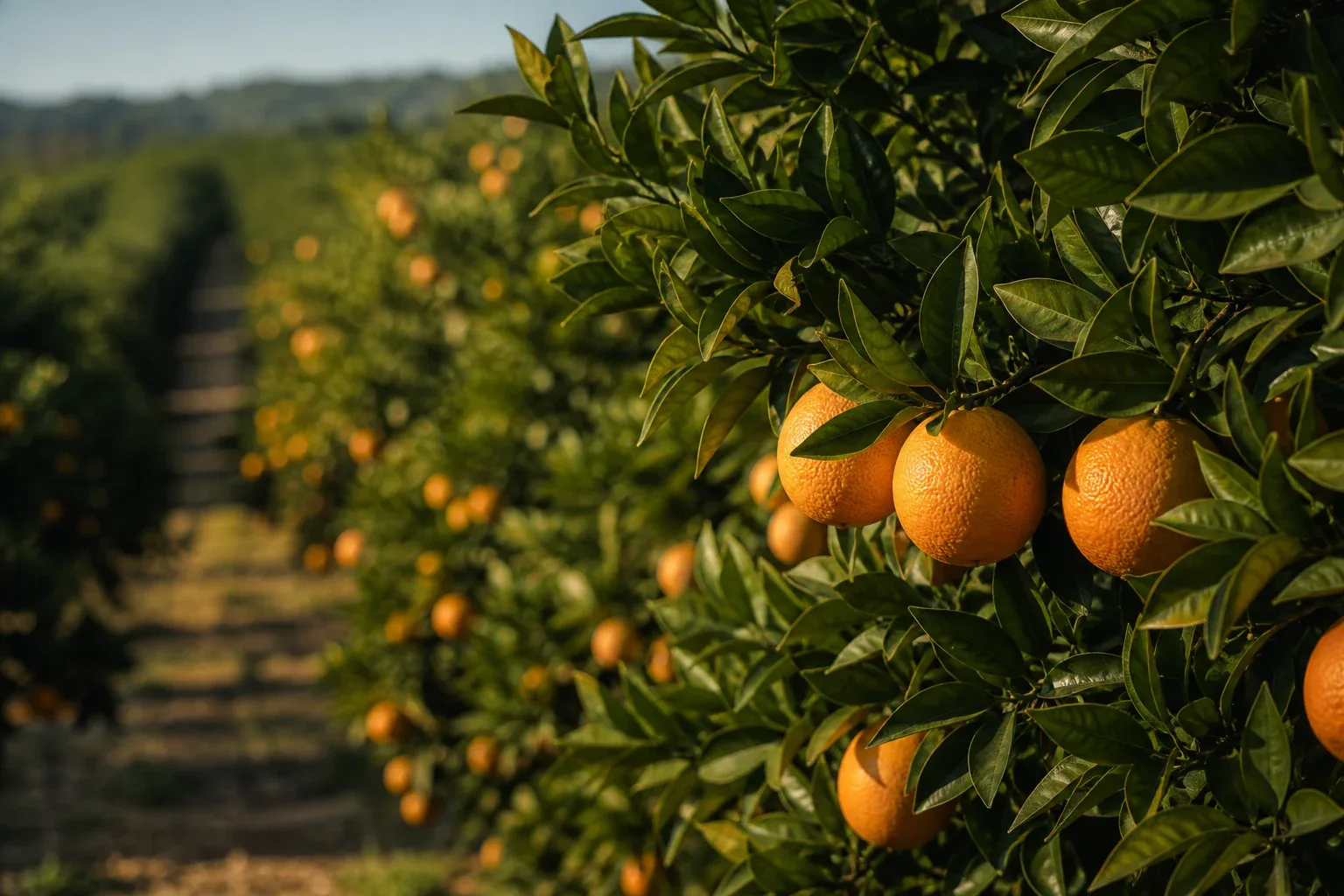
Spring flush, flowering and fruit set create overlapping demands on the tree. Seaweed nutrition fits a programme that follows root activity, canopy condition and water availability through these transitions.

Grapes, strawberry and blueberry

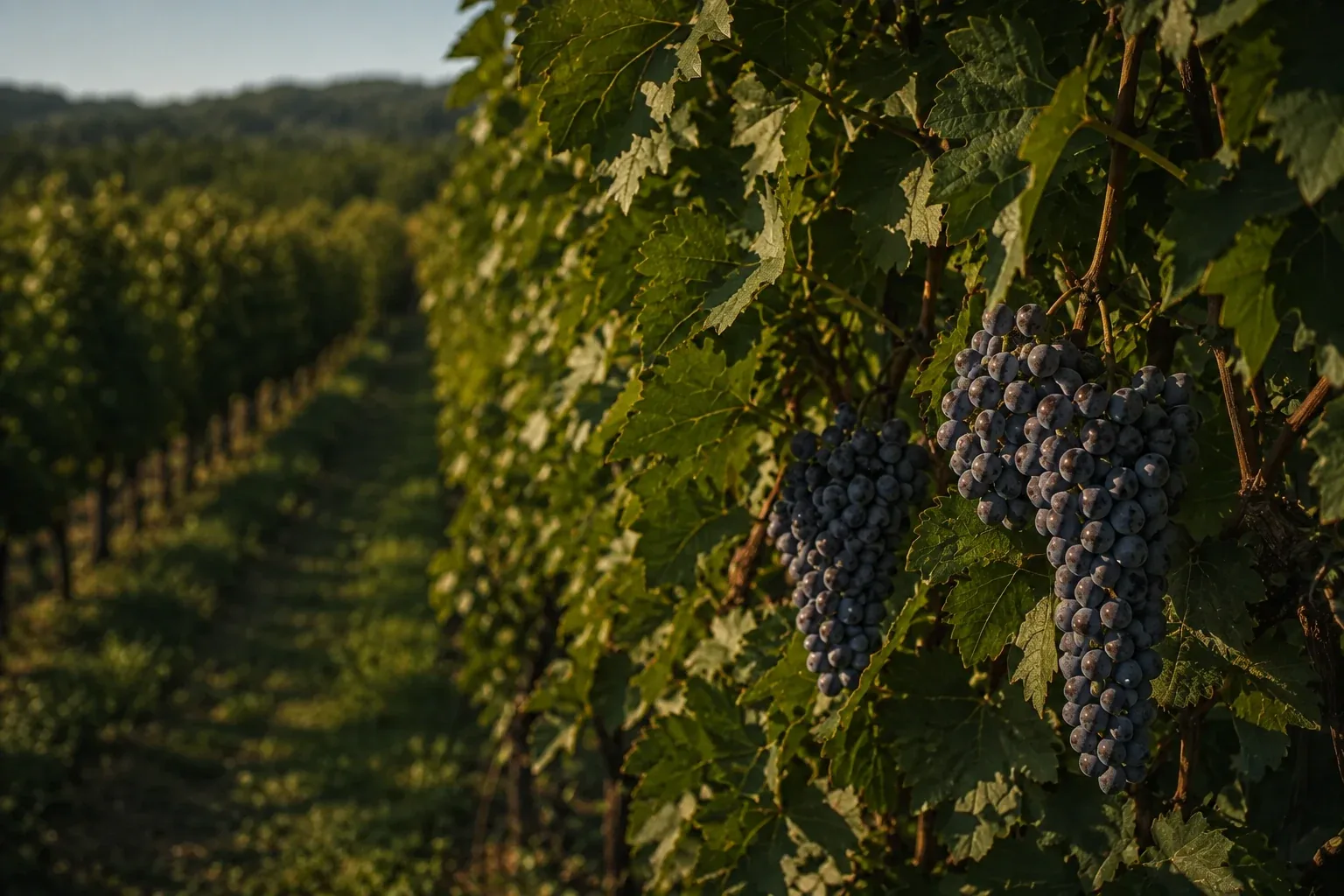
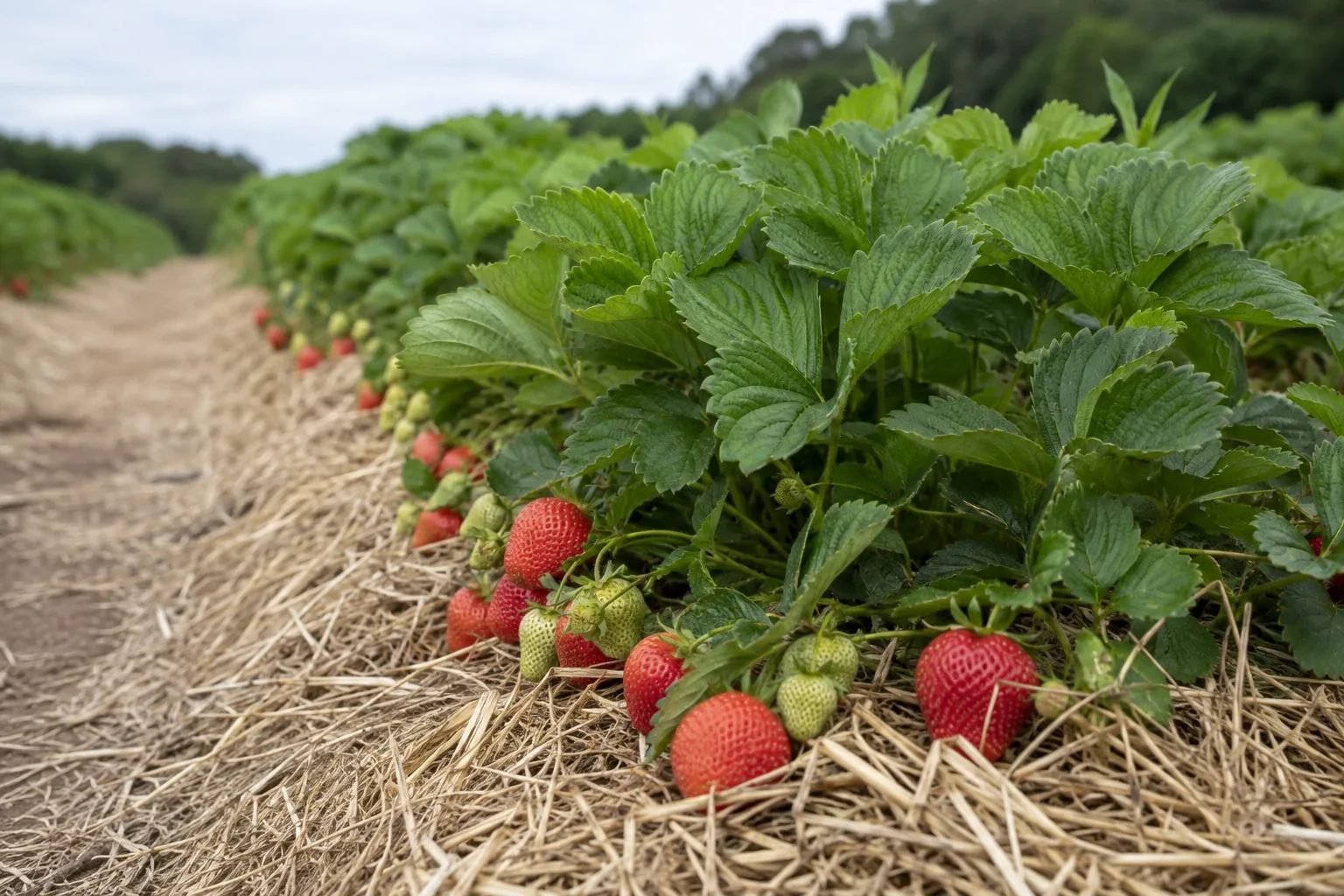
Canopy function and fruit development are separate management objectives. Crop load, leaf condition and the cultivar’s normal development provide the context for assessing seaweed-derived support during seasonal change.

Select the product and application programme for the crop, growing conditions and applicable market label.

Quality & product characteristics

Algal identity and composition

Algal identity, extract solids, organic composition and potassium reporting basis are relevant quality characteristics. Together they describe the material more clearly than a single total-extract percentage.

Liquid consistency

Appearance, dispersion, sediment behaviour and stability during storage inform the evaluation of a liquid seaweed material. Water chemistry and the other components of a nutrition programme also influence practical compatibility.

Crop stage, water supply and nutrient status provide the context for evaluating seaweed nutrition.

Product questions

Which seaweed is the basis of Selva?

The material identity is Ascophyllum nodosum. Extract composition also reflects the characteristics of the finished material, so sharing a seaweed name does not establish identical crop performance.

Does Selva replace the main fertiliser programme?

Selva’s role centres on seaweed-derived organic fractions with a modest potassium contribution. Its nutrient contribution complements the existing programme; it is not a complete source of the crop’s essential nutrients.

Related products

HUASHENG BIO

Good products. Lasting partnerships.

Tell us about your crop, market or technology. Our product and technical teams will help shape the next step.

Contact Huasheng