Skip to content
Products

Biostimulants

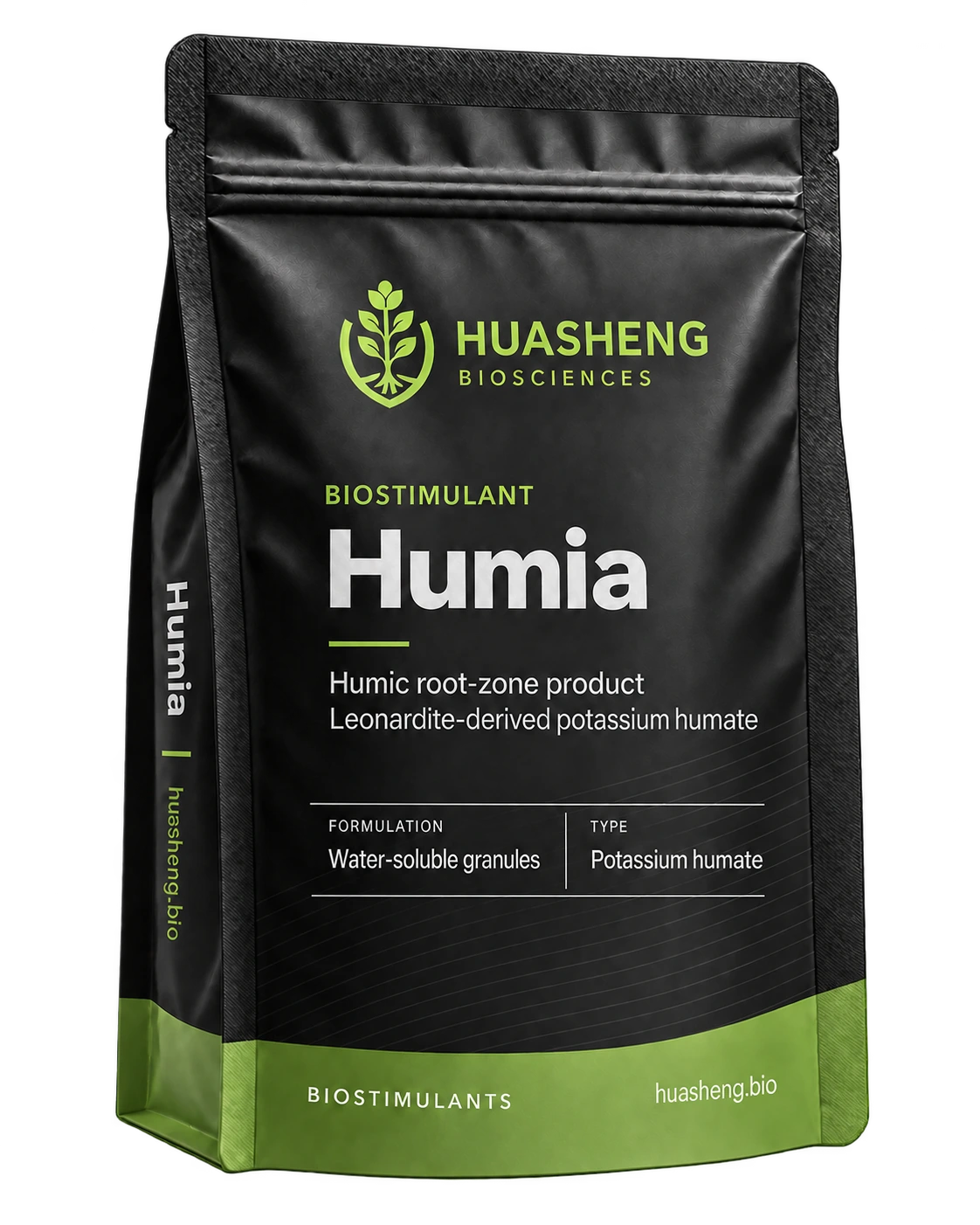
Humia™

Humia — Humic root-zone product

Humic root-zone product

Humia focuses on water-soluble potassium humate from leonardite, with humic and fulvic fractions that distinguish it from sugar-based carbon products. Its place is in root-zone nutrition: considering interactions among roots, mineral nutrients and the surrounding solution. It complements soil management while keeping short-term nutrition separate from long-term soil organic-matter improvement.

Principal components
Leonardite-derived potassium humate
Crops
Grapes · Citrus · Tomato · Cucumber

Contact our team for regional product availability.

Root-zone conditions & nutrient availability

Mineral humic fractions

Leonardite-derived humates contain chemically diverse functional groups relevant to interactions with nutrients in the root environment.

Root-zone focus

The aim is to consider root development and nutrient availability together, rather than treating humic material as a substitute for missing nutrients.

Potassium matters too

Potassium humate brings a mineral nutrient as well as humic material. Water quality and the existing potassium programme help determine fit.

Composition & material characteristics

Leonardite-derived humates

Humia is based on soluble potassium humate derived from leonardite. Humic substances contain a range of functional groups relevant to interactions between roots, nutrients and the surrounding soil solution.

Humic and fulvic fractions

Humic and fulvic fractions describe different portions of the material, while potassium contributes to mineral nutrition. Understanding these fractions together helps distinguish soluble humate nutrition from bulk organic-matter management.

Published research on materials & applications

The following publications examine related materials and their agricultural applications. Findings relate to the materials, crops and conditions described in each study.

Sugier et al. evaluated a potassium-humate formulation in an Arnica montana field study on sandy soil in Poland.

WHAT THE STUDY FOUND

Flowering stems and inflorescences increased significantly relative to controls, with greater medicinal raw-material yield and positive soil-enzyme responses.

RESEARCH SCOPE

Product-specific field study: the tested potassium-humate formulation in Arnica montana on sandy soil in Poland. The reported flowering, yield and soil-enzyme responses relate to that crop, historical formulation and field setting.

Sugier et al. (2013) · Journal of Geochemical Exploration

Crop applications

Relevant to root-zone programmes in vegetables, citrus, grapes and berries. Consider soil texture, irrigation-water chemistry, nutrient status and the existing organic-matter programme; the role of soluble humates differs from that of compost or bulk organic amendments.

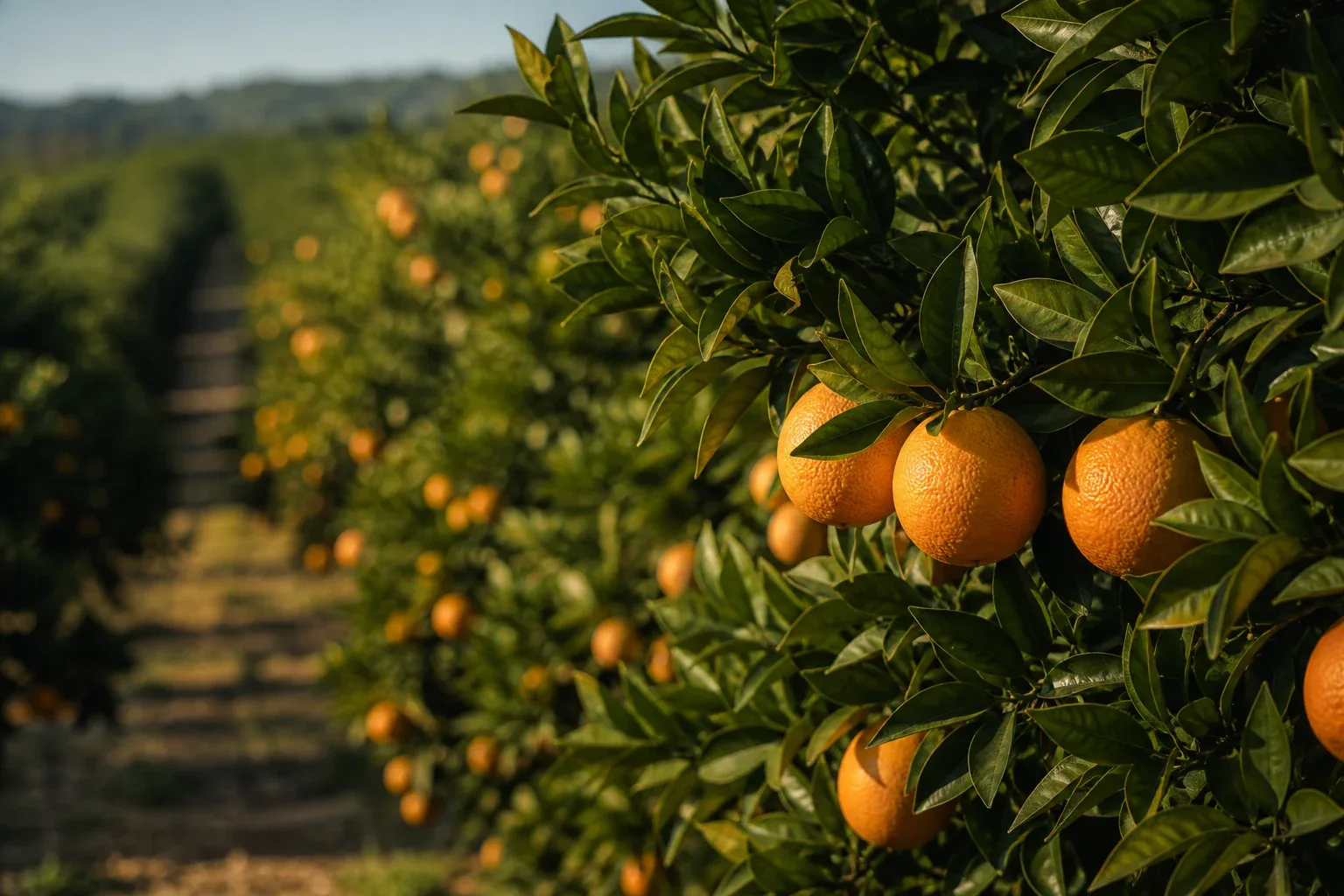
Citrus root-zone nutrition

Soluble humates are considered alongside root activity, soil texture and irrigation-water chemistry. Their role concerns the interaction of roots and nutrients within the existing orchard soil-management programme.

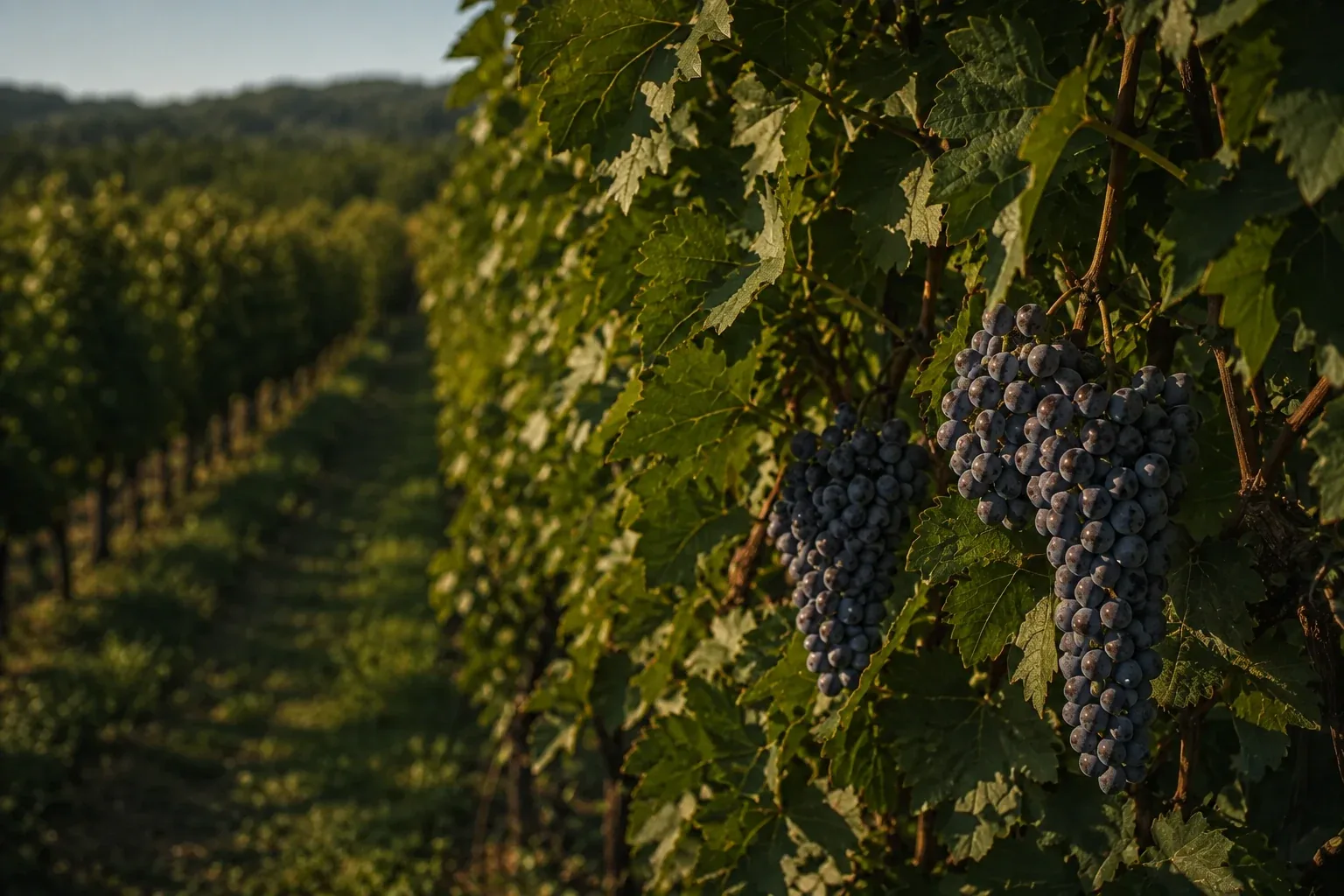
Grapevine mineral availability

Soil condition and the current nutrient programme provide the starting point for humate nutrition. Root-zone observations help distinguish nutrient-availability questions from water imbalance or a restricted rooting volume.

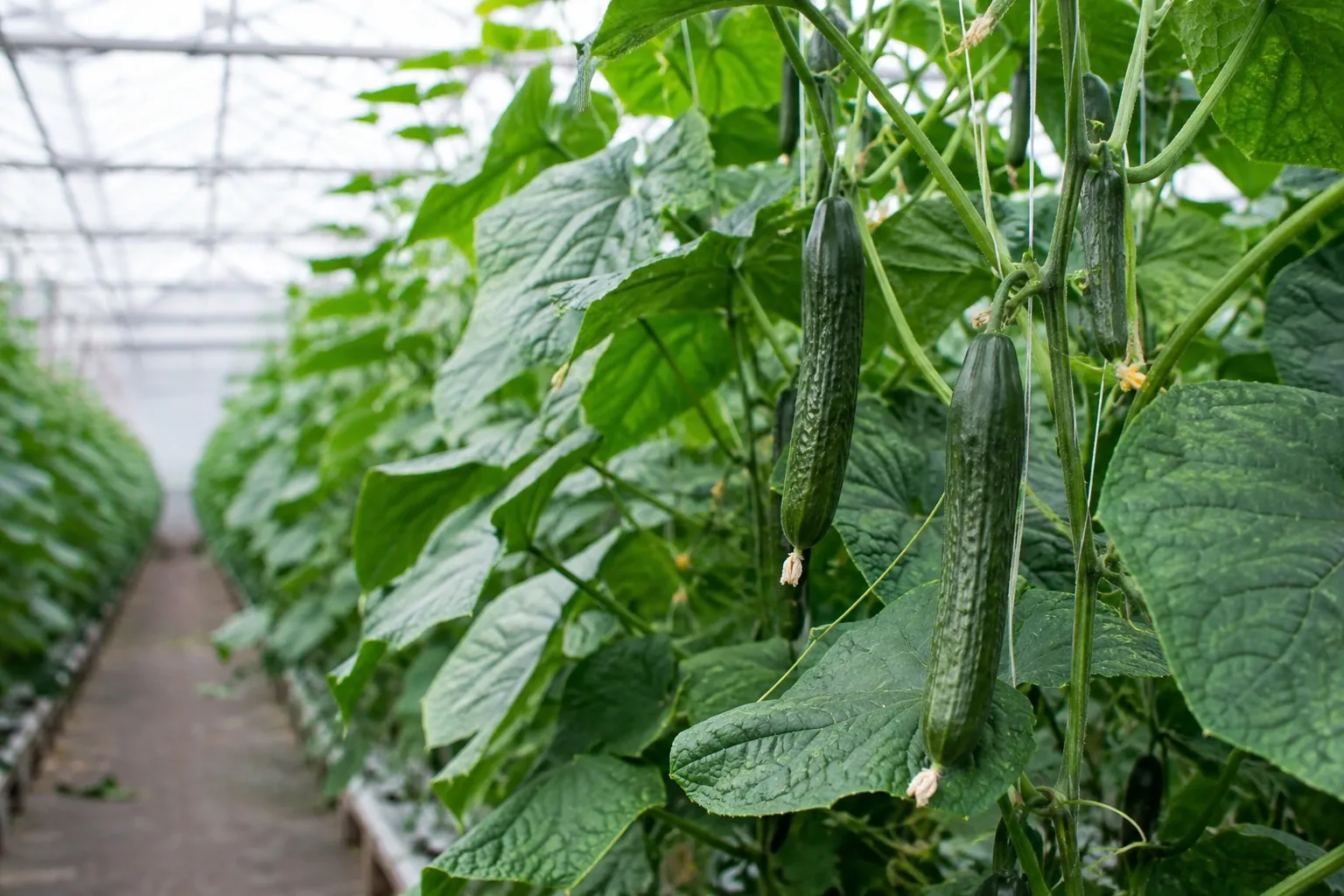
Tomato and cucumber root environments

In soil or substrate production, soluble humates are assessed within the water and nutrient balance of the root zone. Their soluble organic fractions have a different role from the bulk organic matter supplied by compost.

Select the product and application programme for the crop, growing conditions and applicable market label.

Quality & product characteristics

Analytical definition

Humic-fraction values depend on the analytical method and whether results are expressed on dry matter or the supplied material. These details are essential when interpreting a humate analysis.

Solubility and root-zone chemistry

Solubility, insoluble residue, pH and potassium content are relevant quality properties. Irrigation-water hardness and the nutrient mixture provide additional context for compatibility in the root zone.

Root-zone evaluation should account for soil texture, water chemistry and the existing nutrient programme.

Product questions

Is soluble humate the same as compost?

No. Humia’s leonardite-derived potassium humate provides soluble humic fractions. Compost and other bulk organic amendments contribute larger quantities of organic matter with different physical and nutritional roles.

Why do humic-content figures need an analytical basis?

Humic and fulvic fractions depend on how the material is analysed and whether the result refers to dry matter or the supplied material. Values expressed on different bases are not directly equivalent.

Related products

HUASHENG BIO

Good products. Lasting partnerships.

Tell us about your crop, market or technology. Our product and technical teams will help shape the next step.

Contact Huasheng