Skip to content
Products

Biological crop protection

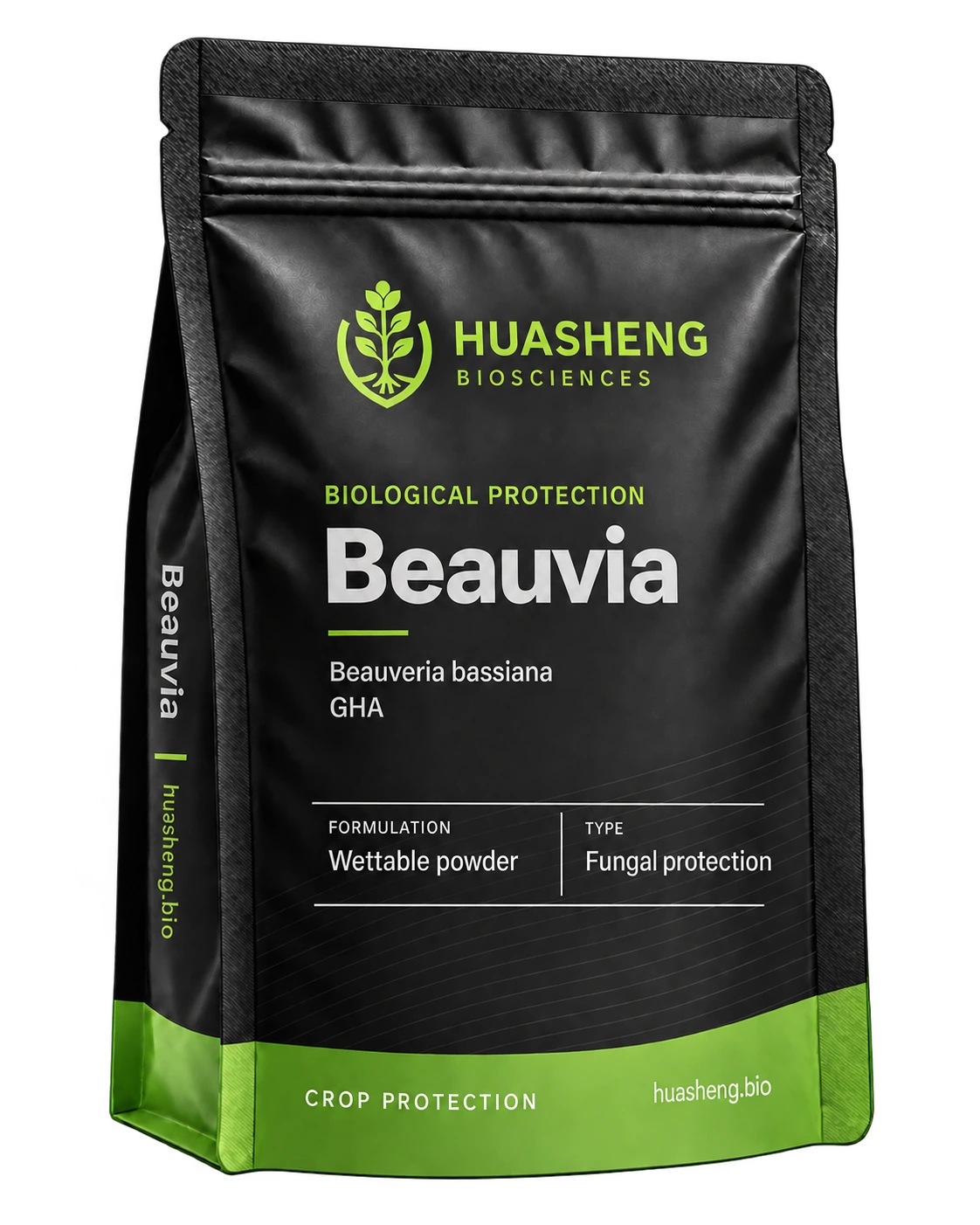
Beauvia™

Beauvia — Beauveria biological protection

Beauveria biological protection

Beauvia centres on Beauveria bassiana GHA in a wettable-powder biological insect-management profile. This insect-associated fungus brings a biological route distinct from conventional chemical insecticides, with particular relevance to integrated programmes in protected crops. Pest identity, the cropping environment and other beneficial organisms all shape its appropriate place.

Principal components
Beauveria bassiana GHA
Crops
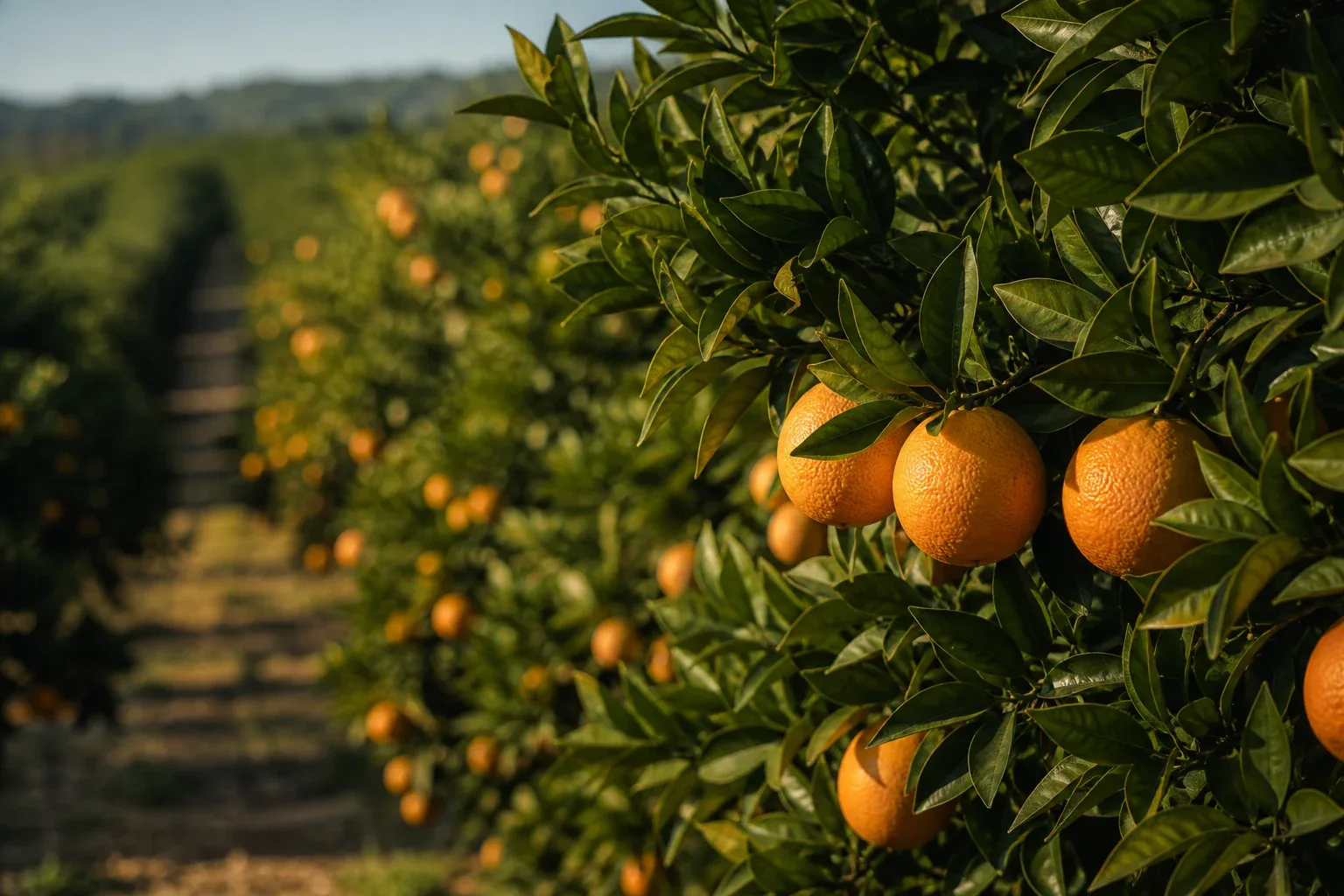
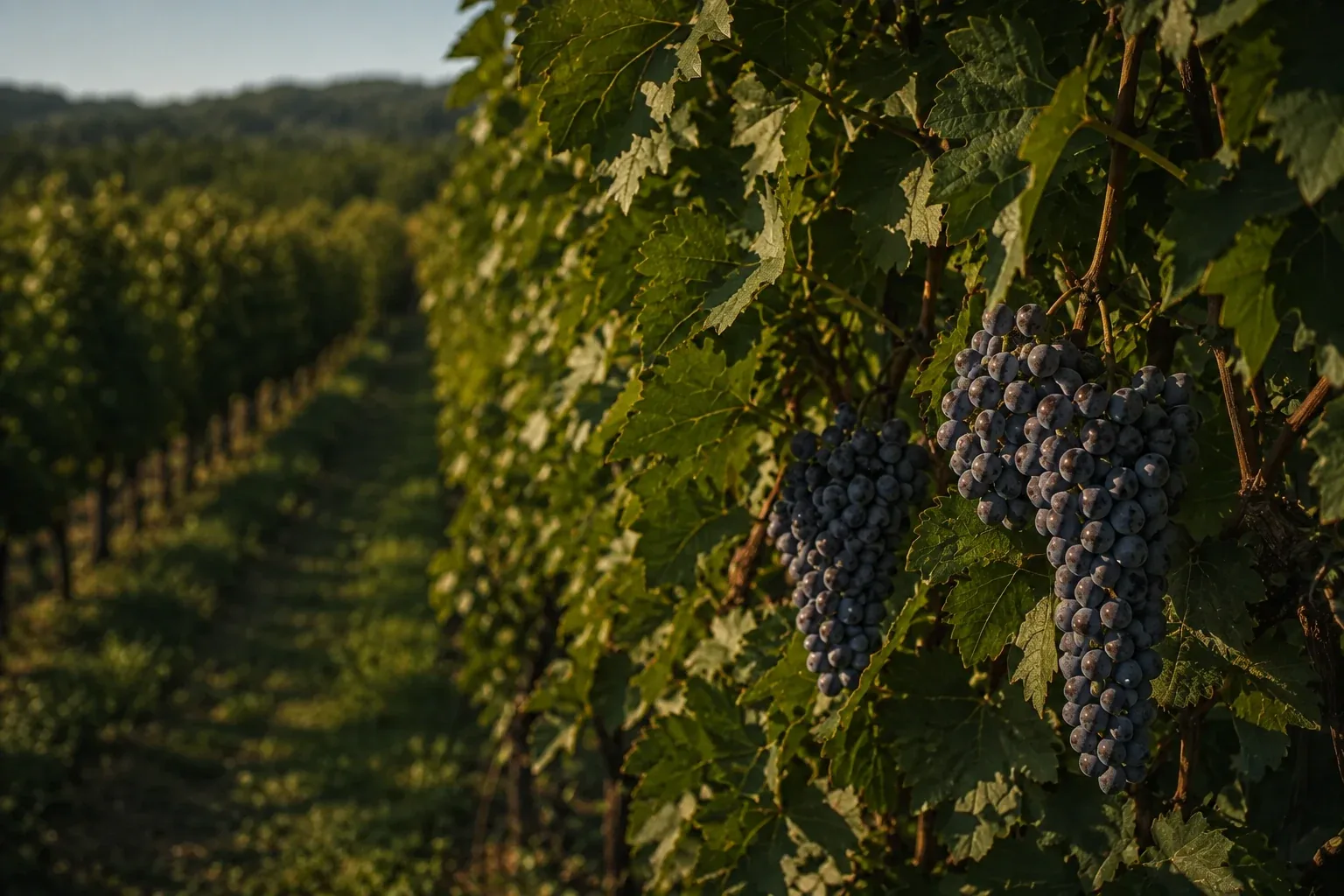
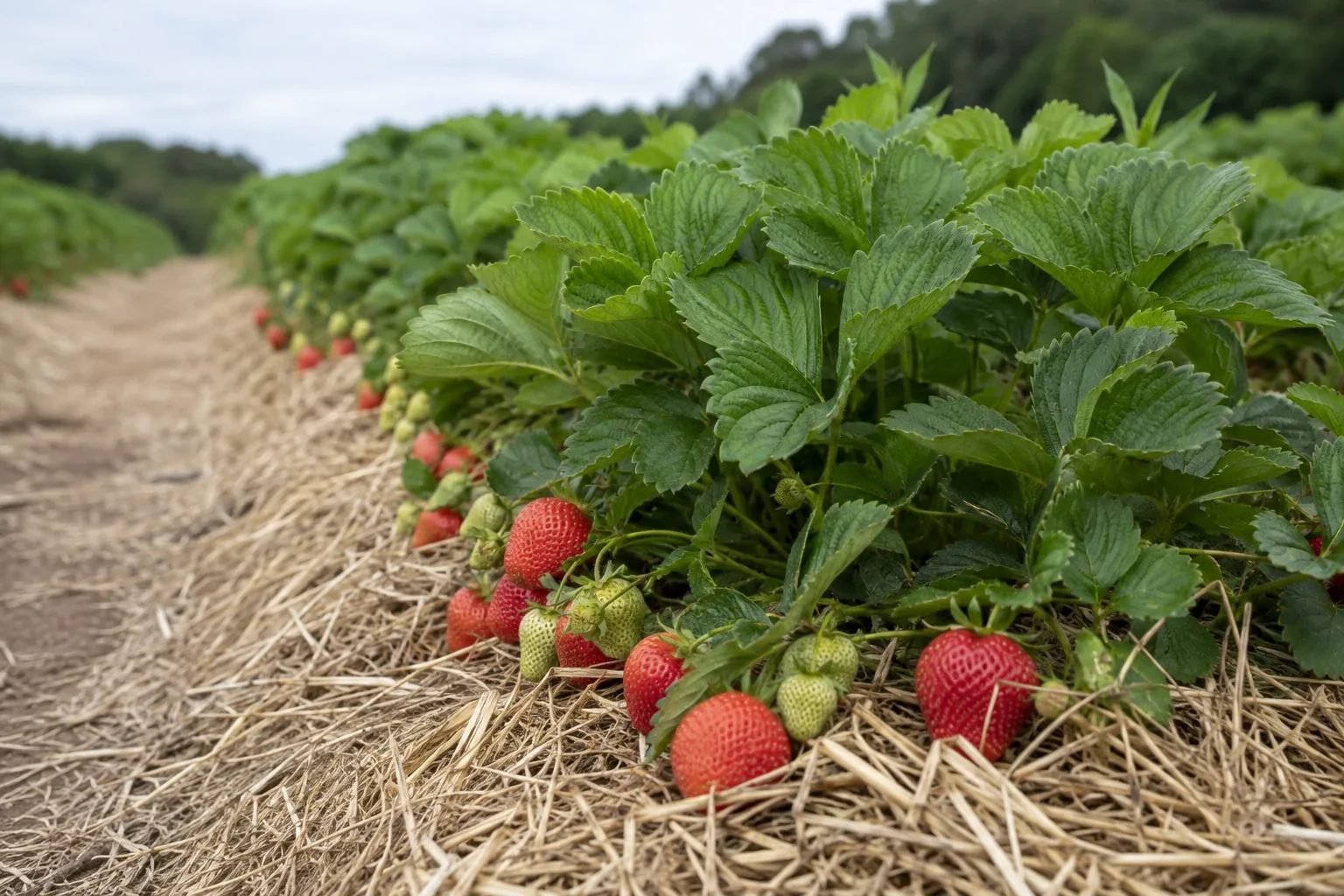
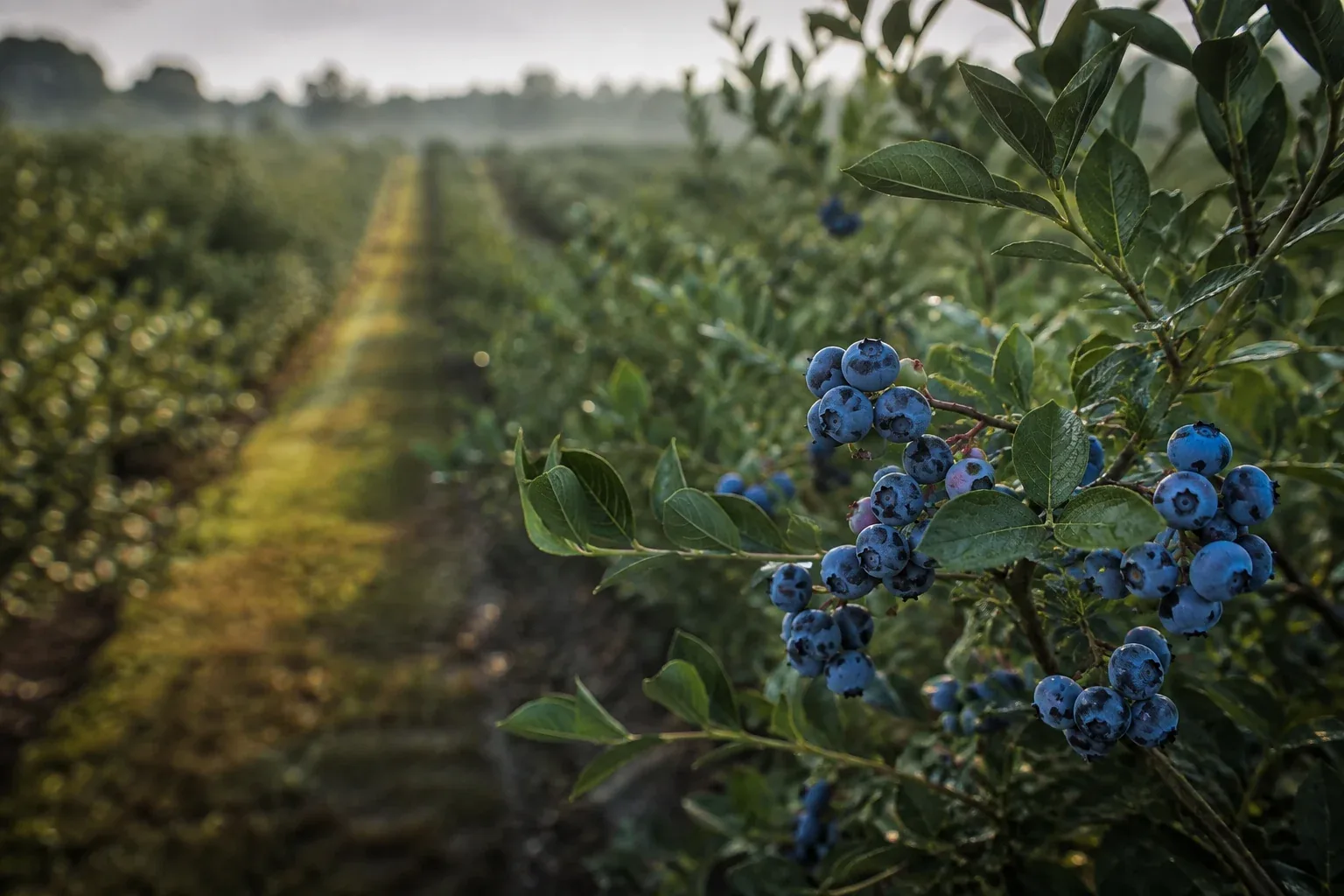
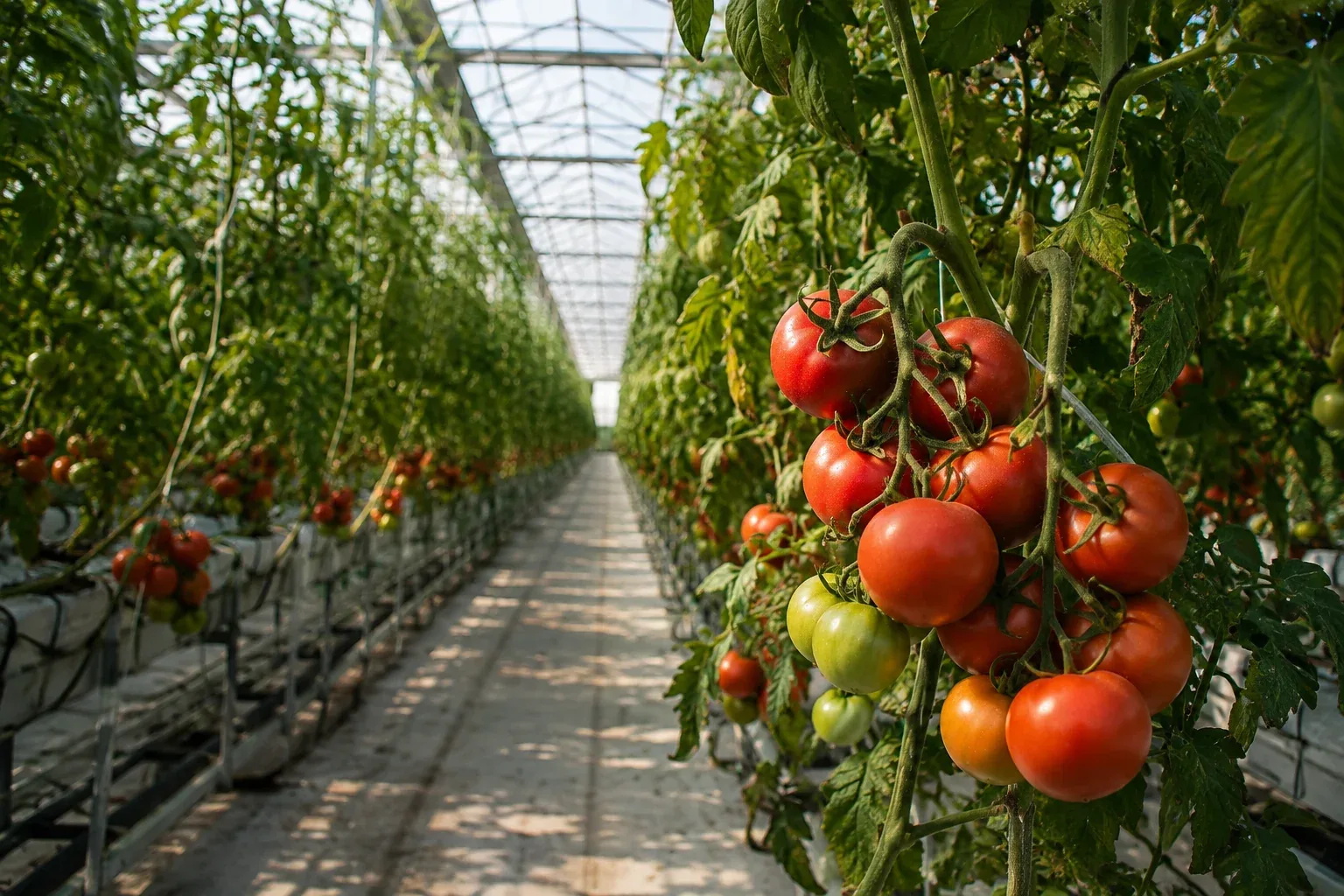
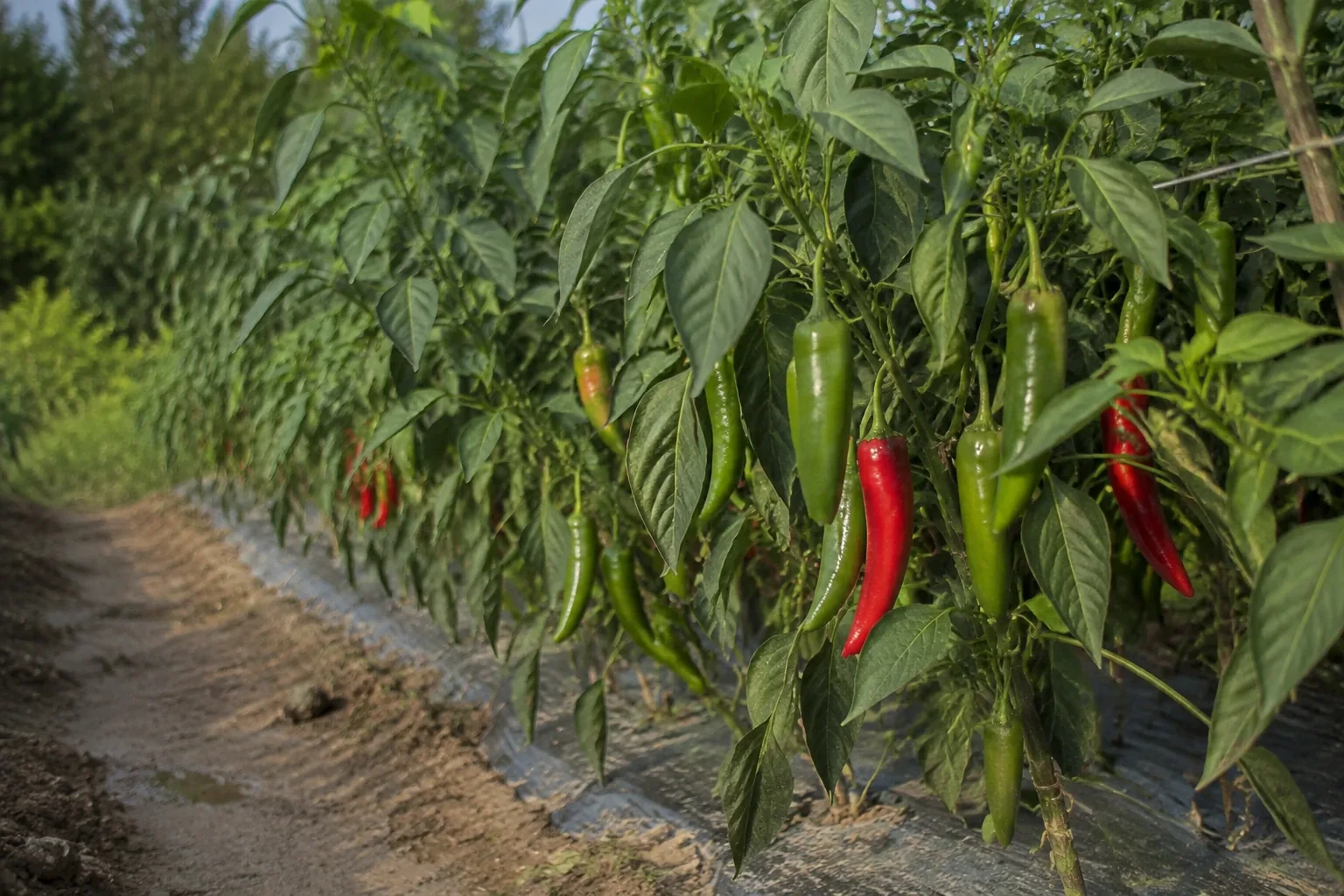
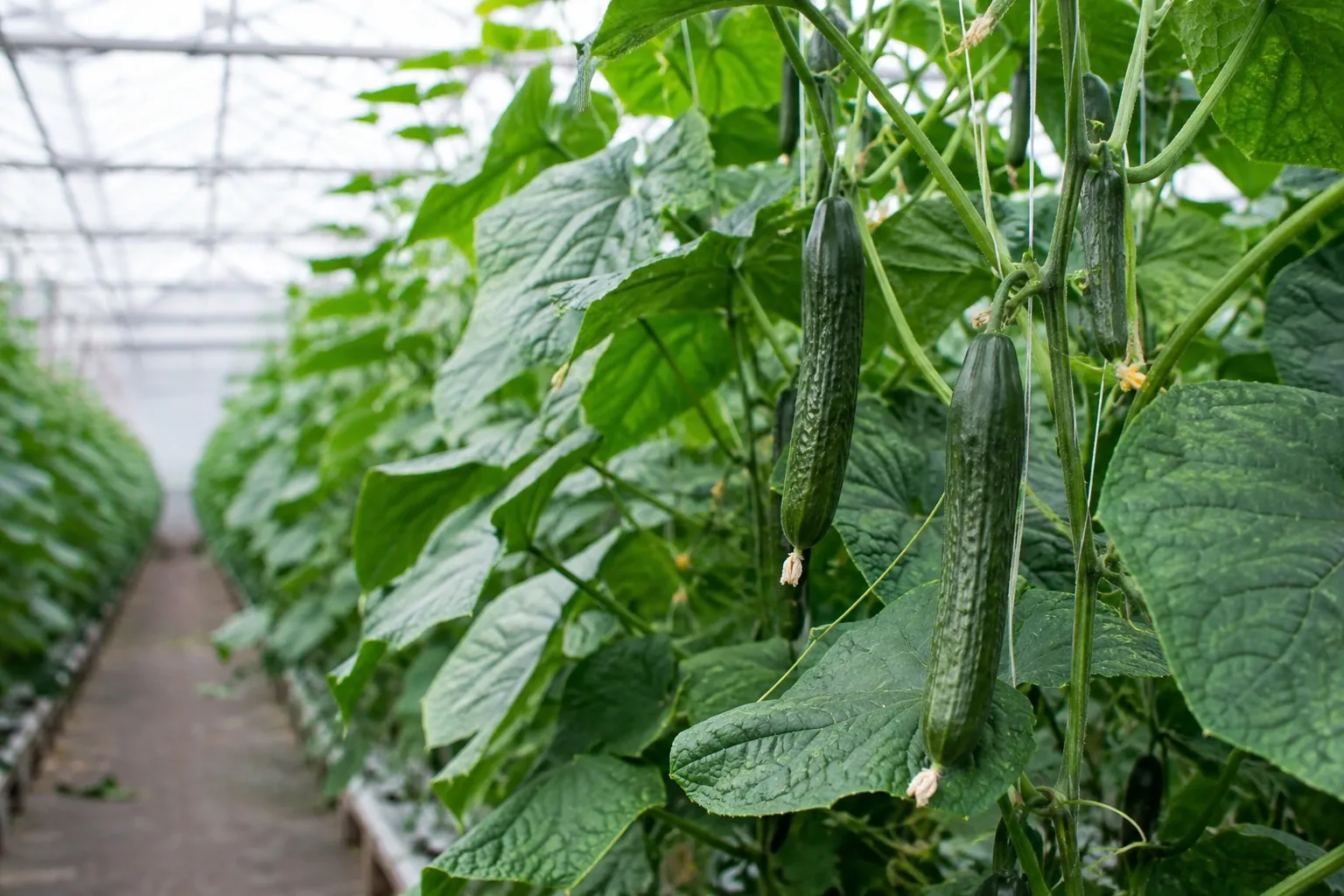
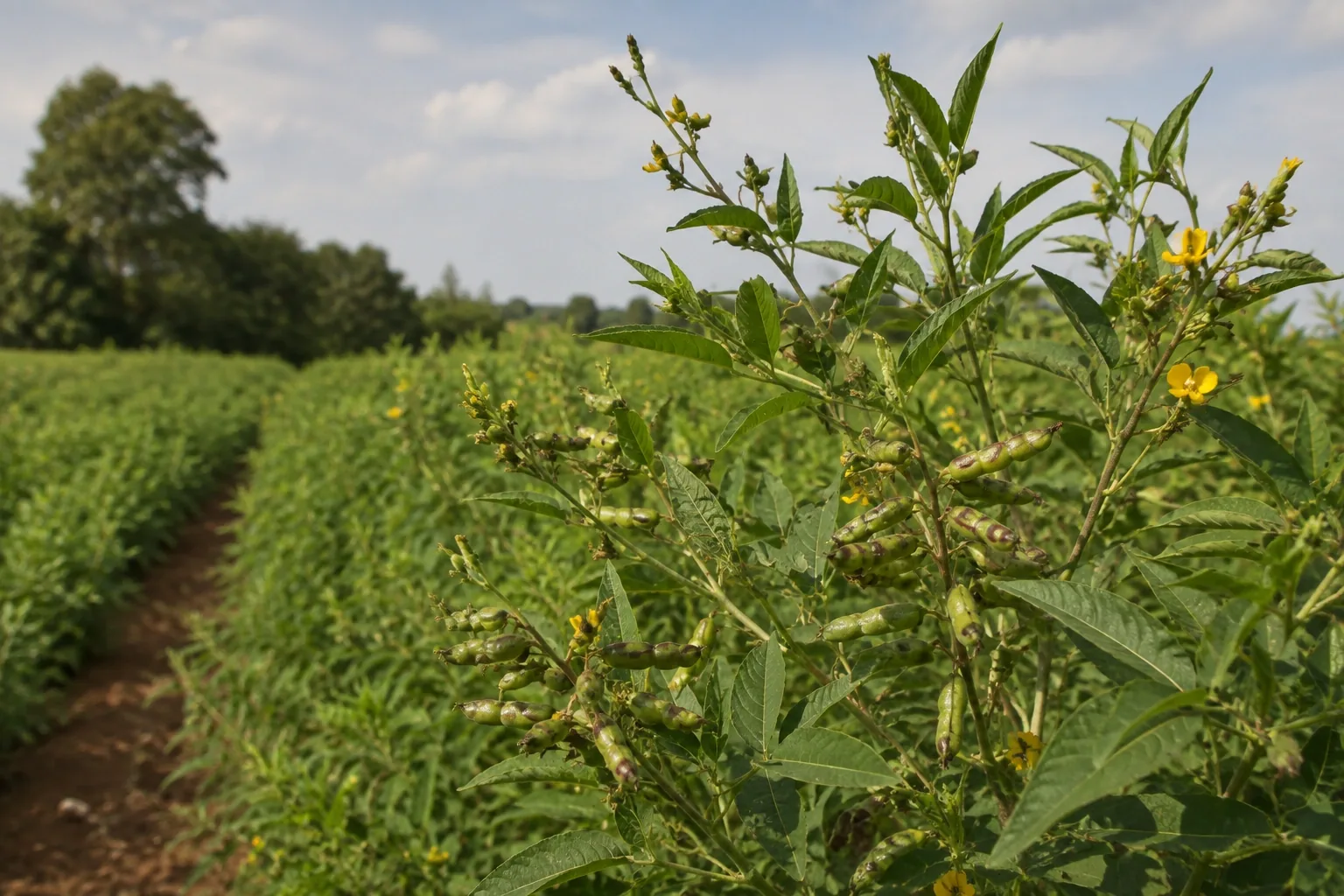
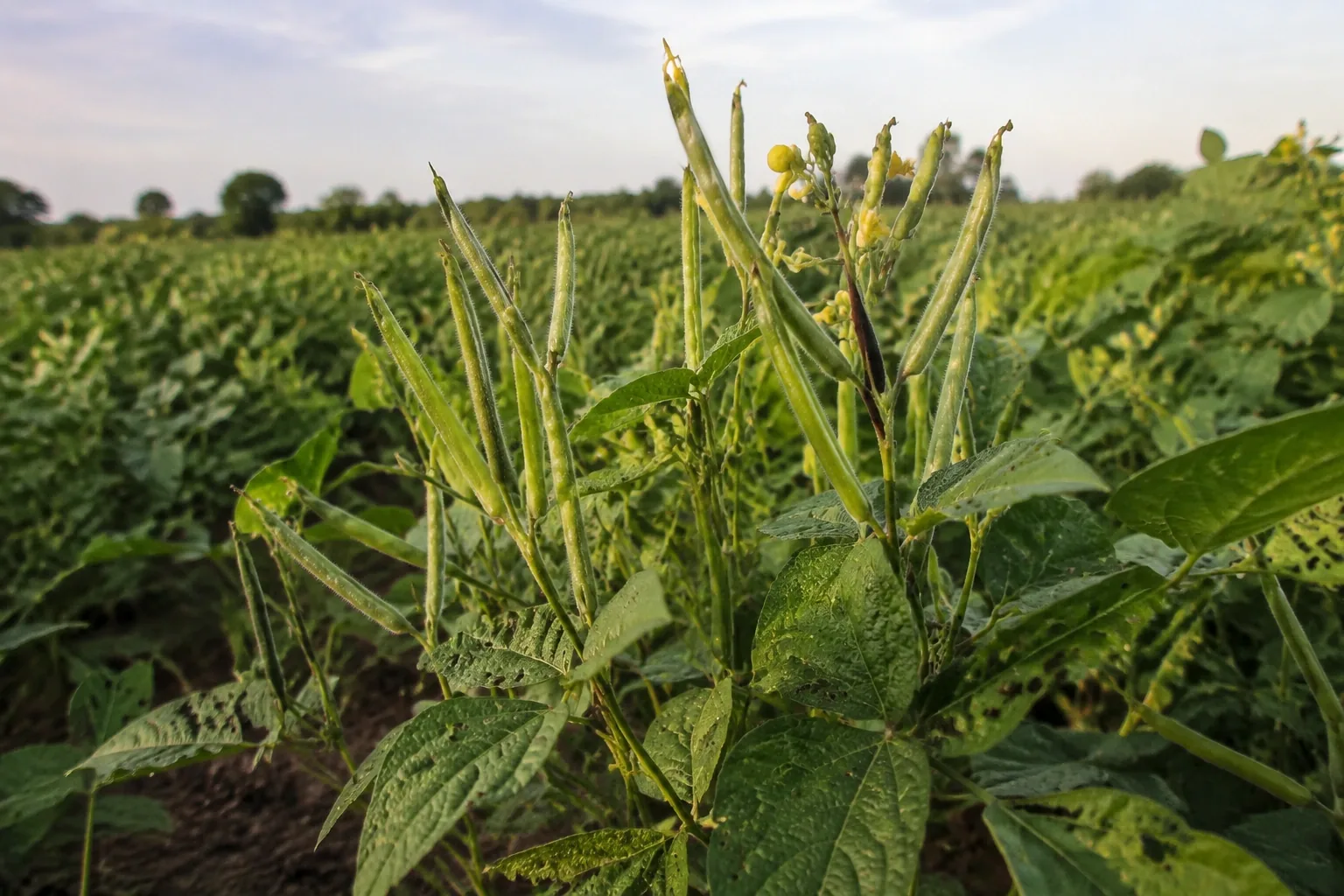
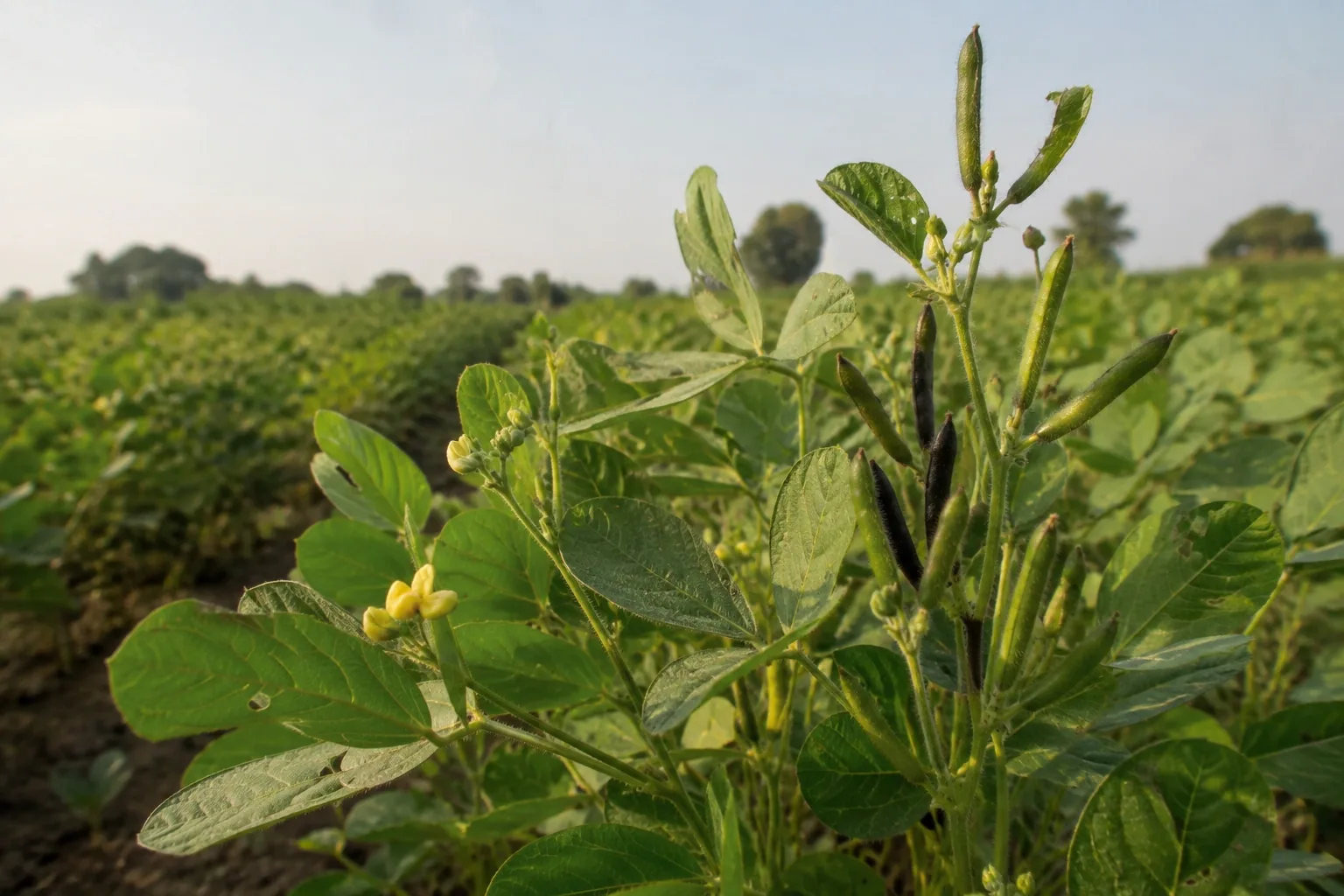
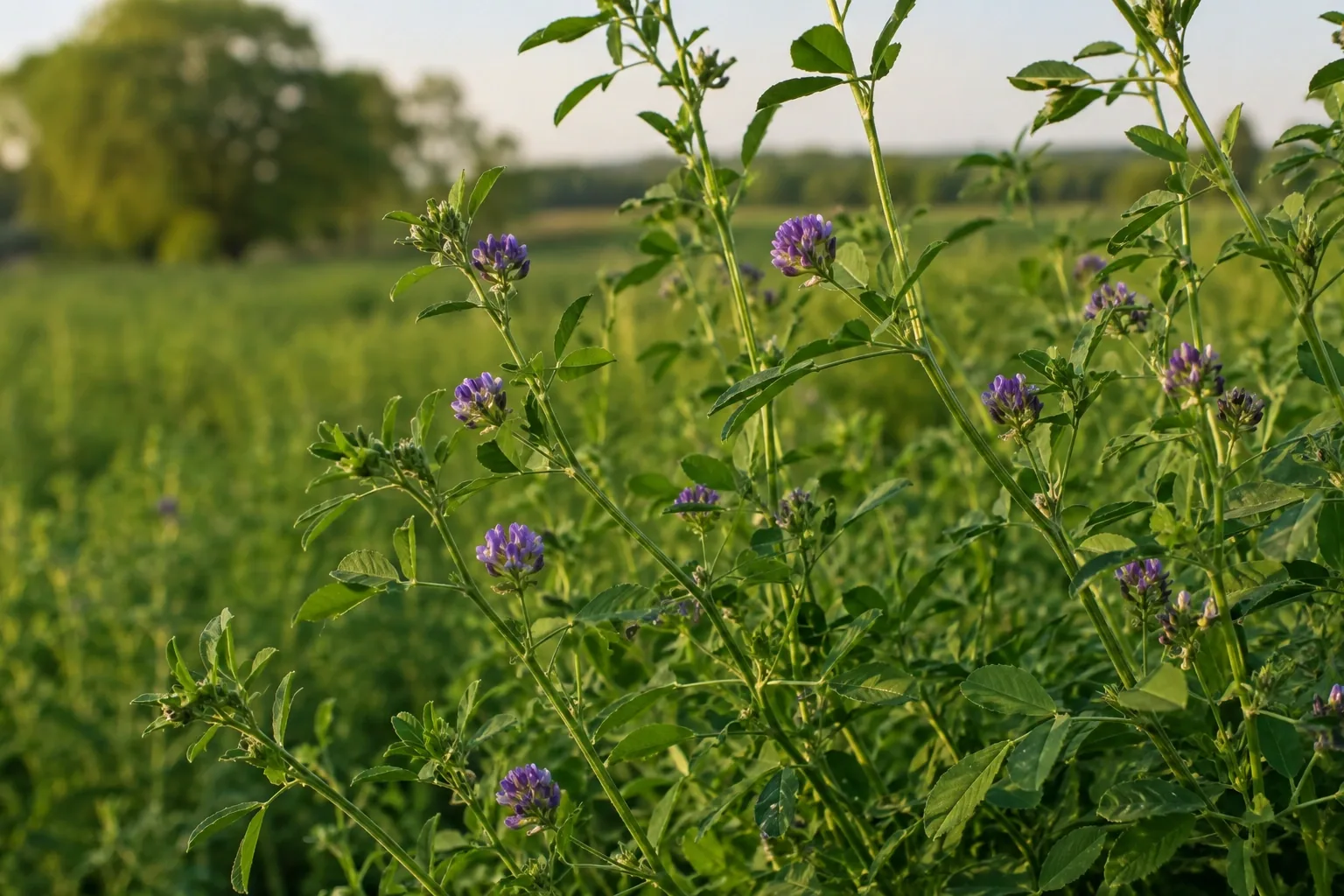
Citrus · Grapes · Strawberry · Blueberry · Tomato · Pepper · Cucumber · Lettuce · Peanut · Common bean · Cowpea · Pigeon pea · Mung bean · Black gram · Alfalfa

Contact our team for regional product availability.

Integrated insect management

An insect-associated fungus

Beauveria provides a fungal approach to pest management, adding a different biological mechanism to an integrated protection programme.

A complement to integrated control

The biological approach is considered alongside monitoring, sanitation and other protection tools, rather than as an isolated response to every insect problem.

Specific strain identity

GHA identifies the fungal material, while pest species and crop environment remain essential for judging whether a particular use is relevant.

Composition & material characteristics

Beauveria bassiana

Beauvia’s biological focus is Beauveria bassiana GHA, an insect-associated fungus studied in biological crop protection. The strain identity provides a specific basis for reviewing host responses and the environmental context of published research.

Biological protection within crop management

Fungal biological protection is considered within the wider crop and pest-management system. Target pest, crop environment and the relationship between controlled observations and field performance are important aspects of its scientific interpretation.

Published research on materials & applications

The following publications examine related materials and their agricultural applications. Findings relate to the materials, crops and conditions described in each study.

Wraight and colleagues, 2016, Biological Control: greenhouse impatiens and western flower thrips, with contrasting moisture environments.

WHAT THE STUDY FOUND

Fungal efficacy varied strongly with the moisture environment, demonstrating that greenhouse conditions materially affect observed control.

RESEARCH SCOPE

GHA-strain research in greenhouse impatiens with western flower thrips. The findings describe moisture-dependent responses in that crop–pest system.

2016 · Efficacy of spray applications of entomopathogenic fungi against western flower thrips infesting greenhouse impatiens under variable moisture conditions

University of Massachusetts, Hort Notes 36:7, 2025: hairy chinch bugs in laboratory, greenhouse and field evaluations.

WHAT THE STUDY FOUND

Laboratory nymph and adult mortality was high, but field control was ineffective; field populations increased rather than showing dependable suppression.

RESEARCH SCOPE

GHA-strain university extension summary on hairy chinch bugs, covering laboratory, greenhouse and field evaluations. High laboratory mortality occurred alongside ineffective field control and increasing field populations; the source is an extension report.

2025 · Entomopathogenic Fungi as an Alternative Approach to Manage Insect-pests in Lawns

Crop applications

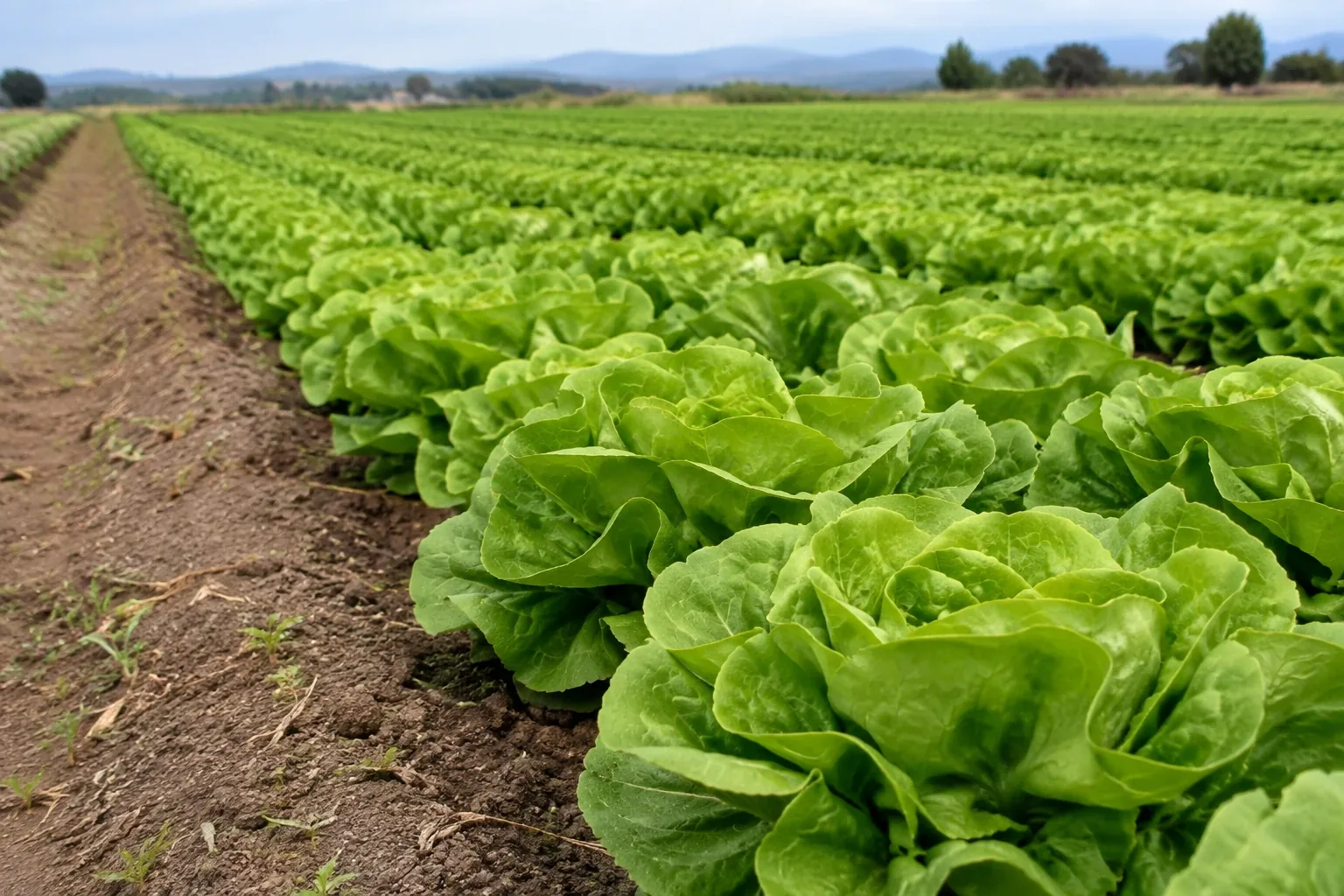
Crop contexts include tomato, pepper, cucumber, lettuce, citrus, grape, strawberry, blueberry, peanut, common bean, cowpea, pigeon pea, mung bean, black gram and alfalfa. The US GHA wettable-powder label links its crop list to specified insect targets, including whiteflies, aphids and thrips. Match the actual pest to the crop and regional conditions; these insects do not occur equally on every crop. The source soybean entry concerns edamame and immature seed, rather than mature grain soybean.

Tomato, pepper, cucumber and lettuce

The GHA wettable-powder reference links listed vegetable crops with specified insect targets, including whiteflies, aphids and thrips. Pest identity and the actual crop setting are essential to interpreting a biological-protection use.

Citrus, grapes, strawberry and blueberry

The crop list provides horticultural contexts for GHA insect management. It does not imply that all listed pests occur on every crop; canopy conditions and field monitoring determine the actual crop–pest discussion.

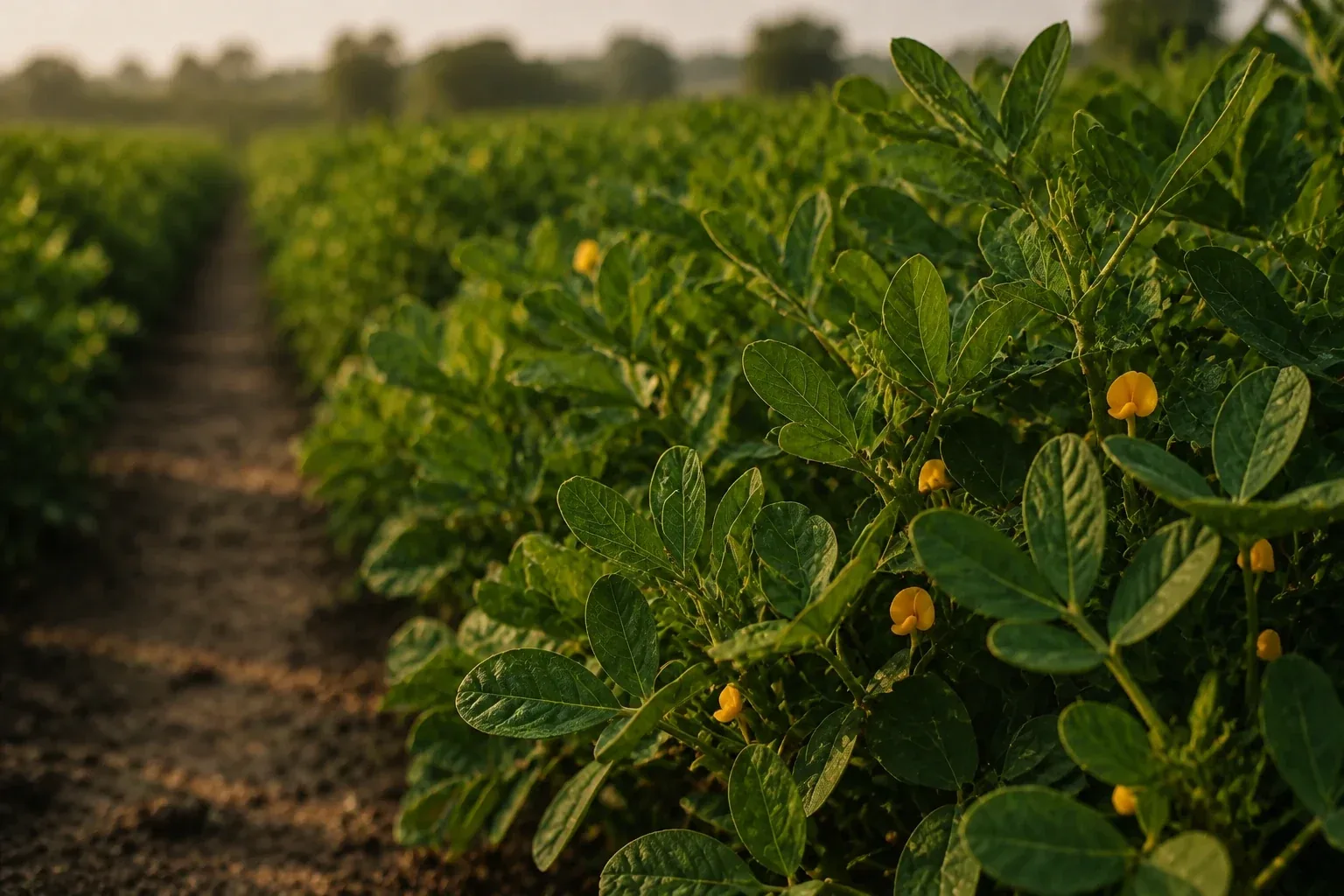
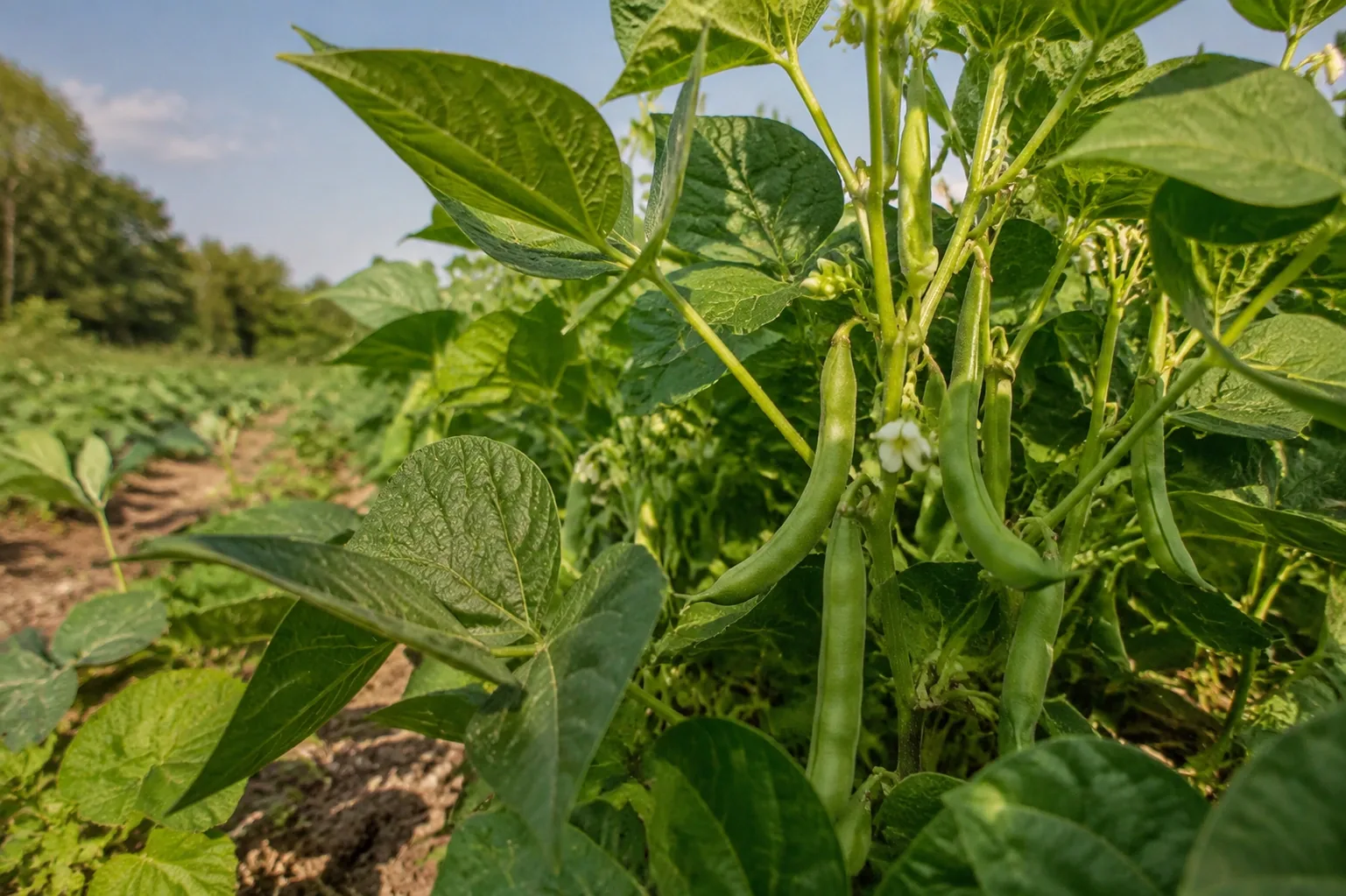
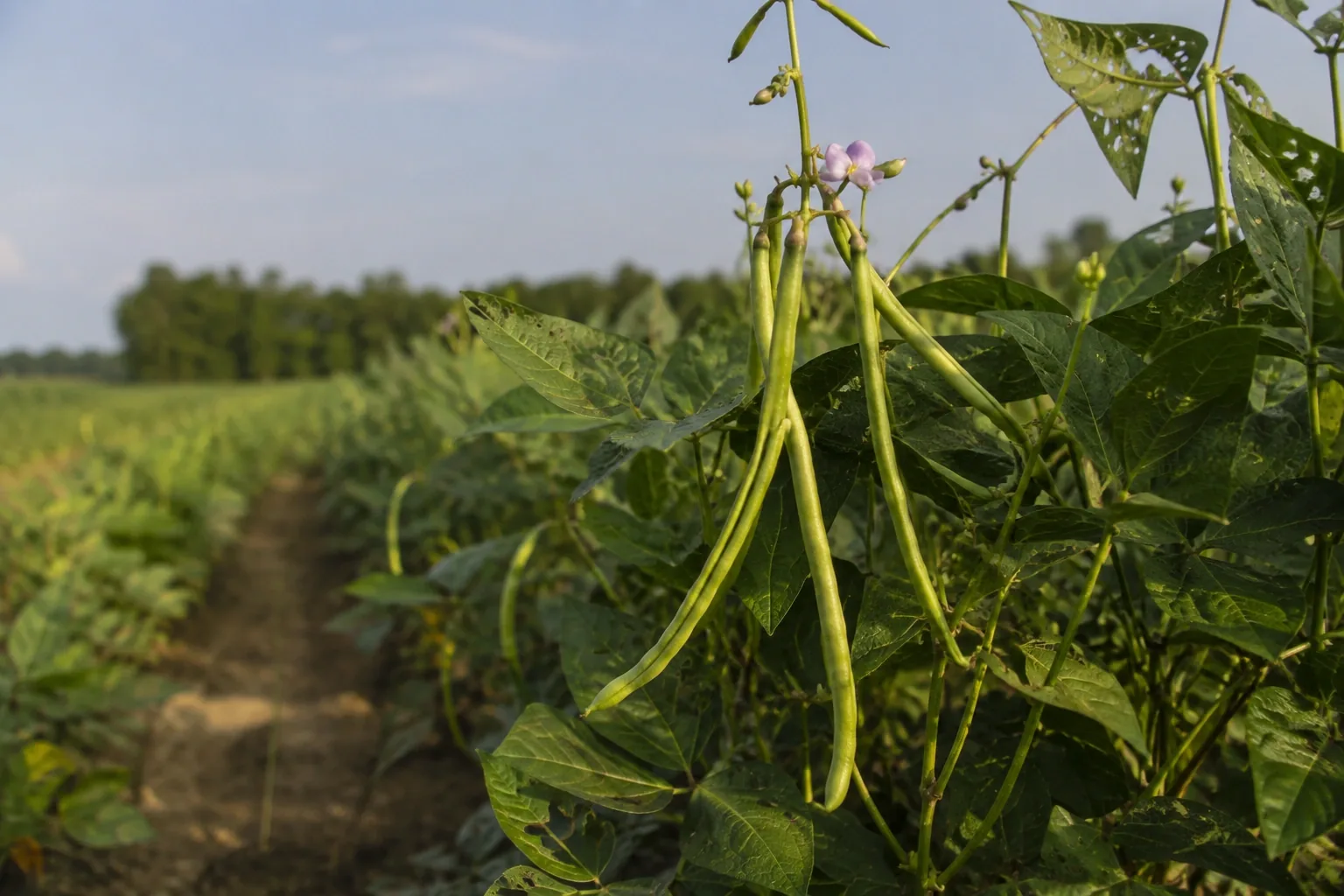
Peanut and listed forage and pulse crops

Peanut, common bean, cowpea, pigeon pea, mung bean, black gram and alfalfa are the listed crop contexts. The relevant insect and regional growing conditions remain part of the use definition.

Select the product and application programme for the crop, growing conditions and applicable market label.

Quality & product characteristics

Biological identity

Species and strain identification, viable biological content and material purity are central quality attributes of fungal products. Formulation identity provides the context for interpreting these attributes across technical documents.

Product condition and consistency

Physical uniformity, storage stability and compatibility with the intended crop programme are relevant to product evaluation. Biological quality is interpreted alongside formulation condition and the stated period of use.

Crop-protection use follows the applicable product label and local requirements.

Product questions

Which strain does Beauvia use as its technical identity?

Beauvia is linked to Beauveria bassiana GHA. Beauvia Z435 is a separate strain-based entry; sharing the same fungal species does not make their crop–pest records interchangeable.

Do laboratory insect results predict dependable field control?

Not by themselves. The cited GHA studies show that environmental conditions materially affect outcomes, including a case where strong laboratory mortality did not translate into effective field control.

Technical documents & support

Product information & application support

Contact Huasheng for technical information and application support for your crop and market. Please include your growing region and product requirements.

Research on materials and mechanisms
  1. 1. Beauveria research in insect management
  2. 2. Beauveria biological-control research
  3. 3. Ecological context of Beauveria and Metarhizium
  4. 4. Environmental associations of insect-associated fungi

Related products

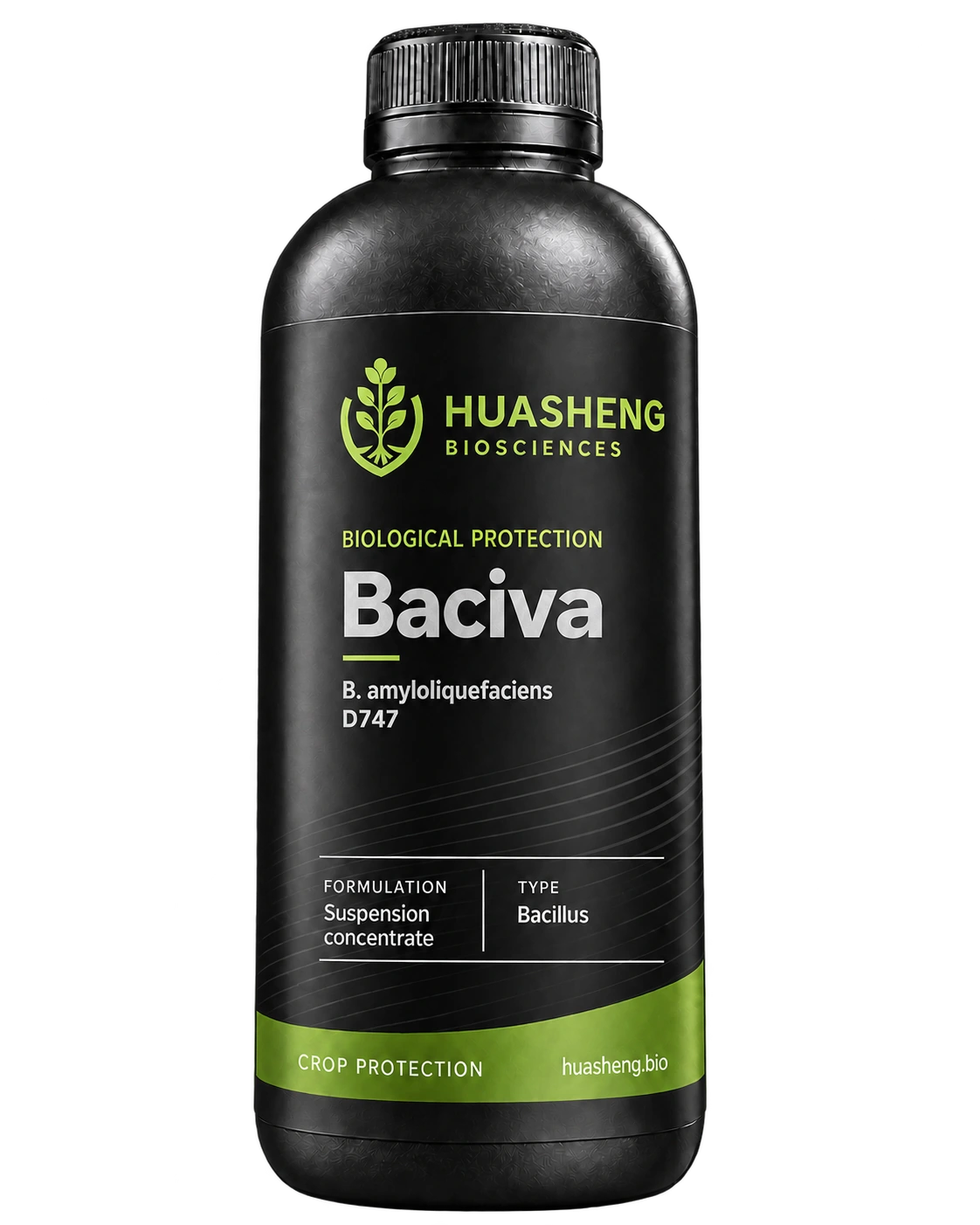
Baciva — Bacillus biological protection

Baciva

Bacillus biological protection

Integrated crop-health management

Components
B. amyloliquefaciens D747
Crops
Tomato · Pepper · Cucumber · Lettuce · Soybean · Common bean · Cowpea · Pigeon pea · Mung bean · Black gram · Peanut · Citrus · Grapes · Strawberry · Blueberry · Alfalfa

HUASHENG BIO

Good products. Lasting partnerships.

Tell us about your crop, market or technology. Our product and technical teams will help shape the next step.

Contact Huasheng