Skip to content
Products

Biological crop protection

Baciva™

Baciva — Bacillus biological protection

Bacillus biological protection

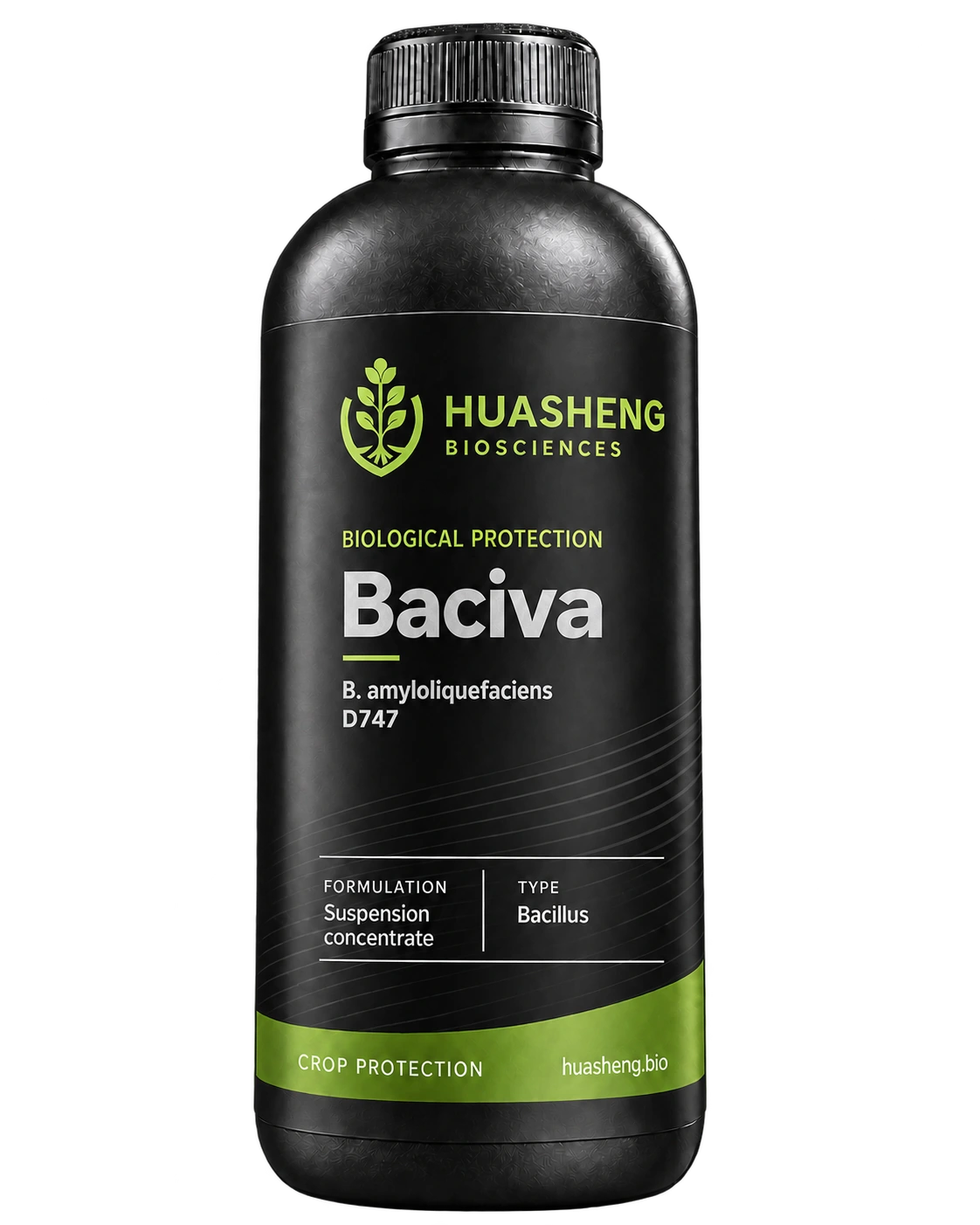
Baciva focuses on Bacillus amyloliquefaciens D747 and its role in biological disease management. Public uses of this defined strain span selected foliar diseases and root or crown diseases, with control and suppression distinguished for each crop and market.

Principal components
B. amyloliquefaciens D747
Crops
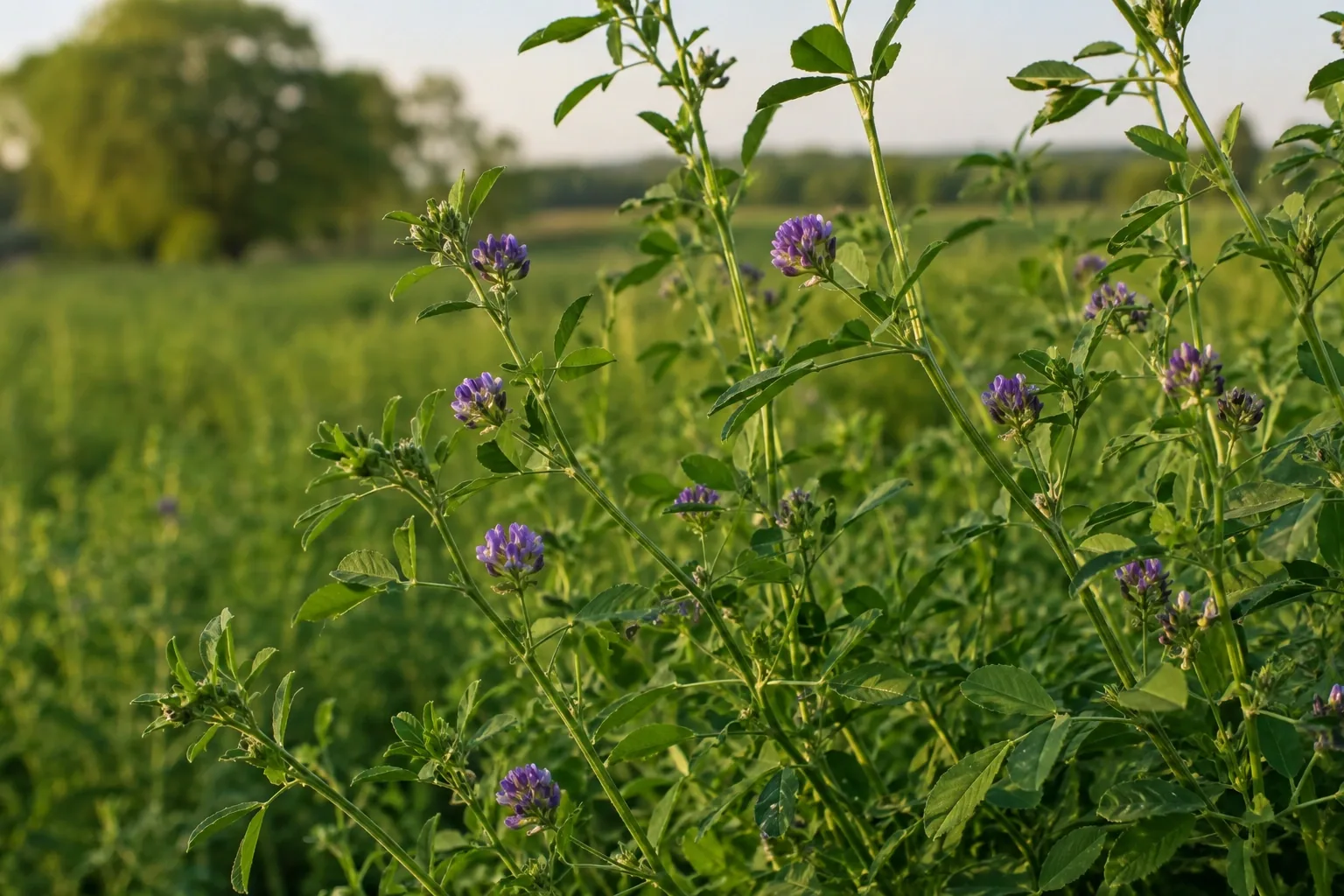
Tomato · Pepper · Cucumber · Lettuce · Soybean · Common bean · Cowpea · Pigeon pea · Mung bean · Black gram · Peanut · Citrus · Grapes · Strawberry · Blueberry · Alfalfa

Contact our team for regional product availability.

Integrated crop-health management

Selected foliar disease management

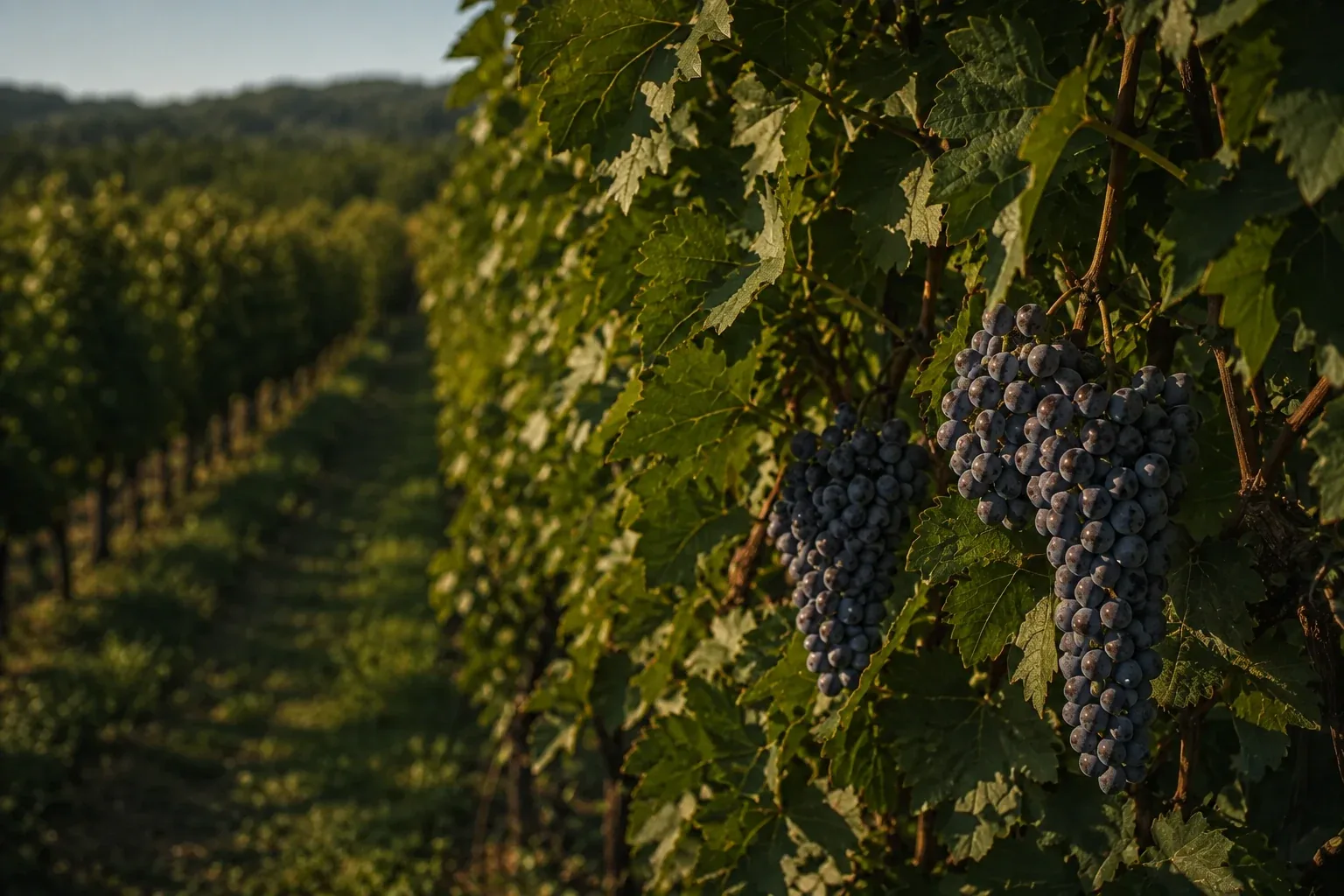
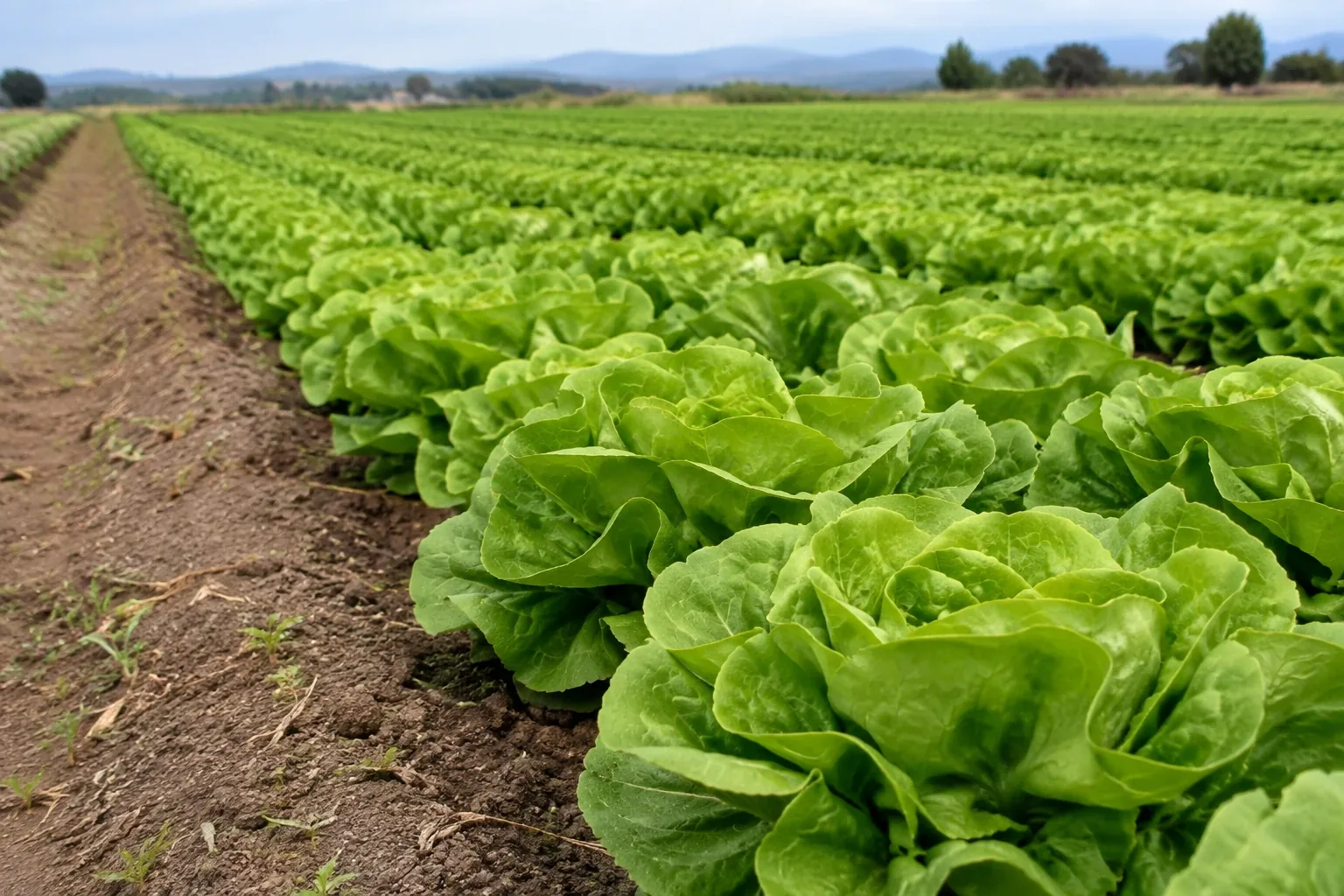
The United States liquid label includes grape gray mold caused by Botrytis cinerea and grape powdery mildew caused by Erysiphe necator as control uses. Lettuce Sclerotinia provides a further crop-specific reference for this strain.

Root and crown protection

The liquid label describes root association and lists Pythium, Rhizoctonia, Fusarium and Phytophthora in vegetable root- and crown-disease entries. These entries define a genus-level use scope rather than a result for every pathogen species.

Suppression within integrated management

Some uses have a narrower claim: grape and cucumber downy mildew, tomato and pepper powdery mildew, and citrus Phytophthora root or collar rots are labelled for suppression. This distinction defines the biological input’s role within the wider crop-protection programme.

Composition & material characteristics

Bacillus amyloliquefaciens D747

D747 is the strain identifier in the cited United States liquid label. The French WG registration uses Bacillus amyloliquefaciens subsp. plantarum strain D747. Retaining these document names preserves the connection between the biological identity and each regional formulation.

Living bacterial activity

The public formulations declare a living bacterial component, described through strain identity and a viable-count measure. This biological specification is separate from product mass, liquid volume and the composition of formulation materials.

Liquid formulation context

The United States reference is an aqueous suspension. The French reference is a water-dispersible granule. Sharing strain D747 does not make these forms interchangeable or establish the same crop uses, stability or compatibility.

Biological targets & documented applications

Public technical records describe the biological identity, target and application context. Each record retains its own strain, formulation and market scope.

Public label evidence — United States, D747 aqueous suspension; specimen version 16 June 2026.

DOCUMENTED APPLICATION

Grape Botrytis and powdery mildew, cucumber powdery mildew and lettuce Sclerotinia are listed control uses. Grape and cucumber downy mildew and tomato or pepper powdery mildew are suppression uses.

TECHNICAL SCOPE

The distinction belongs to the crop, disease and liquid formulation. The label supplies use evidence without a numerical efficacy comparison or proof of equivalent performance by another D747 formulation.

D747 — United States, EPA 70051-107, liquid label (2026)

Public label evidence — United States, D747 liquid root- and crown-disease entries.

DOCUMENTED APPLICATION

Vegetable entries list Pythium, Rhizoctonia, Fusarium and Phytophthora; Verticillium is specifically marked for suppression. The entire citrus root- and collar-rot entry is marked for suppression.

TECHNICAL SCOPE

A genus-level Phytophthora entry should retain that level of precision. It does not independently establish efficacy against Phytophthora capsici in pepper or make vegetable and citrus claims interchangeable.

D747 — United States, EPA 70051-107, liquid label (2026)

Official registration evidence — France, D747 WG, ANSES E-Phy record updated 6 July 2026.

DOCUMENTED APPLICATION

Authorised entries include pepper powdery mildew, lettuce gray mold and Sclerotinia diseases, and grape gray mold. The registration states that efficacy is variable and partial.

TECHNICAL SCOPE

These are French WG uses. They do not establish a France-wide grape powdery- or downy-mildew claim from the United States liquid label, or a registration for another formulation.

ANSES E-Phy — D747, France, WG registration 2160841

Crop applications

Crop-specific biological protection connects the identified disease with the relevant strain, formulation and growing system. The following records outline those application contexts.

Soilborne & root diseases

Tomato · Pepper · Cucumber · Lettuce · Soybean · Common bean · Cowpea · Pigeon pea · Mung bean · Black gram · Peanut

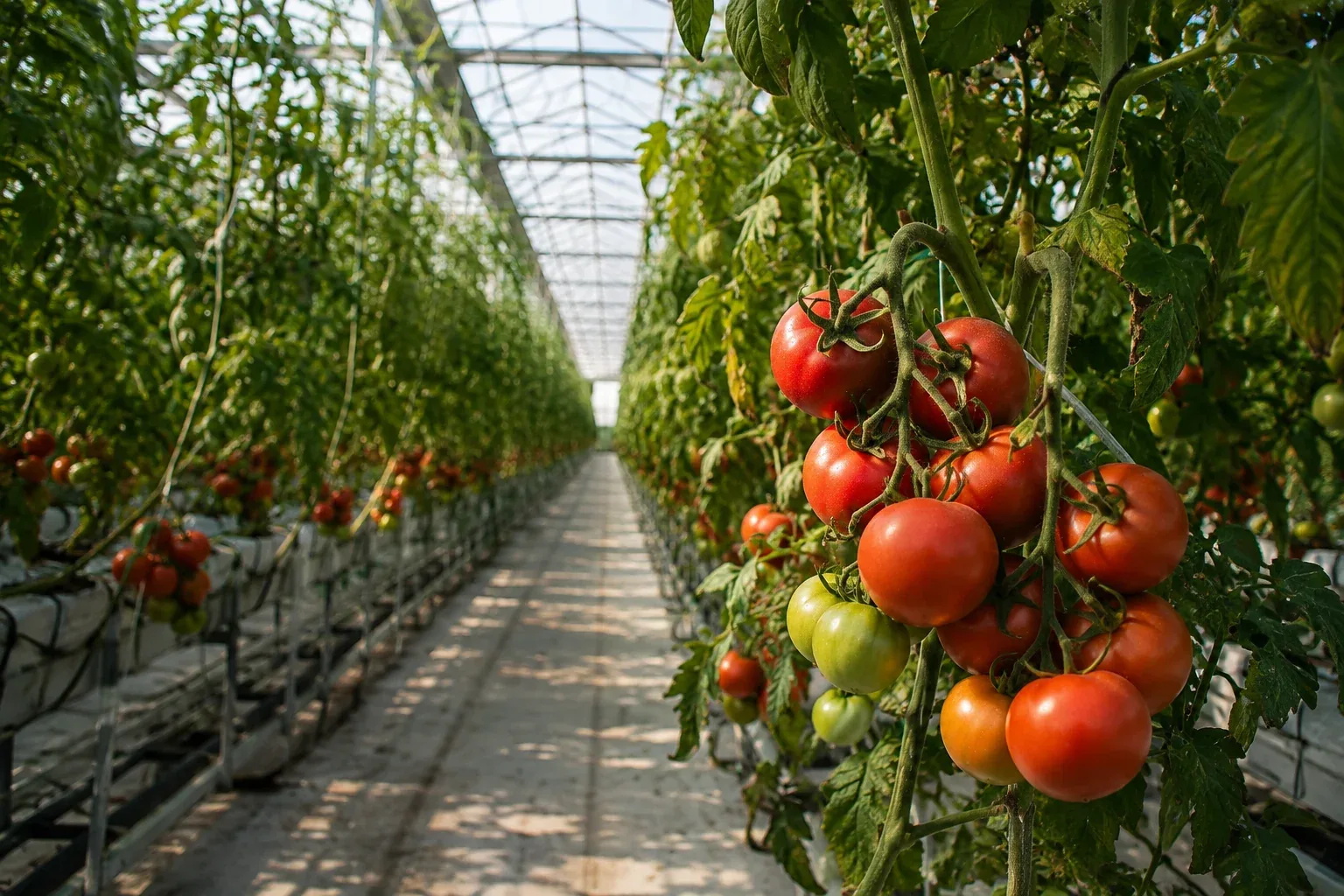
D747 · US LC label: damping-off and root/crown disease involving Pythium, Rhizoctonia, Fusarium and Phytophthora; label-listed control.

Soilborne & root diseases

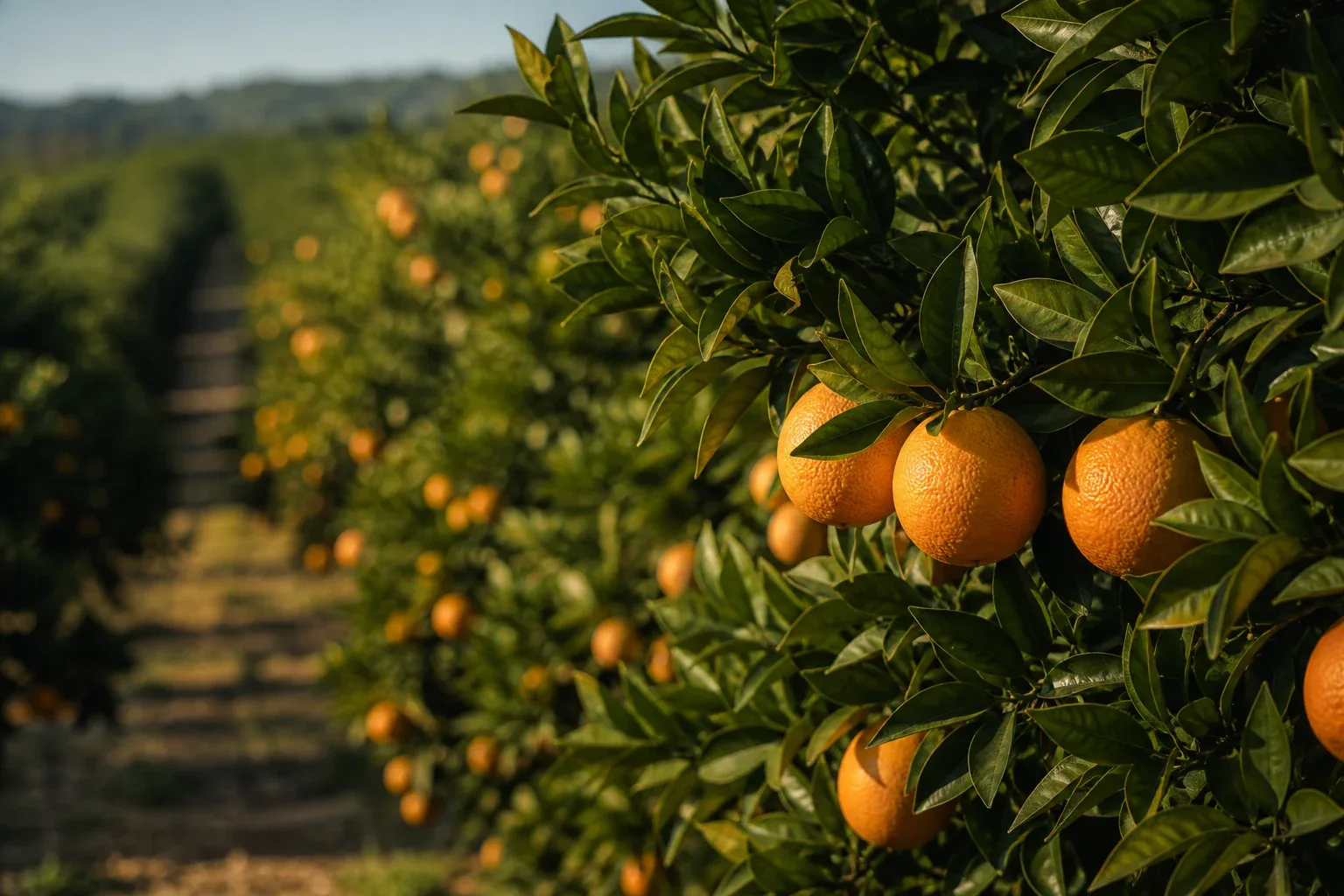
Citrus

D747 · US LC label: suppression of Phytophthora root and collar rot in citrus.

Powdery mildew

Grapes · Cucumber

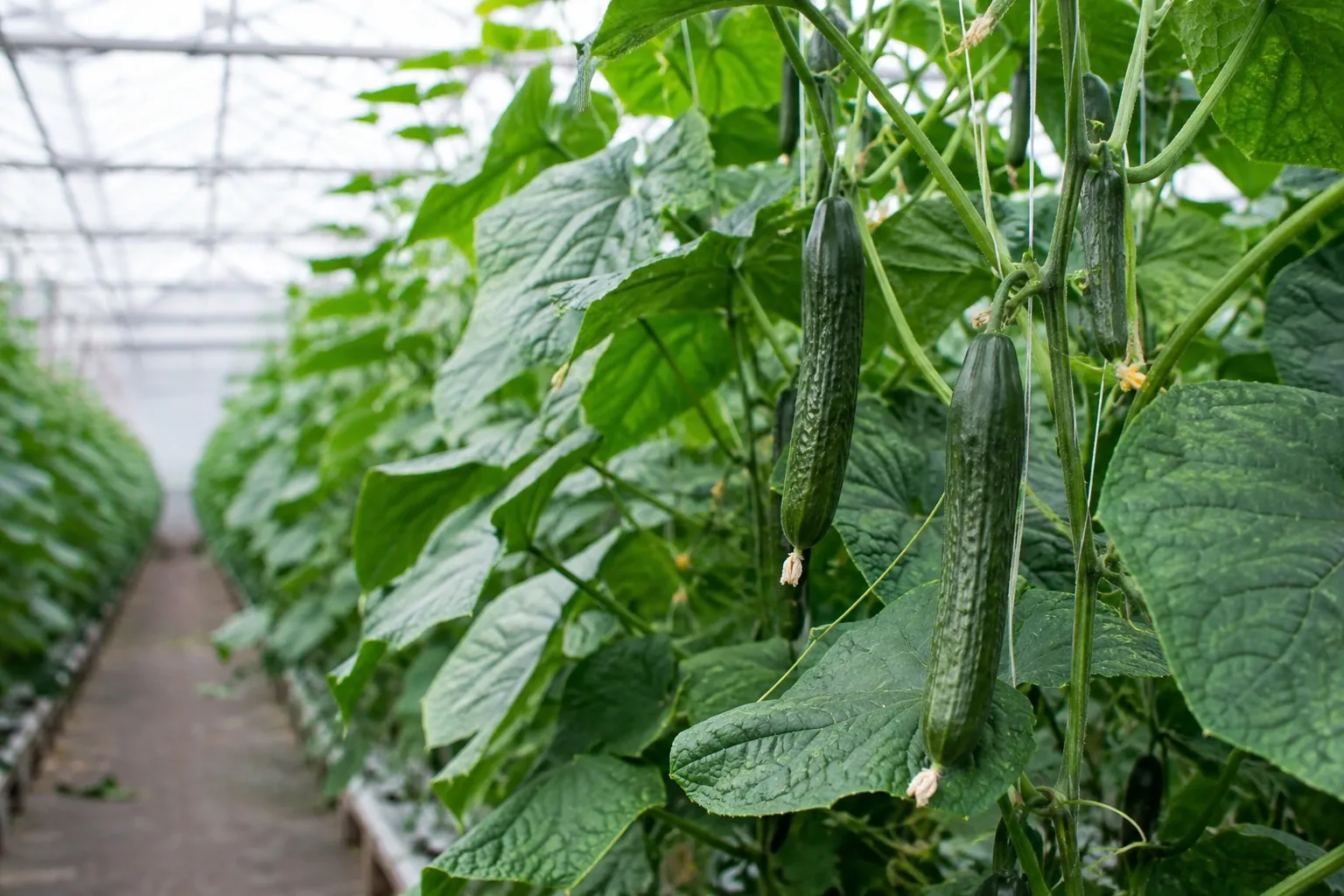
D747 · US LC label: powdery-mildew control on grape and cucumber crop groups.

Powdery mildew

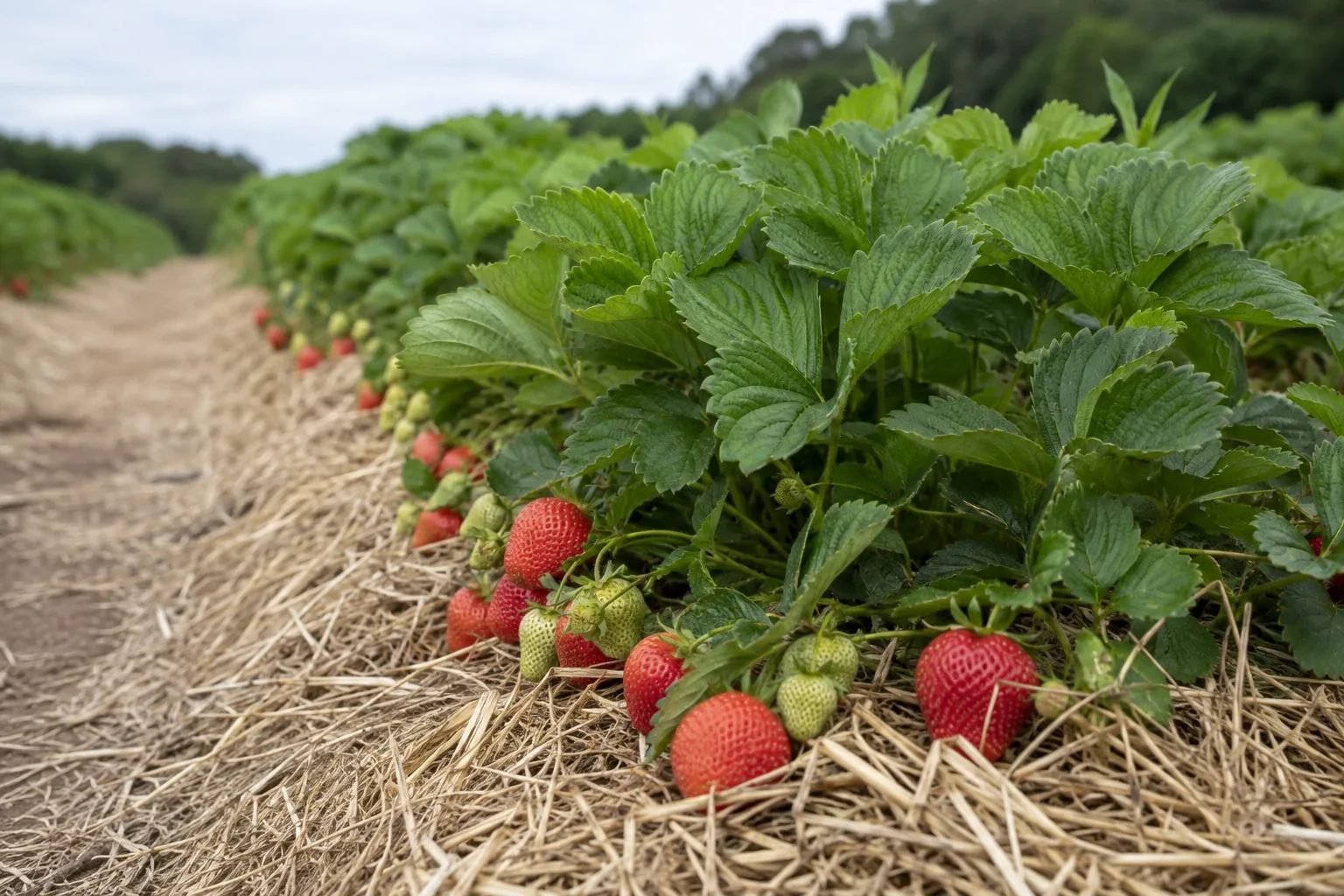
Tomato · Pepper · Strawberry

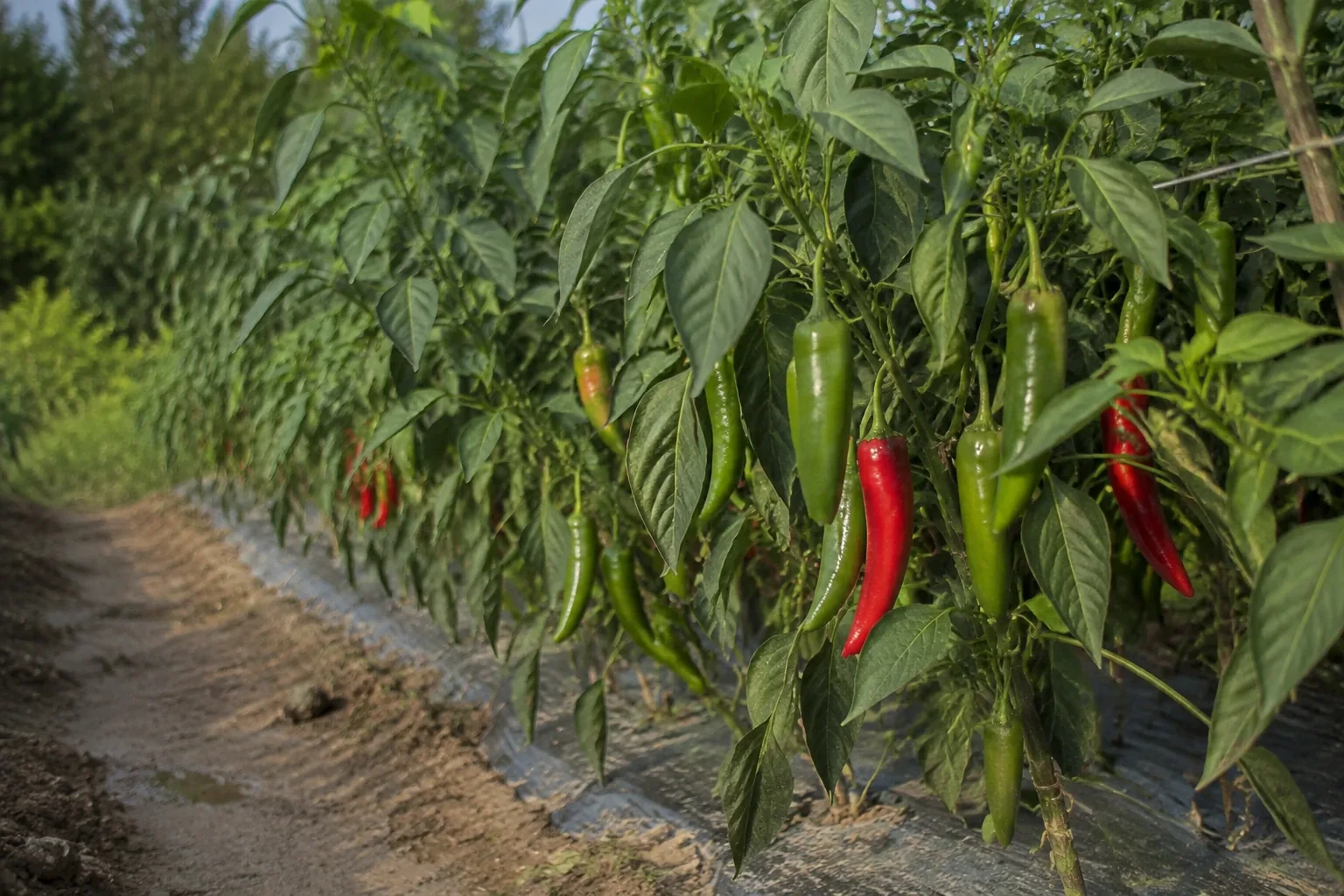
D747 · US LC label: powdery-mildew suppression for these crops.

Downy mildew

Grapes · Cucumber

D747 · US LC label: suppression only; grape and cucumber downy mildews have different pathogens.

Botrytis & grey mould

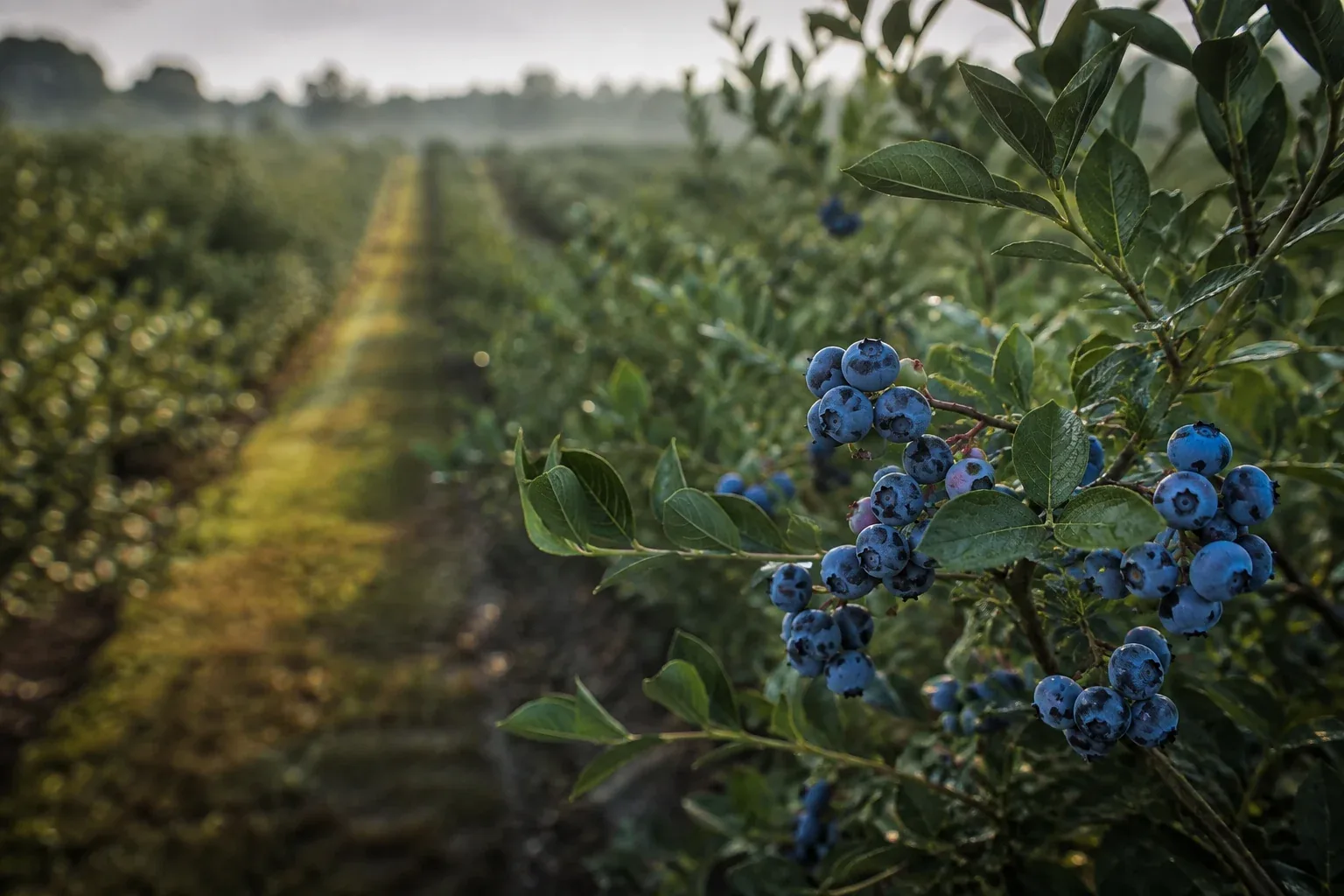
Grapes · Tomato · Pepper · Blueberry

D747 · US LC label: Botrytis control; the blueberry entry concerns highbush blueberry.

Sclerotinia diseases

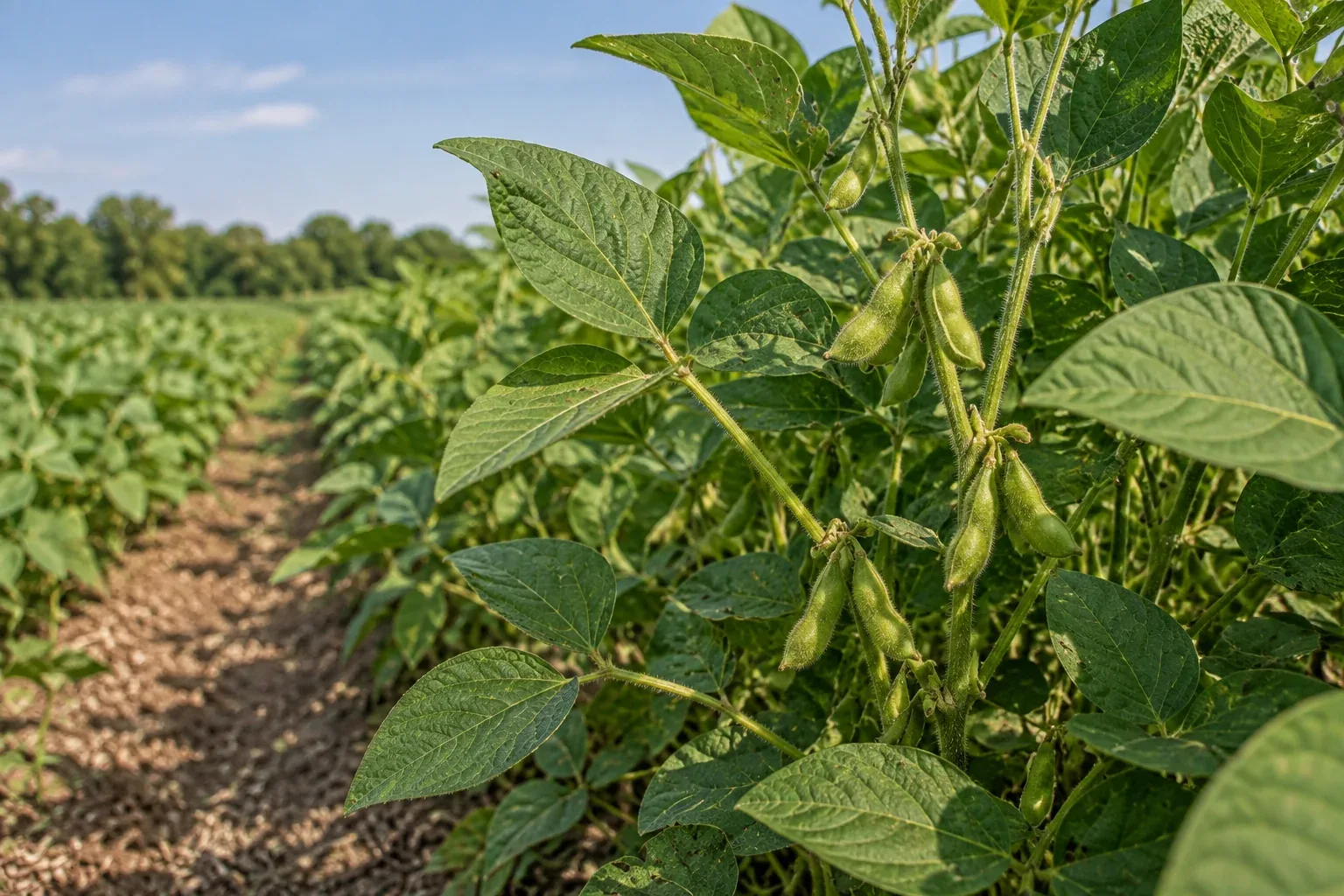
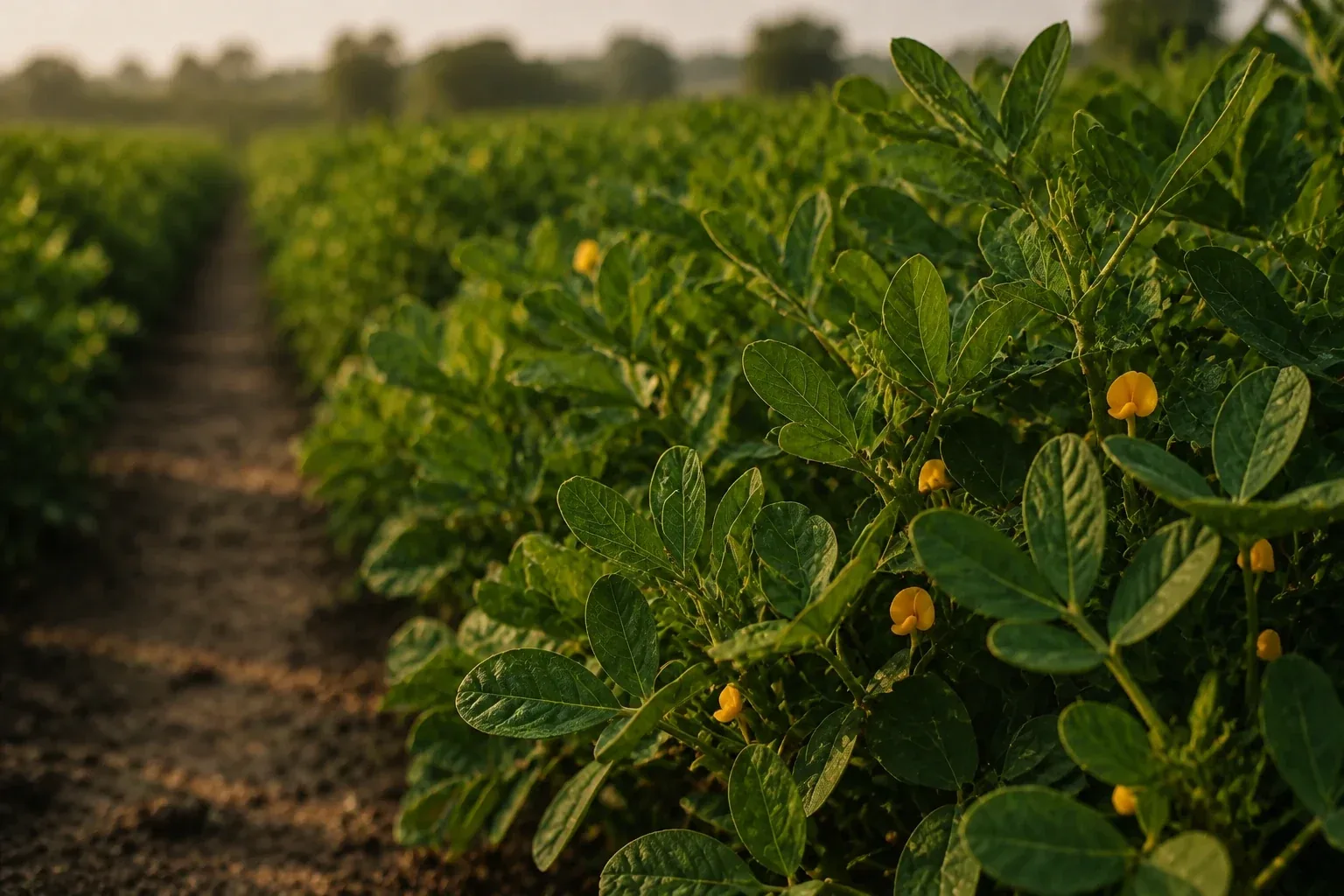
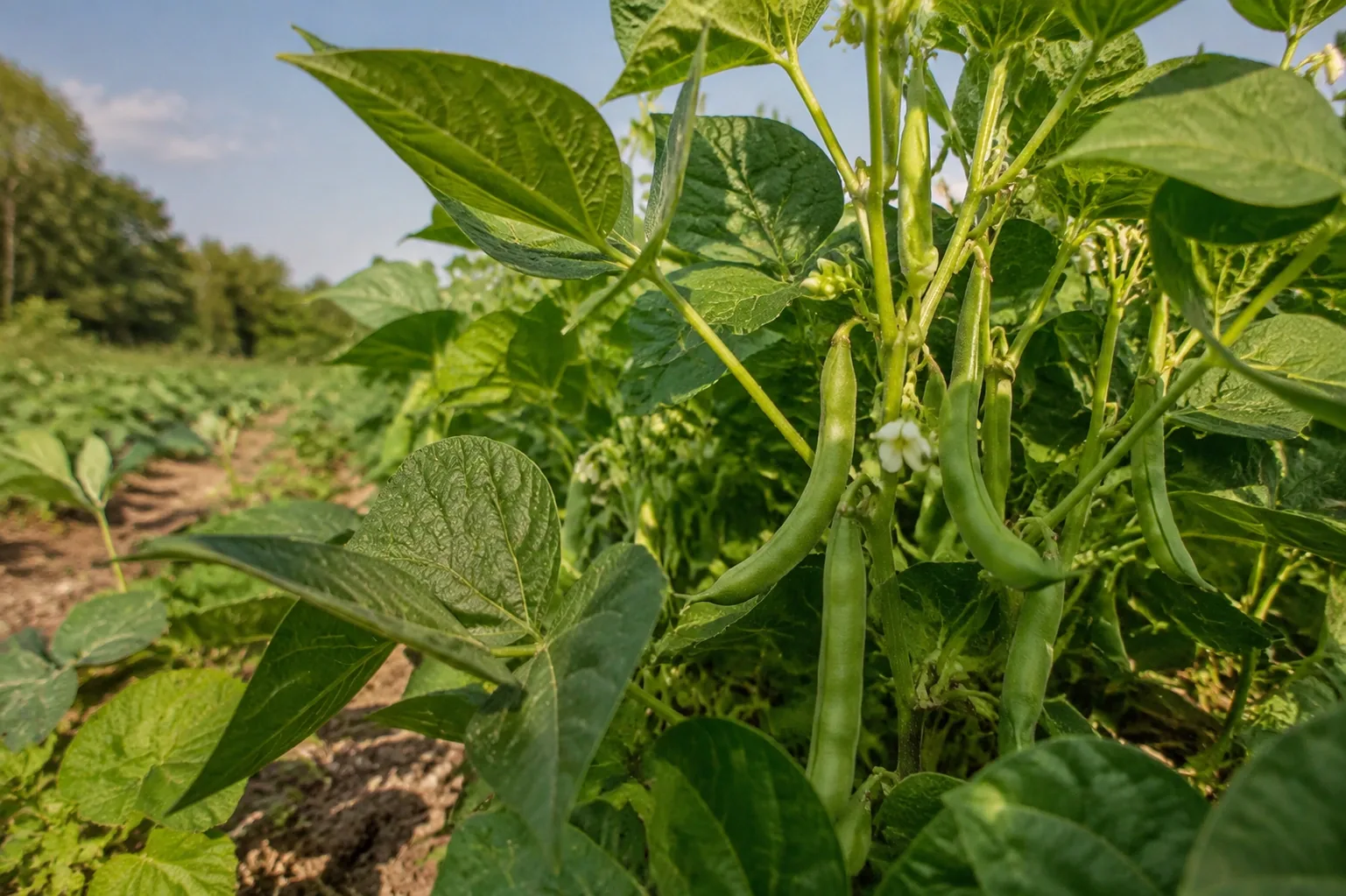
Lettuce · Soybean · Common bean · Cowpea · Pigeon pea · Mung bean · Black gram · Peanut

D747 · US LC label: S. sclerotiorum control. This is distinct from southern blight caused by Sclerotium rolfsii.

Soilborne & root diseases

Strawberry

D747 · US LC label: control of Rhizoctonia, Fusarium, Pythium and Phytophthora root/crown diseases within the low-growing berry group.

Botrytis & grey mould

Strawberry

D747 · US LC label: suppression of Botrytis grey mould in strawberry; distinct from the highbush-blueberry and grape control entries.

Soilborne & root diseases

Alfalfa

D747 · US LC label: Aphanomyces and Phytophthora root-disease uses in forage crops; excludes California. Genus-level scope does not establish activity against every pathogen race.

Spring black stem

Alfalfa

D747 · US LC label: Ascochyta medicaginicola; this use excludes California.

Select the product and application programme for the crop, growing conditions and applicable market label.

Quality & product characteristics

Strain identity and batch linkage

The technical record should identify D747 and connect it with the batch, formulation and supporting documents. A different Bacillus strain requires its own evidence, even when the species name is similar.

Viable count and specification basis

A liquid viable-count declaration needs a clear unit, analytical method and product-life reference. Compare release and shelf-life records on the same basis; a granule’s declaration cannot simply be transferred to a liquid.

Suspension consistency and stability

Suspension behaviour, redispersibility, pH and packaging integrity complement the biological specification. Storage and compatibility should be supported by records for the exact liquid formulation.

Product questions

Are control and suppression the same in the D747 records?

No. The cited records distinguish the level of effect by crop and disease. Some entries state control, while others state suppression or partial and variable efficacy; those distinctions remain with the corresponding use.

Does a shared D747 strain make liquid and WG formulations equivalent?

No. The liquid and water-dispersible-granule records refer to different finished formulations and market documents. Crop scope and supporting results remain tied to the formulation evaluated.

Technical documents & support

Product information & application support

Contact Huasheng for technical information and application support for your crop and market. Please include your growing region and product requirements.

Related products

HUASHENG BIO

Good products. Lasting partnerships.

Tell us about your crop, market or technology. Our product and technical teams will help shape the next step.

Contact Huasheng