Skip to content
Products

Biological crop protection

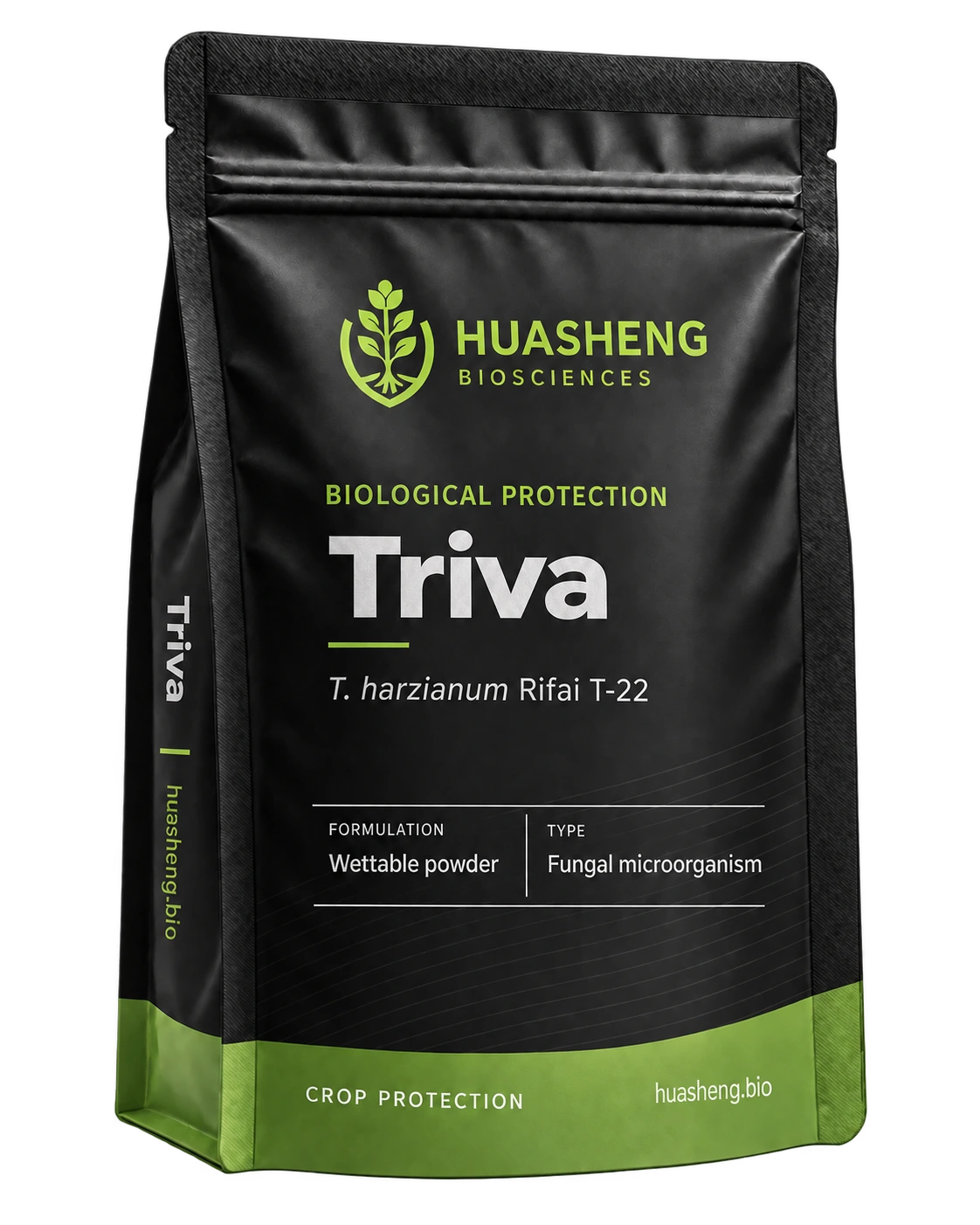
Triva™

Triva — Trichoderma biological protection

Trichoderma biological protection

Triva focuses on Trichoderma harzianum T-22 and the biological protection of developing roots. Its technical profile connects this defined fungal strain with published root-disease uses in vegetable, berry and other crop systems.

Principal components
T. harzianum Rifai T-22
Crops
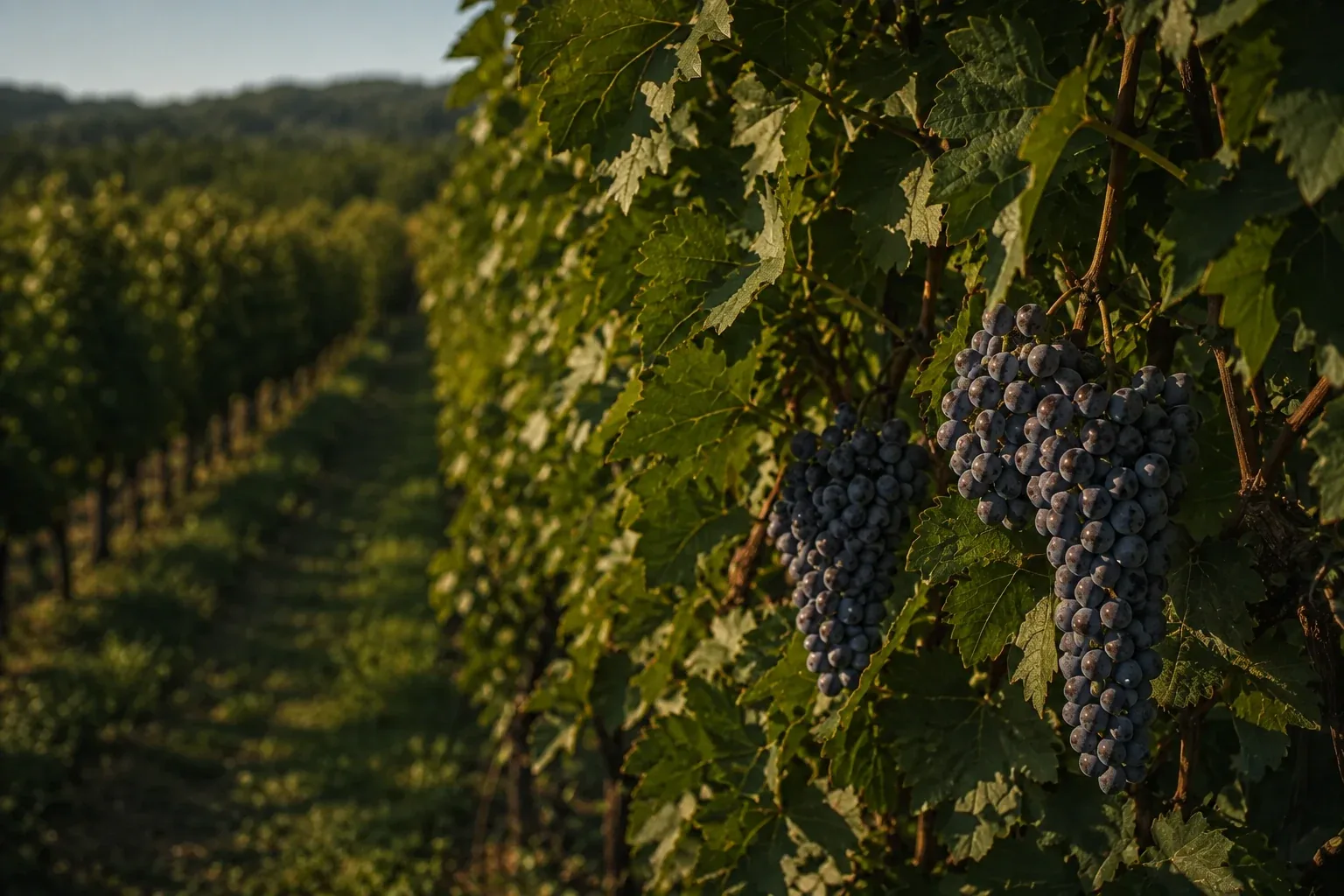
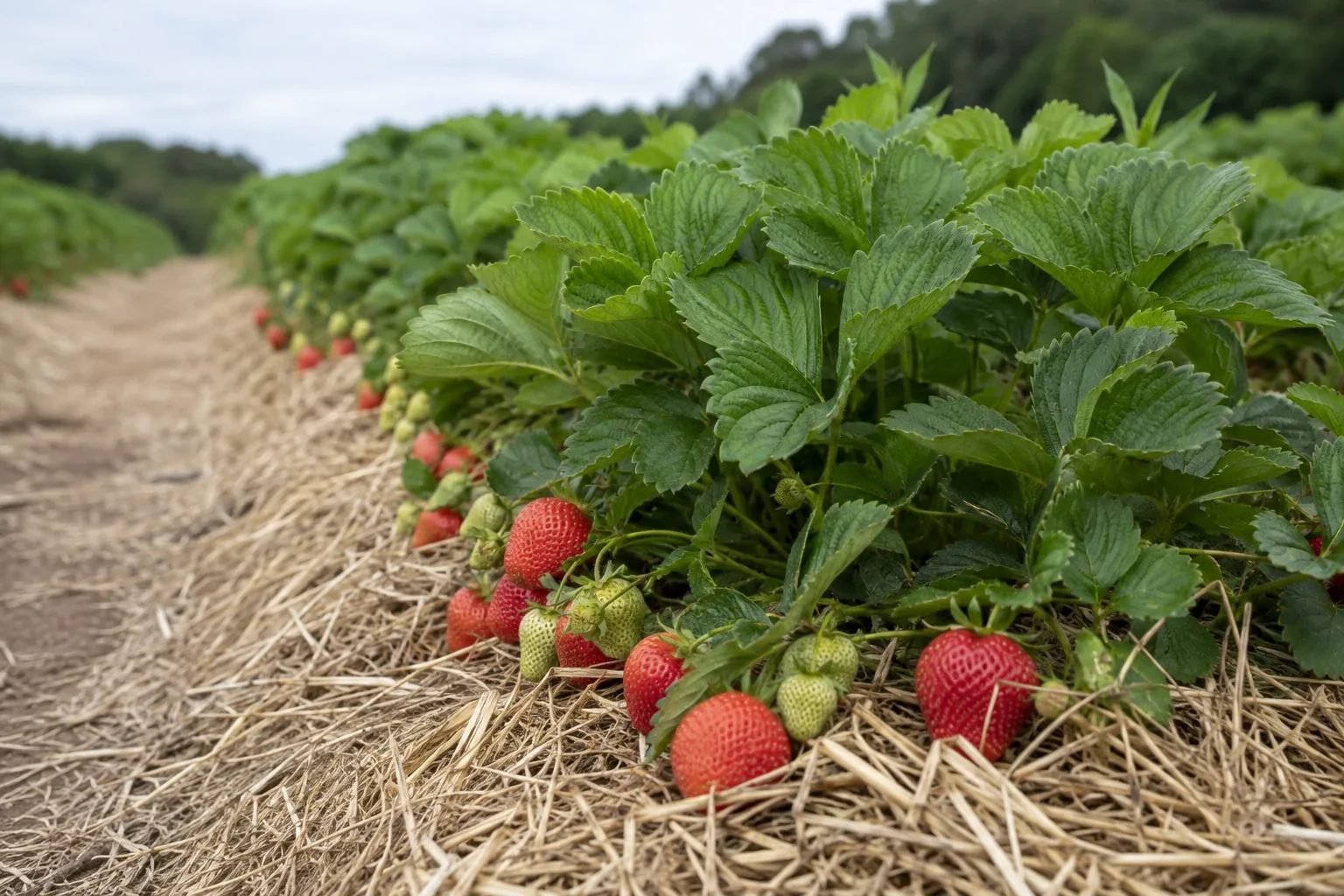
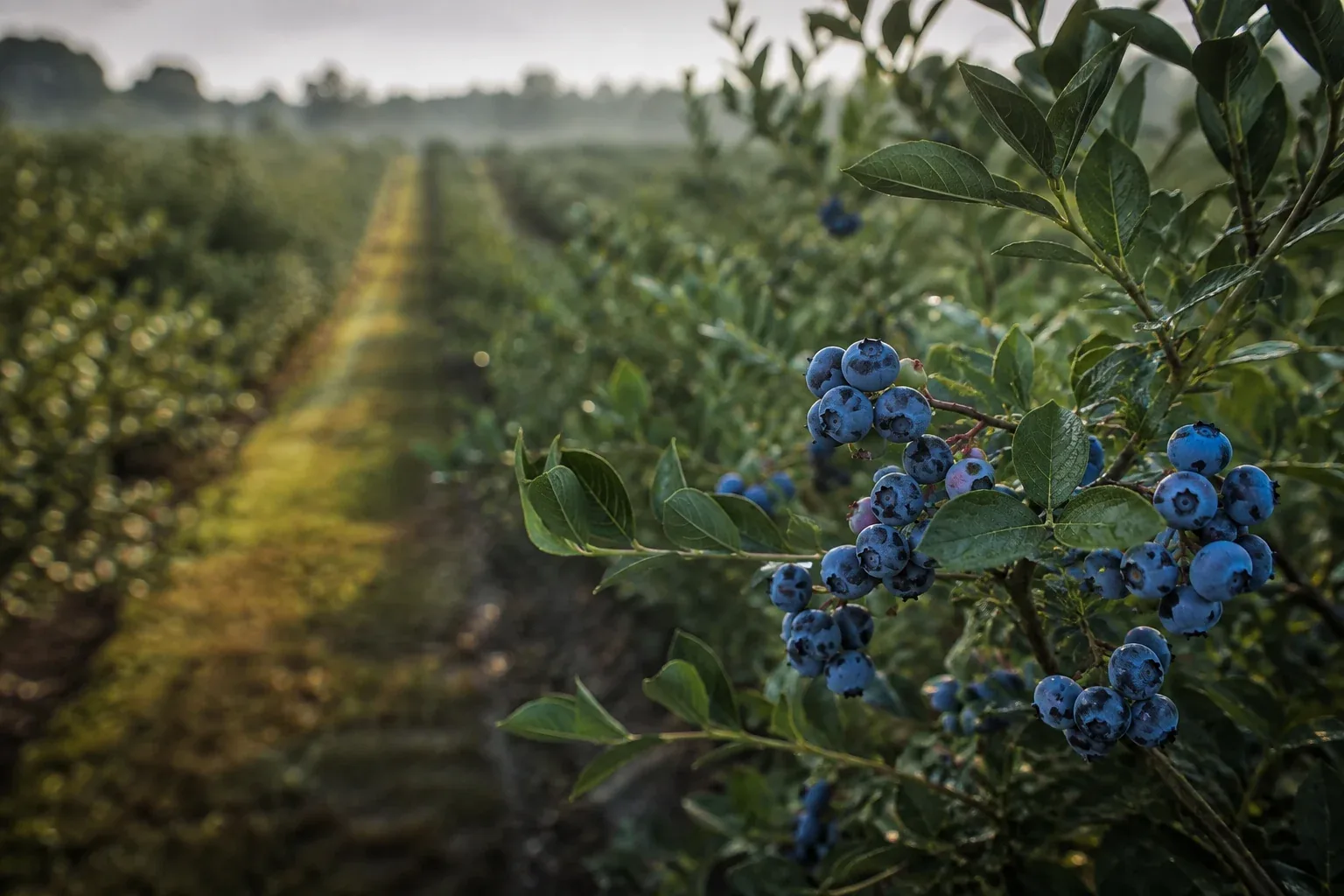
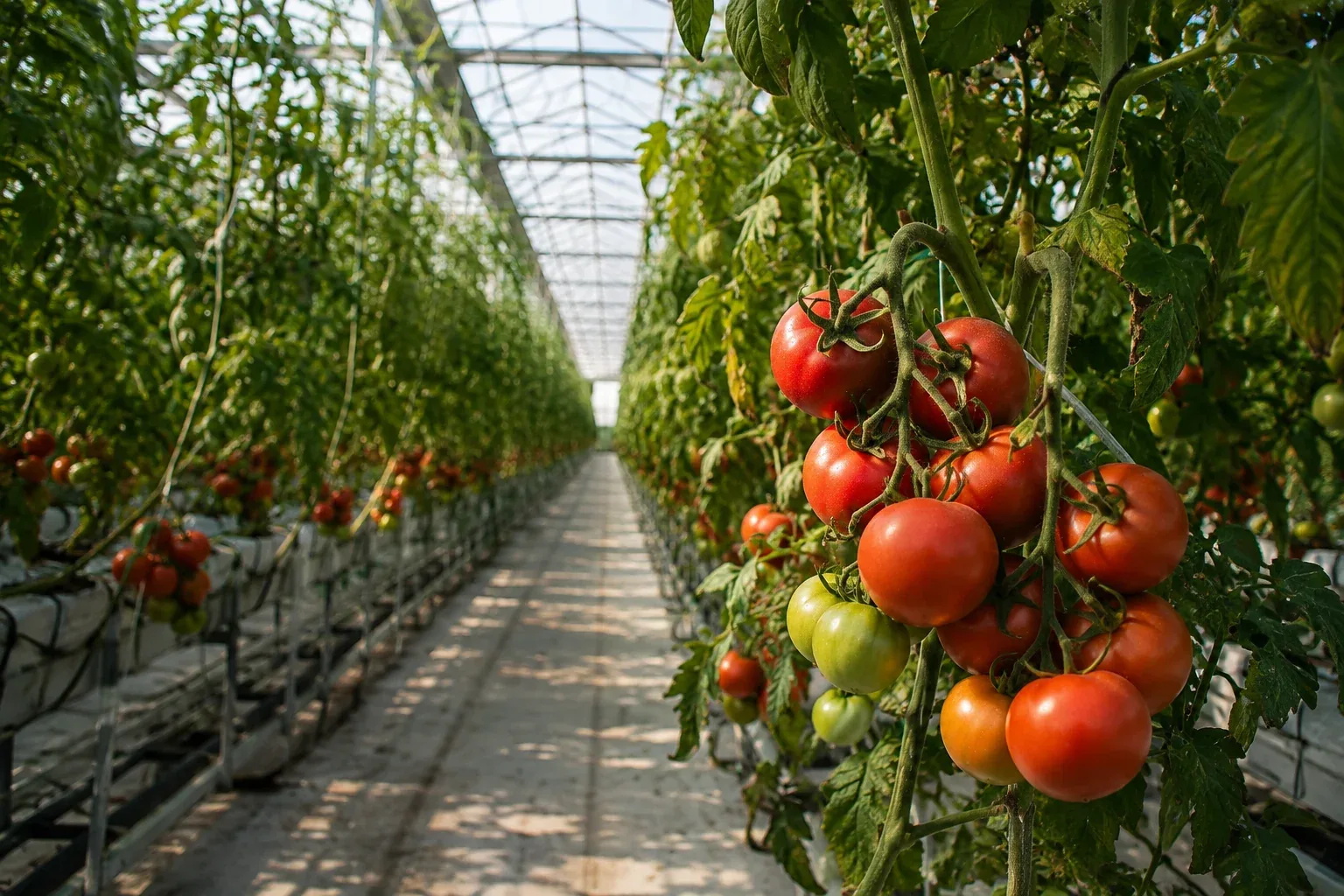
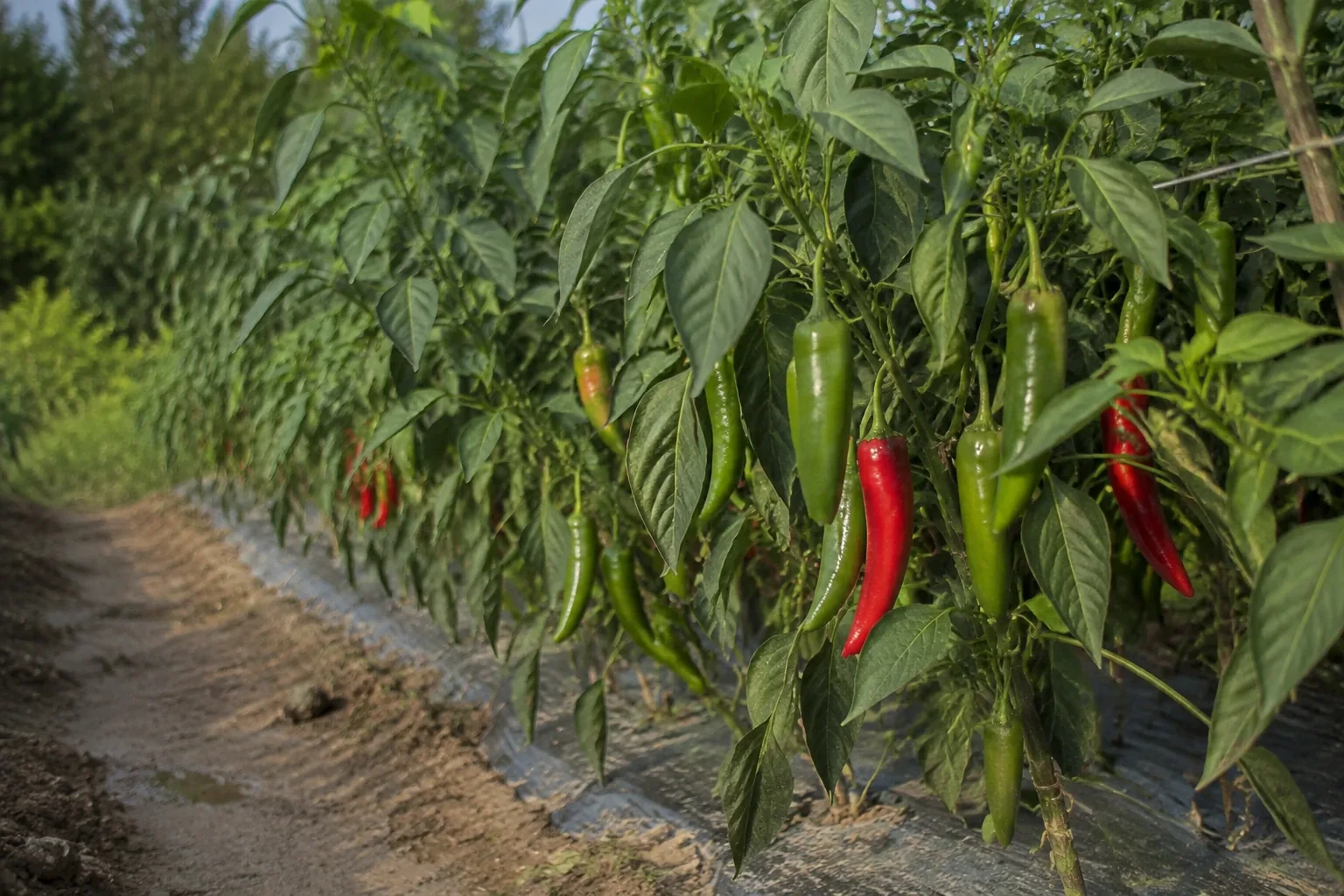
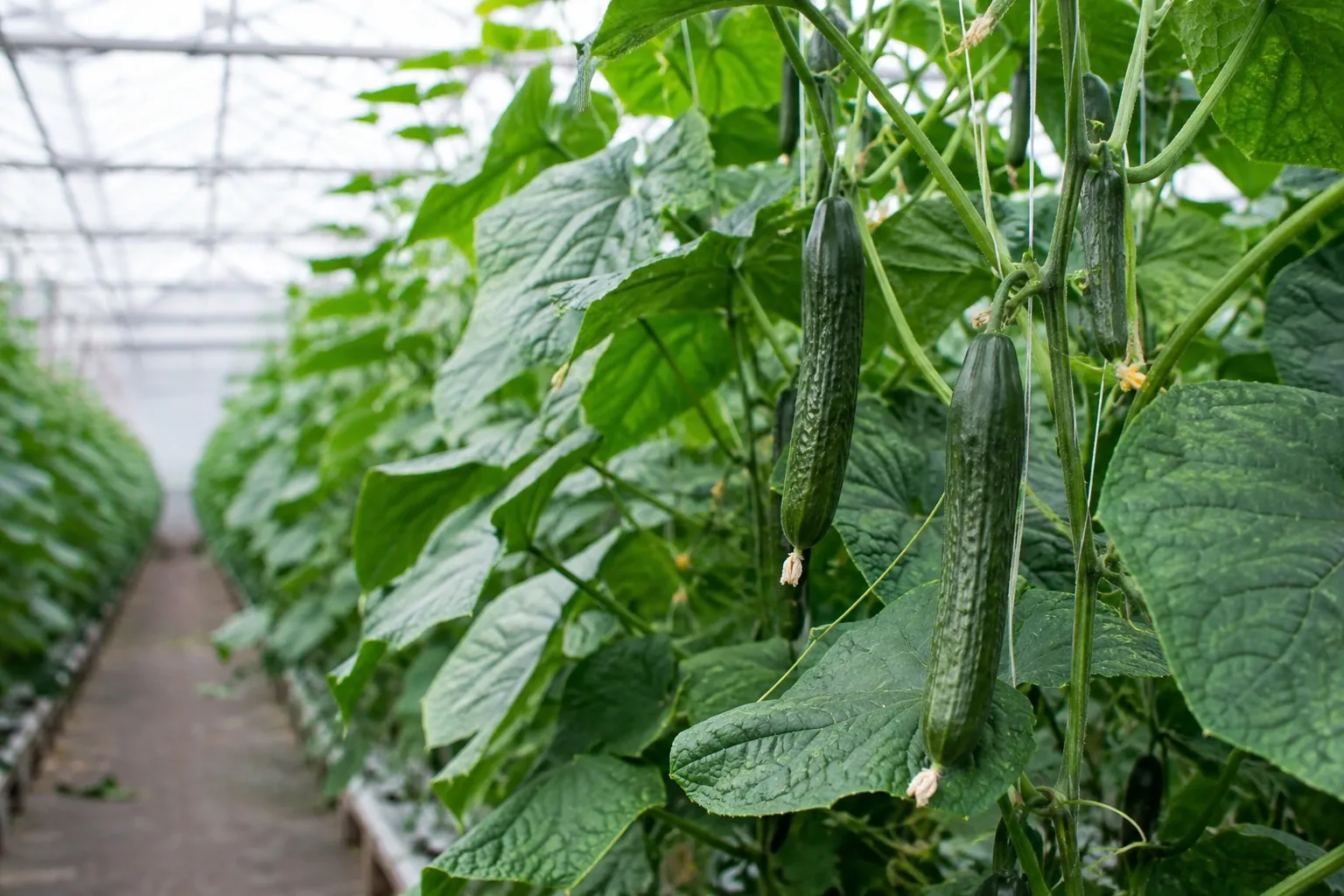
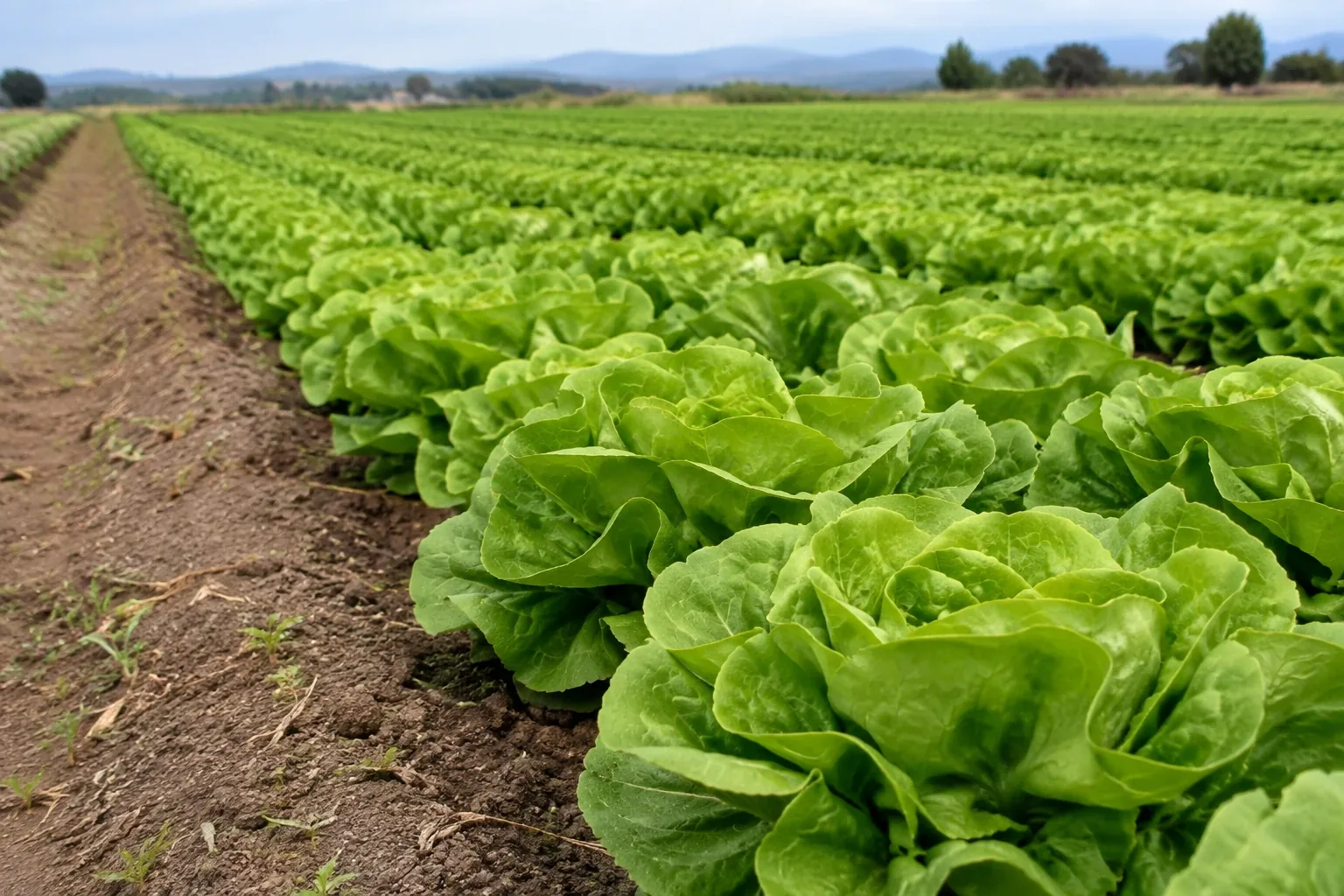
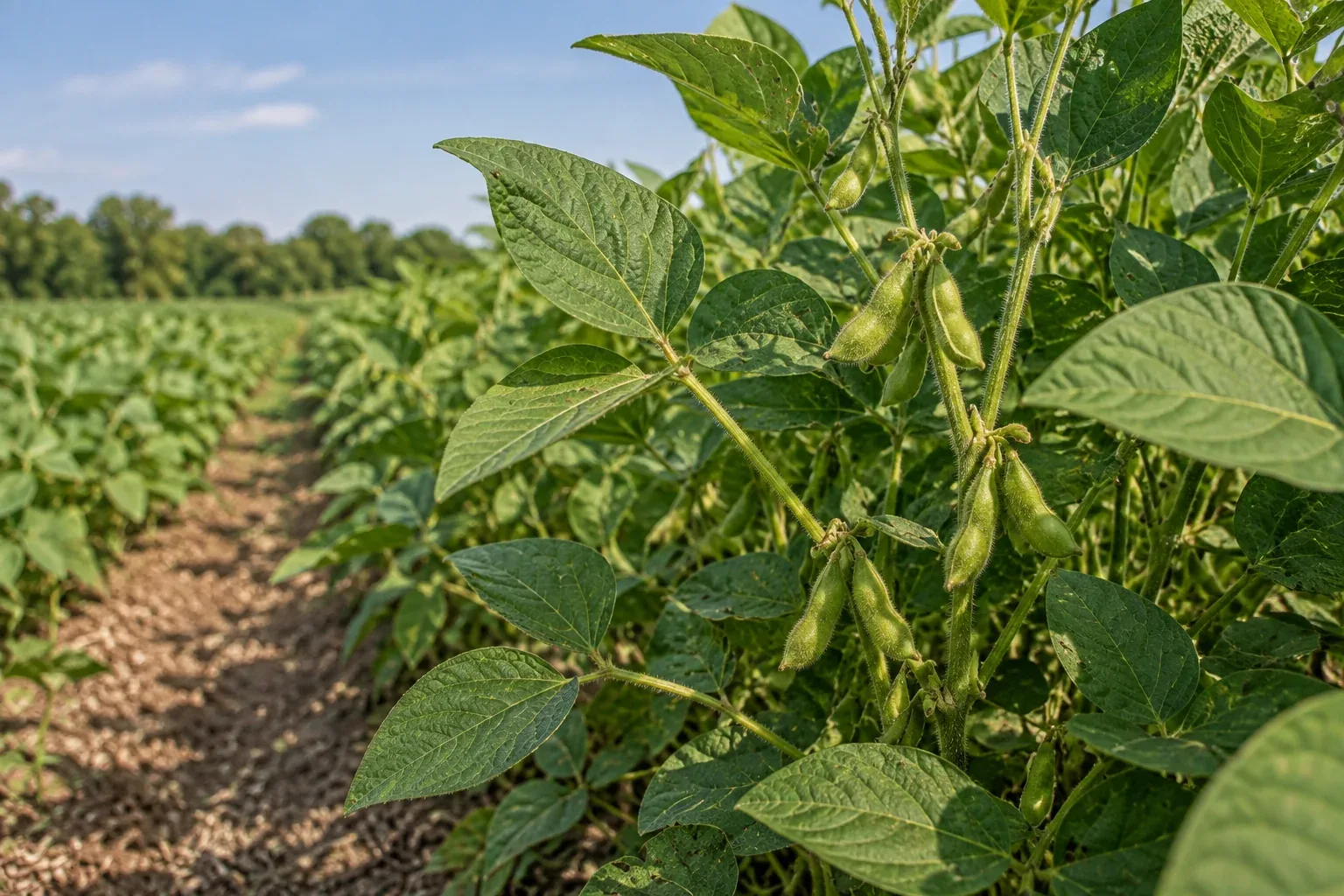
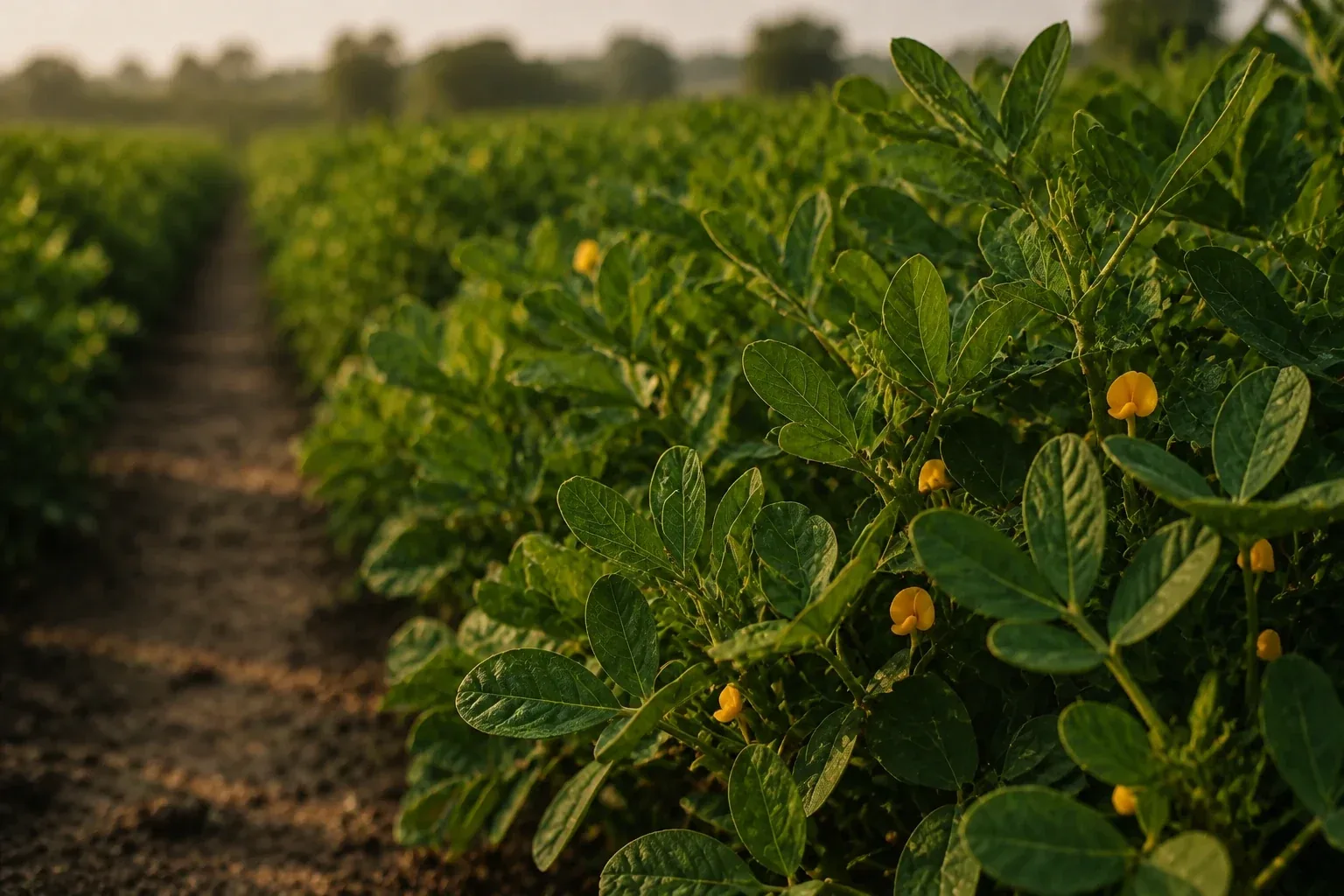
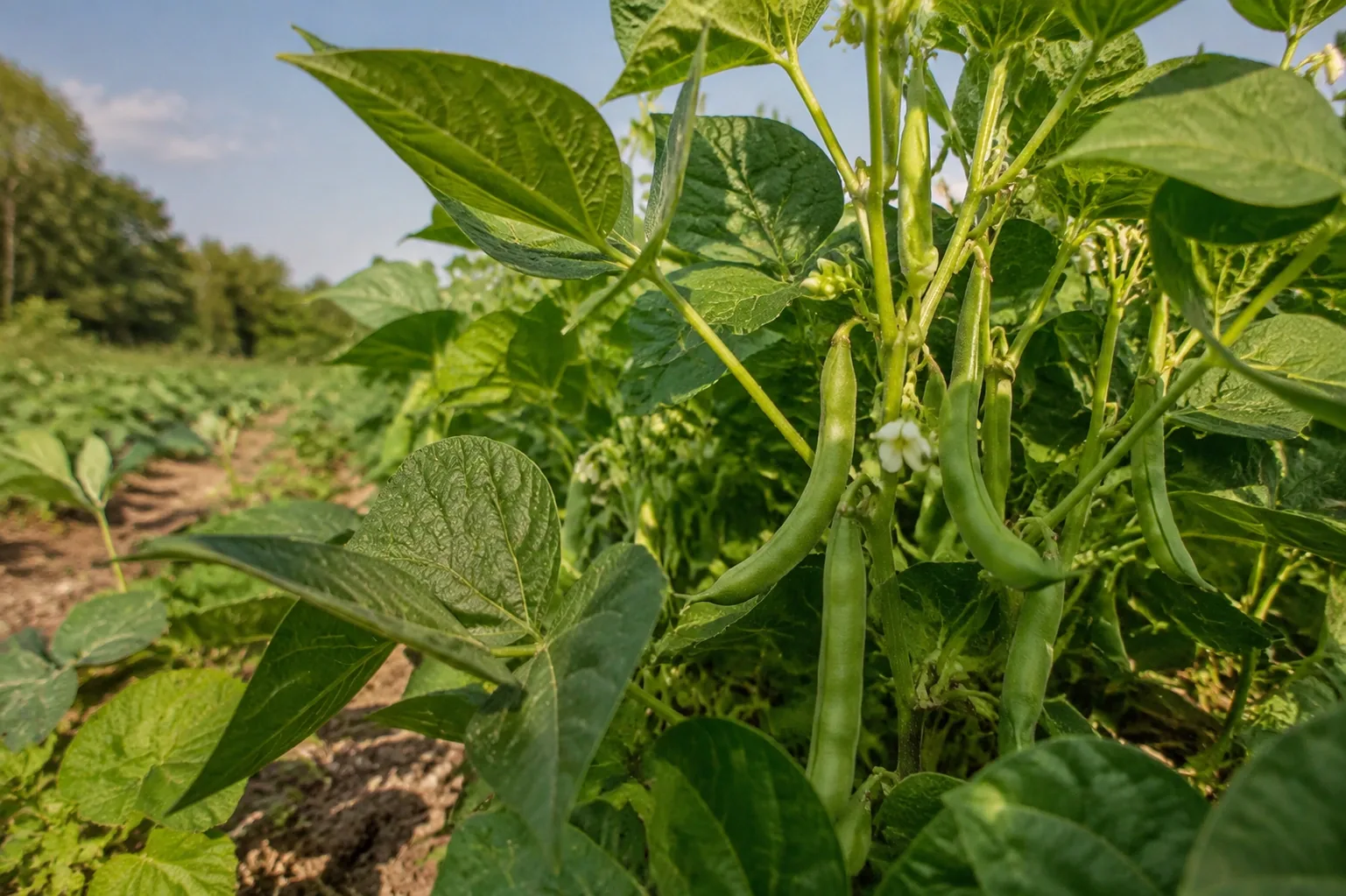
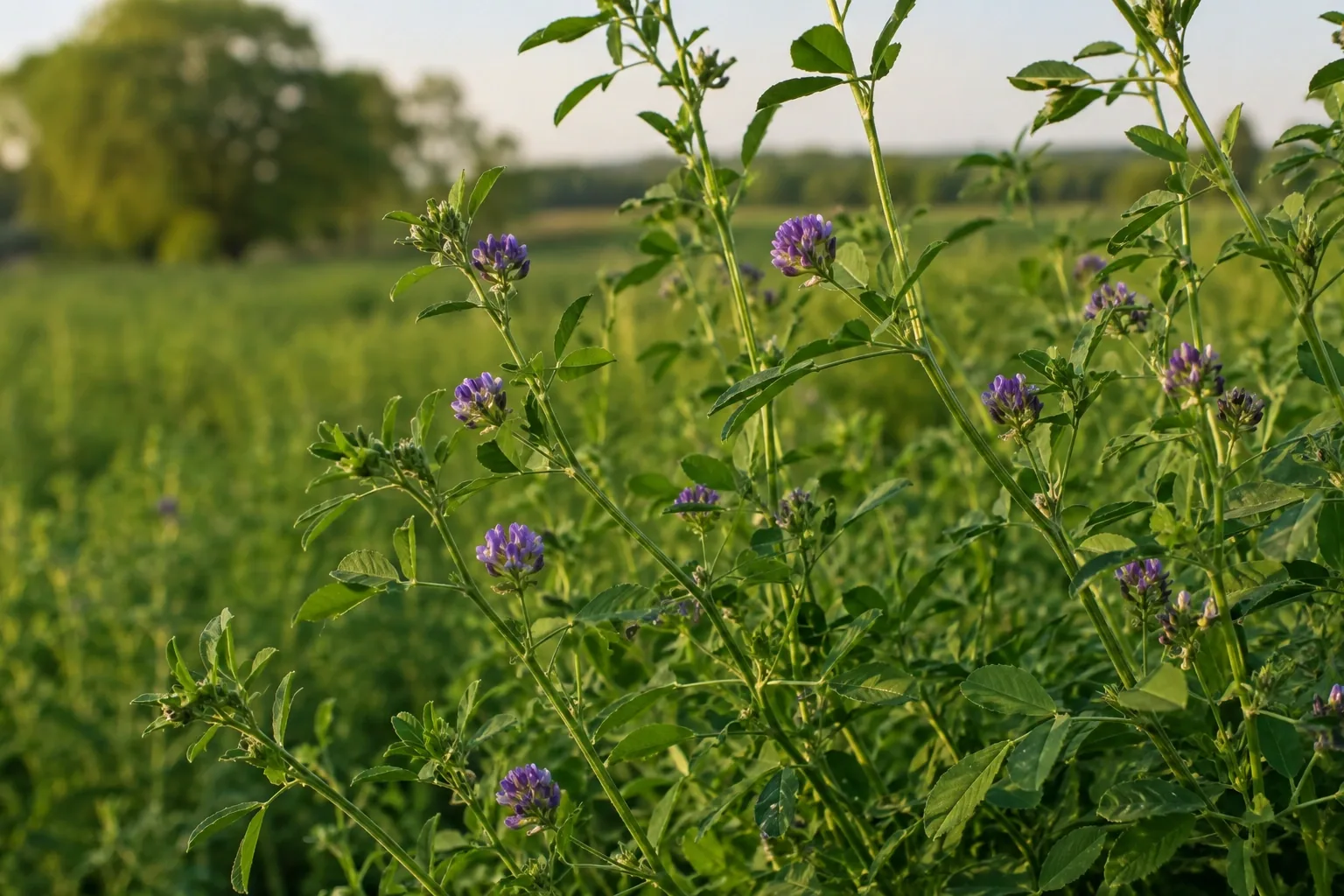
Tomato · Pepper · Cucumber · Lettuce · Strawberry · Blueberry · Grapes · Soybean · Common bean · Peanut · Alfalfa

Contact our team for regional product availability.

Root-zone health

Protection around growing roots

The cited T-22 labels describe association with roots as they develop. This places the strain within a preventive root-zone strategy, where root growth and the condition of the surrounding soil or substrate are considered together.

Competition in the root environment

The Italian label describes competition with soilborne pathogens for space and nutrients. This explains a biological protective role at the root interface, with performance depending on the particular formulation and growing environment.

Defined root-pathogen scope

The United States single-strain powder label includes root pathogens in Pythium, Rhizoctonia and Fusarium. The Italian granular label also names Sclerotinia. These are market-specific label scopes, and a pathogen genus does not establish activity against every species or specialised form.

Composition & material characteristics

Trichoderma harzianum T-22

The biological identity is Trichoderma harzianum Rifai strain T-22, also identified as KRL-AG2 in the cited labels. The strain designation connects the organism to its supporting documents; the species name alone does not define the same disease spectrum.

Living fungal component

T-22 biological fungicides contain living fungal spores. Biological activity is therefore described through organism identity and viable activity, together with the physical properties of the formulation.

Powder and carrier

The wettable-powder format combines the biological component with formulation materials that support wetting and dispersion. Carrier composition and biological content are separate specification fields. Water-dispersible granules have their own formulation records.

Biological targets & documented applications

Public technical records describe the biological identity, target and application context. Each record retains its own strain, formulation and market scope.

Public label evidence — United States, T-22 as a single-strain wettable powder.

DOCUMENTED APPLICATION

The crop list includes tomato and cucumber; the root-pathogen scope includes Pythium, Rhizoctonia and Fusarium. The label describes preventive biological protection.

TECHNICAL SCOPE

This is a finished-formulation label, not a crop-by-crop efficacy experiment. Genus-level root claims do not demonstrate control of every Fusarium wilt pathogen, and this single-strain reference does not list Phytophthora.

T-22 — United States biological fungicide label

Public label evidence — Italy, T-22 water-dispersible granules, registration 14061.

DOCUMENTED APPLICATION

The label lists vegetable and berry crops including lettuce, tomato, cucumber, strawberry and blueberry, and describes protection against root-zone pathogens including Sclerotinia.

TECHNICAL SCOPE

This provides an Italian WG reference for discussing lettuce Sclerotinia. It does not extend another powder formulation’s registration or establish a disease-control result for a Huasheng product.

T-22 — Italy, registration 14061, WG label

Crop applications

Crop-specific biological protection connects the identified disease with the relevant strain, formulation and growing system. The following records outline those application contexts.

Soilborne & root diseases

Tomato · Pepper · Cucumber · Lettuce · Strawberry · Blueberry · Grapes · Soybean · Common bean · Peanut · Alfalfa

T-22 · US WP label: preventive root protection against Pythium, Rhizoctonia and Fusarium. Genus-level records do not establish control of every wilt disease.

Select the product and application programme for the crop, growing conditions and applicable market label.

Quality & product characteristics

Strain and document traceability

A technical specification should connect the T-22 or KRL-AG2 identity with the batch record and supporting formulation documents. Single-strain material and multi-strain formulations require separate identification.

Viable activity and product life

Read the declared viable activity with its analytical method, unit and point in product life. A release result and an end-of-shelf-life specification describe different conditions and should remain identifiable in the technical record.

Physical formulation quality

Wetting, dispersion, suspension behaviour and packaging condition complement biological quality. Storage and compatibility information should correspond to the exact powder formulation and its documented shelf life.

Product questions

Does the T-22 root-disease scope include every root pathogen?

No. The cited single-strain T-22 records address named root-disease uses. They do not establish Phytophthora control, and a genus-level Fusarium root claim does not establish control of a specific vascular-wilt pathogen.

Can T-22 results be transferred to a different Trichoderma mixture?

Strain and formulation identity matter. A single-strain T-22 record describes that biological material and use context; a mixture containing other organisms requires its own supporting evidence.

Technical documents & support

Product information & application support

Contact Huasheng for technical information and application support for your crop and market. Please include your growing region and product requirements.

Related products

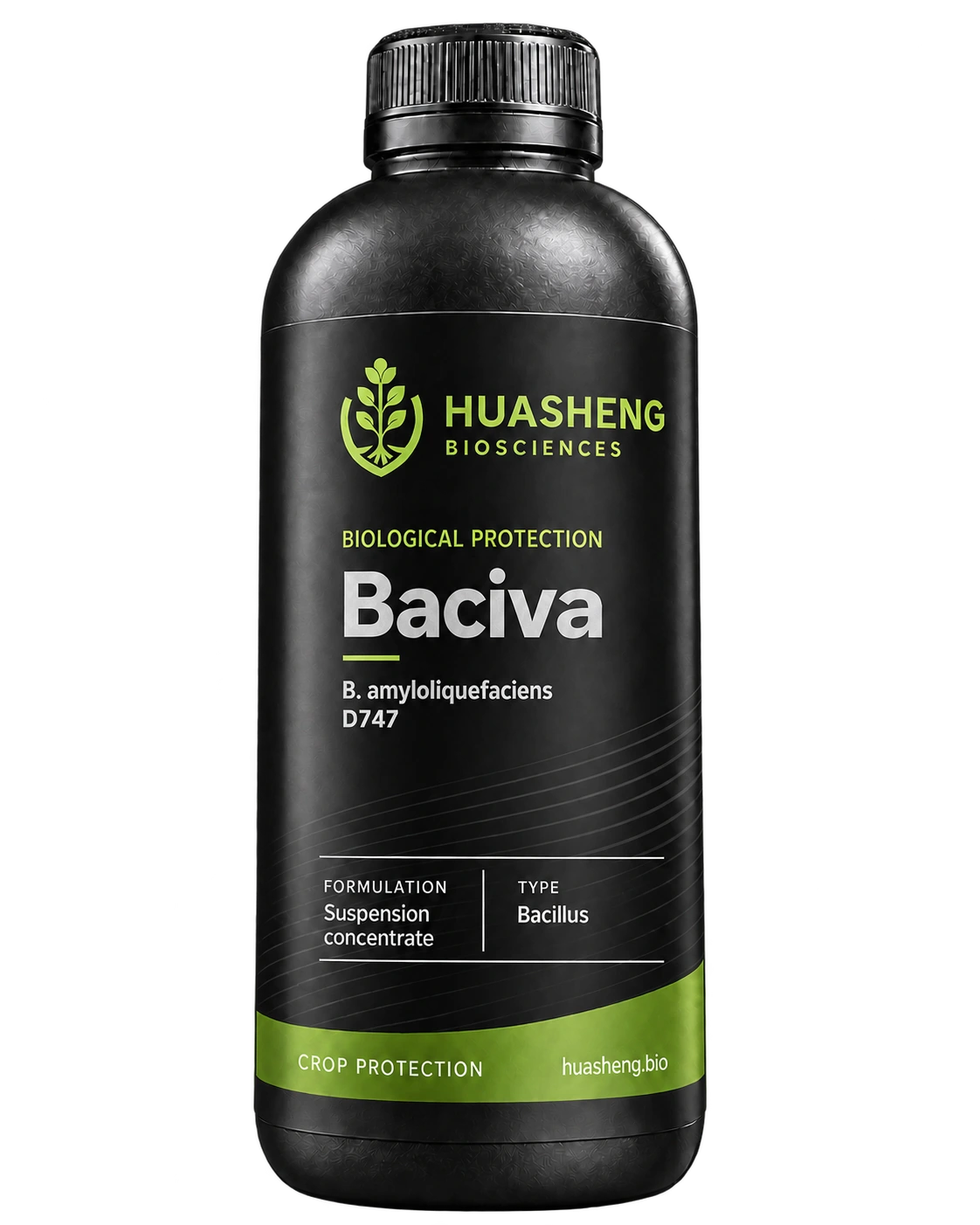
Baciva — Bacillus biological protection

Baciva

Bacillus biological protection

Integrated crop-health management

Components
B. amyloliquefaciens D747
Crops
Tomato · Pepper · Cucumber · Lettuce · Soybean · Common bean · Cowpea · Pigeon pea · Mung bean · Black gram · Peanut · Citrus · Grapes · Strawberry · Blueberry · Alfalfa

HUASHENG BIO

Good products. Lasting partnerships.

Tell us about your crop, market or technology. Our product and technical teams will help shape the next step.

Contact Huasheng