Skip to content
Products

Biological & supporting nutrition

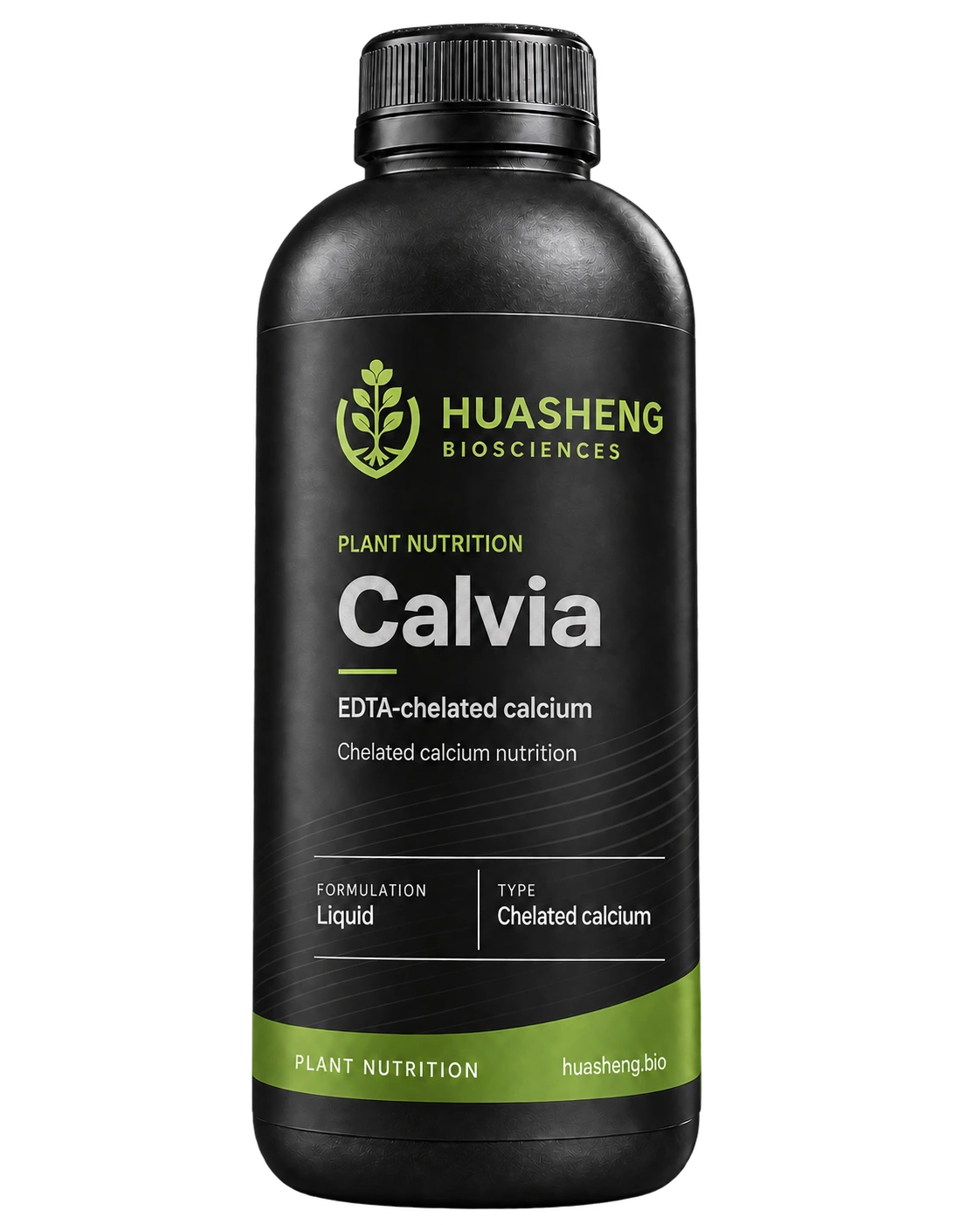
Calvia™

Calvia — Chelated calcium nutrition

Chelated calcium nutrition

Calvia focuses on liquid calcium chelated with EDTA as a supporting mineral-nutrition tool. The named ligand distinguishes it from calcium nitrate, calcium chloride and unspecified organic complexes. Its role is a defined calcium supplement, considered alongside root uptake, water movement and the competing nutrient balance rather than as a complete biological fertiliser.

Principal components
EDTA-chelated calcium
Crops
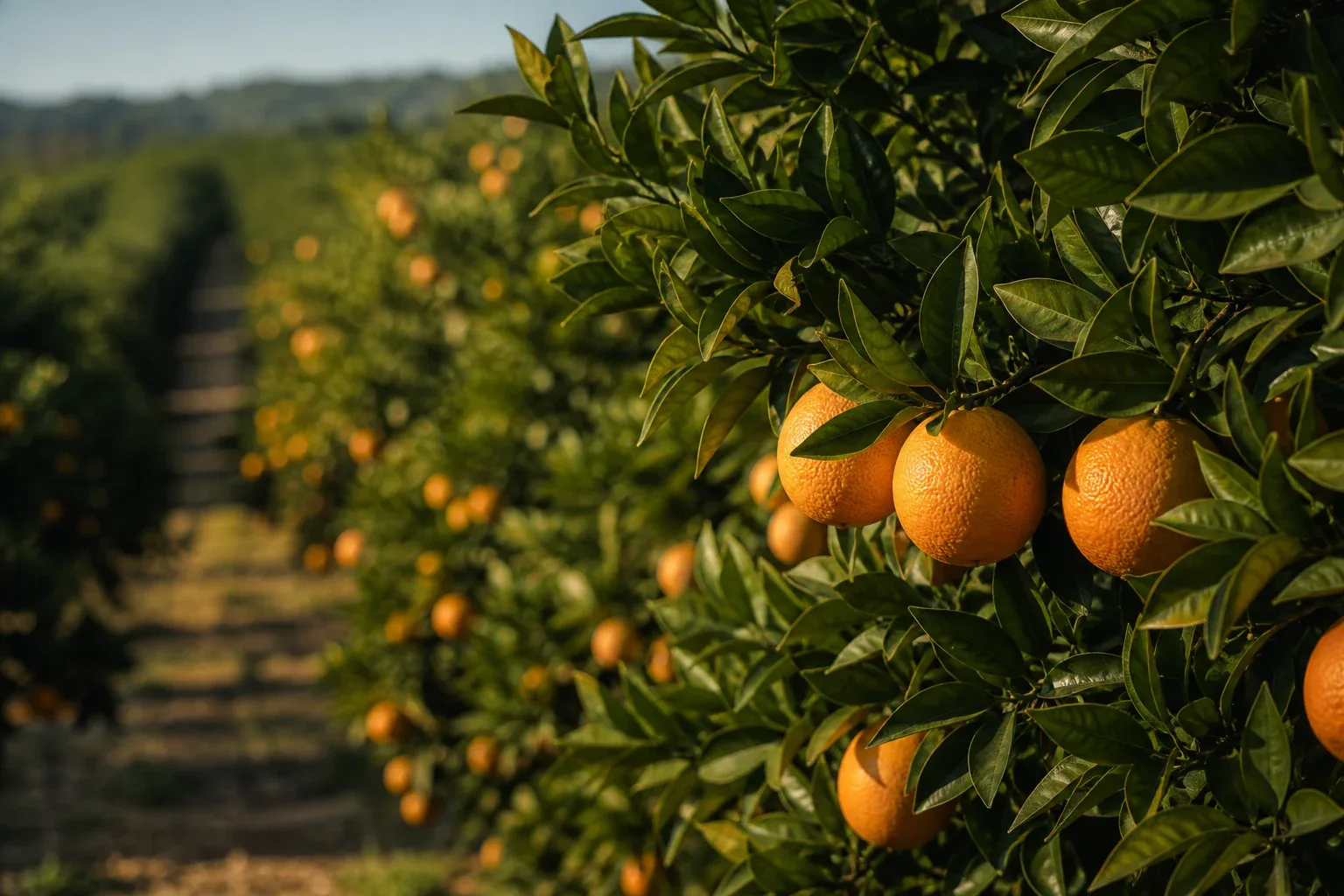
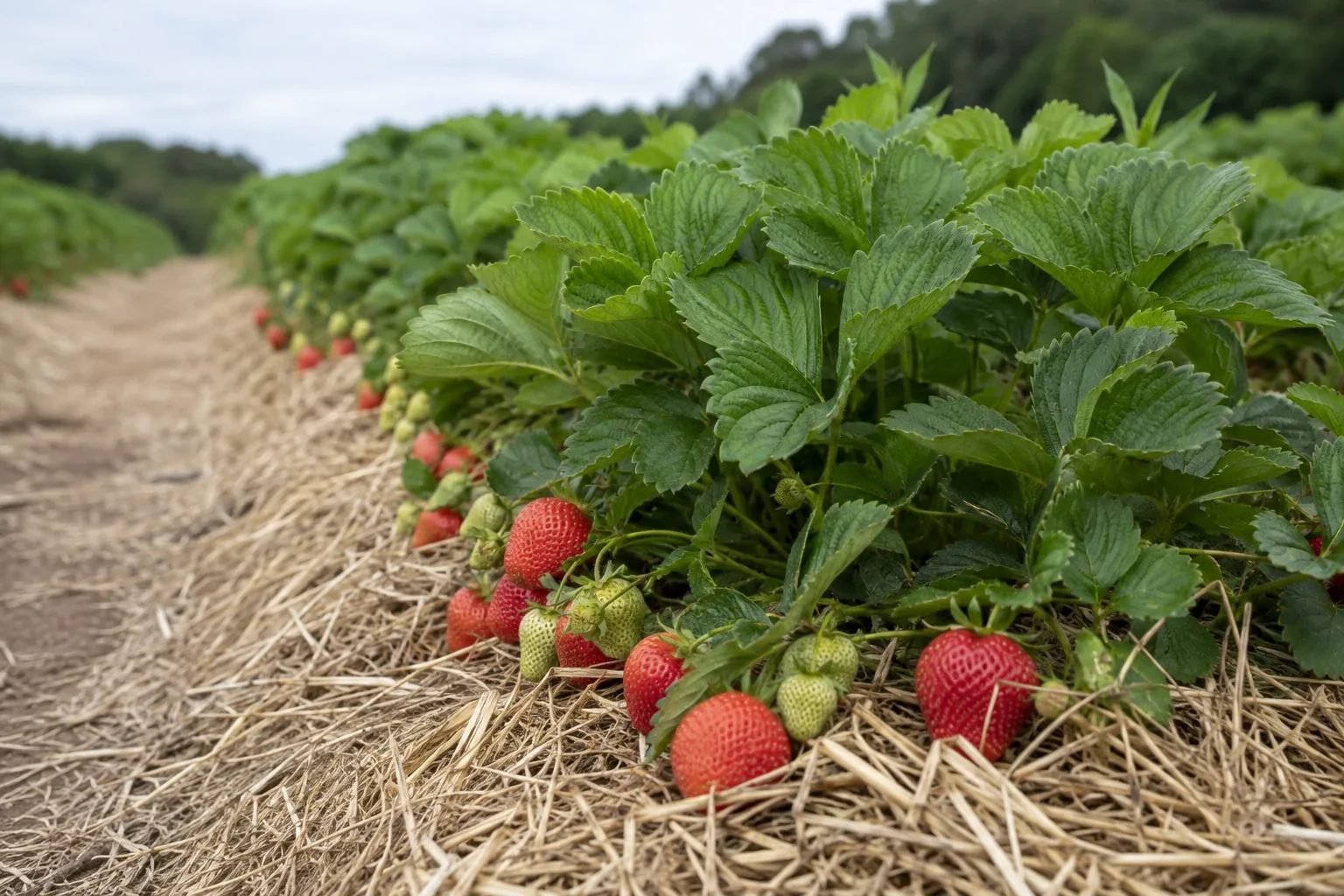
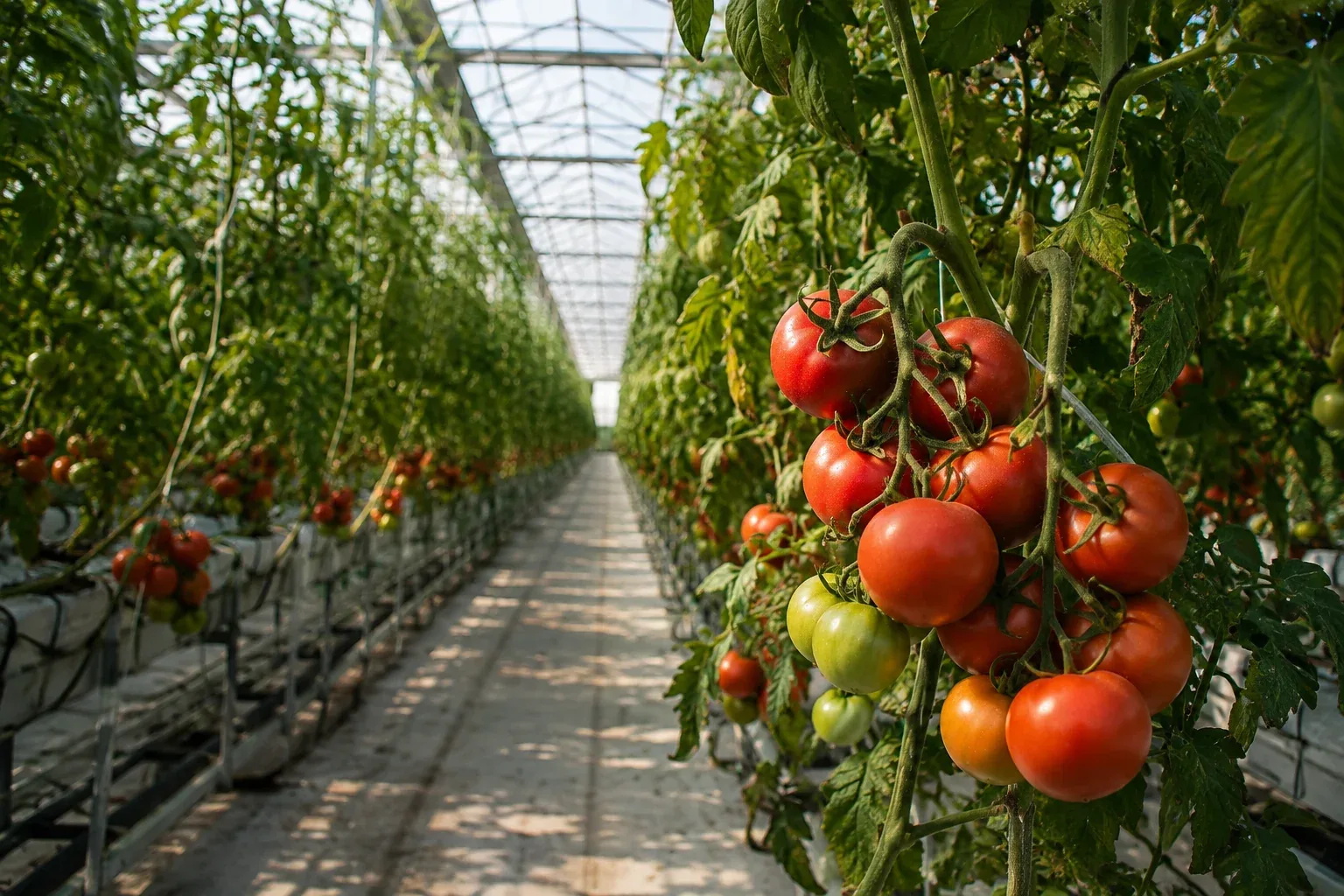
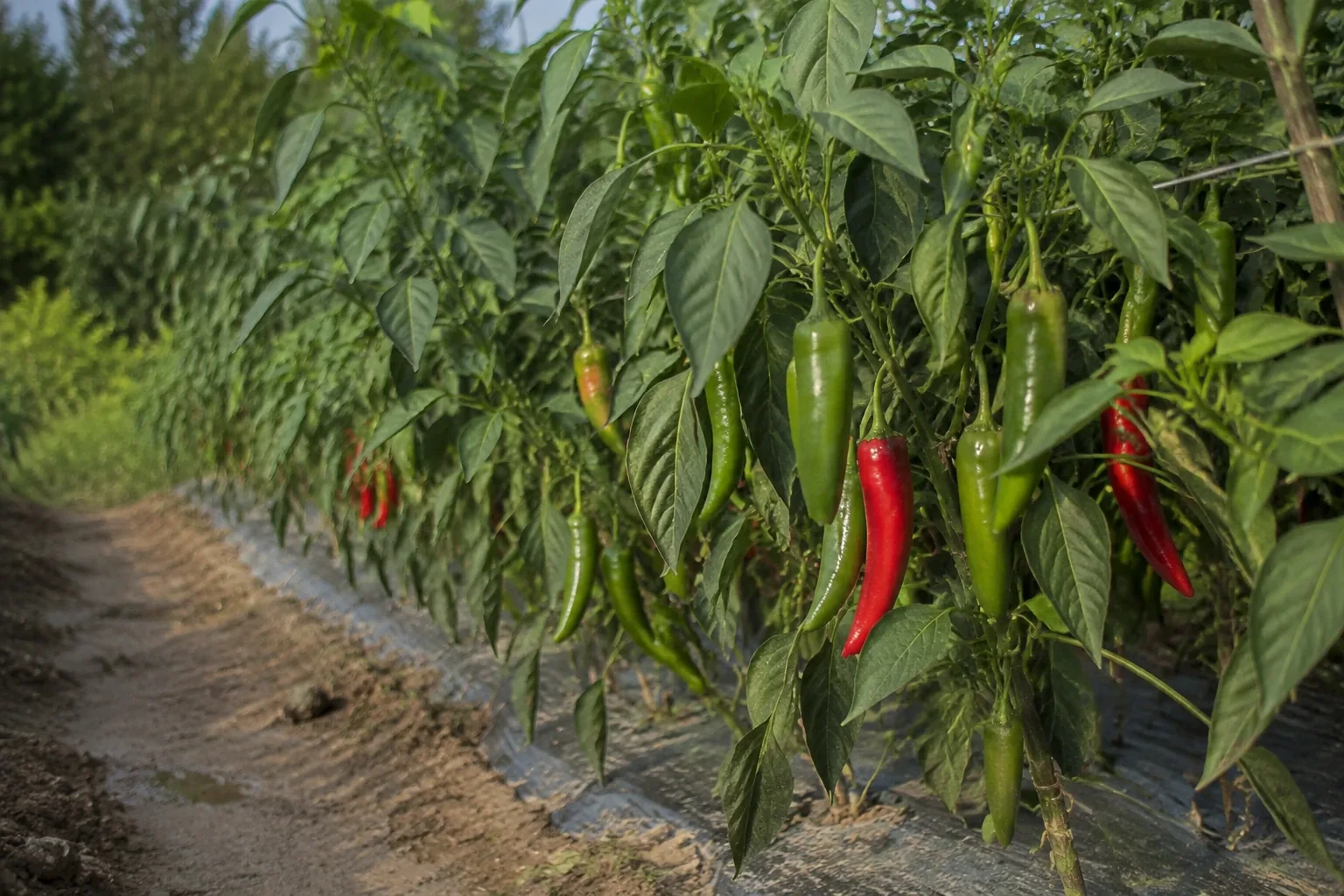
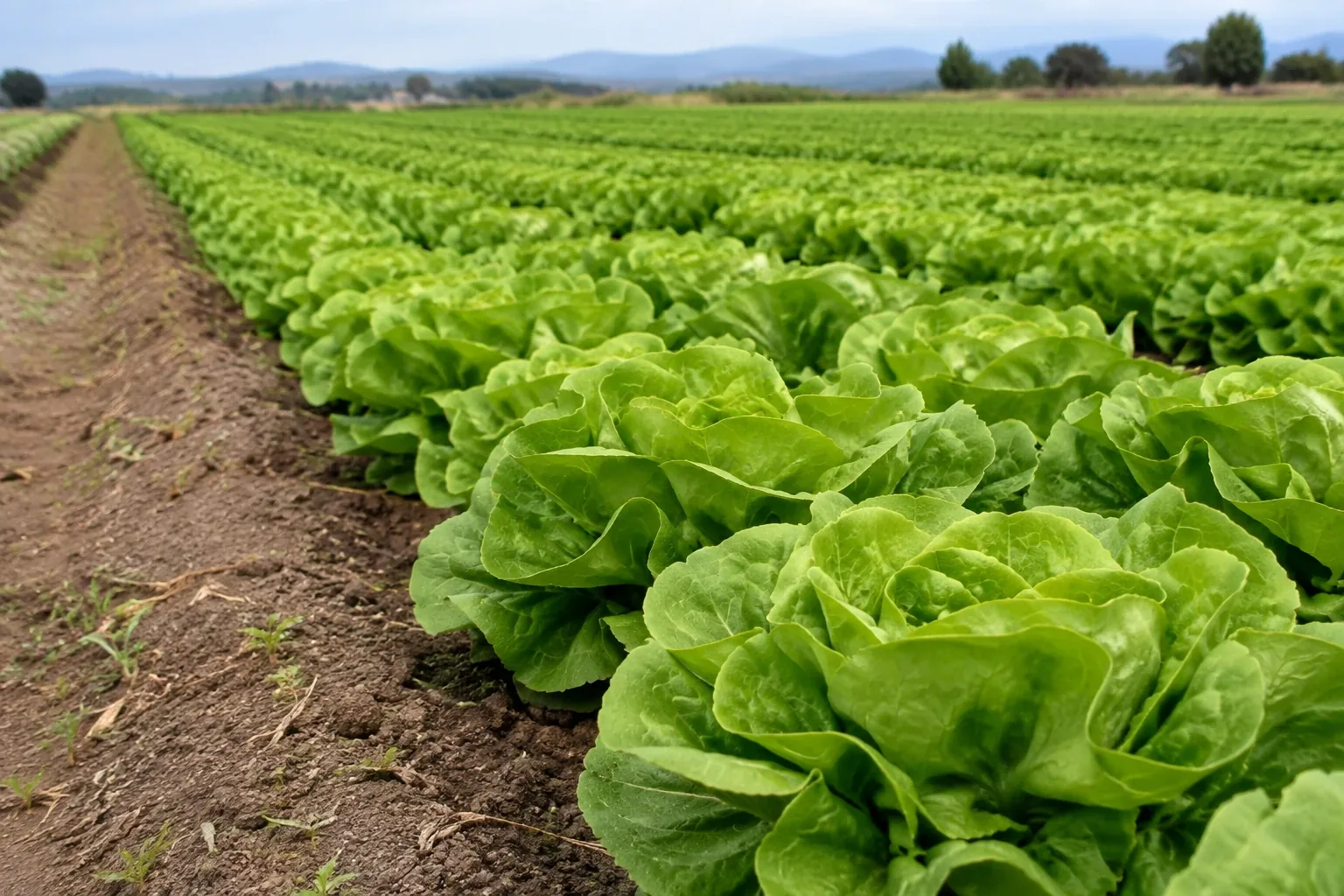
Grapes · Citrus · Strawberry · Blueberry · Tomato · Pepper · Lettuce

Contact our team for regional product availability.

Calcium nutrition in fruit development

A named calcium ligand

EDTA defines the complexing chemistry, making this calcium option distinct from unchelated salts and other organic-ligand products.

A focused mineral supplement

Calcium is considered against a specific crop requirement, without using the organic nature of the ligand to imply organic-farming status.

Calcium supply and transport

Water movement and root function influence where calcium reaches the plant. Supply concentration alone does not predict fruit-calcium status.

Composition & material characteristics

EDTA-chelated calcium

Calvia centres on calcium in an EDTA-chelated liquid nutrition profile. Chelation describes the relationship between calcium and an organic ligand; it is relevant to solution chemistry and the compatibility of calcium within a nutrient programme.

Calcium and developing tissues

Calcium nutrition is closely connected with developing tissues and the movement of water through the plant. Root-zone supply, transpiration and growth rate therefore provide important context when evaluating calcium delivery to the target organ.

Published research on materials & applications

The following publications examine related materials and their agricultural applications. Findings relate to the materials, crops and conditions described in each study.

de Souza Alonso et al. (2020): Ca-EDTA sprays on calcium-deficient Micro-Tom tomato.

WHAT THE STUDY FOUND

Repeated high-concentration Ca-EDTA sprays caused chlorosis and marginal necrosis in the study.

RESEARCH SCOPE

Compound-specific safety study: Ca-EDTA on calcium-deficient Micro-Tom tomato. Chlorosis and marginal necrosis followed repeated high-concentration foliar treatments, highlighting the importance of tissue exposure and crop sensitivity.

Silicon spraying alleviates calcium deficiency in tomato plants, but Ca-EDTA is toxic

Crop applications

Relevant to calcium nutrition in fruit vegetables, fruit trees and nursery systems. Establish whether the problem is inadequate supply or restricted transport, and assess leaf sensitivity and nutrient balance separately; local product documentation governs the appropriate application route.

Tomato, pepper and lettuce

Calcium nutrition depends on both available calcium and movement within the plant. Tissue demand, root function and water supply provide the context for a calcium-related crop problem.

Citrus and grapes

Fruit development and leaf condition are considered separately when assessing calcium nutrition. A calcium input complements a nutrient programme; it does not by itself establish a fruit-quality or storage-life outcome.

Strawberry and blueberry

Small root volumes and sensitive tissues make nutrient balance and solution chemistry relevant. Calcium transport and the crop’s water status remain part of the assessment alongside the chelated material identity.

Select the product and application programme for the crop, growing conditions and applicable market label.

Quality & product characteristics

Calcium and chelate characterisation

Calcium content, chelated fraction and the reporting basis describe different aspects of the material. pH and solution stability are relevant to understanding its behaviour in a nutrition system.

Crop compatibility

Root and foliar exposure have different physiological contexts. Crop species, tissue sensitivity and the complete nutrient mixture are important dimensions of calcium-chelate compatibility assessment.

Calcium supply and water transport should be considered together when investigating a crop calcium problem.

Product questions

Does a calcium-related symptom always mean insufficient calcium supply?

Not necessarily. Calcium transport depends on plant water movement and tissue demand as well as supply. Root function and water balance can restrict delivery even when calcium is present.

Does a chelated form ensure universal leaf compatibility?

No. Calvia’s material identity is EDTA-chelated calcium, and the cited research records leaf injury under some tested conditions. Crop tissue sensitivity and the applicable formulation-specific guidance remain important.

Related products

HUASHENG BIO

Good products. Lasting partnerships.

Tell us about your crop, market or technology. Our product and technical teams will help shape the next step.

Contact Huasheng