Skip to content
Products

Biological & supporting nutrition

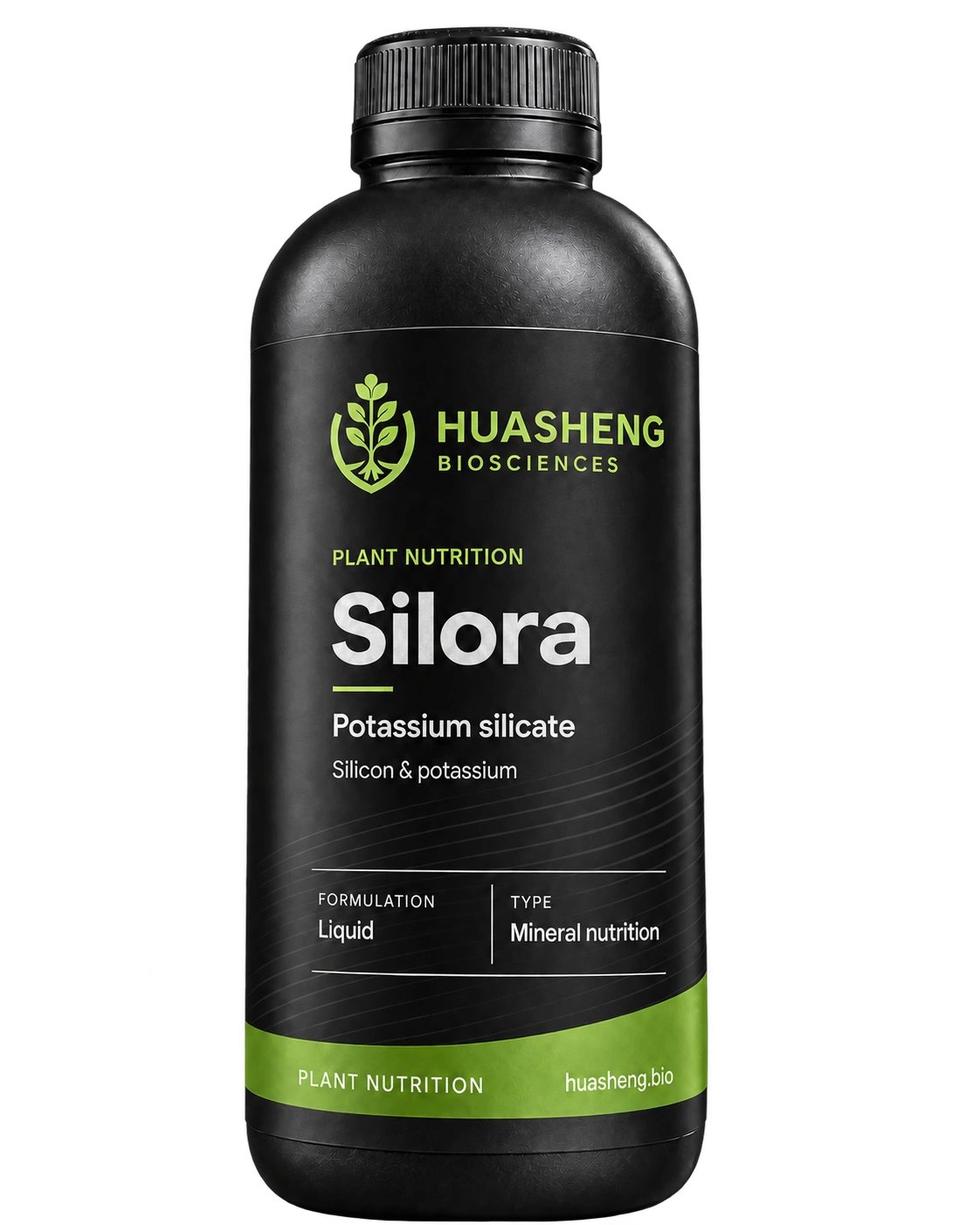
Silora™

Silora — Silicon & potassium nutrition

Silicon & potassium nutrition

Silora is a potassium-silicate liquid that contributes both silicon and potassium. Silicon-associated tissue deposition and water relations make it relevant to structural and environmental-stress programmes, while potassium remains part of the nutrient budget. The alkaline silicate chemistry gives this product different compatibility requirements from stabilised silicic-acid materials.

Principal components
Potassium silicate · silicon & potassium
Crops
Soybean · Grapes

Contact our team for regional product availability.

Silicon in crop nutrition

Silicon and potassium together

Both elements contribute to the material profile, so silicon objectives and the existing potassium programme should be considered together.

Tissue structure and water relations

Silicon deposition and associated physiological responses provide a basis for considering stem, leaf and water-status outcomes in compatible crops.

A distinct silicate chemistry

The alkaline material needs to fit the irrigation-water and nutrition system; it should not be treated as chemically equivalent to other silicon products.

Composition & material characteristics

Potassium silicate

Silora centres on potassium-silicate liquid nutrition, combining silicon chemistry with a potassium contribution. Silicon-related crop responses depend on plant species and the availability of silicon within the growing system.

Silicon within crop nutrition

The silicon role is considered alongside plant structure and environmental responses, while potassium remains part of the mineral nutrient balance. Species-specific silicon uptake makes crop selection an important part of evaluation.

Published research on materials & applications

The following publications examine related materials and their agricultural applications. Findings relate to the materials, crops and conditions described in each study.

Glasshouse study of sodium silicate in Kentucky bluegrass under drought (2014).

WHAT THE STUDY FOUND

Silicon treatment improved plant water relations, photosynthesis and turf quality under the tested drought conditions.

RESEARCH SCOPE

Silicate-material background: sodium silicate in drought-stressed Kentucky bluegrass under glasshouse conditions. The paper concerns a sodium salt and turfgrass system, distinct from potassium-silicate nutrition.

Silicon Application Increases Drought Tolerance of Kentucky Bluegrass by Improving Plant Water Relations and Morphophysiological Functions

Crop applications

Cereals and grasses are relevant silicon-accumulating crops; citrus, grapes and vegetables require their own fit assessment. Consider tissue status, potassium supply and irrigation-water chemistry, since crops differ in silicon uptake and distribution.

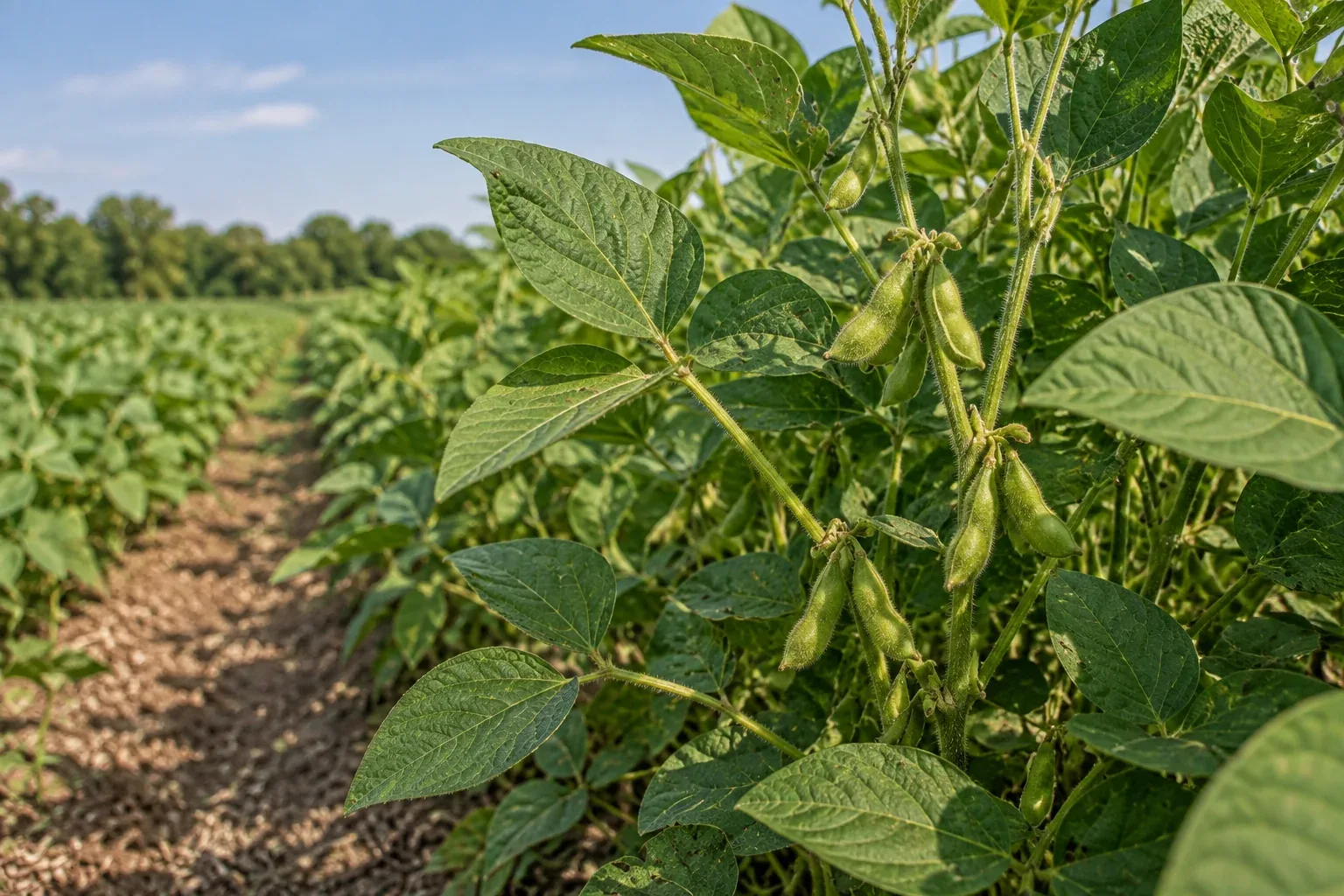
Soybean silicon nutrition

Soybean is one of the crop contexts for this potassium-silicate material. Existing nutrient supply, crop condition and species-specific silicon responses are considered together.

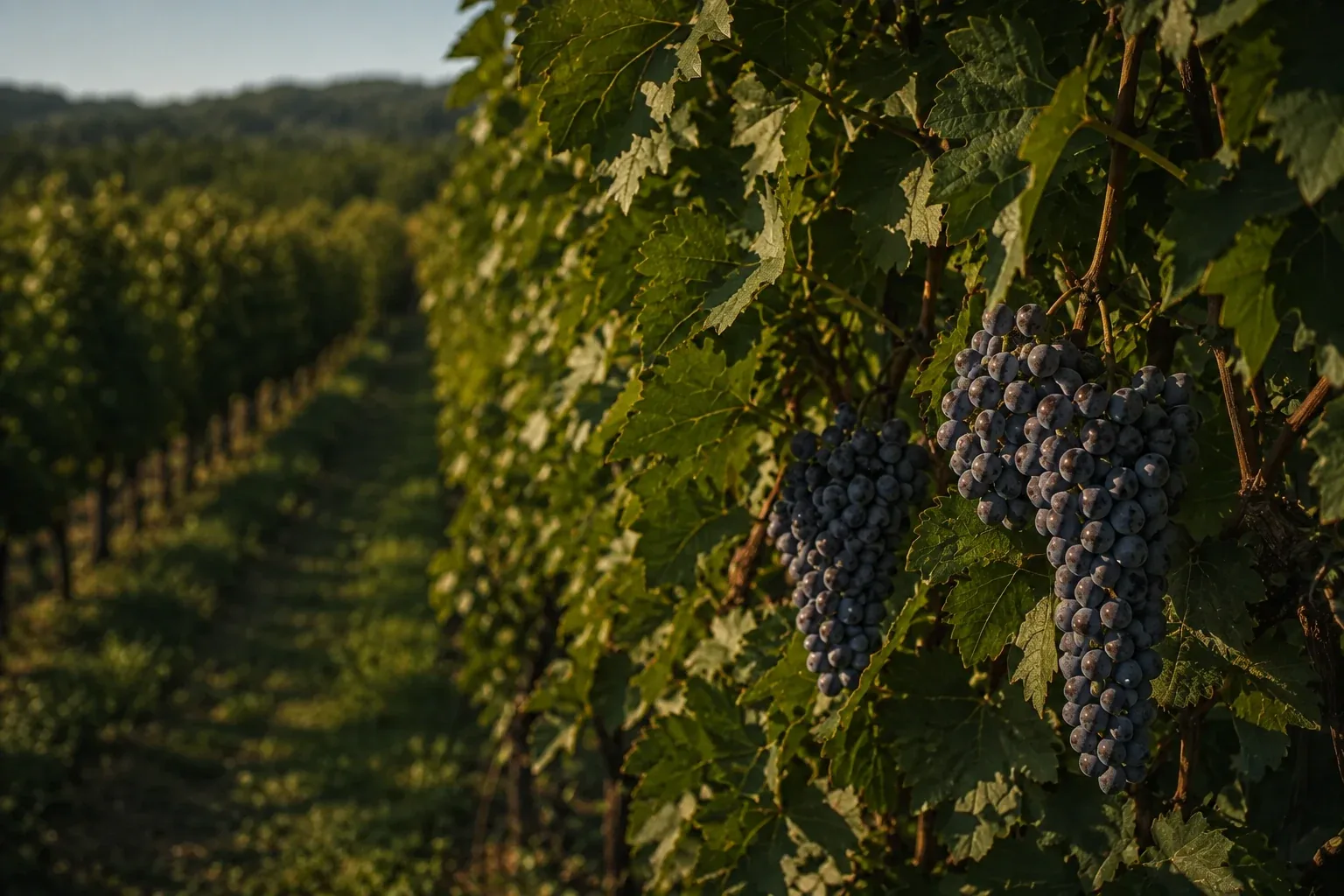
Grapevine assessment

Grapevine silicon nutrition requires its own crop context. Leaf condition and water status can inform evaluation, while research in grasses does not establish the same response in a vineyard.

Silicon and potassium balance

Potassium silicate contributes two nutritional components. Silicon form, accompanying potassium and the chemistry of the water and nutrient programme together describe its agricultural fit.

Select the product and application programme for the crop, growing conditions and applicable market label.

Quality & product characteristics

Silicate composition

Soluble silicon, potassium and their stated chemical basis are central to characterisation. Distinguishing elemental values from oxide expressions supports accurate interpretation of the nutrient analysis.

Solution chemistry

Alkalinity, solution stability and the tendency to form precipitates are relevant to silicate quality assessment. Water chemistry and other nutrient components influence compatibility in a mixed programme.

Evaluate silicon nutrition by crop species and account separately for its potassium contribution.

Product questions

Does Silora contribute potassium as well as silicon?

Yes. The material identity is potassium silicate. The silicon and potassium contributions are separate parts of its nutritional profile and belong in the crop’s overall nutrient balance.

Can silicon results in grasses be assumed for grapes?

No. Crops differ in silicon uptake and distribution. The cited grass research supplies a scientific context, while grapevine response requires evidence from the relevant crop and conditions.

Related products

HUASHENG BIO

Good products. Lasting partnerships.

Tell us about your crop, market or technology. Our product and technical teams will help shape the next step.

Contact Huasheng