Skip to content
Products

Biological & supporting nutrition

Nutria™

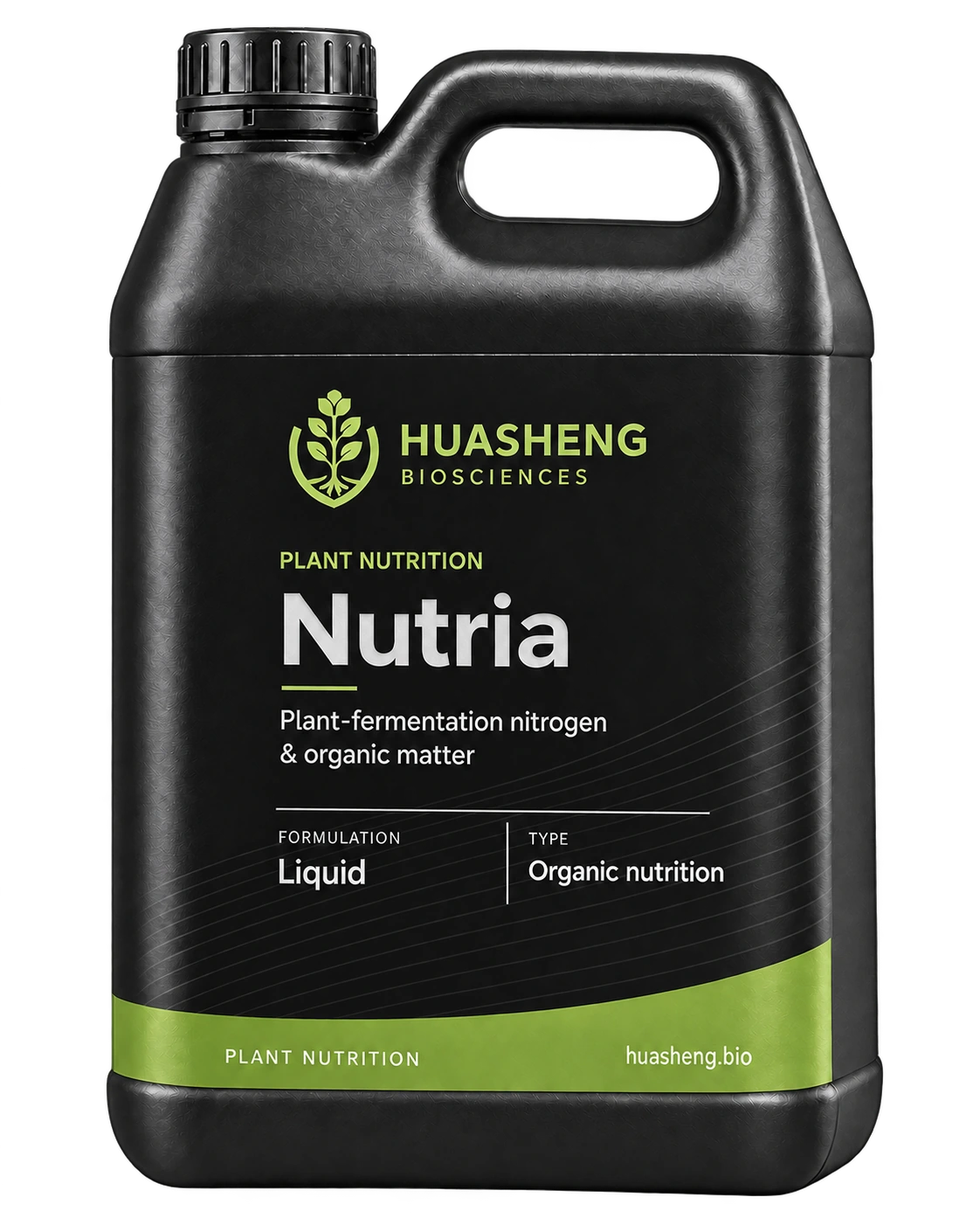
Nutria — Plant-derived nitrogen & organic nutrition

Plant-derived nitrogen & organic nutrition

Nutria brings soybean- and rice-derived fermentation materials together with molasses in liquid plant nutrition. Nitrogen and organic matter are its central components, accompanied by a plant amino-acid profile. It is a supplementary organic-source nutrition option for growth and establishment, with phosphorus and potassium needs addressed separately within the crop programme.

Principal components
Plant-fermentation nitrogen & organic matter
Crops
Grapes · Pepper · Cucumber · Lettuce

Contact our team for regional product availability.

Complementary crop nutrition

Nitrogen and organic matter

The material combines a nitrogen contribution with organic matter, allowing its place to be assessed in a measured nutrition programme.

Plant amino-acid profile

Amino-acid constituents give the fermentation material a richer identity than an undefined organic liquid, while their presence is distinct from a free-amino-acid guarantee.

A complementary liquid

Its purpose is to complement the existing feed programme through a liquid material, keeping water quality and system suitability in view.

Composition & material characteristics

Plant-fermentation nutrition

Nutria uses a plant-fermentation liquid profile that brings organic nutrients into crop nutrition. Amino-acid and peptide fractions provide a useful basis for discussing the relationship between nutrient supply, root development and canopy growth.

Organic and mineral contributions

Fermentation-derived organic matter is considered together with its associated nutrient contribution. This integrated view helps position supplementary nutrition within the crop’s existing fertiliser balance and development stage.

Published research on materials & applications

The following publications examine related materials and their agricultural applications. Findings relate to the materials, crops and conditions described in each study.

Colla et al. (2014): greenhouse tomato trial of a plant protein hydrolysate.

WHAT THE STUDY FOUND

The tested material increased biomass, SPAD readings and leaf nitrogen relative to untreated plants.

RESEARCH SCOPE

Ingredient-class research: a plant protein hydrolysate evaluated in greenhouse tomato. The amino-acid and peptide findings concern that hydrolysate; fermentation-derived liquids have a different material composition.

Biostimulant action of a plant-derived protein hydrolysate produced through enzymatic hydrolysis

Crop applications

Vegetables, citrus, tea and other fruit crops offer relevant settings for plant-derived nitrogen supplementation. Crop demand, existing soil nitrogen and irrigation conditions should determine fit; excess nitrogen or poor root-zone aeration calls for a different response.

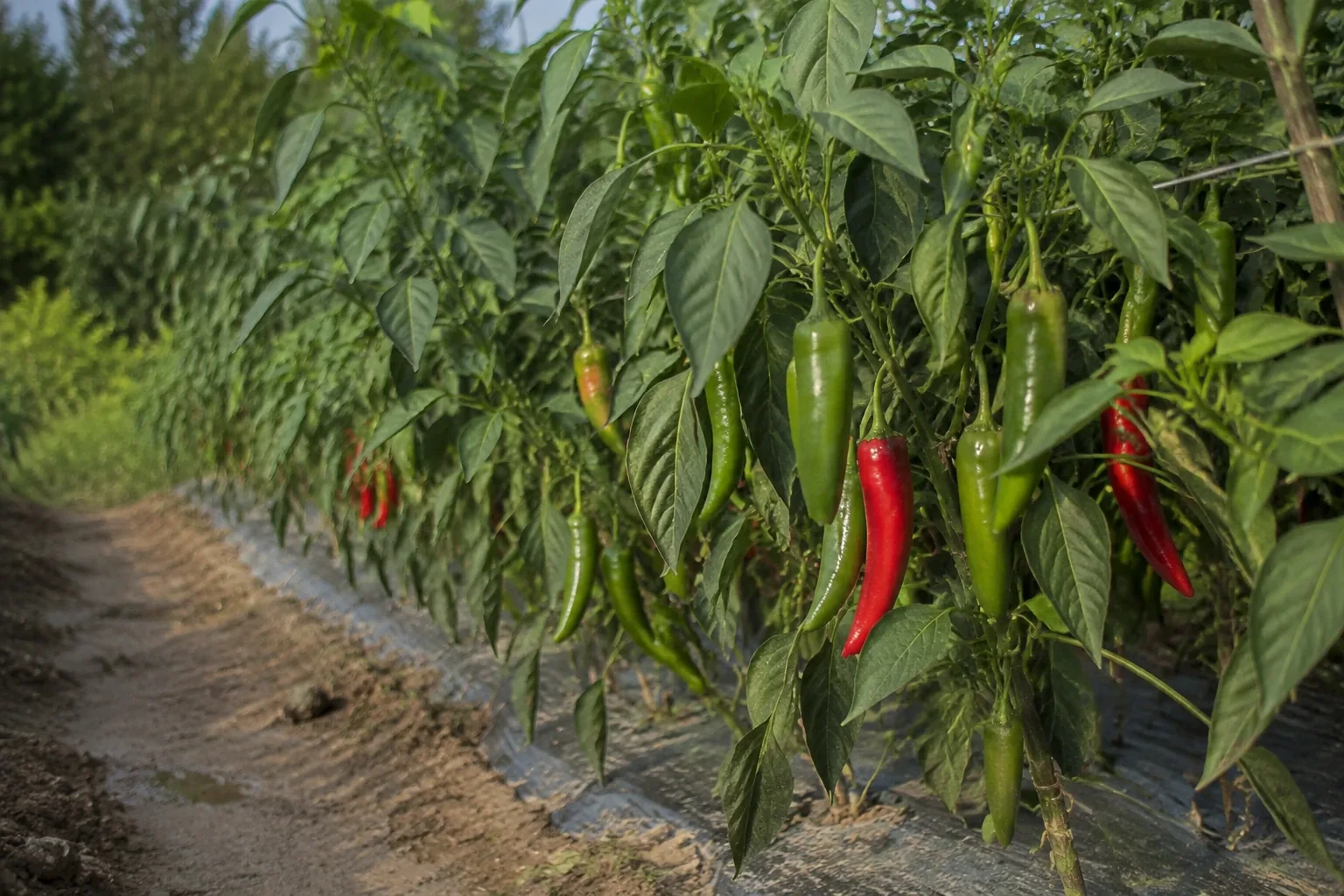
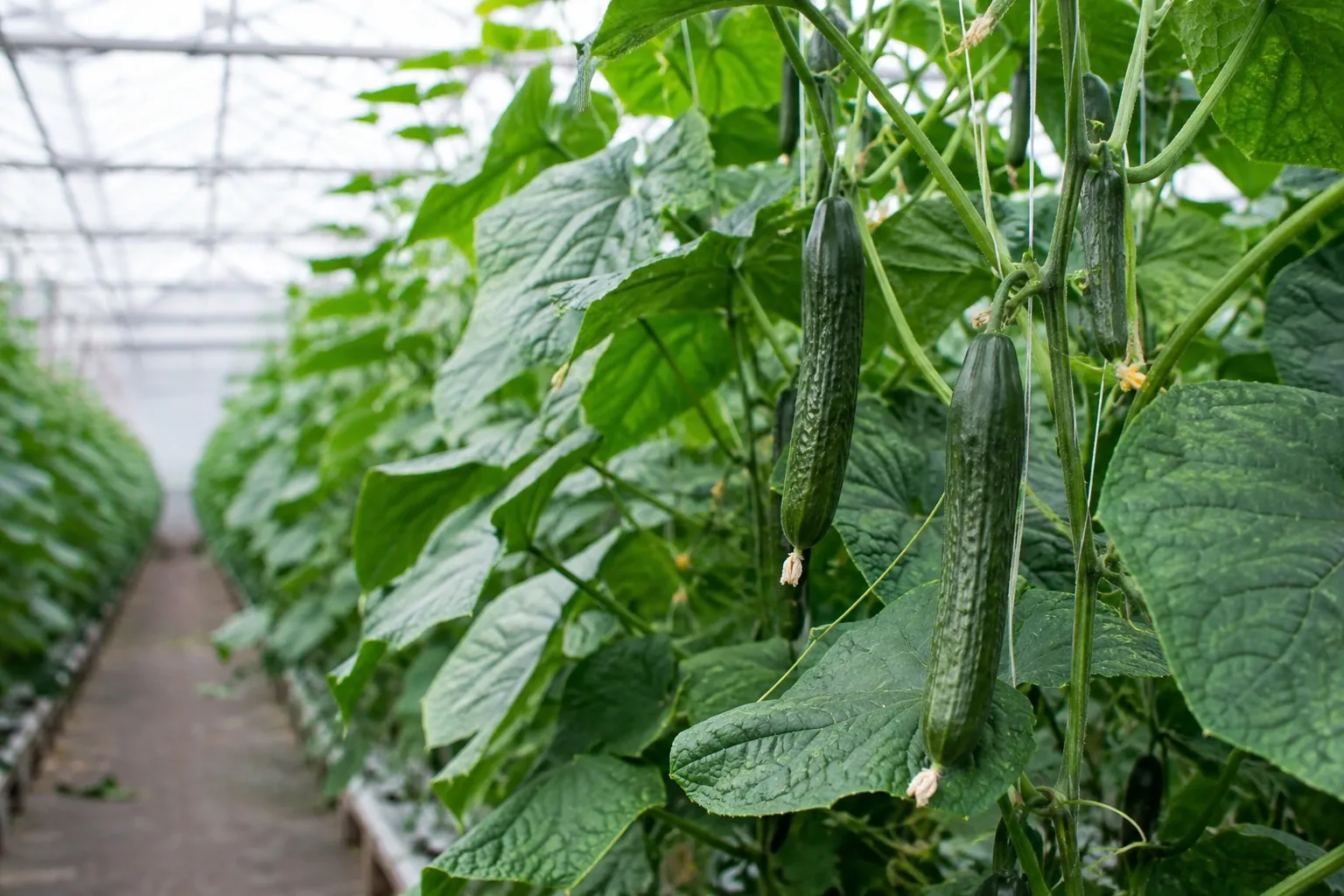
Pepper and cucumber growth

Plant-fermentation nitrogen complements the existing nutrient supply during canopy and fruit development. The contribution is included in the total nitrogen balance, alongside root condition and irrigation.

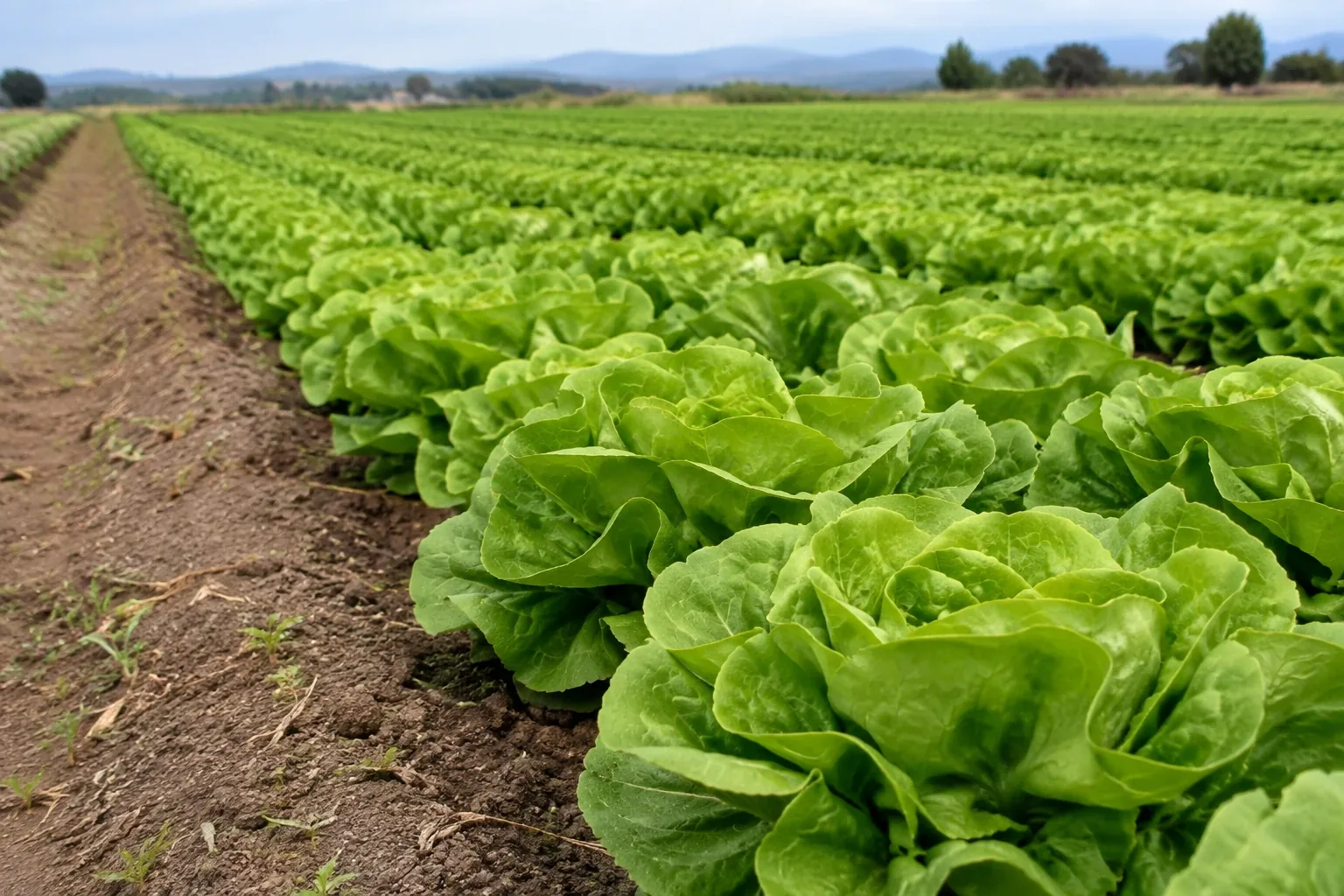
Lettuce canopy development

Leaf growth and crop uniformity provide relevant observations for supplementary organic nutrition. Existing soil nitrogen and the root-zone environment influence the need for an additional nitrogen source.

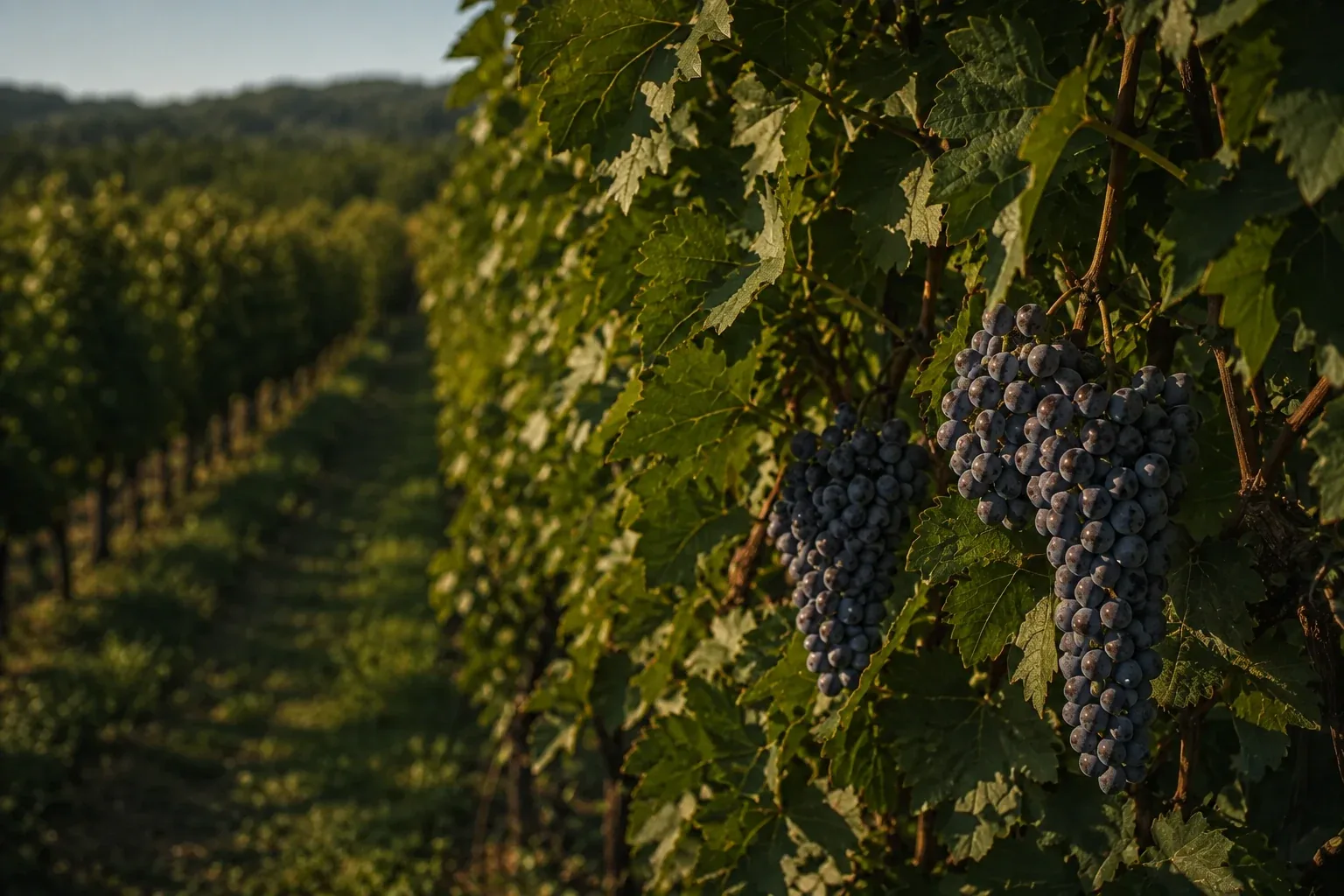
Grapevine nutritional balance

Organic nitrogen is considered within the balance between canopy renewal and fruit development. Current vigour and the established fertilisation programme determine the nutritional context.

Select the product and application programme for the crop, growing conditions and applicable market label.

Quality & product characteristics

Nutrient characterisation

Organic matter, nitrogen forms, amino-acid fractions and the analytical reporting basis are relevant characteristics of a plant-fermentation nutrient. Together they support a clear description of its nutritional role.

Liquid handling properties

Homogeneity, pH, electrical conductivity and storage behaviour inform practical quality assessment. The nutrient solution and irrigation system provide the context for evaluating compatibility.

Assess supplementary organic nutrition together with the crop’s current nitrogen supply and growth balance.

Product questions

What does Nutria contribute to the nutrient programme?

Nutria contributes plant-fermentation nitrogen and organic matter. Nitrogen supply and the organic fractions are considered together with the existing fertilisation programme and crop demand.

Does organic-source nitrogen avoid excess-nitrogen problems?

No. The nitrogen contribution still belongs in the crop’s total nutrient budget. Crop vigour, existing soil nitrogen and water conditions remain relevant when deciding whether additional nutrition is needed.

Related products

HUASHENG BIO

Good products. Lasting partnerships.

Tell us about your crop, market or technology. Our product and technical teams will help shape the next step.

Contact Huasheng