Skip to content
Products

Biostimulants

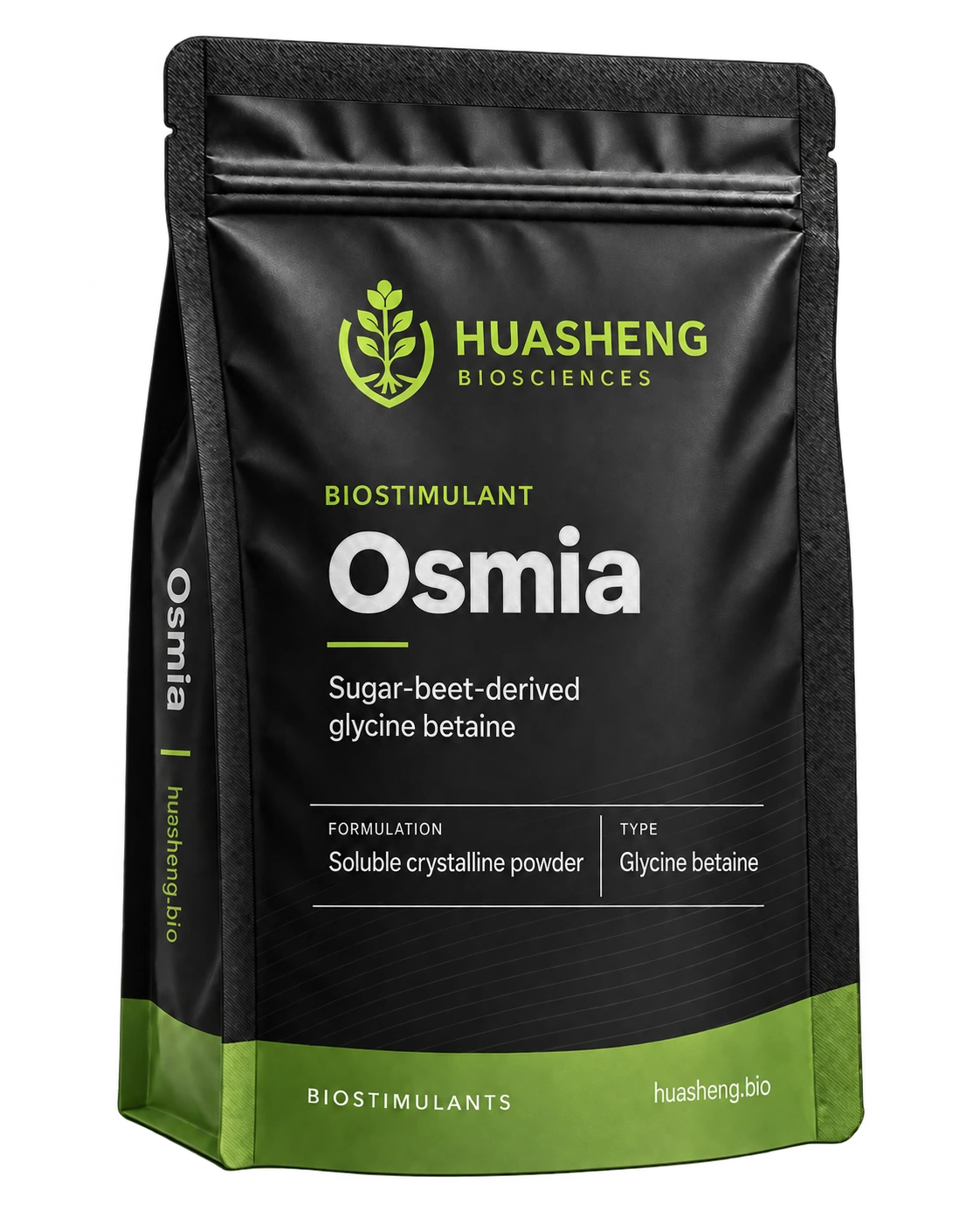
Osmia™

Osmia — Glycine betaine biostimulant

Glycine betaine biostimulant

Osmia centres on sugar-beet-derived glycine betaine in a soluble crystalline form. As a compatible osmolyte, glycine betaine is relevant to cellular water balance and the protection of sensitive physiological processes during stress. This gives the product a focused identity for environmental-stress programmes, distinct from amino-acid mixtures or complete fertilisers.

Principal components
Sugar-beet-derived glycine betaine
Crops
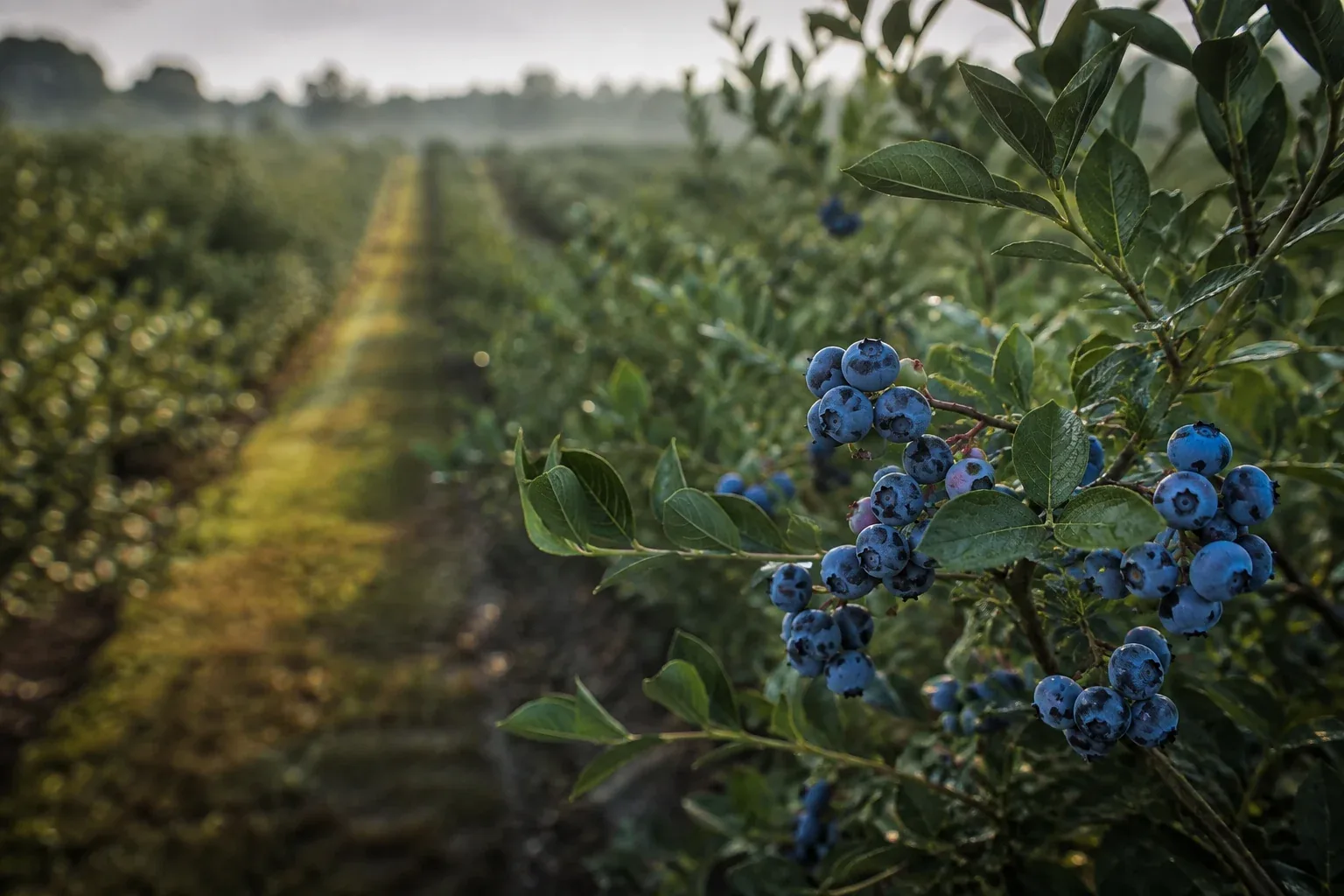
Grapes · Citrus · Strawberry · Blueberry

Contact our team for regional product availability.

Environmental adaptation

A specific osmolyte

Glycine betaine has a defined role as a compatible solute, making water balance a clearer focus than a broad plant-extract description.

Physiological stability

Research connects glycine betaine with membrane and photosynthetic stability under stress; crop and environmental context remain important.

Distinct from routine feeding

Its purpose is focused stress support. Nitrogen, potassium and other essential nutrient requirements still belong in the base nutrition programme.

Composition & material characteristics

Sugar-beet-derived glycine betaine

Osmia centres on glycine betaine obtained from sugar beet in a soluble crystalline form. Glycine betaine is a compatible solute associated with cellular water balance and physiological stability during environmental stress.

A focused physiological role

The material’s role centres on osmotic adjustment and sensitive physiological processes. Crop species, development stage and the nature of the stress provide the framework for evaluating this focused component alongside routine nutrition.

Published research on materials & applications

The following publications examine related materials and their agricultural applications. Findings relate to the materials, crops and conditions described in each study.

Dai et al. (2024) studied externally supplied glycine betaine in cold-stressed tomato seedlings.

WHAT THE STUDY FOUND

The study reported improved seedling growth and physiological performance under the tested cold-stress conditions.

RESEARCH SCOPE

Compound-specific study: externally supplied glycine betaine in tomato seedlings under the cold-stress conditions described by Dai et al. The evidence concerns the compound and that seedling model.

Dai et al. (2024), Glycine betaine and tomato seedlings under cold stress

Crop applications

Consider stress-sensitive stages in vegetables, fruit crops and seedlings, especially where cold, salinity or restricted water supply creates a known problem. Identify the stress first and maintain irrigation, drainage and nutrition as the foundation of the programme.

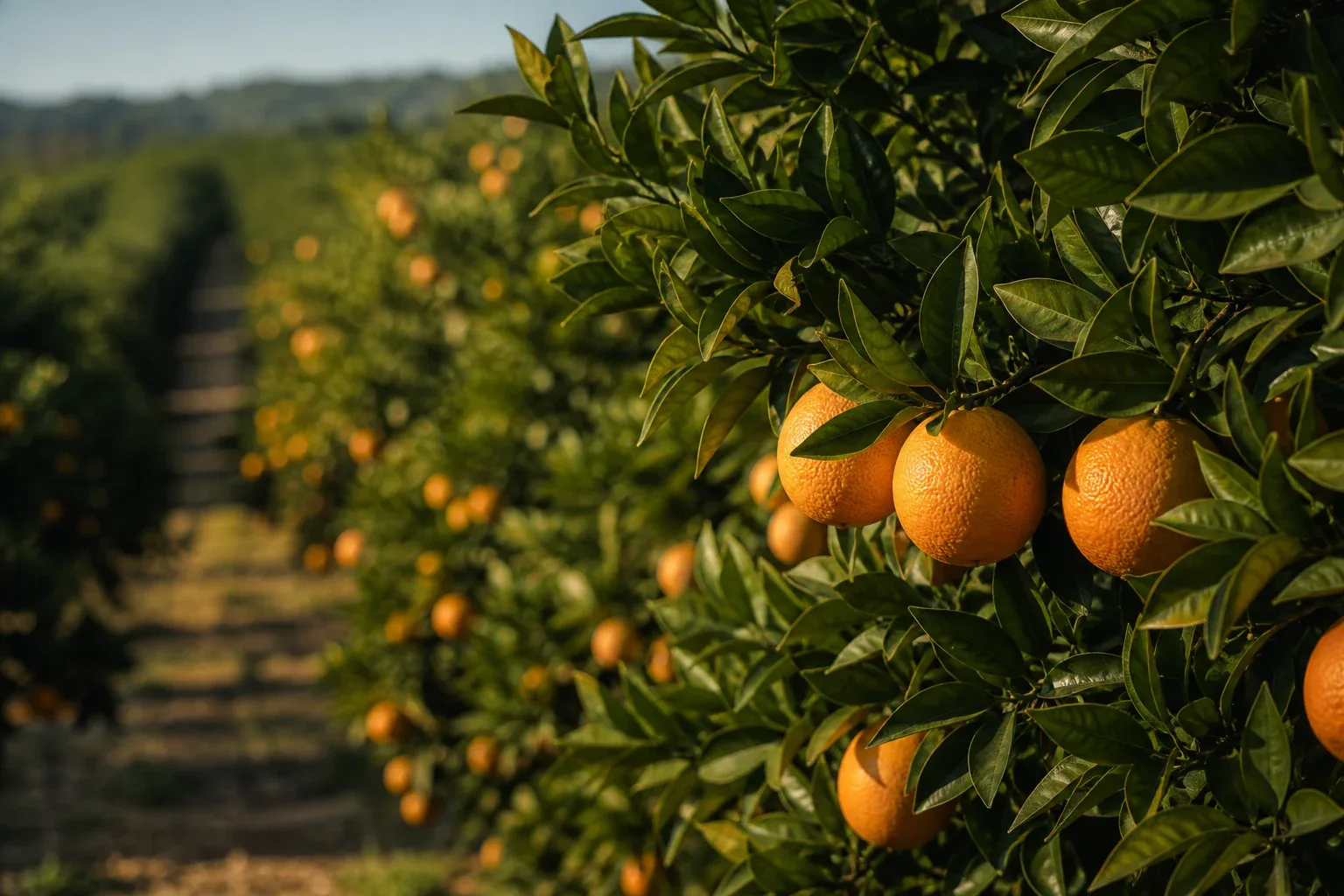
Citrus environmental stress

Glycine betaine is considered during stress-sensitive crop stages. The specific environmental constraint, tree water status and the progression of flowering or fruit development define the context for physiological support.

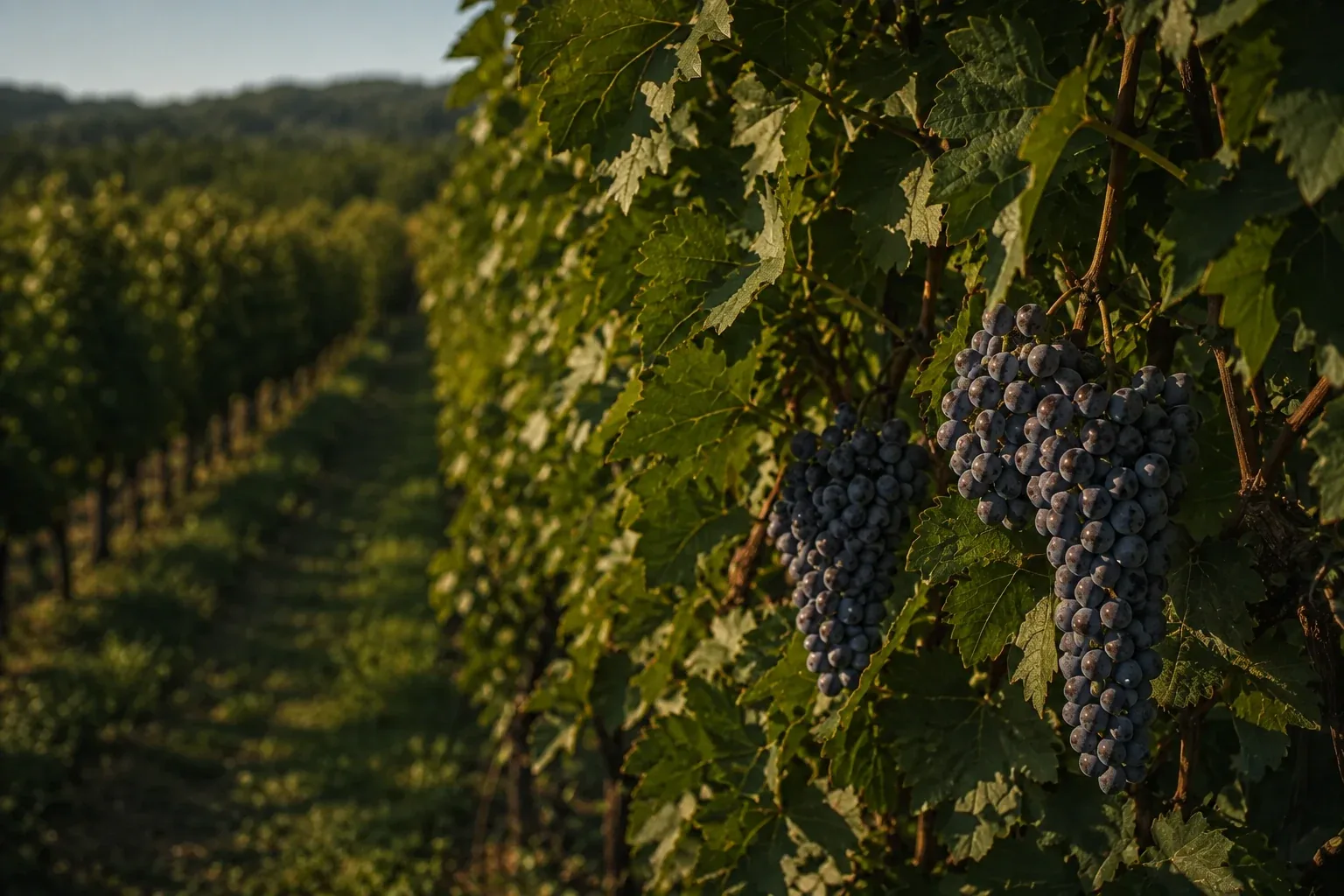
Grapevine canopy function

Canopy exposure and water availability influence leaf function through the season. Glycine-betaine research provides a physiological context for stress adjustment; vineyard performance depends on the crop and conditions being evaluated.

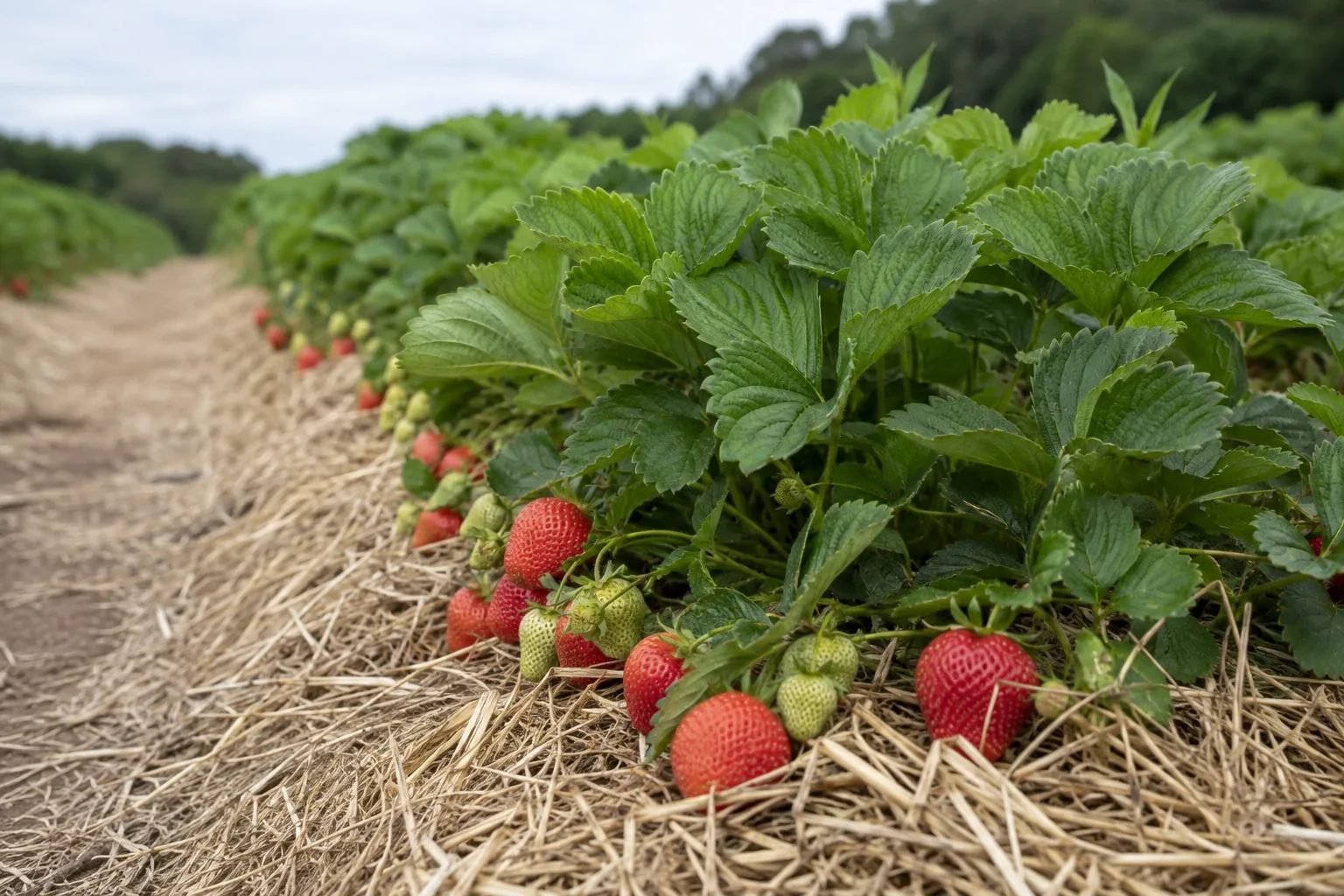
Strawberry and blueberry root constraints

Restricted root volumes and changing water availability can place additional demands on the plant. Stress identity, drainage and the existing nutrition programme are considered alongside physiological recovery.

Select the product and application programme for the crop, growing conditions and applicable market label.

Quality & product characteristics

Compound identity

Glycine betaine identity, principal-compound content and residual composition are relevant analytical characteristics. Botanical origin adds traceability to the description of the material.

Crystalline-material properties

Moisture behaviour, dissolution and physical consistency matter for soluble crystalline nutrition materials. Storage conditions and packaging performance influence the preservation of these properties.

Identify the environmental stress and sensitive crop stage when evaluating glycine betaine.

Product questions

What distinguishes Osmia from a general plant extract?

Osmia has a defined compound identity: sugar-beet-derived glycine betaine in a soluble crystalline powder. Its technical description centres on that compound rather than an unspecified mixture of plant extracts.

Does glycine betaine correct soil salinity or water shortage?

Glycine-betaine research concerns physiological adjustment under defined stress conditions. Soil salt accumulation, drainage and inadequate water supply remain separate root-zone and irrigation-management issues.

Related products

HUASHENG BIO

Good products. Lasting partnerships.

Tell us about your crop, market or technology. Our product and technical teams will help shape the next step.

Contact Huasheng