Skip to content
Products

Microbial inoculants

Rootia™

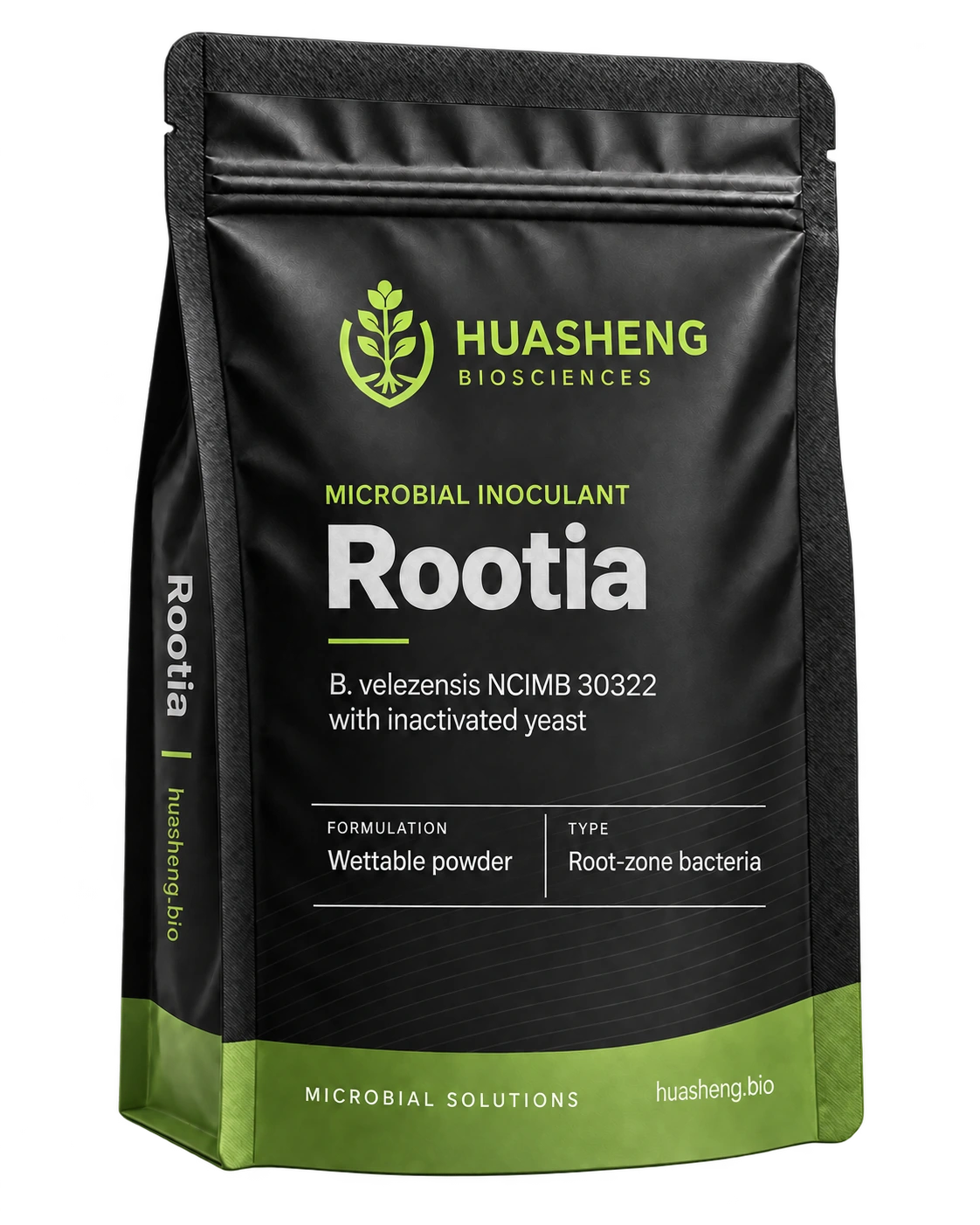
Rootia — Beneficial root-zone bacteria

Beneficial root-zone bacteria

Rootia pairs Bacillus velezensis NCIMB 30322 with inactivated yeast in a wettable-powder nutrition profile. Its focus is the growing root and the availability of nutrients around it. The bacterial component and non-living yeast have different identities, giving a defined root-zone combination rather than an unspecified mixture of beneficial microorganisms.

Principal components
B. velezensis NCIMB 30322 + inactivated yeast
Crops
Pepper · Cucumber

Contact our team for regional product availability.

Rhizosphere management

Root development first

The nutrition role starts with the root system and its relationship with available nutrients, linking establishment with subsequent crop growth.

Living and non-living components

The yeast is inactivated, so the product is not described as two living microbial populations competing or establishing in the root zone.

A nutrition-oriented Bacillus

A named B. velezensis strain gives a specific identity, while the intended agricultural role remains root-zone nutrition rather than a generic disease-control promise.

Composition & material characteristics

Bacillus velezensis with inactivated yeast

Rootia combines Bacillus velezensis NCIMB 30322 with inactivated yeast. The bacterial component and non-living yeast have distinct biological identities within a material profile focused on root development and nutrition.

Roots and nutrient availability

The root system connects crop establishment with later growth and nutrient demand. Reviewing bacterial nutrition materials alongside the existing fertiliser supply helps identify the crop conditions in which their role is most relevant.

Published research on materials & applications

The following publications examine related materials and their agricultural applications. Findings relate to the materials, crops and conditions described in each study.

Chapin, Quijia Pillajo and Jones, Ohio State University; American Floral Endowment report 537, 2024. Greenhouse snapdragons were studied under contrasting nutrient limitations.

WHAT THE STUDY FOUND

Under severe nutrient limitation, the tested beneficial-bacterial formulation improved height, advanced first harvest and extended vase life. With less nutrient limitation, growth promotion disappeared while vase-life benefit remained.

RESEARCH SCOPE

Ohio State University research on a beneficial-bacterial formulation in greenhouse snapdragons under nutrient limitation. Growth responses depended on nutrient status; a vase-life benefit remained under the less limiting treatment. Findings relate to the formulation and conditions reported.
2024 · The use of beneficial microorganisms to enhance cut flower quality and vase life

Crop applications

Consider establishment and nutrient-availability questions in horticultural and field-crop programmes. Weak roots can also reflect compaction, poor aeration, water imbalance or disease, so distinguish those causes before attributing the problem to nutrient availability alone.

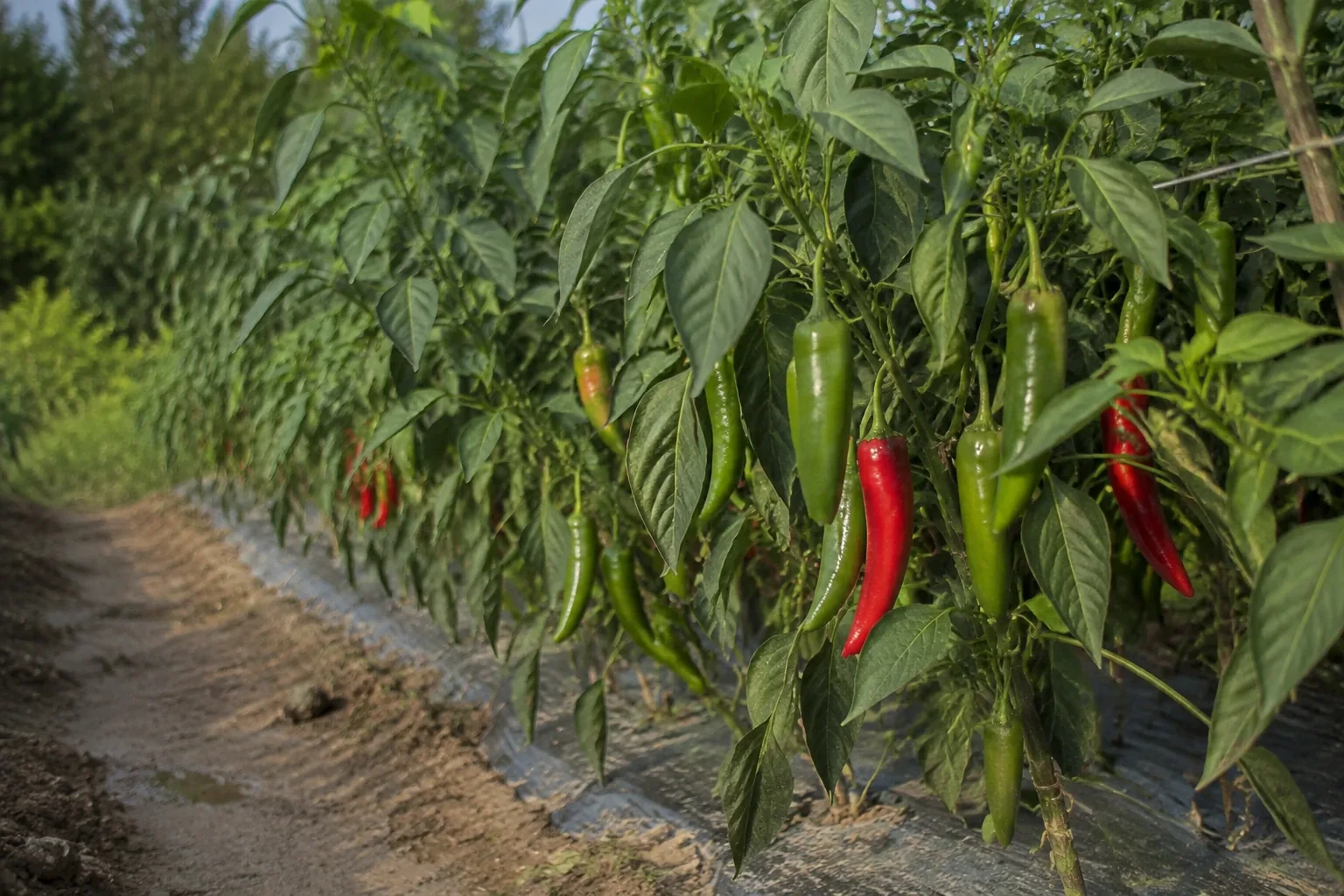
Pepper establishment and nutrition

The NCIMB 30322 bacterial component and inactivated yeast form a root-focused nutritional combination. Pepper establishment is assessed through root condition, new growth and existing nutrient availability.

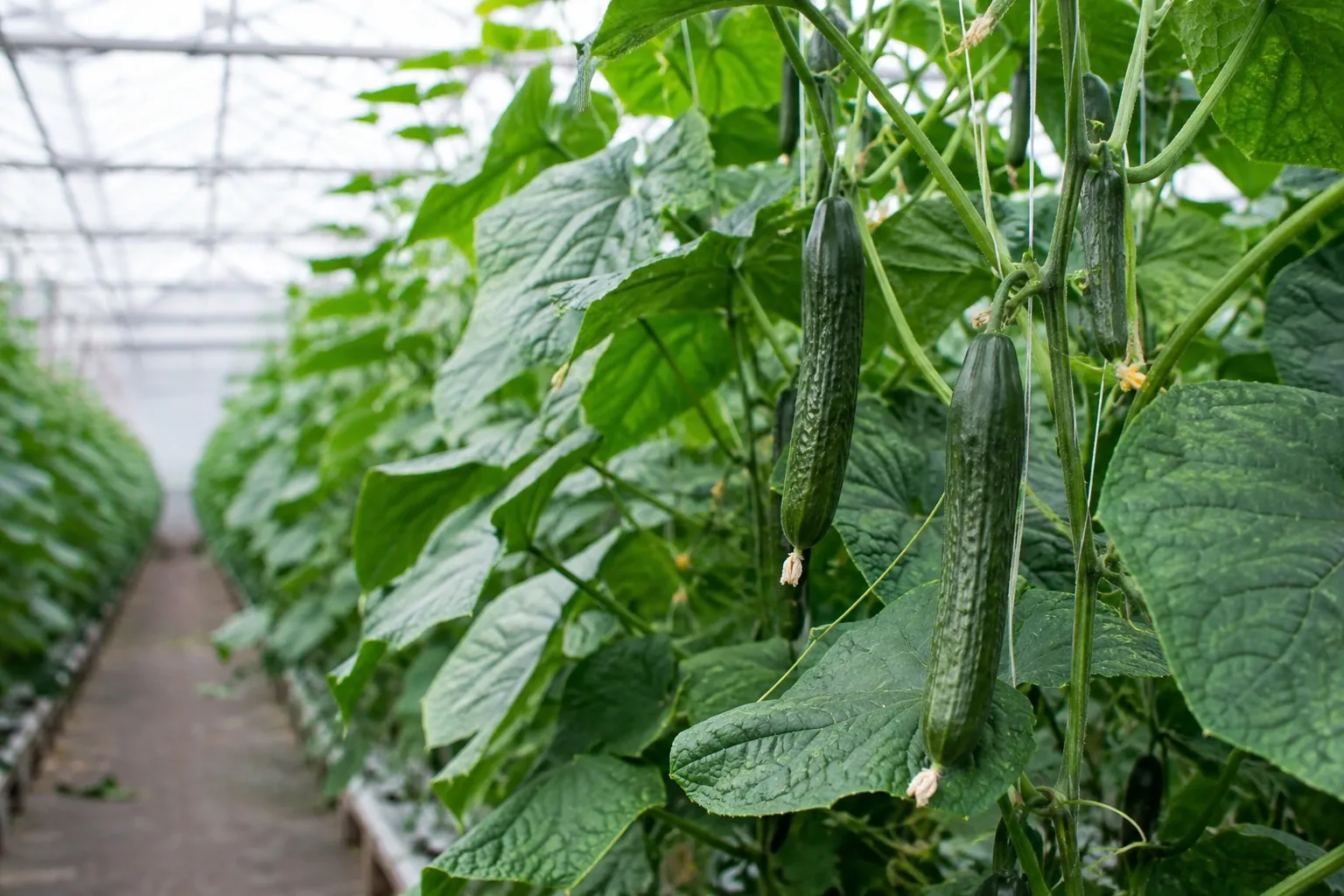
Cucumber root-zone management

Cucumber production links continuing canopy growth with an active root system. Water balance, aeration and nutrient supply describe the setting in which this biological-nutrition combination is considered.

Nutrition and root-health diagnosis

Poor growth can arise from nutrient limitation, compaction, water imbalance or disease. Rootia’s root-nutrition role is assessed against the diagnosed constraint, keeping nutrition observations separate from disease-control claims.

Select the product and application programme for the crop, growing conditions and applicable market label.

Quality & product characteristics

Component identity

Bacterial strain identity, viable bacterial content and the description of the inactivated yeast are separate quality dimensions. Distinguishing them supports a clear interpretation of the combined material.

Powder and nutritional compatibility

Uniformity, dispersion, storage stability and compatibility with the intended nutrient programme are relevant practical properties. Nutrient status and crop development remain important agronomic variables in evaluation.

Evaluate root-focused biological nutrition in relation to the existing nutrient supply.

Product questions

Are both components living microorganisms?

No. The product identity combines B. velezensis NCIMB 30322 with inactivated yeast. The bacterial and yeast components have different biological states and should not be described as two live inoculants.

Does a root-nutrition role establish disease control?

Rootia’s stated role concerns establishment and nutrient availability. Root disease is a separate crop problem requiring its own diagnosis and product-use evidence.

Technical documents & support

Product information & application support

Contact Huasheng for technical information and application support for your crop and market. Please include your growing region and product requirements.

Research on materials and mechanisms
  1. 1. Bacillus root interactions and plant growth research
  2. 2. Bacillus, nutrient uptake and cucumber physiology
  3. 3. Root-associated Bacillus and microbial community interactions

Related products

Orvan — Rhizosphere consortium

Orvan

Rhizosphere consortium

Nodulation & nitrogen fixation

Components
Bacillus velezensis · Brevibacillus laterosporus · Paenibacillus mucilaginosus
Crops
Peanut · Soybean · Common bean · Cowpea · Pigeon pea · Mung bean · Black gram · Alfalfa

HUASHENG BIO

Good products. Lasting partnerships.

Tell us about your crop, market or technology. Our product and technical teams will help shape the next step.

Contact Huasheng