Orvan™
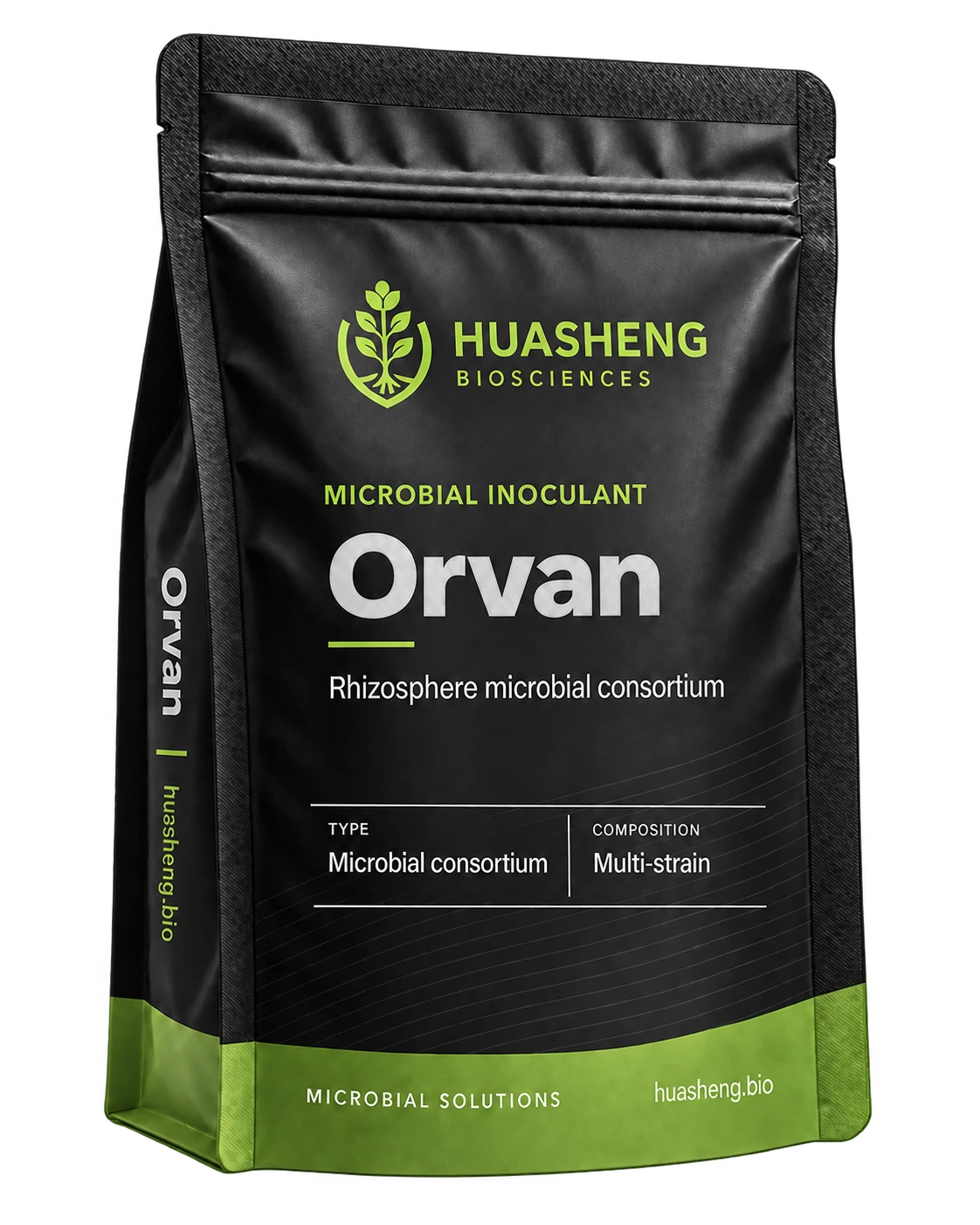
Microbial consortium inoculant
A three-strain rhizosphere consortium, applied alongside your rhizobial inoculant, that strengthens nodulation and nitrogen fixation for better stands and higher yield across eight legumes. In peanut, the change in the root-zone microbiome after application is the focus of our peer-reviewed coupling research, which also associates it with markedly lower soil A. flavus, the fungus that produces aflatoxin.
- Principal components
- Bacillus velezensis · Brevibacillus laterosporus · Paenibacillus mucilaginosus
- Formulation
- Crop-specific formats
- Crops
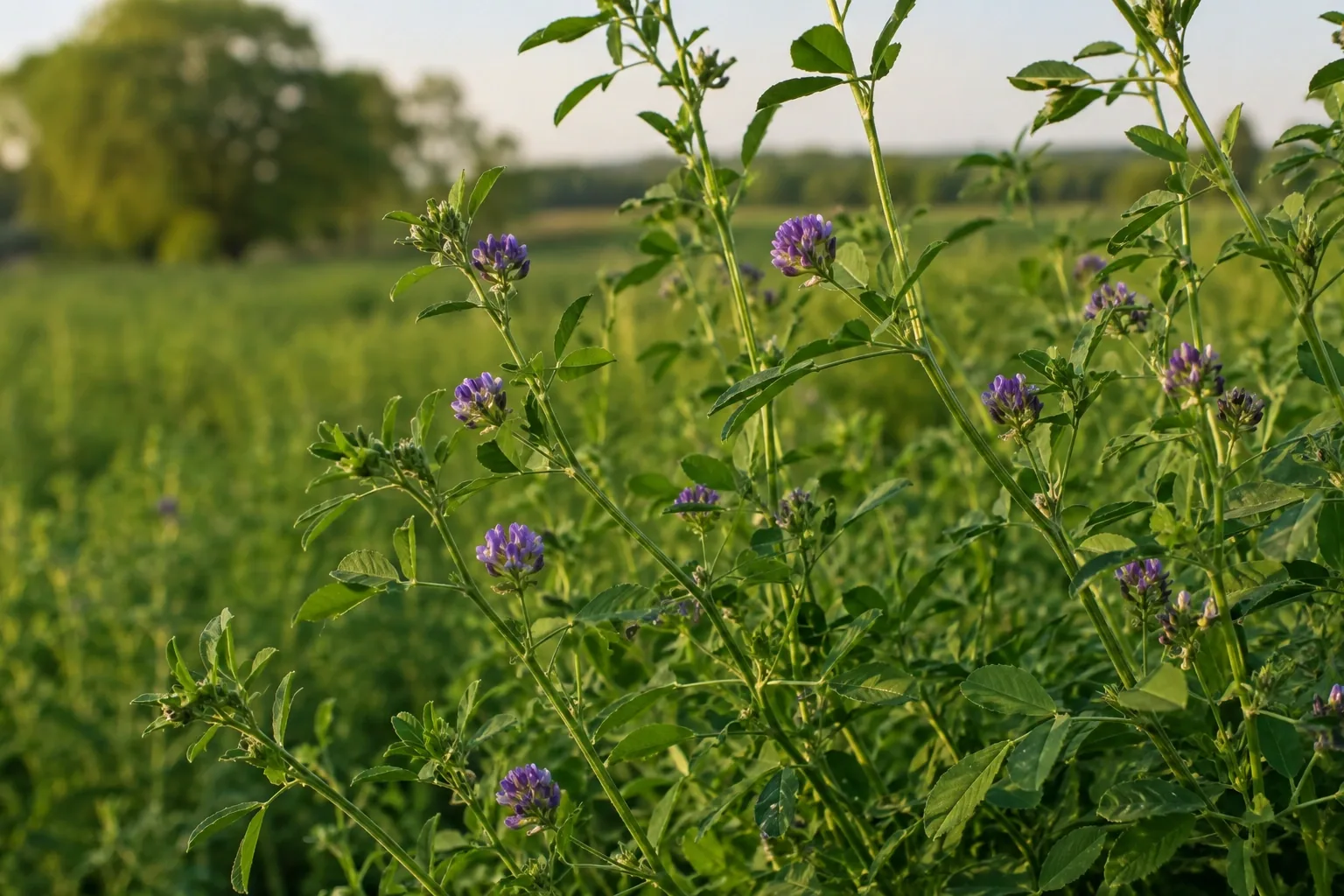
- Peanut · Soybean · Common bean · Cowpea · Pigeon pea · Mung bean · Black gram · Alfalfa
Nodulation & nitrogen fixation
Biological action
The strains reshape the rhizosphere to improve the nodulation environment for native or co-applied rhizobia, while stronger crop vigour sustains nitrogen fixation through pod fill. In peanut, our research also examines the aflatoxin side of the coupling — how the same shift in the root-zone microbiome relates to Aspergillus flavus, the fungus that produces aflatoxin — in peer-reviewed studies and multi-season OCRI-CAAS field trials.
Agricultural purpose
Amplified nodulation. More nitrogen fixed. Higher yield.
Fit within the programme
Orvan™ is a rhizosphere-coordination consortium, not a rhizobial inoculant. It carries no Rhizobium of its own, and no fungus either — all three strains are bacteria. Applied alongside (or on top of) your rhizobial inoculant, it amplifies the native and co-applied rhizobia already adapted to your soil. Fully complementary to existing programmes. Non-GMO; all three strains spore-forming.
Composition & material characteristics
Bacillus velezensis
One of the three bacterial members of the Orvan consortium. Earlier research used the name B. amyloliquefaciens; the product’s taxonomic note explains the current identification.
Brevibacillus laterosporus
A bacterial member of the rhizosphere consortium. Orvan’s supporting results concern the combined product; they describe the performance of the consortium in its crop and trial setting.
Paenibacillus mucilaginosus
The third bacterial member of the consortium. Product records also retain the historical name Bacillus mucilaginosus used in the registration documentation.
Research & field performance
OCRI-CAAS RESEARCH COLLABORATION
Orvan’s three-strain rhizosphere consortium draws on collaborative research with the Oil Crops Research Institute of the Chinese Academy of Agricultural Sciences. The product records cover bacterial composition, crop-specific studies and multi-season field observations, including research on peanut nodulation, nitrogen fixation and root-zone health.
Field research & results
| Crop | Trial network | Yield vs untreated control |
|---|---|---|
| Peanut | 405 sites / 19 provinces | +19.9% |
| Soybean | 253 sites / 18 provinces | +16.1% |
| Common Bean | 62 sites / 6 provinces | +14.2% |
| Cowpea | 48 sites / 5 provinces | +13.8% |
| Pigeon Pea | 36 sites / 4 provinces | +12.6% |
| Mung Bean | 54 sites / 5 provinces | +15.3% |
| Black Gram | 30 sites / 4 provinces | +11.9% |
| Alfalfa | 96 sites / 4 regions | +15.2% |
- In OCRI-CAAS field trials on peanut and soybean: >80% less soil A. flavus on peanut and elevated isoflavone on soybean; nodules up to 8.5× / 3.7× and nitrogenase up to 10.7× / 4.8×, with the highest fold-changes where native rhizobia are scarce. Average yield gains come from the multi-site network: peanut +19.9%, soybean +16.1%.
- In dedicated trials over three consecutive years, Orvan™-treated fields held a >10% yield gain even with 20–40% less synthetic nitrogen.
Crop applications
Crop-specific selection
Select the product edition and supporting information for the intended crop. Crop profiles connect the biological components with field observations and the relevant technical documents.
Application context
At sowing, matched to how the product reaches the crop: Base 30–60 kg/ha broadcast or banded with base fertiliser · Root 30–60 kg/ha dissolved in clean water and applied in-furrow through the planter · Coat 2.5 mL/kg seed on the seed, by hand or through a coater. The dose does not change by crop. A live-culture product: with a fungicide seed treatment apply that first, let the seed dry, then Orvan™; apply any rhizobial inoculant after Orvan™. Avoid copper fungicides, agricultural antibiotics, strong alkali (pH > 9) and chlorinated water (> 2 ppm). Blend with fertiliser immediately before application rather than storing a prepared blend. Storage differs by format: the dry formats keep at or below 30 °C with no cold chain and are used within 30 days of opening; Coat is held at 5–25 °C, must not freeze, and is used within 14 days of opening.
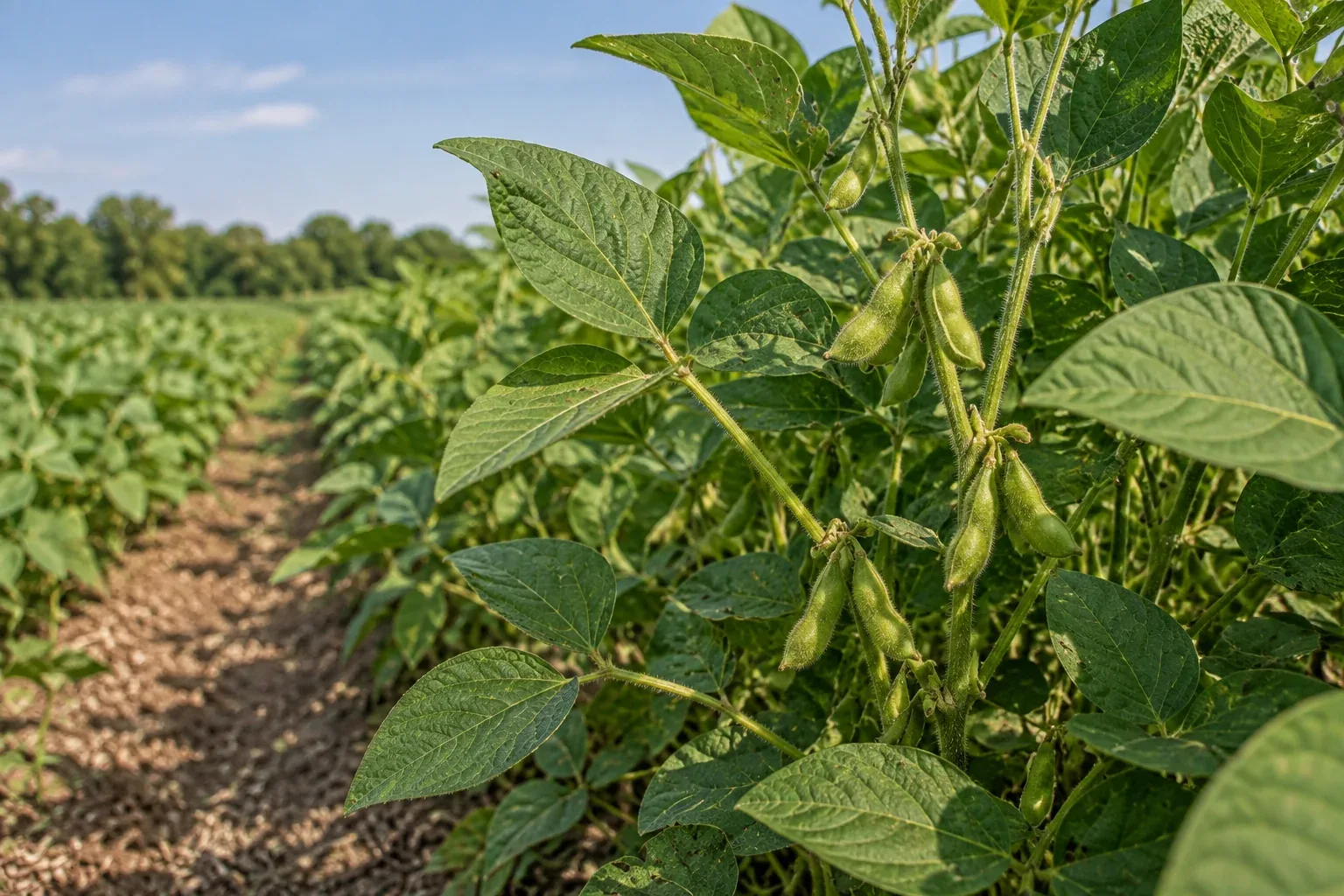
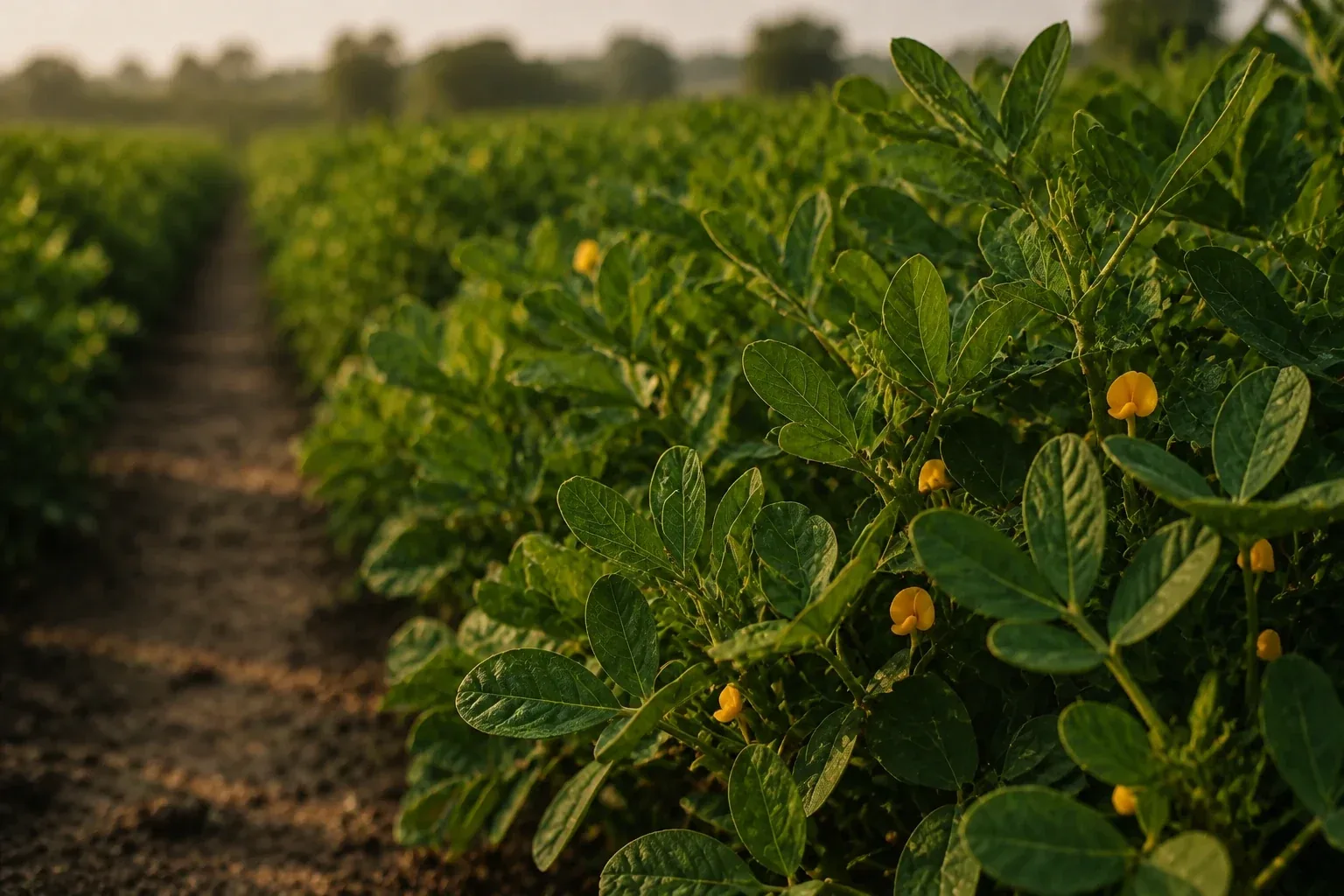
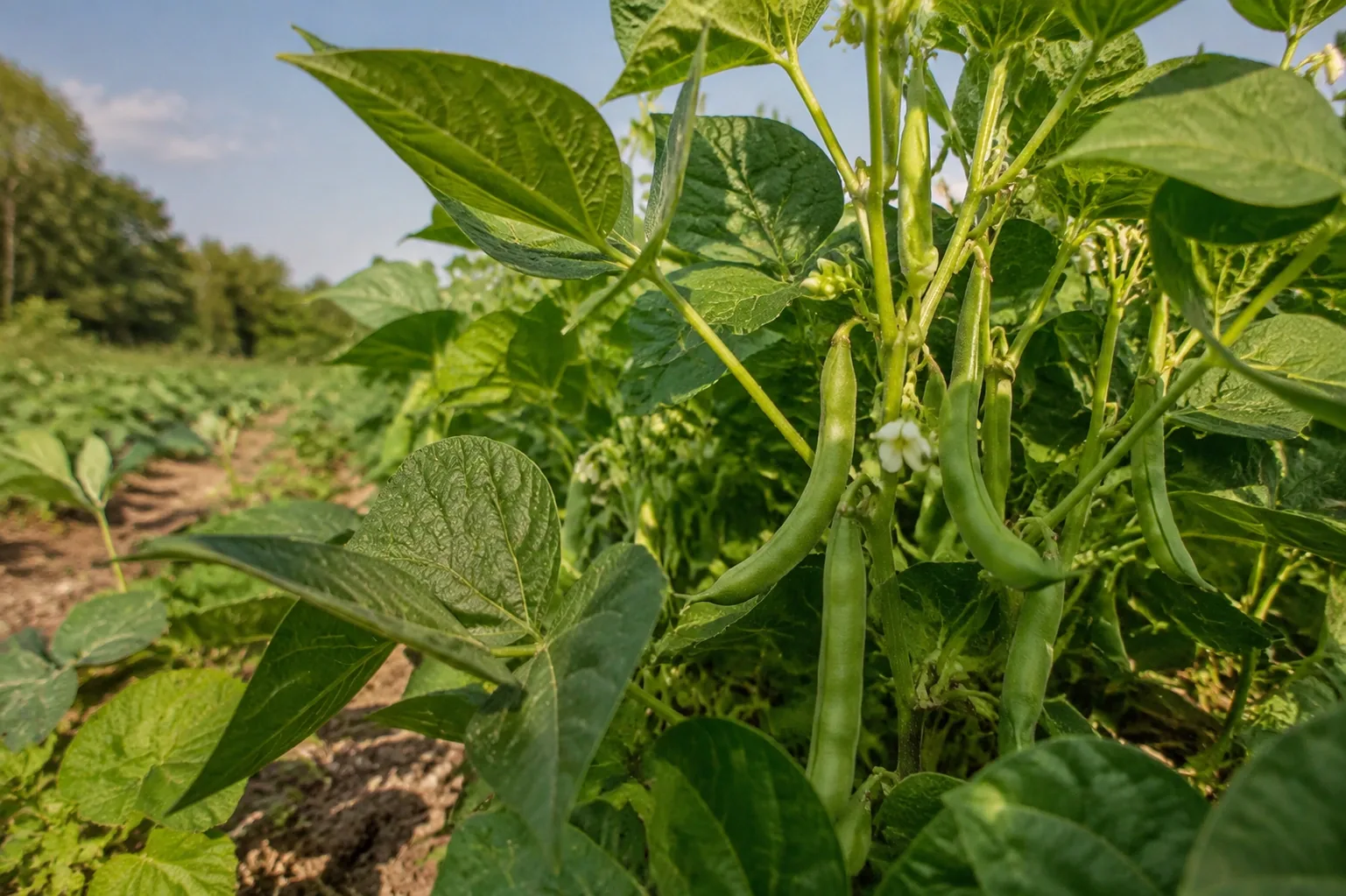
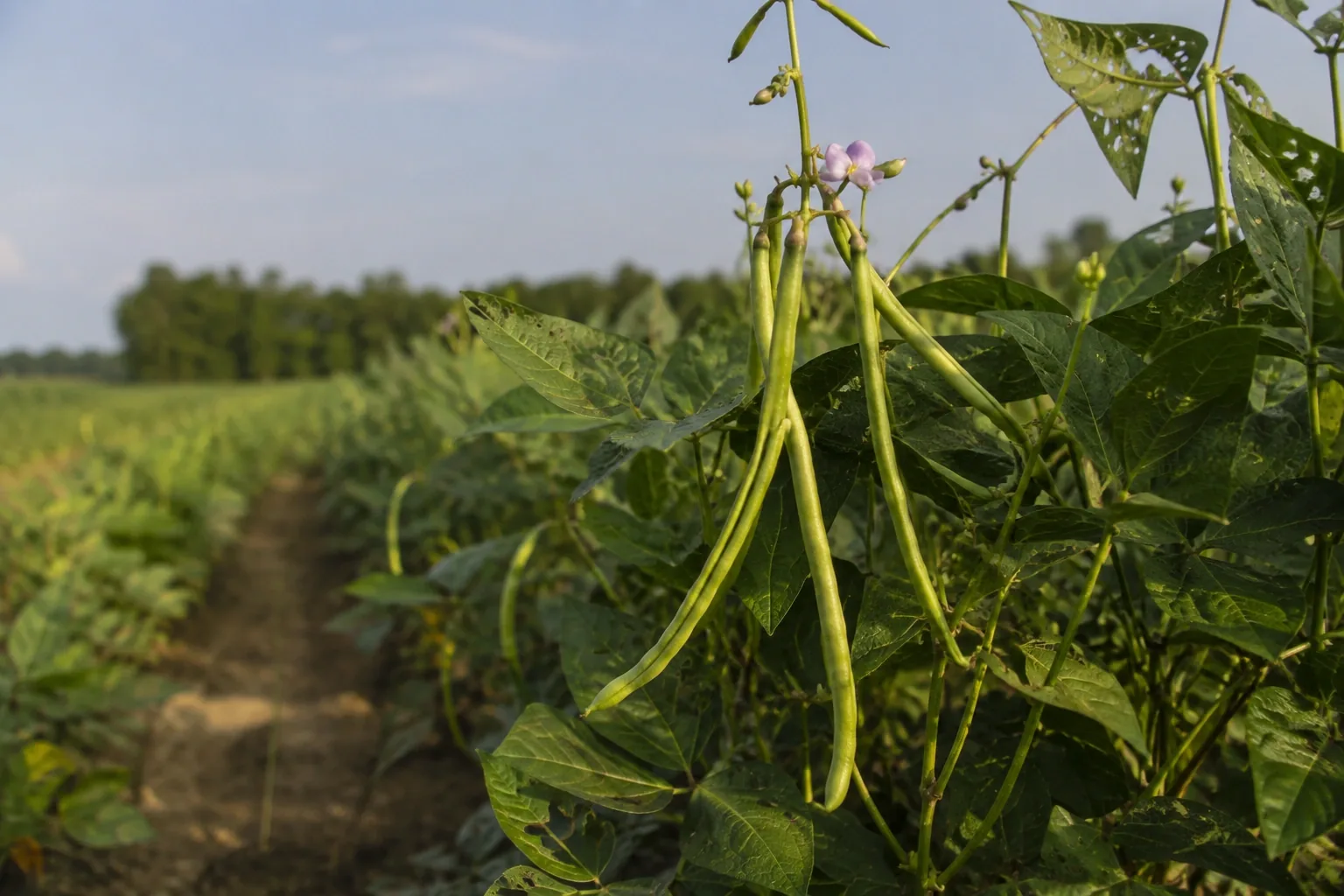
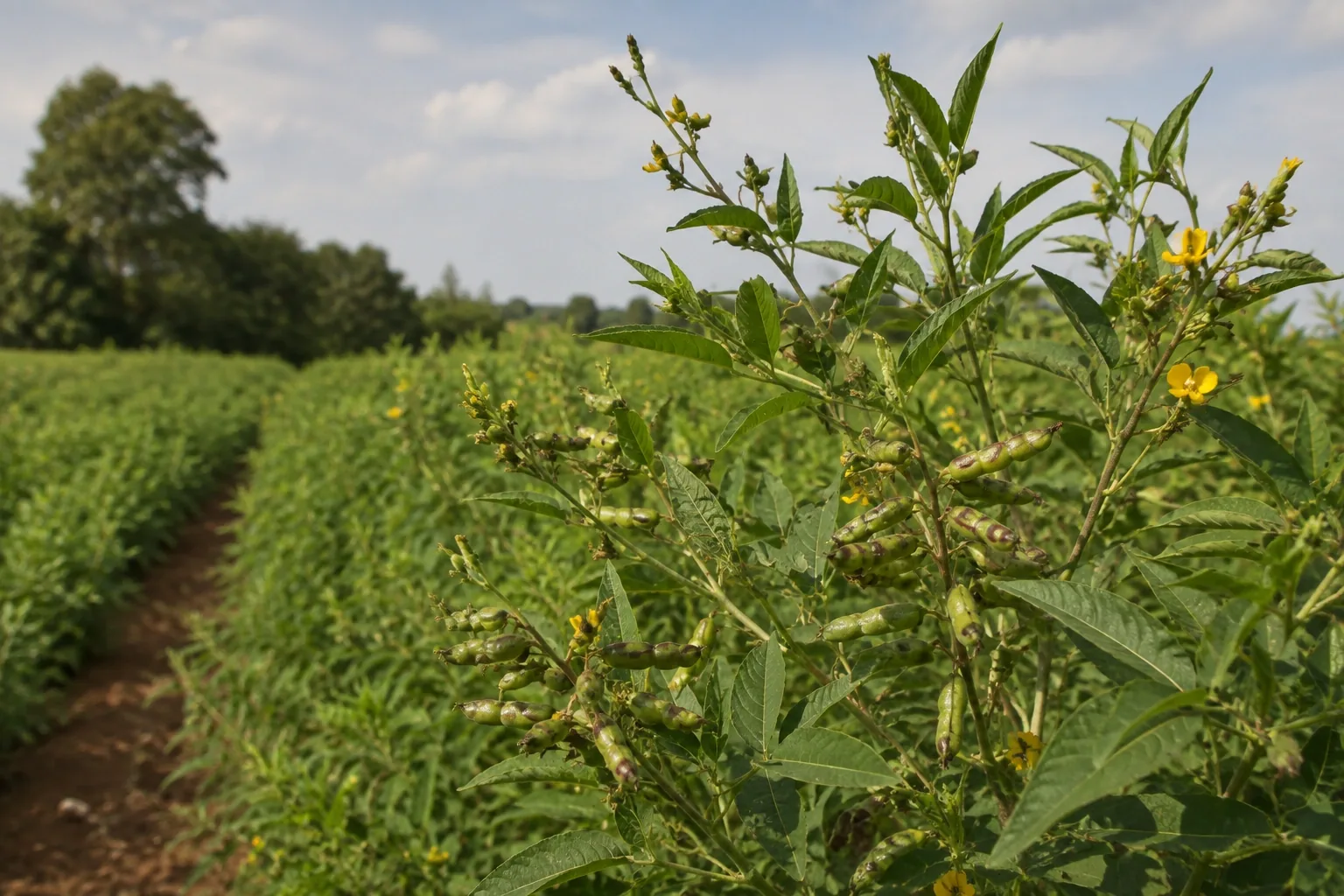
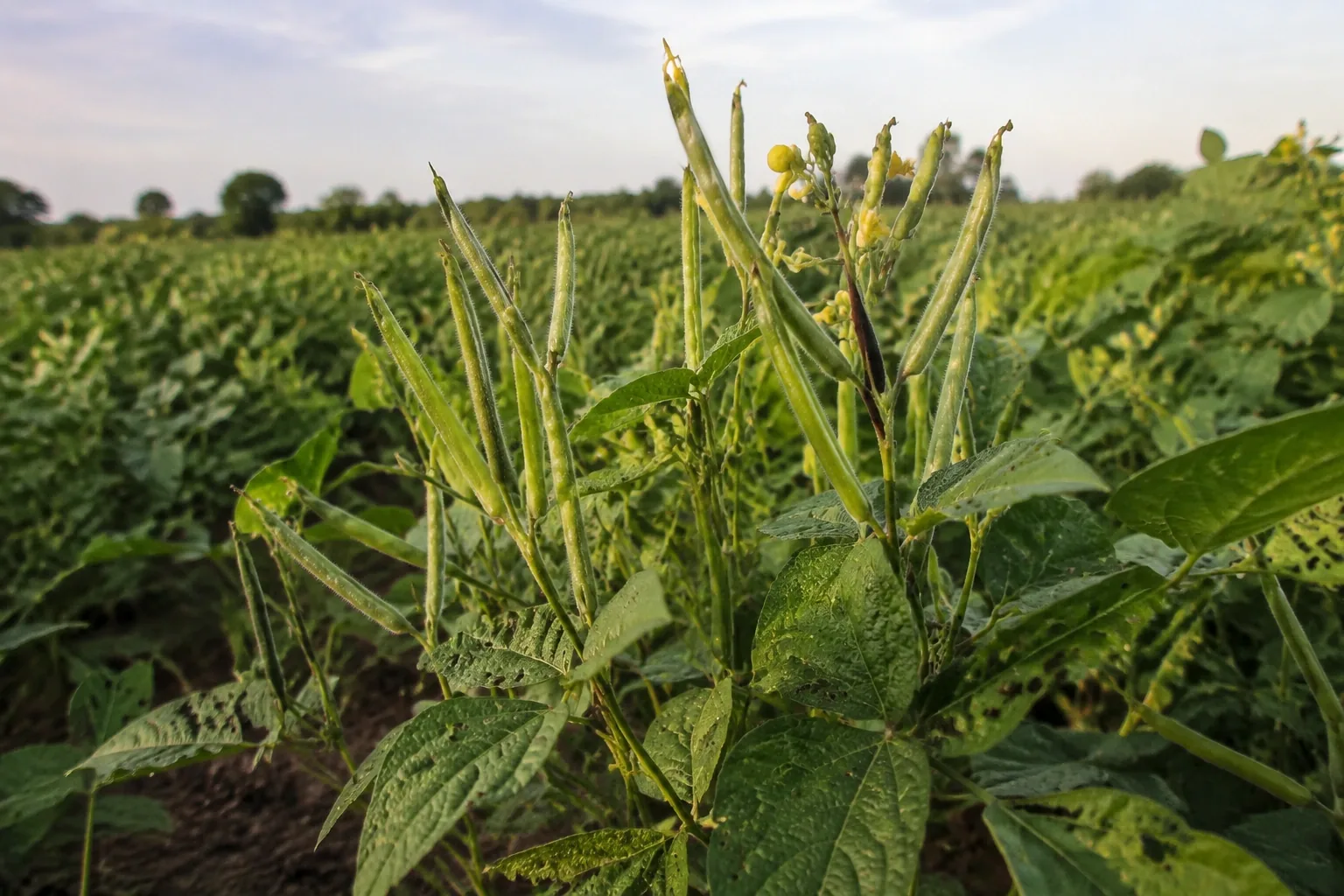
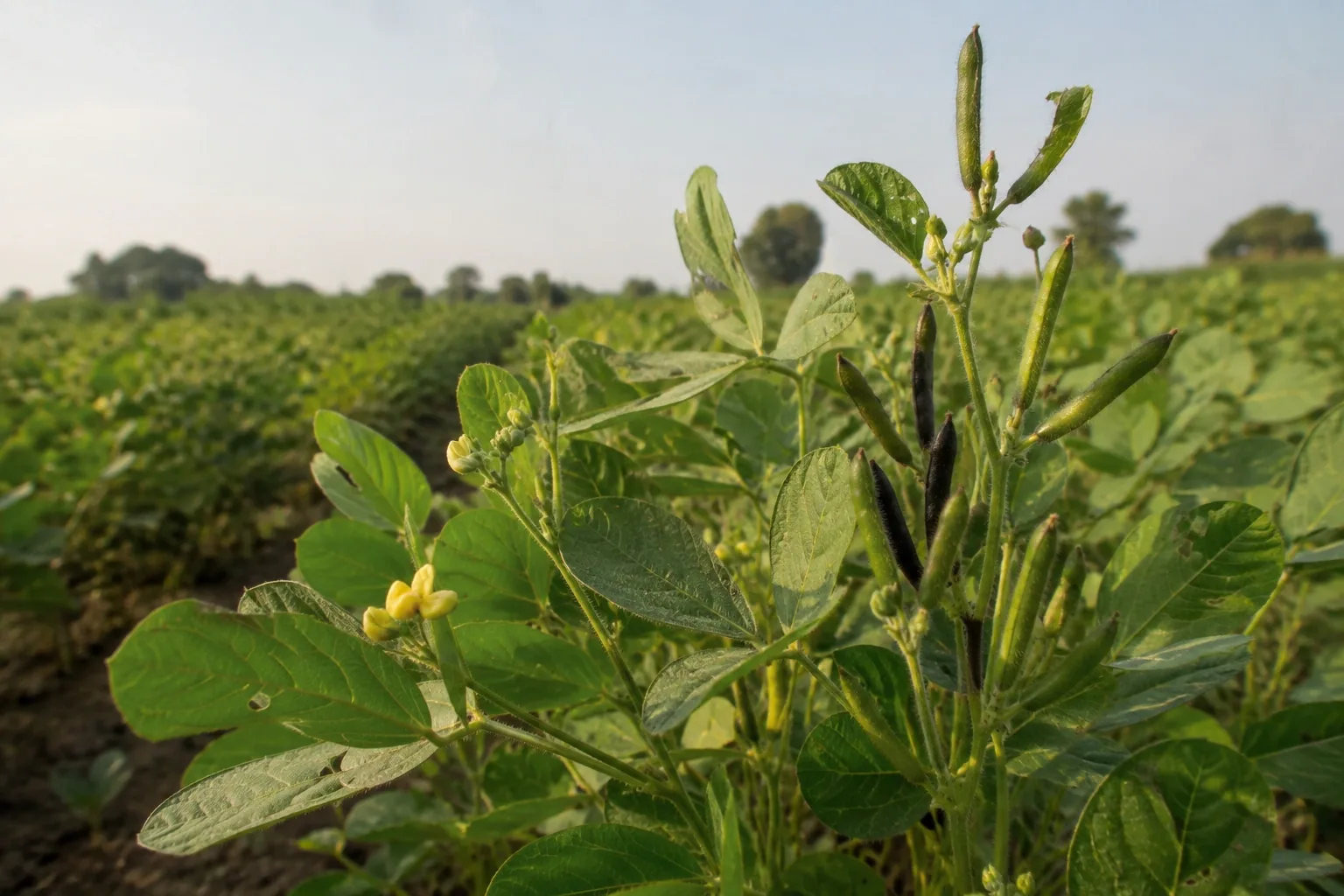
Species names follow current genomic taxonomy. Bacillus velezensis was reported as B. amyloliquefaciens in earlier studies and re-identified by whole-genome sequencing as the distinct species B. velezensis; Paenibacillus mucilaginosus was transferred from the genus Bacillus in 2010 and is listed under its basionym Bacillus mucilaginosus on its Chinese registration.
Choose the product and application programme to suit the crop, growing conditions and the label that applies in your market.
Quality & product characteristics
Product quality
Identity-verified (16S / WGS), purity-tested, batch CFU certification, per-formulation SDS; naturally isolated, non-GMO.
Technical specification
Registered technical indicator: total effective viable count ≥ 5×10⁸ CFU/g (Orvan™ Base granule). Viable count guaranteed to expiry; all three strains spore-forming, for heat and desiccation tolerance and no cold chain on the dry formats. Non-GMO, BSL-1.
Storage & product life
18 months from manufacture, sealed
Technical documents & support
Product information & application support
Contact Huasheng for technical information and application support for your crop and market. Please include your growing region and product requirements.
Crop data, specifications and documents
Orvan™ across the eight legumes
One core three-strain consortium, tuned into a crop edition for each legume.
| Crop | Edition | Leads on | Field-proven (Orvan™) |
|---|---|---|---|
| Peanut | Orvan™ Peanut | Aflatoxin–nitrogen coupling | +19.9% · 405 sites / 19 provinces |
| Soybean | Orvan™ Soybean | Nitrogen-fixation potentiation | +16.1% · 253 sites / 18 provinces |
| Common Bean | Orvan™ Bean | Nitrogen-fixation potentiation | +14.2% · 62 sites / 6 provinces |
| Cowpea | Orvan™ Cowpea | Nitrogen-fixation potentiation | +13.8% · 48 sites / 5 provinces |
| Pigeon Pea | Orvan™ Pigeonpea | Nitrogen-fixation potentiation | +12.6% · 36 sites / 4 provinces |
| Mung Bean | Orvan™ Mungbean | Nitrogen-fixation potentiation | +15.3% · 54 sites / 5 provinces |
| Black Gram | Orvan™ Blackgram | Nitrogen-fixation potentiation | +11.9% · 30 sites / 4 provinces |
| Alfalfa | Orvan™ Alfalfa | Amplified nodulation + stand establishment | +15.2% · 96 sites / 4 regions |
Formulations
Same biology, delivered to match your planter and mechanisation.
Orvan™ Base
Granule, 2–4 mm
Rate: 30–60 kg/ha
Best for: Broadcast or banded with base fertiliser
Orvan™ Coat
Liquid seed coating concentrate
Rate: 2.5 mL/kg seed
Best for: On seed, by hand or through a coater
Orvan™ Root
Water-soluble powder
Rate: 30–60 kg/ha
Best for: Dissolved, in-furrow at sowing
Orvan™ Coat — water added at treatment
| Seed-treatment situation | Orvan™ Coat : water | Product rate |
|---|---|---|
| No chemical seed treatment — hand mixing | 1 : 1 | 2.5 mL/kg seed |
| No chemical seed treatment — mechanical treater | 1 : 0.5 | 2.5 mL/kg seed |
| Applied together with a chemical seed treatment | No added water | 2.5 mL/kg seed |
The product rate does not move: 25 mL treats 10 kg of seed and 250 mL treats 100 kg, whichever row you are on. Only the water changes, and only to carry that fixed dose evenly over the seed without over-wetting it. Where a chemical seed treatment is used, apply it first, let the seed dry, then apply Orvan™ Coat undiluted as the final layer.
Tank-mix compatibility — seed-applied formulations
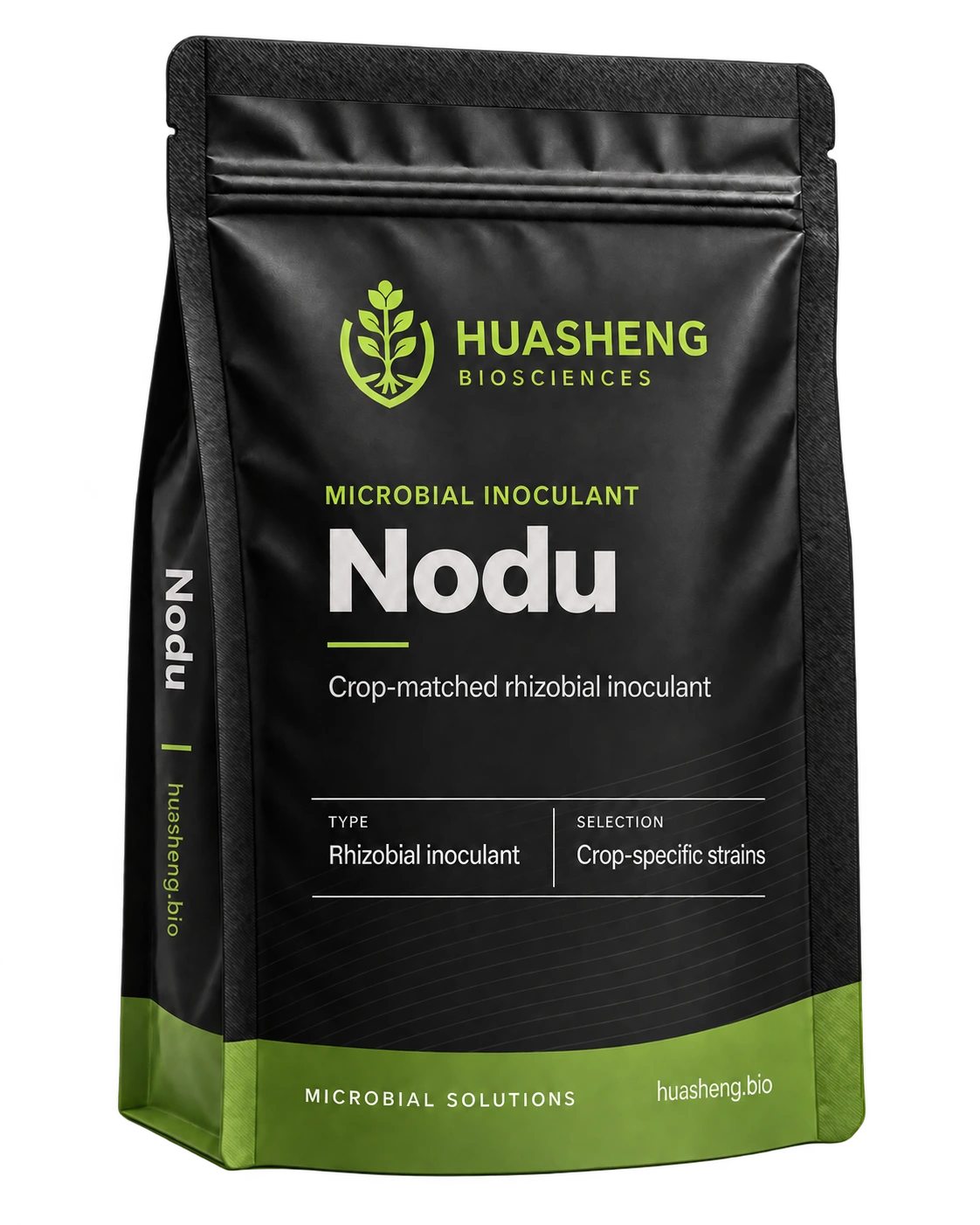
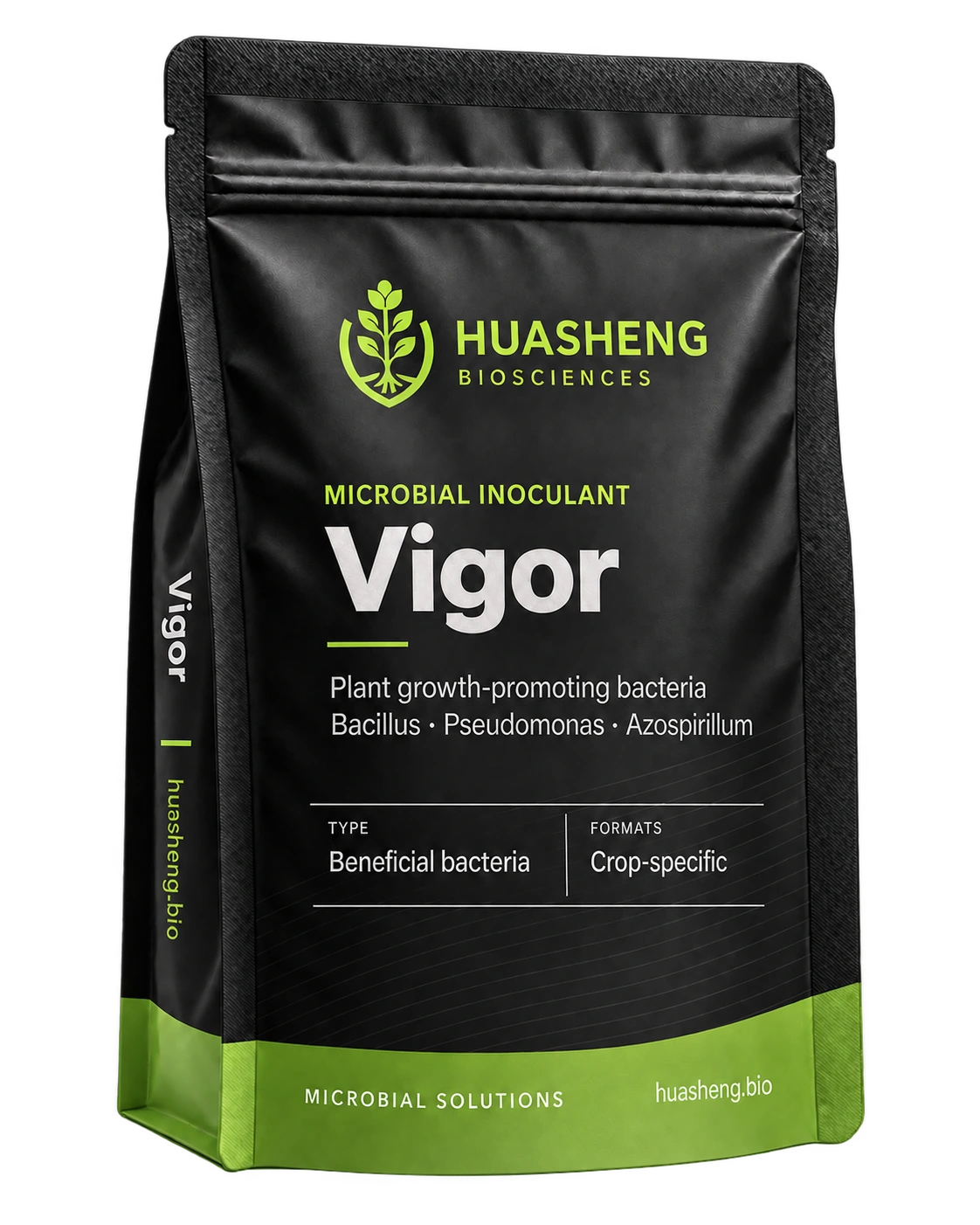
This list covers the formulation that goes onto seed, Orvan™ Coat. It is co-formulation testing, not inference from mode of action. It does not extend to Nodu™ or Vigor™, which carry different organisms, and it does not apply to Orvan™ Base or Orvan™ Root — see the note at the end.
Cleared for co-application
| Class | Active ingredients tested |
|---|---|
| Oomycete fungicides | Metalaxyl-M, metalaxyl, hymexazol |
| Benzimidazoles | Carbendazim, thiophanate-methyl |
| Triazoles (DMI) | Tebuconazole, difenoconazole, triadimefon |
| Phenylpyrroles | Fludioxonil, including the metalaxyl-M + fludioxonil pack |
| Imidazoles and related | Prochloraz, fluazinam |
| Strobilurins (QoI) | Azoxystrobin |
| Insecticides | Thiamethoxam, clothianidin, imidacloprid, chlorantraniliprole |
| Biologicals | Rhizobial inoculants and other beneficial bacteria |
Not compatible
| Class | Active ingredients |
|---|---|
| Copper compounds | Copper hydroxide, cuprous oxide, thiodiazole-copper, kasugamycin-copper |
| Thiazoles | Zinc thiazole, benziothiazolinone |
| Quinolines | Oxine-copper |
| Agricultural antibiotics | Zhongshengmycin, kasugamycin, streptomycin |
| Other bactericides | Bismerthiazol, octylamine acetate, chloro-bromo-isocyanuric acid |
The pattern behind the two lists is straightforward. Nearly every fungicide used in seed treatment acts on fungi and has little activity against bacteria, so it can be co-applied. Products registered against bacterial disease — canker, wilt, soft rot, bacterial spot — are aimed at the same class of organism as the inoculant, and cannot. Two further points on copper: it should not be combined with strong acids or phosphate fertilisers, and an over-concentrated seed coating suppresses germination irrespective of the biology. Note also that this list names active ingredients. A commercial product also contains solvents, surfactants and, in many liquid formulations, an in-can preservative, none of which are covered here; where a specific product matters, test it.
Orvan™ Base and Orvan™ Root are placed in the soil and never contact a treated seed coat, so seed-treatment compatibility does not apply to them. Their compatibility question is a different one: what they are blended with. Urea hydrolyses to ammonia and lifts pH in the immediate surroundings; high-salt fertilisers such as potassium chloride and ammonium phosphates impose osmotic stress; superphosphate carries free acidity. None of this is prohibitive, but contact time is the exposure, so blend immediately before application rather than storing a prepared blend. Where a seed treatment is heavy enough to be a concern, moving the biology into the furrow removes the question rather than managing it.
Ordering & logistics
Packaging formats, minimum order quantity, and lead time depend on the formulation, the destination market, and the registration route that applies there. Tell us your crop, region, and intended volume and we will confirm exactly what is available to you.
Request a quotation- Origin
- Manufactured in China
Certifications & documents
- Registration
- MARA-registered microbial inoculant (granule, powder and compound forms)
- Standard
- GB 20287-2006
The SDS provided covers the granule formulation. For the SDS of other formulations, please contact us.
Full technical documentation available to qualified partners.
Further technical reading
HUASHENG BIO
Good products. Lasting partnerships
Contact Huasheng about products, technology development or partnerships.