Nodu™, Vigor™, Orvan™: which biological does what
Three technologies, three roles. A side-by-side guide to what each one is, what it does, and when to use it.
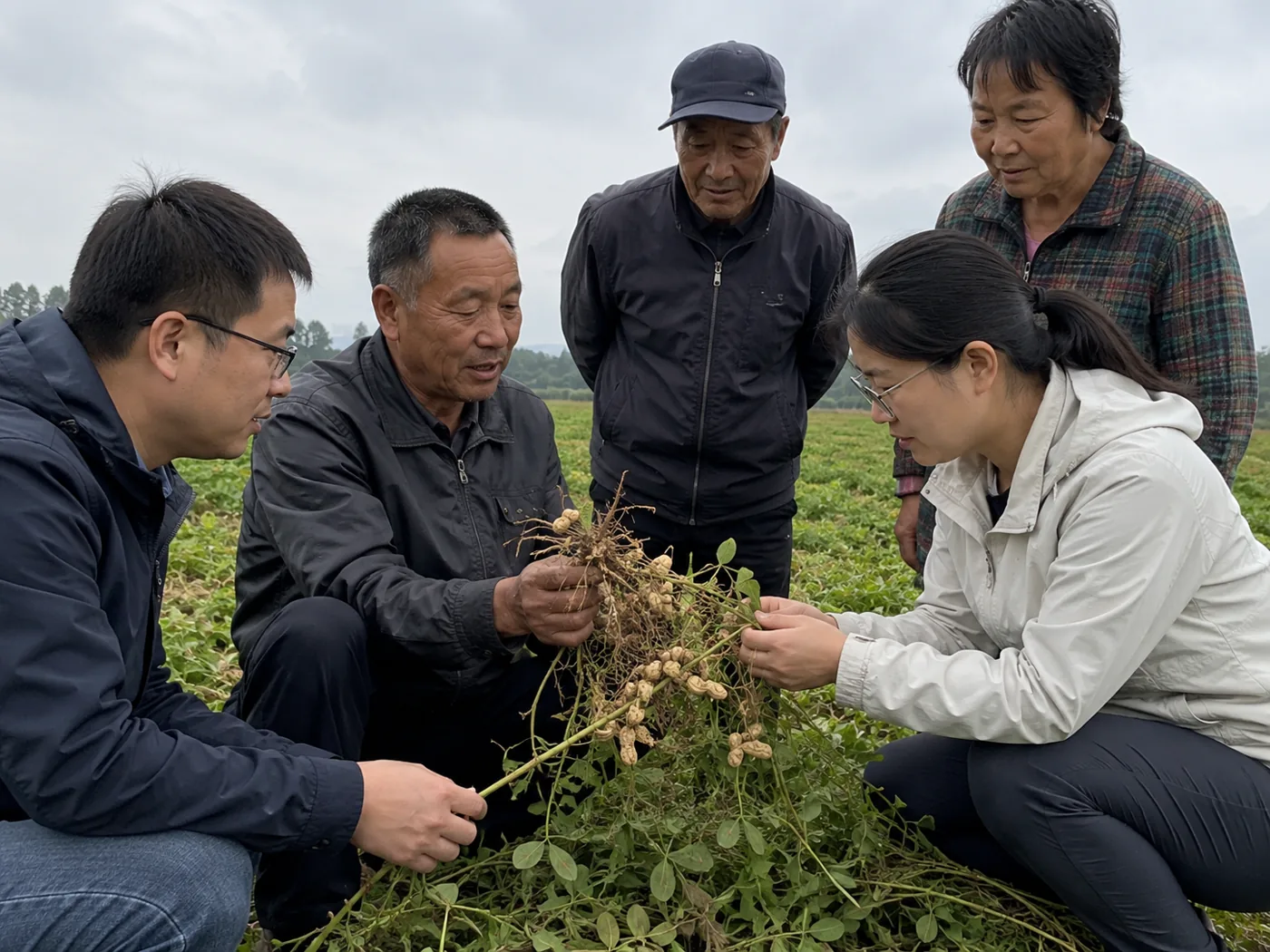
This article compares three complementary inoculant products: Nodu™, Vigor™ and Orvan™. They are designed to work together, not to compete — each does a job the others do not, and a full programme often uses two or three at once. Below is a simple way to tell them apart, what each delivers, and how to combine them.
| Nodu™ | Vigor™ | Orvan™ | |
|---|---|---|---|
| What it is | Region-matched rhizobial inoculant | Broad-spectrum PGPR inoculant | Aspergillus–Rhizobia Coupling consortium |
| Main job | Establish nitrogen-fixing nodulation | Roots, phosphorus, stress tolerance | Amplify nodulation and nitrogen fixation |
| Crop specificity | One SKU per legume (host-specific) | One formula, all legumes | Crop-specific editions of a core consortium |
| Contains rhizobia? | Yes — elite strains | No | No — amplifies native or co-applied rhizobia |
| Live count (to expiry) | Stated per formulation | Stated per formulation | Stated per formulation |
Nodu™ — the nitrogen your legumes can make for themselves
Nodu™ delivers elite, region-matched rhizobia so legumes fix more of their own nitrogen. Because rhizobia are host-specific, it is supplied as one SKU per crop, each strain selected for local soils and confirmed against native populations before release:
- Soybean — soybean-specific Bradyrhizobium japonicum / diazoefficiens (USDA 110-type).
- Common bean — fast-growing Rhizobium tropici (CIAT 899-type).
- Peanut, cowpea, mung bean, black gram, pigeon pea — cowpea-miscellany Bradyrhizobium (including BR 3267-type).
- Alfalfa — Sinorhizobium (Ensifer) meliloti.
Vigor™ — stronger roots, more available phosphorus
Vigor™ is a broad-spectrum plant growth-promoting rhizobacteria (PGPR) inoculant. It promotes root growth, helps release phosphorus that is otherwise bound and unavailable in the soil, and improves tolerance of drought and salinity. Unlike Nodu™, it is a single broad-spectrum formula that works across all eight legumes, and it complements the nitrogen fixers rather than replacing them, because a larger, healthier root system supports more nodulation and better nutrient uptake.
Orvan™ — two jobs in one pass
Orvan™ is the coupling consortium: applied alongside a rhizobial inoculant, it amplifies rhizobial nodulation and nitrogen fixation. It contains no rhizobia of its own; instead, it makes the rhizobia already present work more effectively. Across multi-site trials on all eight legumes it lifted yield by roughly +12% to +20% (peanut +19.9%, soybean +16.1%), and in multi-year trials maintained a >10% gain on 20–40% less synthetic nitrogen. The full results are given in our Orvan™ overview.
When to use each
They are not alternatives — a full programme often uses two or three together. As a starting point:
| Use… | When… |
|---|---|
| Nodu™ | The right rhizobia may be missing — new ground, or a specific host such as soybean |
| Vigor™ | Roots, phosphorus availability, or drought / salinity tolerance are limiting |
| Orvan™ | On any legume, to amplify nodulation and nitrogen fixation in a single pass |
Putting them together — two examples
On a first-time soybean field, start with Nodu™ soybean to establish the specific Bradyrhizobium that is missing from the soil, and add Orvan™ to amplify that nodulation; add Vigor™ where phosphorus or drought is the limiting factor. On peanut, Nodu™ peanut plus Orvan™ establishes fixation and amplifies nodulation in a single pass at sowing. The three are additive: matched to the crop and to the field’s actual constraints, they cover the whole legume system in one pass at sowing.