Integrating biological inputs into fruit and vegetable production
Consider root conditions, crop growth, nutrition and protection together throughout the season.
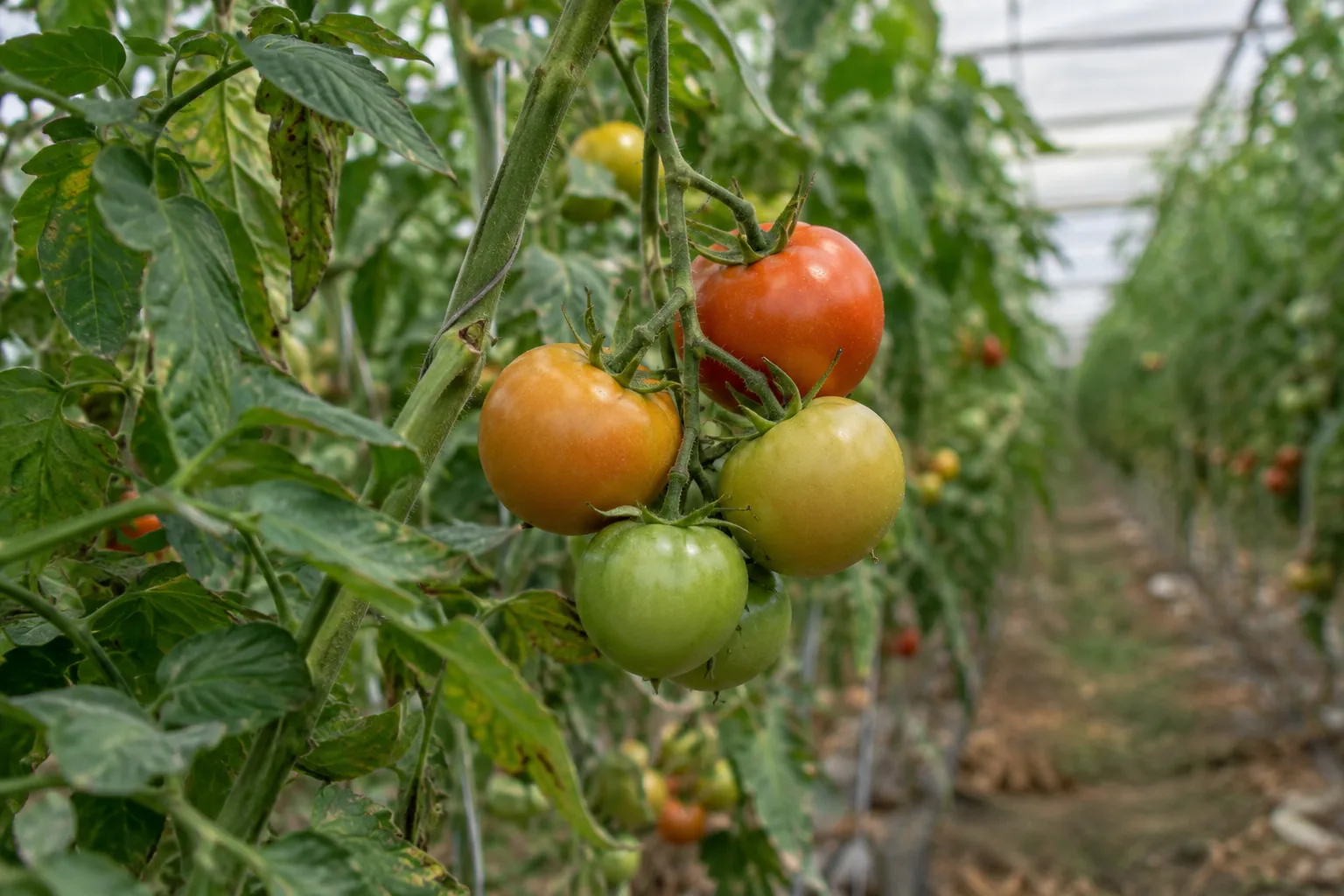
Account for the growing system
A substrate-grown berry crop and a soil-grown orchard may share a nutritional question while differing in irrigation, root volume, microbial environment and product handling. The growing system needs to be part of the product brief, not an afterthought.
Start with healthy planting material and roots
Seedling and transplant stages bring together plant quality, substrate properties, roots and nutrition. Biological products should be selected on that foundation. Mycorrhizal products, beneficial bacteria and soluble biostimulants serve different functions and should not be grouped under one generic “rooting” promise.
Separate fruit nutrition from environmental response
Calcium nutrition concerns a mineral nutrient and its movement in the crop. A plant-extract biostimulant serves a different purpose. Both can belong in a fruit programme, but neither makes the other unnecessary. Water management remains central to interpreting crop performance.
Maintain monitoring and prevention
Intensive horticulture benefits from clear monitoring and prevention routines. Biological protection belongs alongside these practices, with attention to the product’s documented targets, its local label and how it interacts with the rest of the programme.
Record and review crop responses
Record the growth stage at which each input is applied, its purpose and the observations to track. At the end of the cycle, assess whether the original need was addressed and whether the programme was practical to carry out. Adding more products does not necessarily improve the programme.