When fruit lacks calcium, adding more is only part of the answer
Follow calcium from the root zone to developing fruit to understand blossom-end rot, bitter pit and the questions a useful nutrition programme should answer.
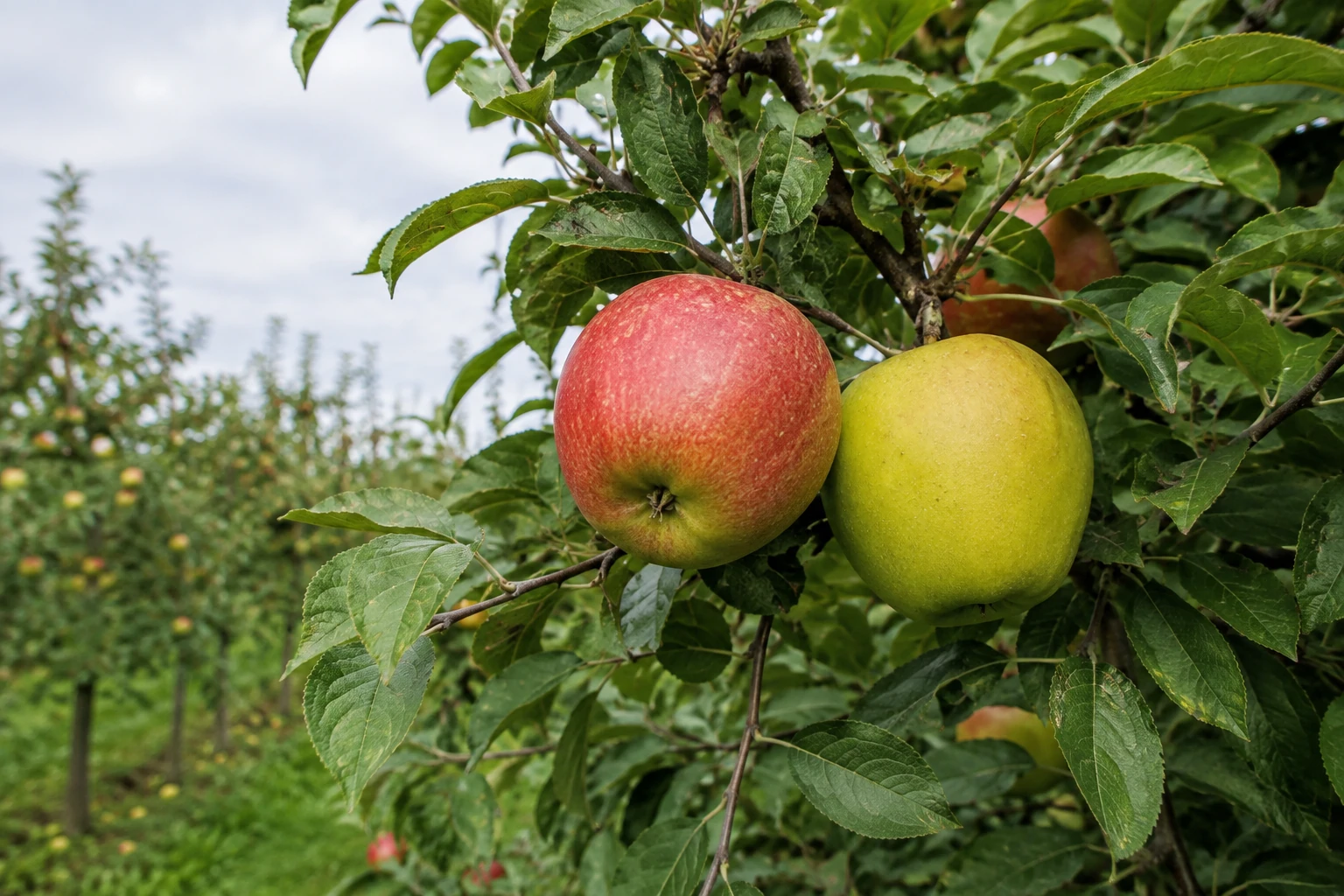
A calcium-related fruit disorder often prompts an immediate response: add more calcium. Yet a familiar field situation complicates that decision. Soil calcium may be adequate and leaves may appear well supplied while fruit still develops a problem. The distinction often missed is between calcium present around the roots and calcium available in the tissues that need it. Tracing calcium along that path makes product selection more purposeful.
Calcium must reach the right tissue
Calcium contributes to cell-wall and membrane stability. Much of its movement from roots depends on water transport through the xylem. Calcium already deposited in leaves is poorly redistributed to fruit, so a well-supplied canopy cannot simply release a reserve when fruit demand increases. Fruit and leaves also differ in transpiration and water delivery. A whole-plant supply assessment therefore does not fully describe the calcium status of an individual fruit or its most vulnerable tissues.
For tomato, look back at water availability
Blossom-end rot is a physiological disorder associated with inadequate calcium in developing fruit. Affected tissue commonly appears near the blossom end and becomes dark and sunken. Episodes of uneven moisture, root injury or waterlogging can interrupt uptake and delivery during fruit development. A black lesion alone is insufficient for diagnosis: sunscald and infectious fruit rots belong in the differential diagnosis. Record where symptoms occur, the stage of the fruit and any preceding changes in weather or irrigation. Those observations are more informative than a record stating only that another calcium application was made.
For apples, include cultivar and tree balance
Bitter pit also involves calcium status within fruit tissues, but apple orchards require a different assessment from tomato production. Research and extension work at Washington State University describes the interacting effects of cultivar, xylem function, tree vigour and crop load. Some damage becomes more evident during storage. Consequently, comparing nutrition programmes requires context about cultivar, rootstock, fruit size, harvest maturity and storage conditions. A difference between two bins is difficult to interpret if those conditions also differ.
Turn observations into useful questions
A field observation framework for calcium-related disorders
| Pattern | Check first | What it helps distinguish |
|---|---|---|
| One fruit cohort is affected | Water and weather records during development | A shared timing effect |
| The same patch is repeatedly affected | Water distribution, drainage and root condition | A local root-zone limitation |
| Leaves look normal but fruit is affected | Fruit sampling and tissue-specific diagnosis | Fruit status from canopy appearance |
| Cultivars behave differently in one orchard | Vigour, crop load and fruit-size distribution | Cultivar risk from a product effect |
This framework is most useful when observations remain linked to identifiable blocks and harvest dates. Combining records from several cultivars into a single farm average can hide the part of the programme that needs attention. Photographs are helpful, but they should accompany counts and descriptions rather than replace them.
Give a calcium product a defined role
Where a soil or substrate assessment identifies inadequate calcium supply, an appropriate calcium source has a clear nutritional role. Where water delivery or root-zone aeration is limiting, those conditions also need attention. Compare products first by their actual calcium content, accompanying nutrients, intended crop and application site, and then by evidence from a comparable growing system. Root nutrition and treatments directed at fruit are distinct applications. A high-calcium description alone does not establish that two products serve the same purpose.
A biological input intended to support root development can be evaluated within this wider management programme. However, improved rooting does not by itself demonstrate control of blossom-end rot or bitter pit. Keep the questions connected but separate: did root-zone performance improve, and did the proportion of marketable fruit change? This makes it possible to identify a useful contribution without attributing every outcome to one input.
Judge the programme at harvest and beyond
Useful records include total production, marketable proportion, disorder incidence and grade distribution under comparable management. For stored crops, include the outturn after storage. Tissue that is already damaged will not become sound after a nutritional correction; the meaningful assessment concerns fruit that forms, or continues to develop, after the change. Before the next season, review whether the apparent benefit recurred across harvests and whether extra application costs were justified by saleable output. That review connects the original diagnosis to a commercial result and gives the next product decision a much firmer basis.