Skip to content
Products

Biological crop protection

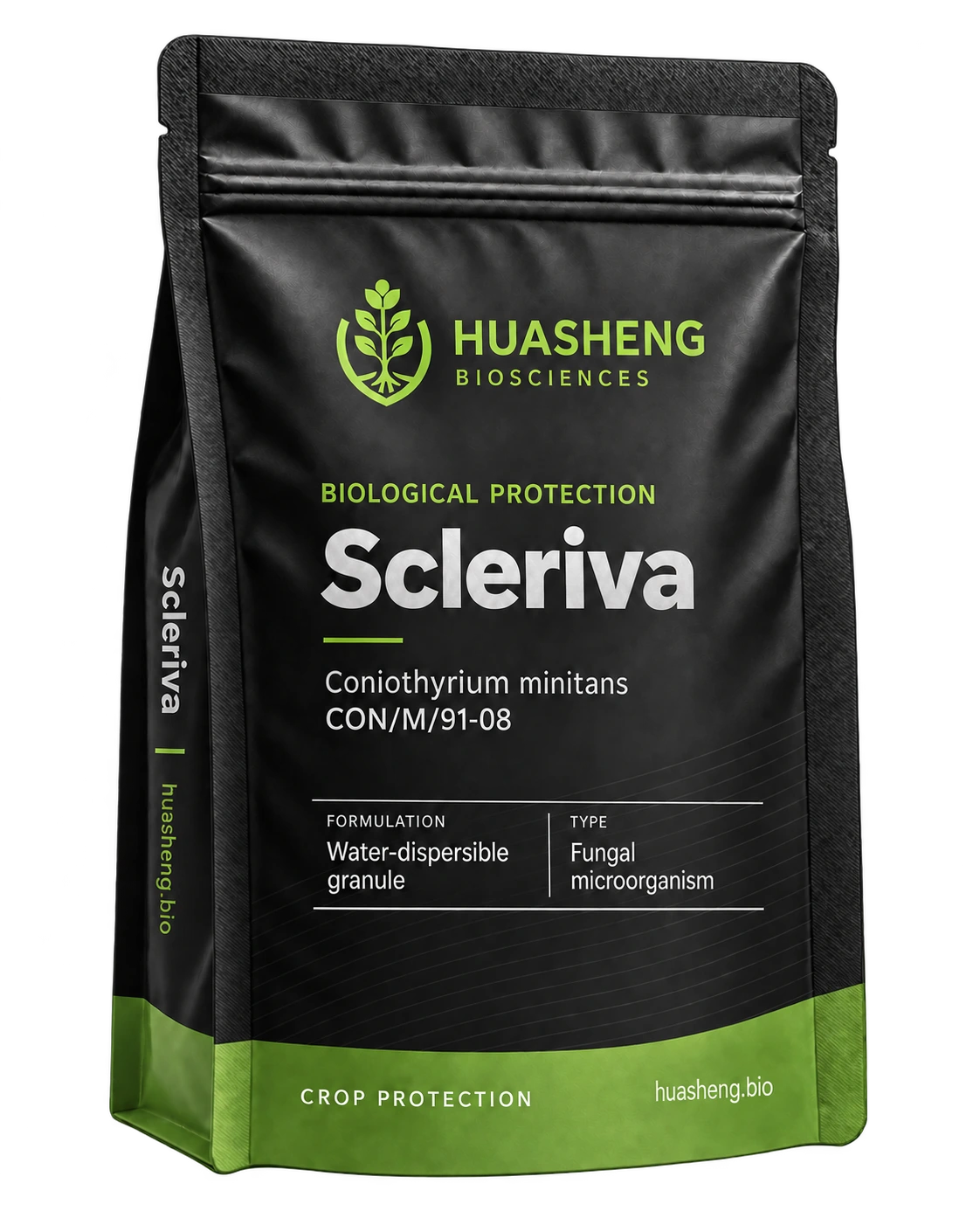
Scleriva™

Scleriva — Sclerotinia biological protection

Sclerotinia biological protection

Scleriva centres on Coniothyrium minitans CON/M/91-08 and the persistent soil reservoir behind Sclerotinia disease. Sclerotia are survival structures that can carry infection risk between crops. This fungal biological approach focuses on those structures, making the condition of the soil and the history of susceptible crops central to its role.

Principal components
Coniothyrium minitans CON/M/91-08
Crops
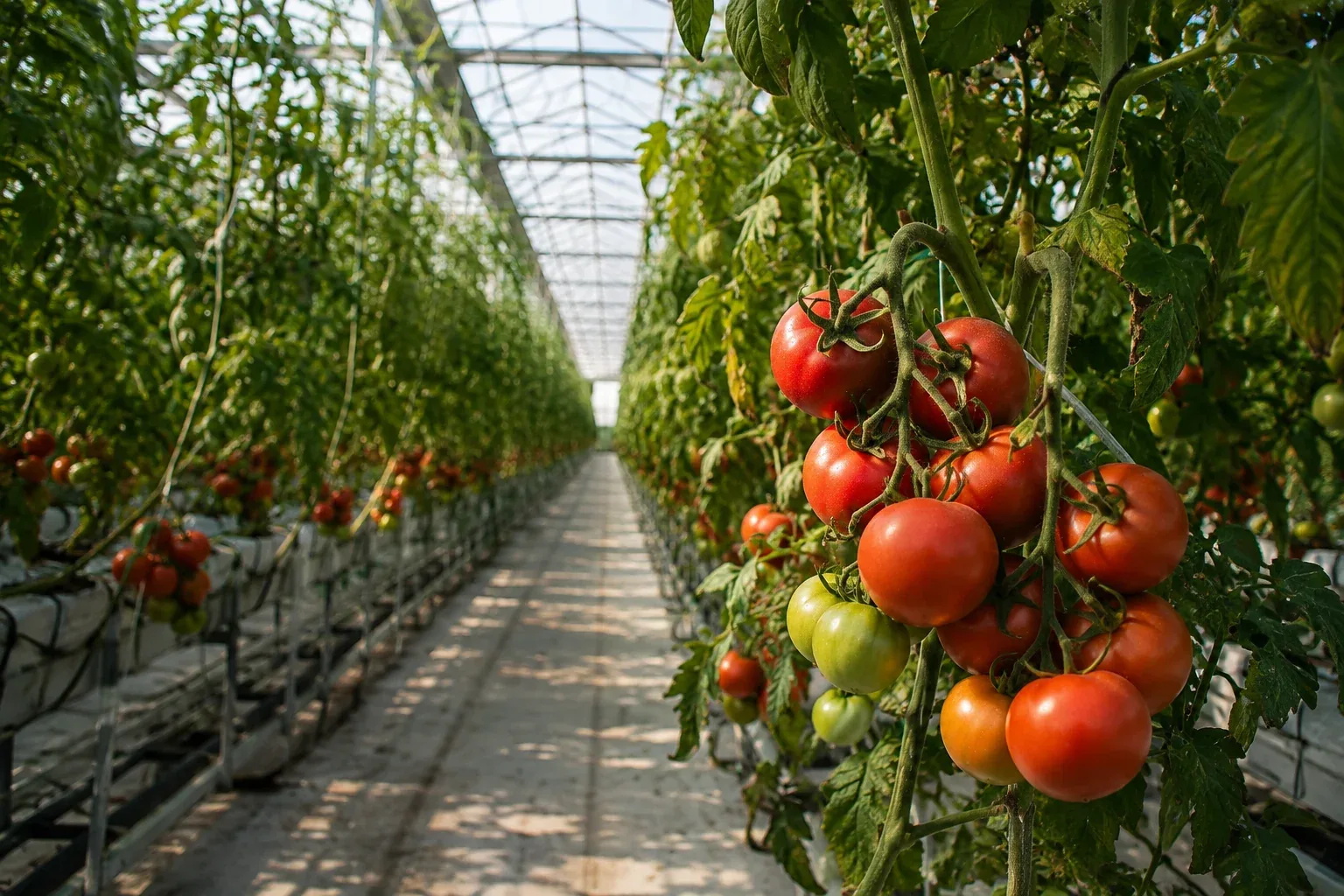
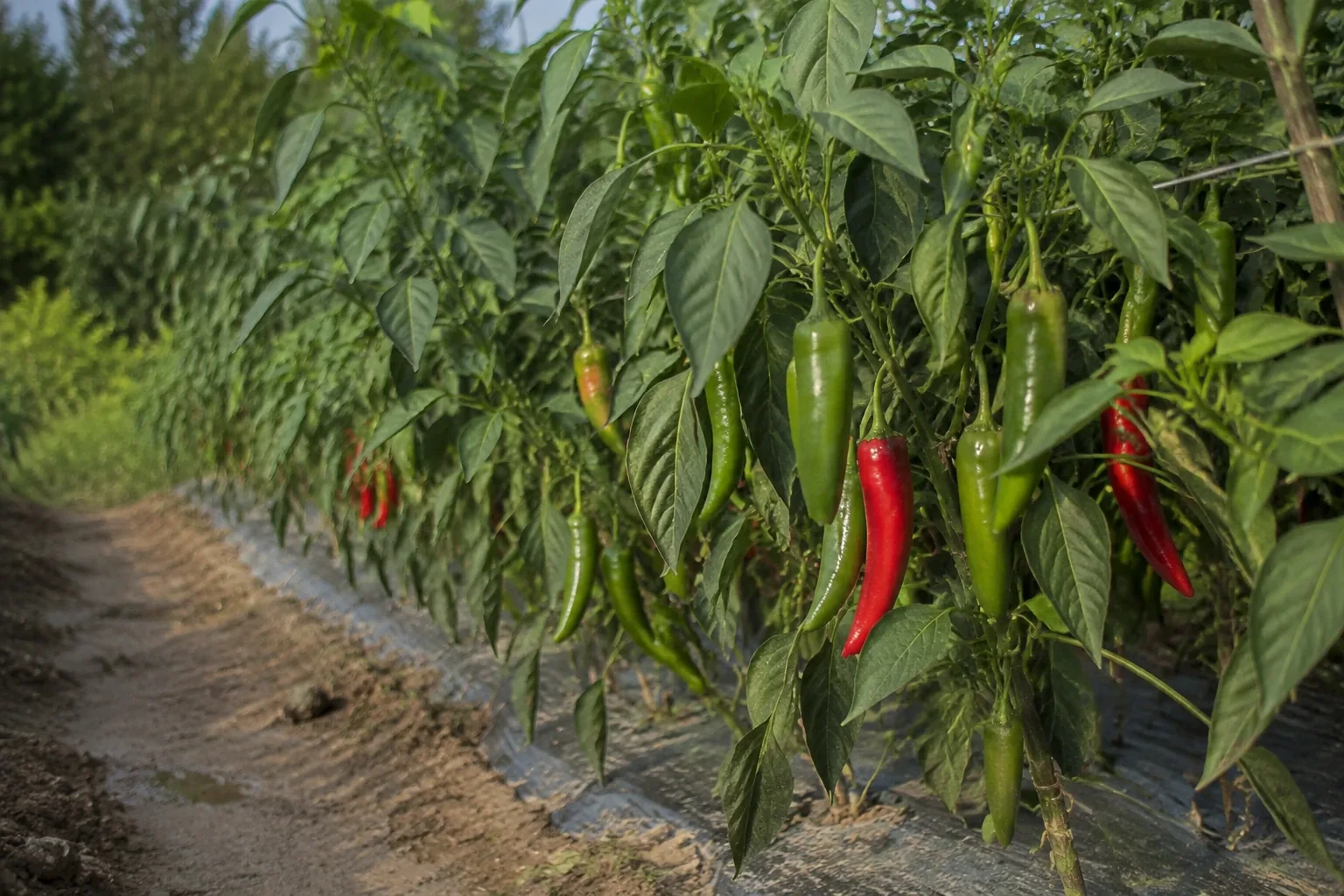
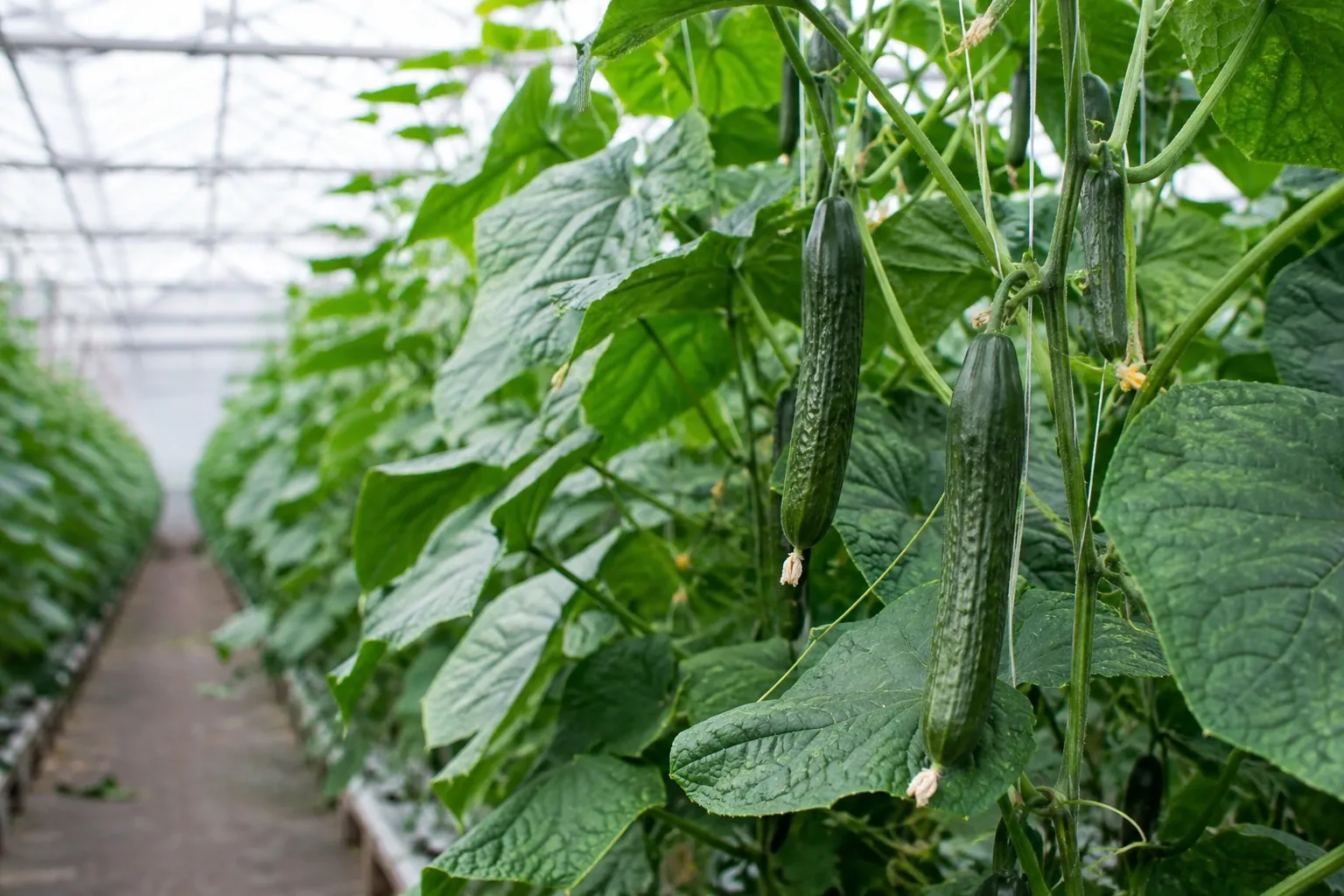
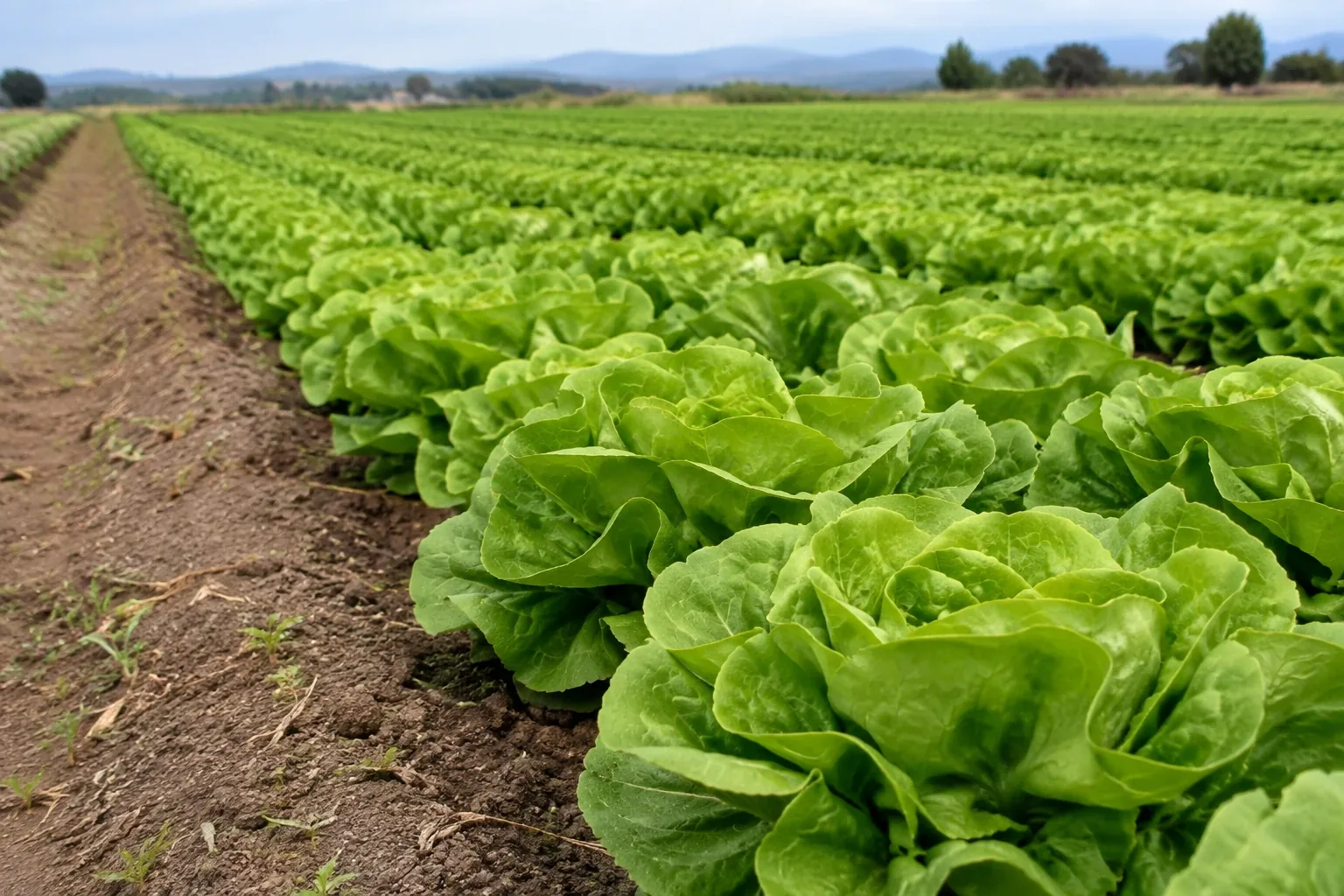
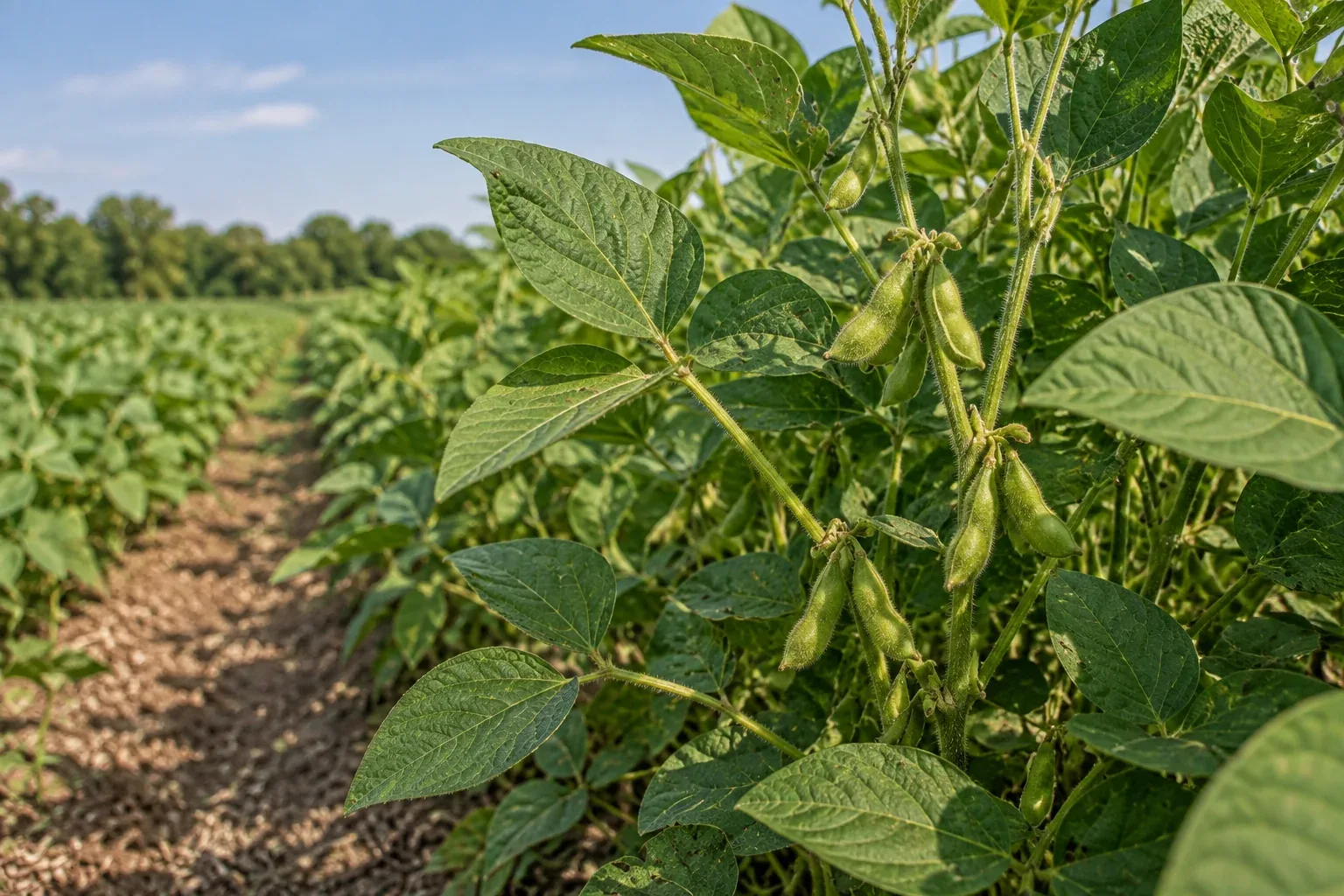
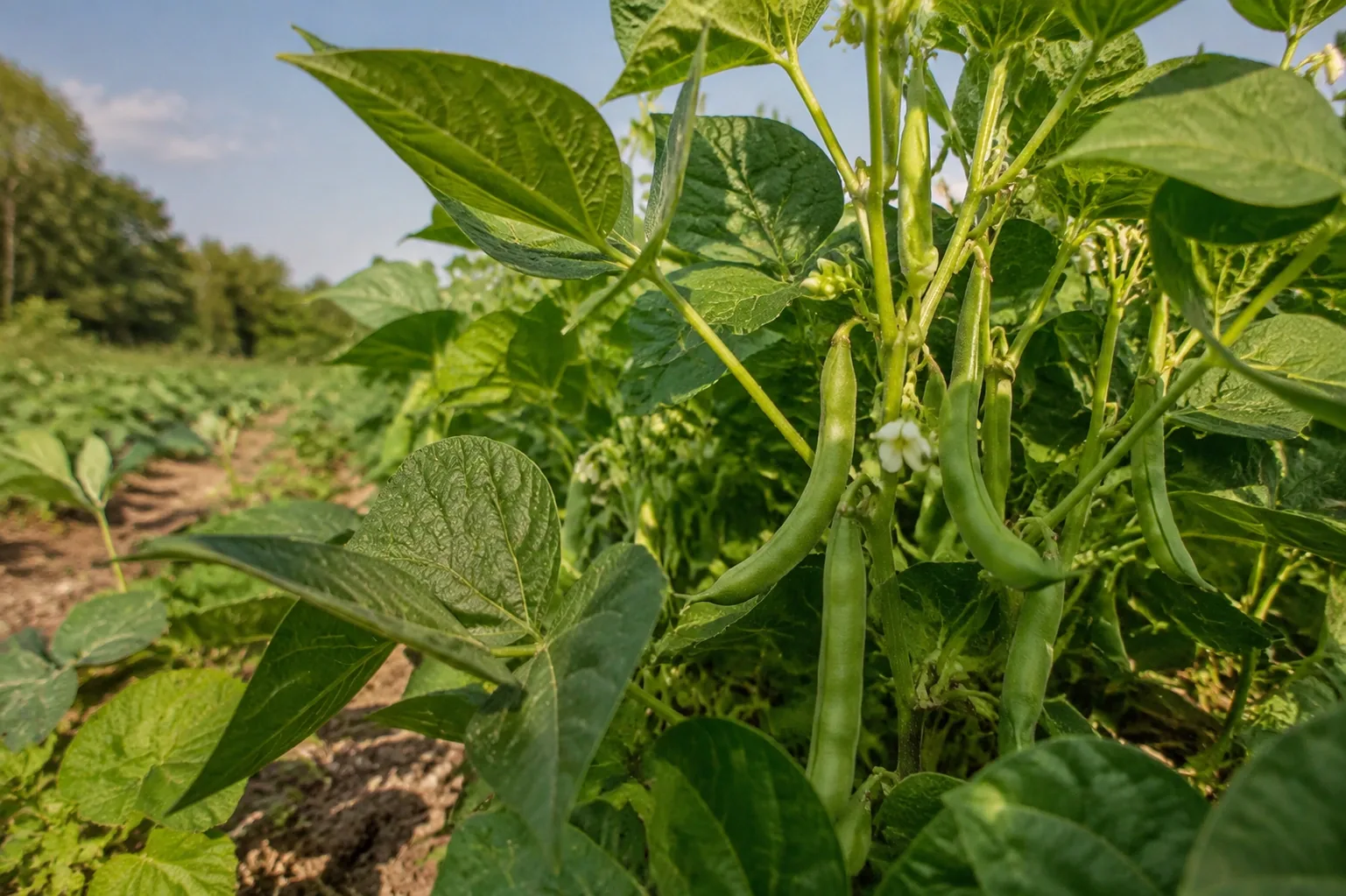
Lettuce · Tomato · Pepper · Cucumber · Soybean · Common bean

Contact our team for regional product availability.

Sclerotinia soil inoculum

The persistent source of disease

Sclerotia maintain a reservoir of Sclerotinia in soil between susceptible crops. Focusing on this reservoir connects current soil health with the risk of disease in the crop sequence.

A specific fungal interaction

C. minitans interacts with Sclerotinia survival structures. CON/M/91-08 provides a defined strain identity for this biological relationship and its soil-disease-management role.

A crop-sequence perspective

Lettuce, susceptible fruiting vegetables, soybean and snap beans provide relevant crop settings. Disease history and the succession of susceptible crops help describe the importance of the soil reservoir.

Composition & material characteristics

Coniothyrium minitans CON/M/91-08

CON/M/91-08 identifies a strain of Coniothyrium minitans associated with Sclerotinia soil management. Its biological interaction with fungal survival structures provides the scientific basis for focusing on the persistent source of infection.

Water-dispersible granule

CON/M/91-08 is documented in water-dispersible-granule formulations. The organism, its biological activity and the physical properties of the granule are distinct elements of the technical composition and quality description.

Biological targets & documented applications

Public technical records describe the biological identity, target and application context. Each record retains its own strain, formulation and market scope.

Canada · crop-specific specimen-label evidence

DOCUMENTED APPLICATION

The specimen label uses suppression for lettuce, tomato, pepper and snap beans against S. sclerotiorum and/or S. minor, and for soybean against S. sclerotiorum.

TECHNICAL SCOPE

Establishes the Canadian crop and target scope for CON/M/91-08, with suppression as the stated outcome.

Canadian specimen label — CON/M/91-08 crop scope

United States · soil reduction/control specimen claim

DOCUMENTED APPLICATION

The United States reference describes reduction/control of S. sclerotiorum and S. minor in soil and lists cucumber among susceptible crop uses.

TECHNICAL SCOPE

Provides a United States cucumber context for the soil reduction/control role of CON/M/91-08.

United States specimen label — CON/M/91-08 soil claim

Crop applications

The Canadian CON/M/91-08 label covers suppression of S. sclerotiorum and/or S. minor in lettuce, tomato, pepper and snap beans, and suppression of S. sclerotiorum in soybean. The United States label includes cucumber under reduction/control of the two Sclerotinia species in soil.

Sclerotinia diseases

Lettuce · Pepper · Cucumber · Soybean

CON/M/91-08 · US WG label: reduction of soil inoculum of S. sclerotiorum and S. minor; a preventive soil role.

Sclerotinia diseases

Tomato · Common bean

CON/M/91-08 · Canada WG label: suppression of Sclerotinia disease; bean scope concerns snap beans.

Select the product and application programme for the crop, growing conditions and applicable market label.

Quality & product characteristics

Strain identity

The CON/M/91-08 designation identifies the biological component throughout the technical record. Identity and traceability connect the material with its formulation description, batch history and corresponding quality documentation.

Biological activity

Biological activity characterises the living fungal component relevant to the interaction with Sclerotinia. Microbiological purity and formulation consistency describe additional quality attributes of the same material.

Granule integrity and stability

Granule quality describes the physical consistency of the formulation. Stability information records the maintenance of relevant physical and biological properties over product life, connecting the formulation description with its continuing quality.

Product questions

Does Scleriva target the soil reservoir behind Sclerotinia?

Yes. Its declared fungal identity, Coniothyrium minitans CON/M/91-08, is linked to Sclerotinia sclerotia in the cited records. This is a specific biological role rather than a broad claim against all soil-borne diseases.

Do the cited markets use identical efficacy wording?

No. The Canadian record uses suppression for the listed crop combinations. The United States record describes reduction/control in soil; the corresponding crop and market context remains part of each statement.

Technical documents & support

Product information & application support

Contact Huasheng for technical information and application support for your crop and market. Please include your growing region and product requirements.

Related products

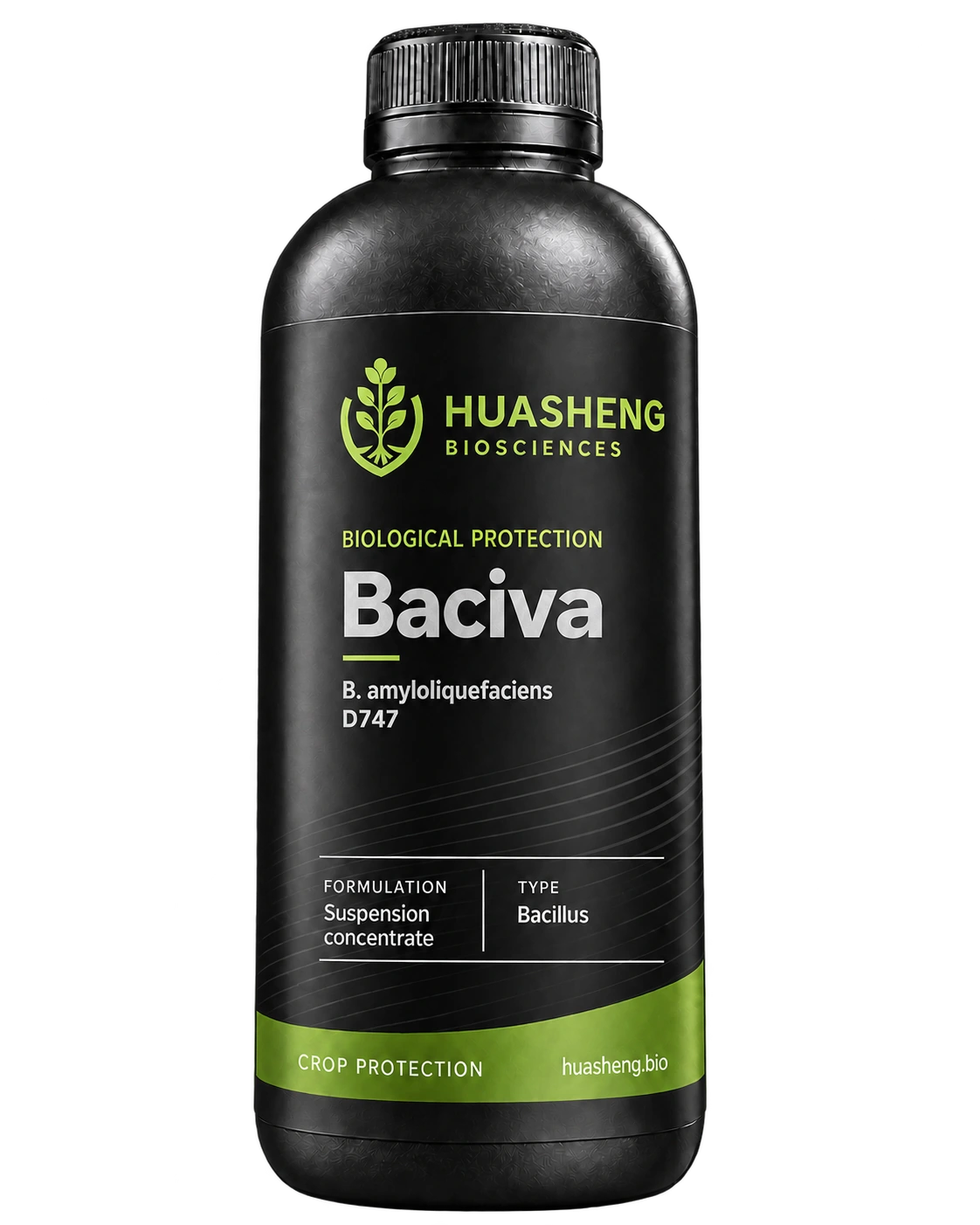
Baciva — Bacillus biological protection

Baciva

Bacillus biological protection

Integrated crop-health management

Components
B. amyloliquefaciens D747
Crops
Tomato · Pepper · Cucumber · Lettuce · Soybean · Common bean · Cowpea · Pigeon pea · Mung bean · Black gram · Peanut · Citrus · Grapes · Strawberry · Blueberry · Alfalfa

HUASHENG BIO

Good products. Lasting partnerships.

Tell us about your crop, market or technology. Our product and technical teams will help shape the next step.

Contact Huasheng