Seaweed, amino acids and humic products: how do they differ?
Compare their composition, nutrient contributions and intended uses.
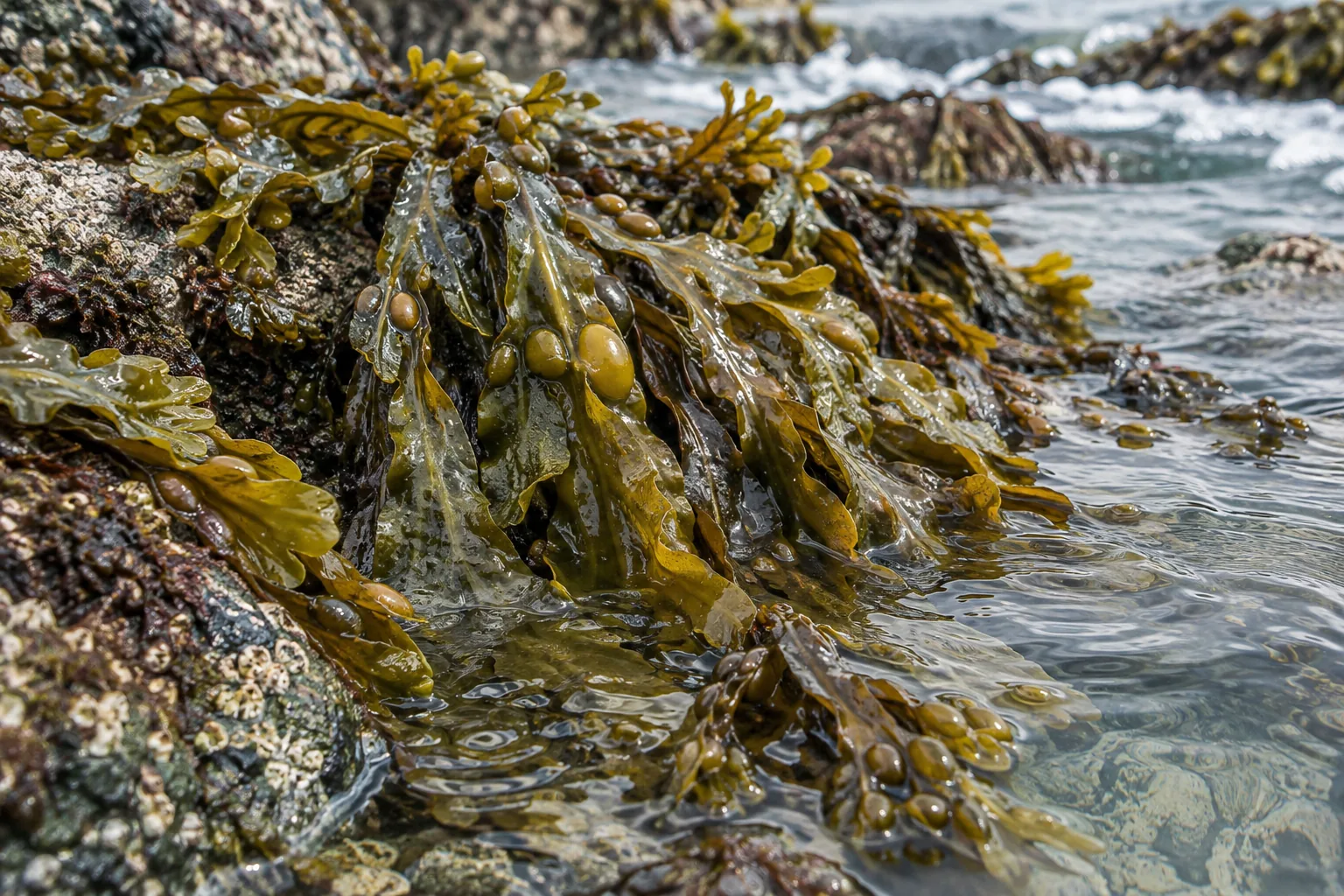
Review the source and composition
Seaweed products differ by algal source and extract composition. Amino-acid products differ by raw material and molecular profile, while humic products differ by their fractions and analytical methods. A category name alone does not describe the finished product’s specifications.
Account for nutrients supplied
These products may also supply nutrients. Include that contribution in the crop’s nutrient budget and describe it separately from any biostimulant function. Product comparisons should cover both.
Choose products for the growing system
Root-zone management, crop establishment and responses to environmental conditions are different objectives. Growers need to understand a product’s intended use, how it fits the existing programme and the information supporting that use.
Avoid comparing unlike measurements
A soluble-solids value, a total amino-acid percentage and a declared humic-acid content do not measure the same thing. Even within one category, analytical methods and reporting basis may differ. Review the document, not just the number on a sales slide.
Compare products by purpose and documentation
Selva, Amino and Humia have distinct intended uses in the Huasheng portfolio. Assess each one against the crop’s needs and its own technical documents, rather than applying the same general claim to every product in the category.