Powdery mildew
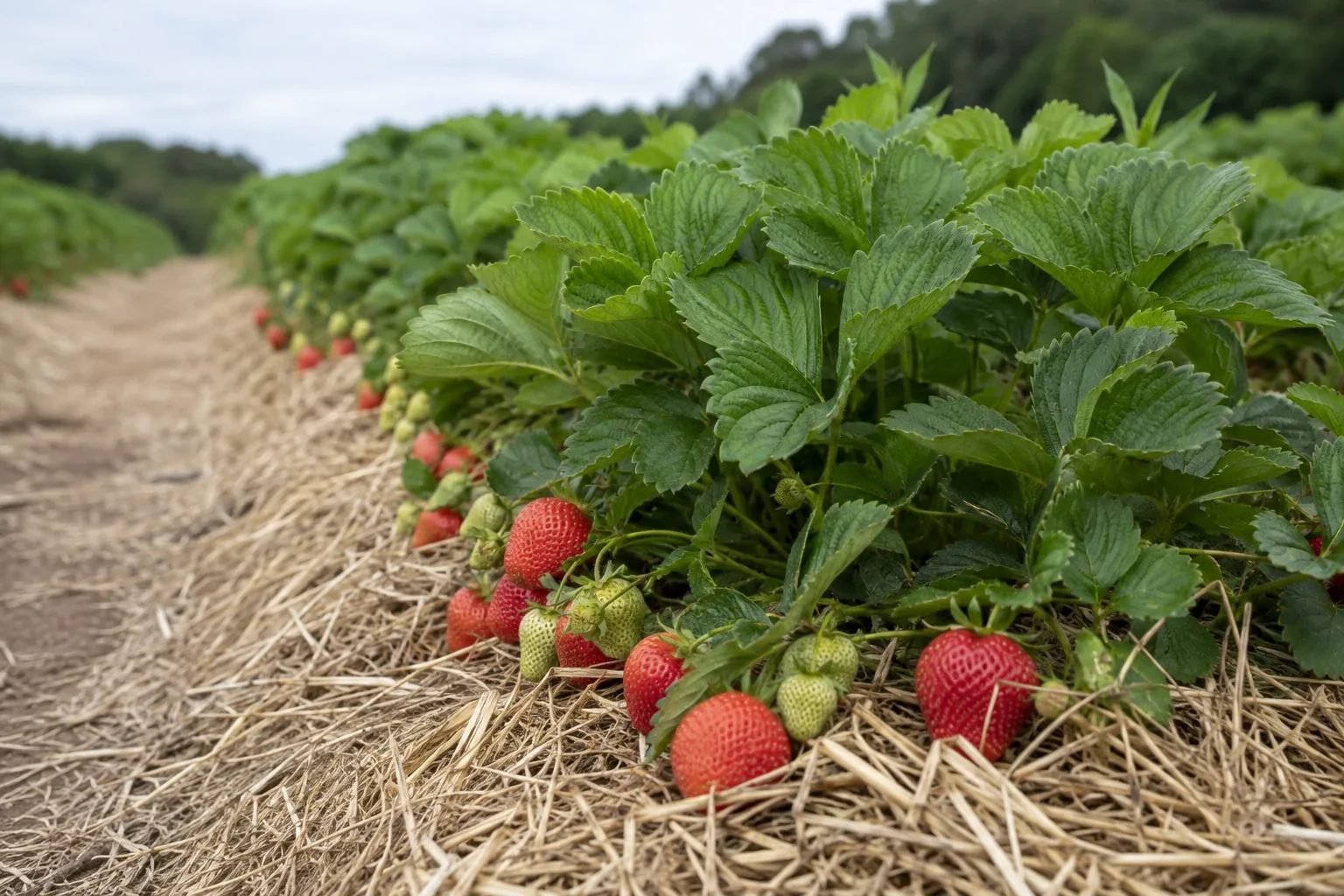
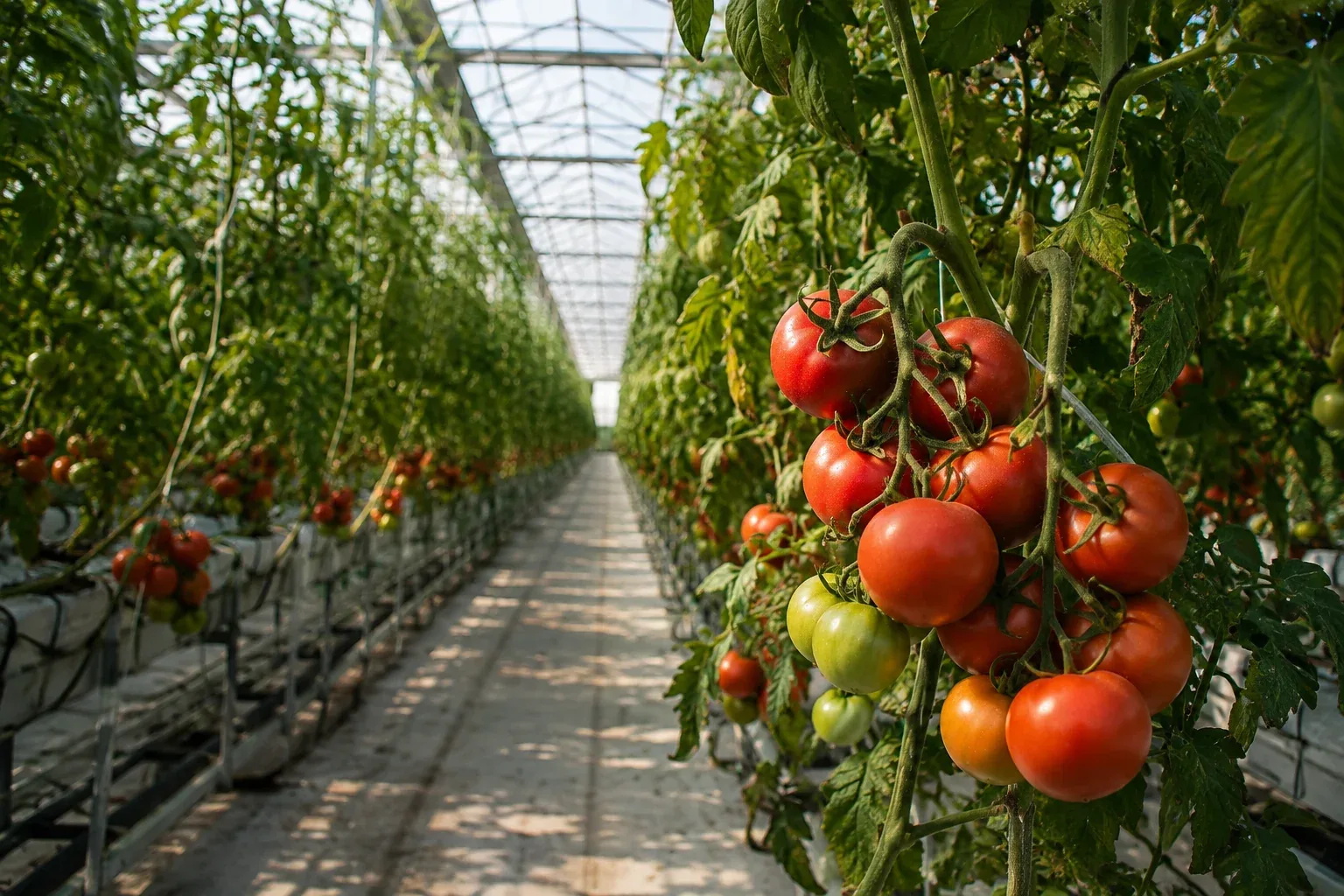
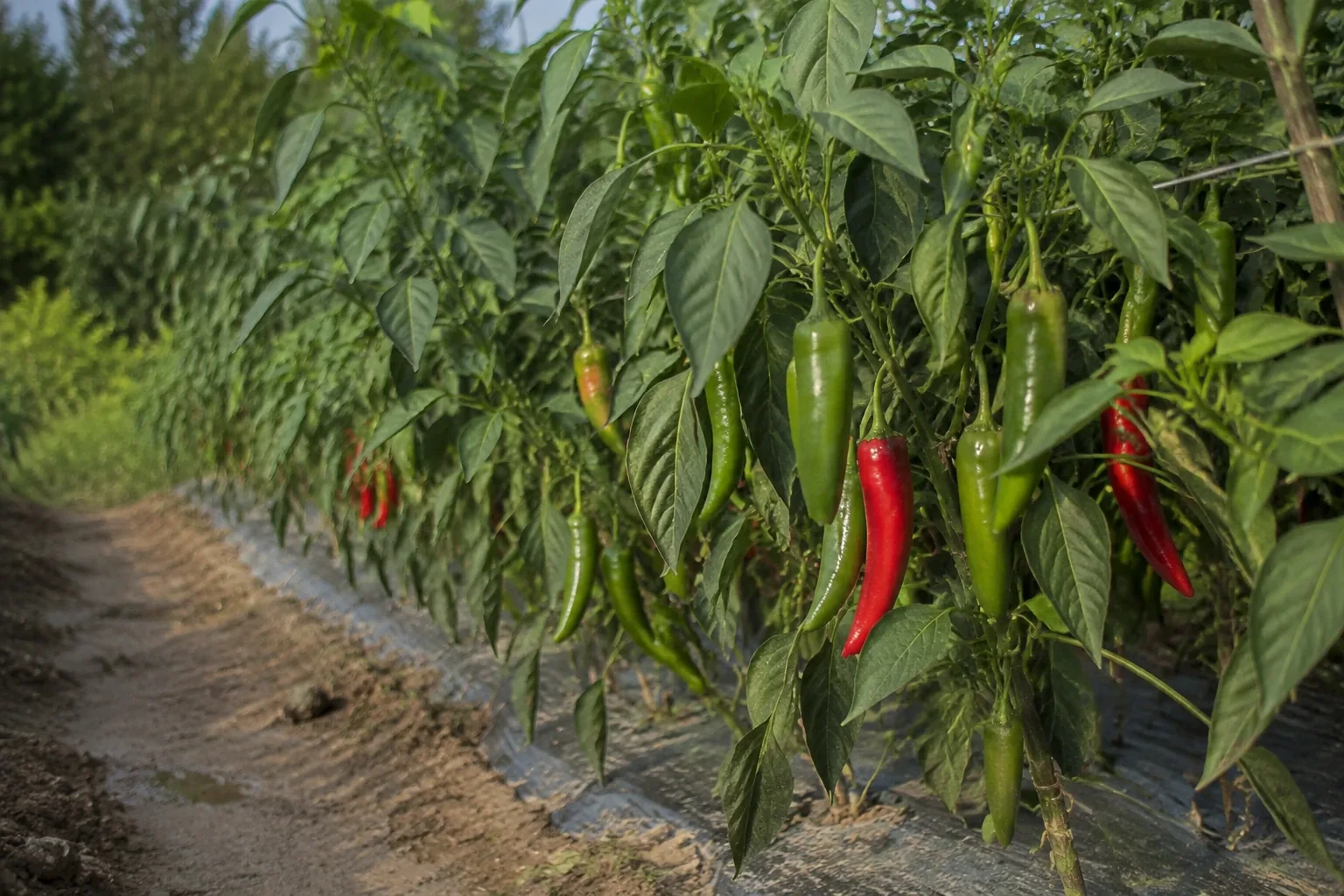
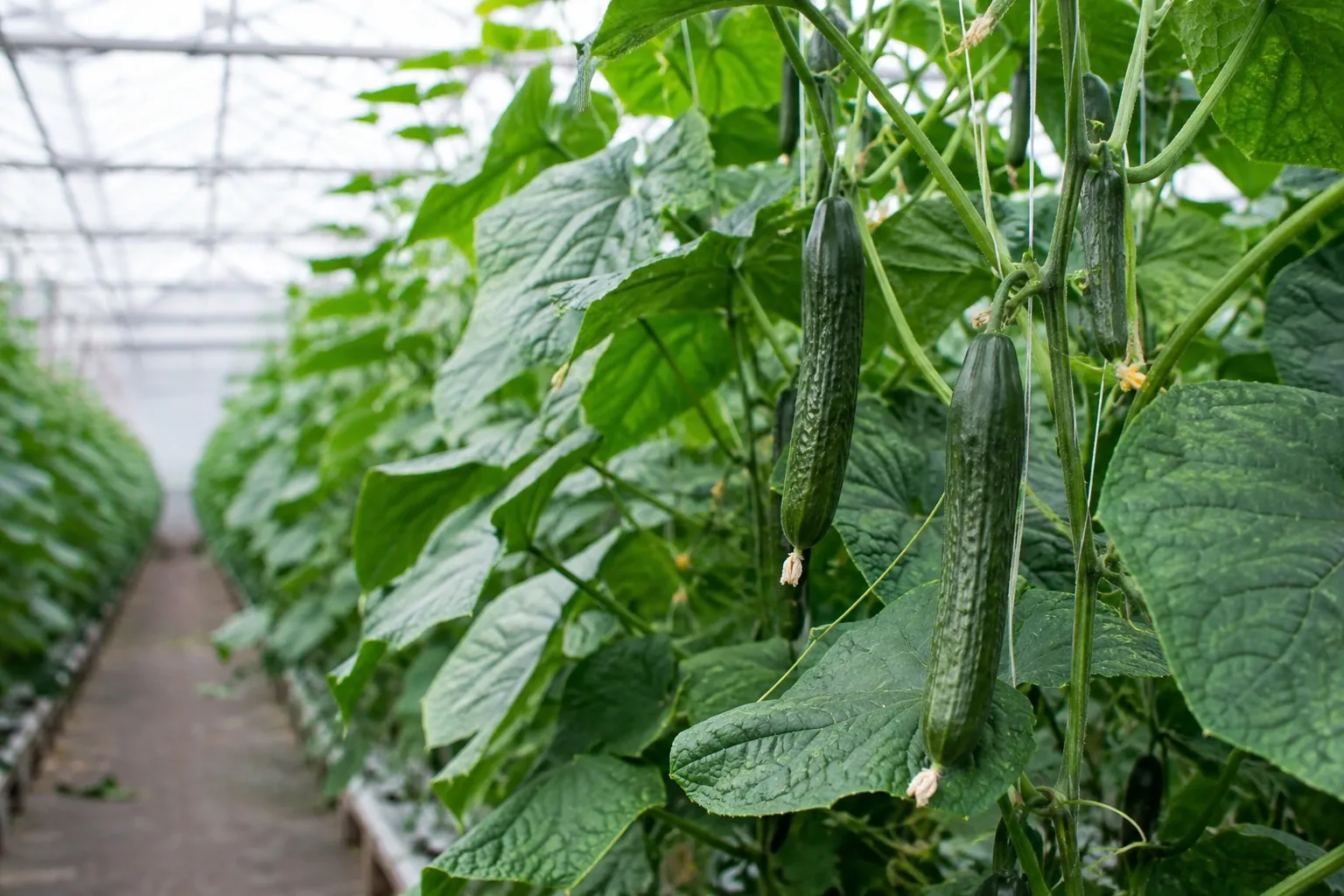
Tomato · Pepper · Cucumber · Strawberry
AQ10 · Powdery mildew in the listed crops. This biological role does not extend to downy mildew or grey mould.
Biofungicide
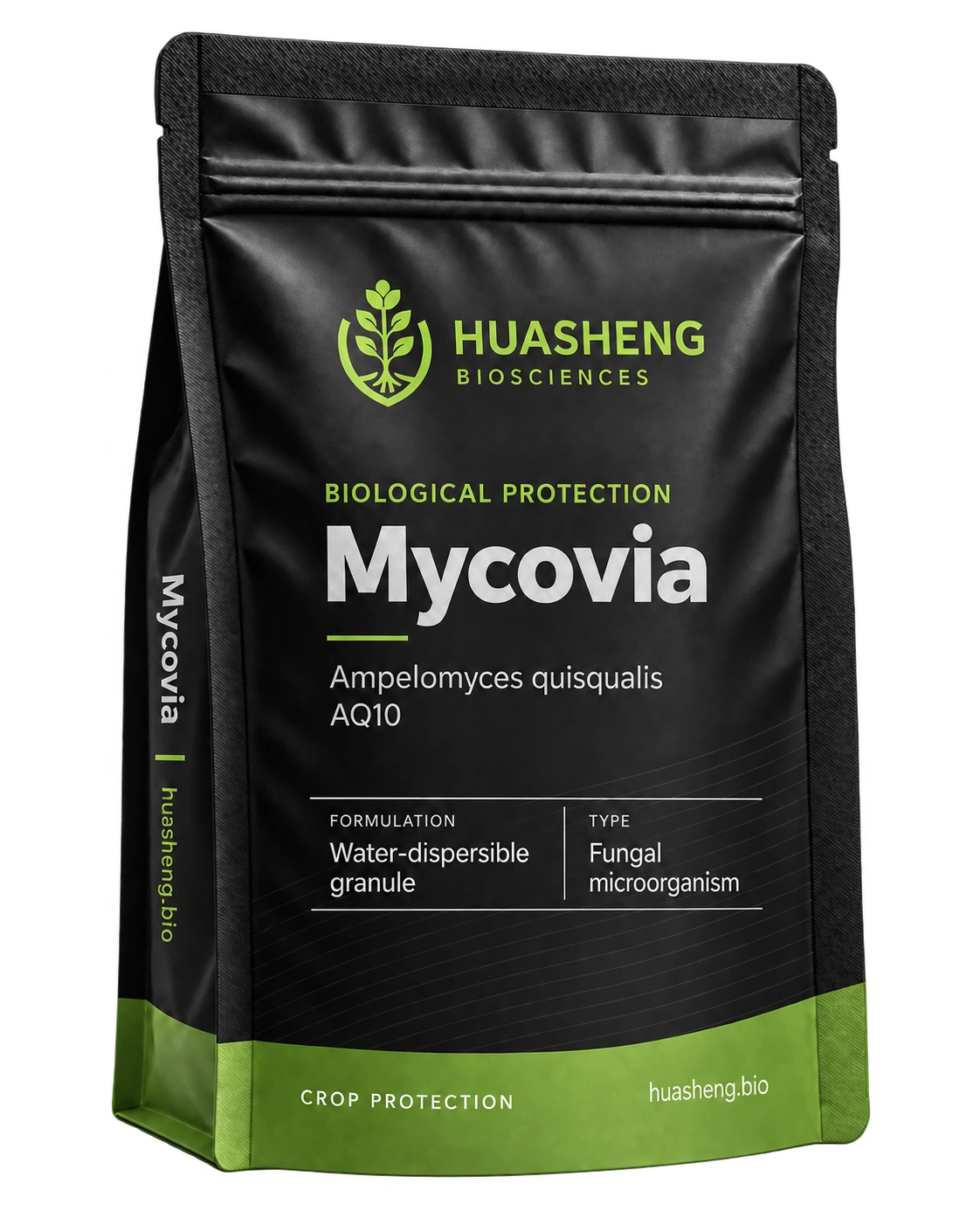
Mycovia is a biofungicide based on Ampelomyces quisqualis strain AQ10 for powdery mildew in horticultural crops. This fungus has a specialised relationship with powdery mildew fungi, giving it a focused foliar-disease role. Cucumber, strawberry, tomato and pepper are the principal crop settings, in both protected and outdoor production.
The specialised relationship between Ampelomyces and powdery mildew fungi connects biological identity directly with the disease target. Disease diagnosis gives this fungal approach its practical crop context.
AQ10 is documented for powdery mildew on cucumber, strawberry, tomato and pepper. These crops cover distinct canopies and production systems, including protected horticulture.
A powdery-mildew-focused organism adds a specific fungal interaction to the crop-health programme. Crop condition, disease pressure and the surrounding production environment influence the contribution of biological protection.
AQ10 identifies the Ampelomyces quisqualis strain. Its specialised relationship with powdery mildew fungi provides a defined biological basis for horticultural foliar-disease management.
AQ10 is documented in water-dispersible-granule formulations. The fungal component, biological activity and physical granule characteristics together describe the material, with each attribute contributing to the technical understanding of the formulation.
Cucumber, strawberry, tomato and pepper are the crop focus. The documented AQ10 uses concern powdery mildew on these crops and include protected production. Crop identity, the diagnosed disease and the growing environment provide the basis for interpreting the biological role.
Tomato · Pepper · Cucumber · Strawberry
AQ10 · Powdery mildew in the listed crops. This biological role does not extend to downy mildew or grey mould.
Choose the product and application programme to suit the crop, growing conditions and the label that applies in your market.
The AQ10 strain designation identifies the biological component. Traceability connects the organism with the finished-formulation record, batch history and technical documents, preserving a consistent account of the material.
Viable biological activity describes the living fungal component relevant to the powdery mildew interaction. Microbiological purity describes unintended microbial presence, contributing a separate dimension to the quality of the formulation.
Physical consistency concerns the uniformity of the granule formulation. Stability information describes the retention of relevant properties over product life. Both attributes complement biological quality in the technical specification.
AQ10 has a specialised relationship with powdery mildew fungi. Its documented crop uses focus on powdery mildew, not grey mould, downy mildew or every leaf disease.
Tomato, pepper, cucumber and strawberry are the listed crops. The documented powdery mildew uses specify the growing system, protected or outdoor.
Contact Huasheng for technical information and application support for your crop and market. Please include your growing region and product requirements.
HUASHENG BIO
Contact Huasheng about products, technology development or partnerships.