Root-knot nematodes
Tomato · Pepper · Cucumber
PL11 · Meloidogyne spp. in protected crops; efficacy is partial and variable.
Bionematicide
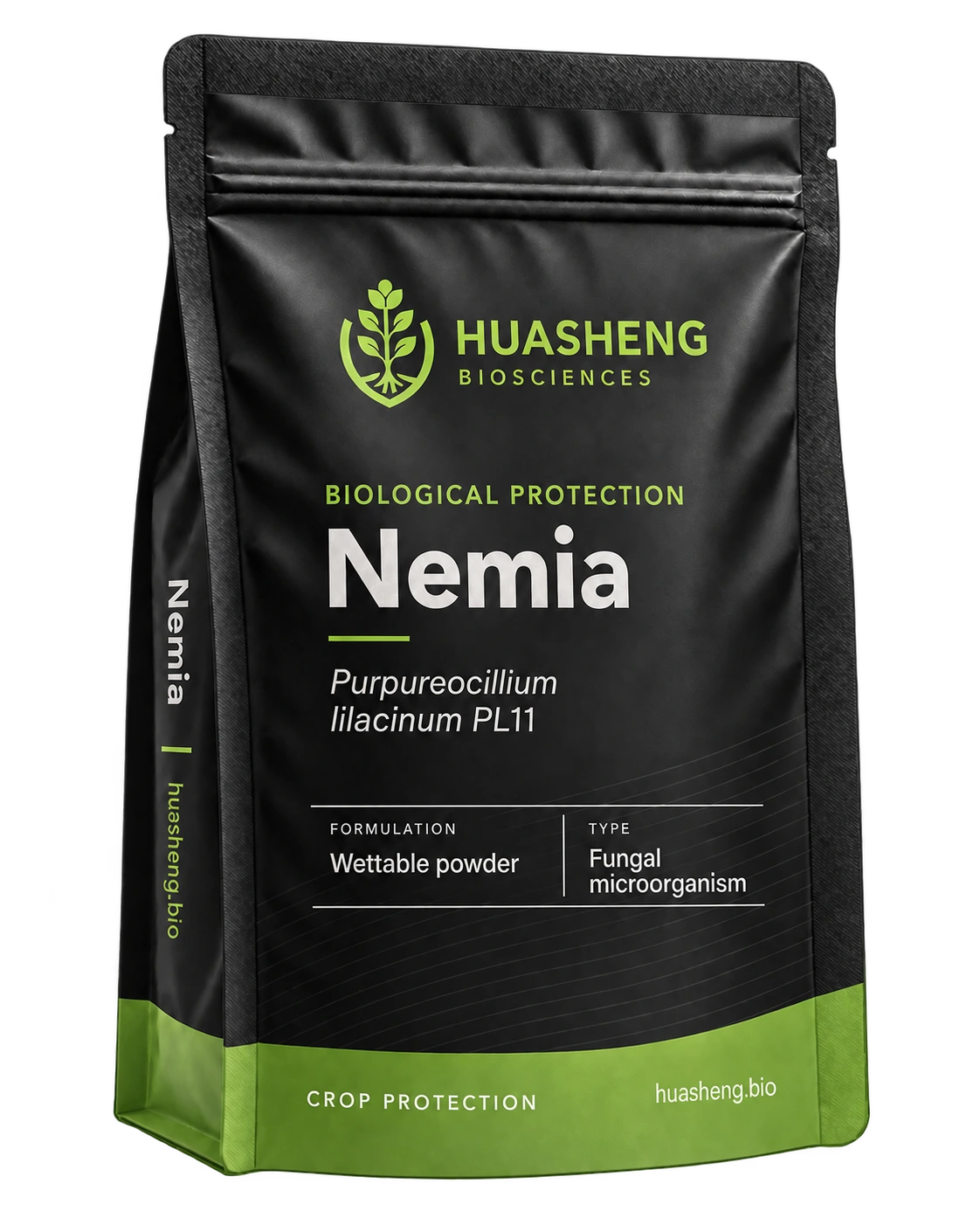
Nemia is a bionematicide based on Purpureocillium lilacinum strain PL11 for root-knot nematode management in protected vegetables. Meloidogyne nematodes affect the root environment, where gall formation can disrupt root function and crop establishment. The PL11 fungal pathway complements the wider management of root health, soil condition and continuous vegetable production.
PL11 has a specific biological role against Meloidogyne root-knot nematodes. Identifying the nematode group connects the root problem with a targeted biological approach.
A nematode-focused fungal pathway addresses pest pressure in the root environment. Root condition, crop establishment and the history of nematode infestation provide the agronomic context.
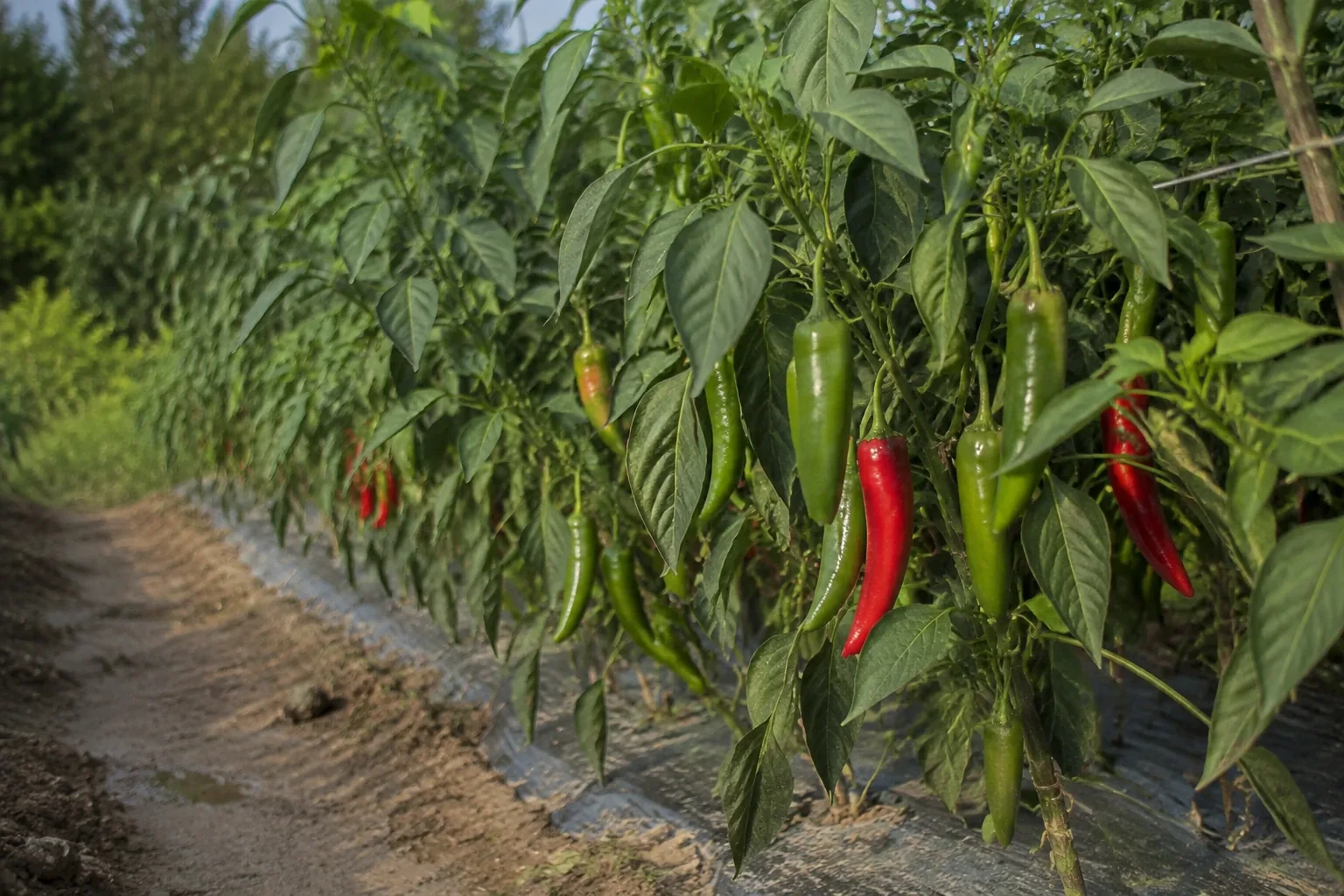
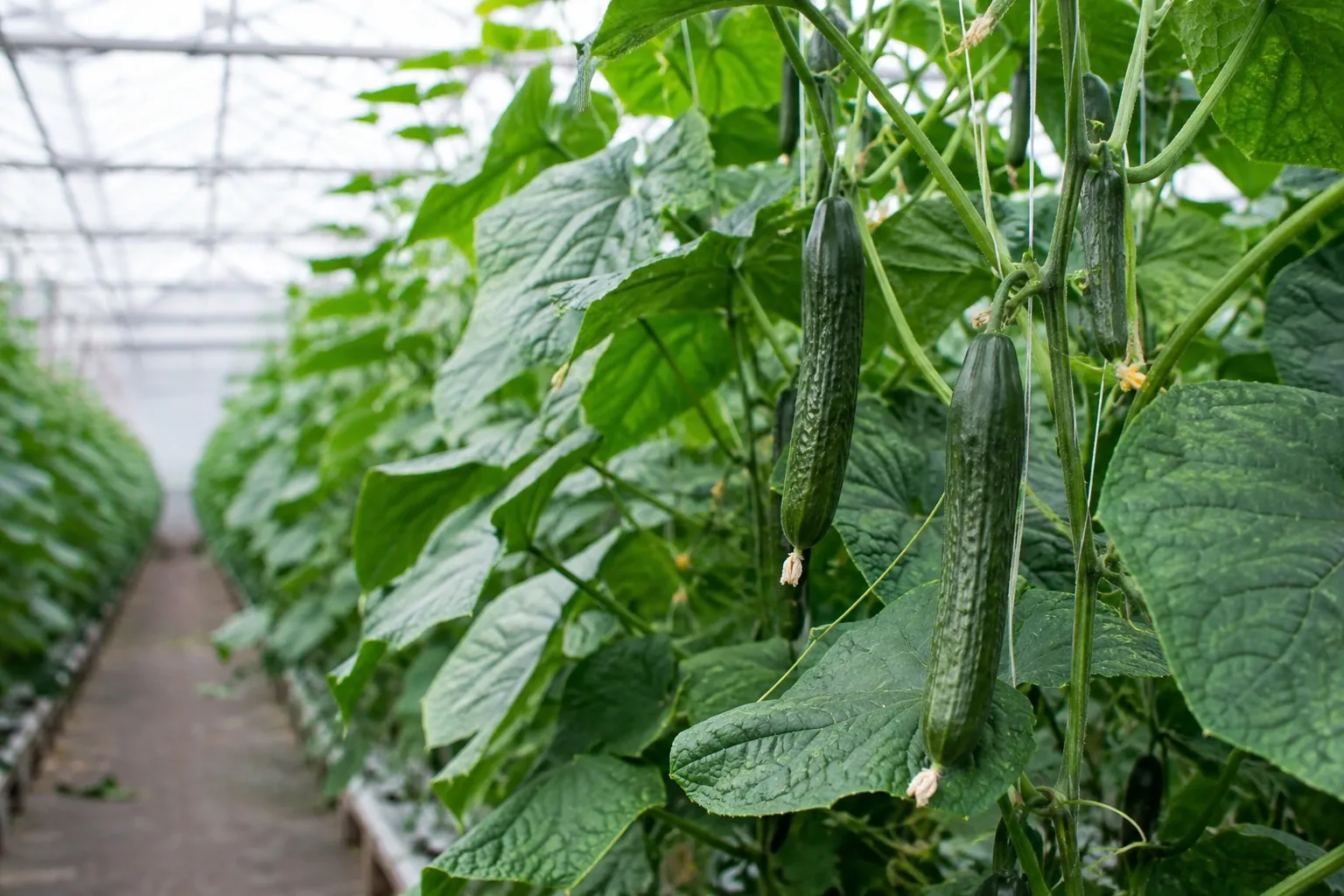
Tomato, pepper and cucumber are the principal crop settings. Their production environment and recurring root-health challenges give biological nematode management a defined place in crop planning.
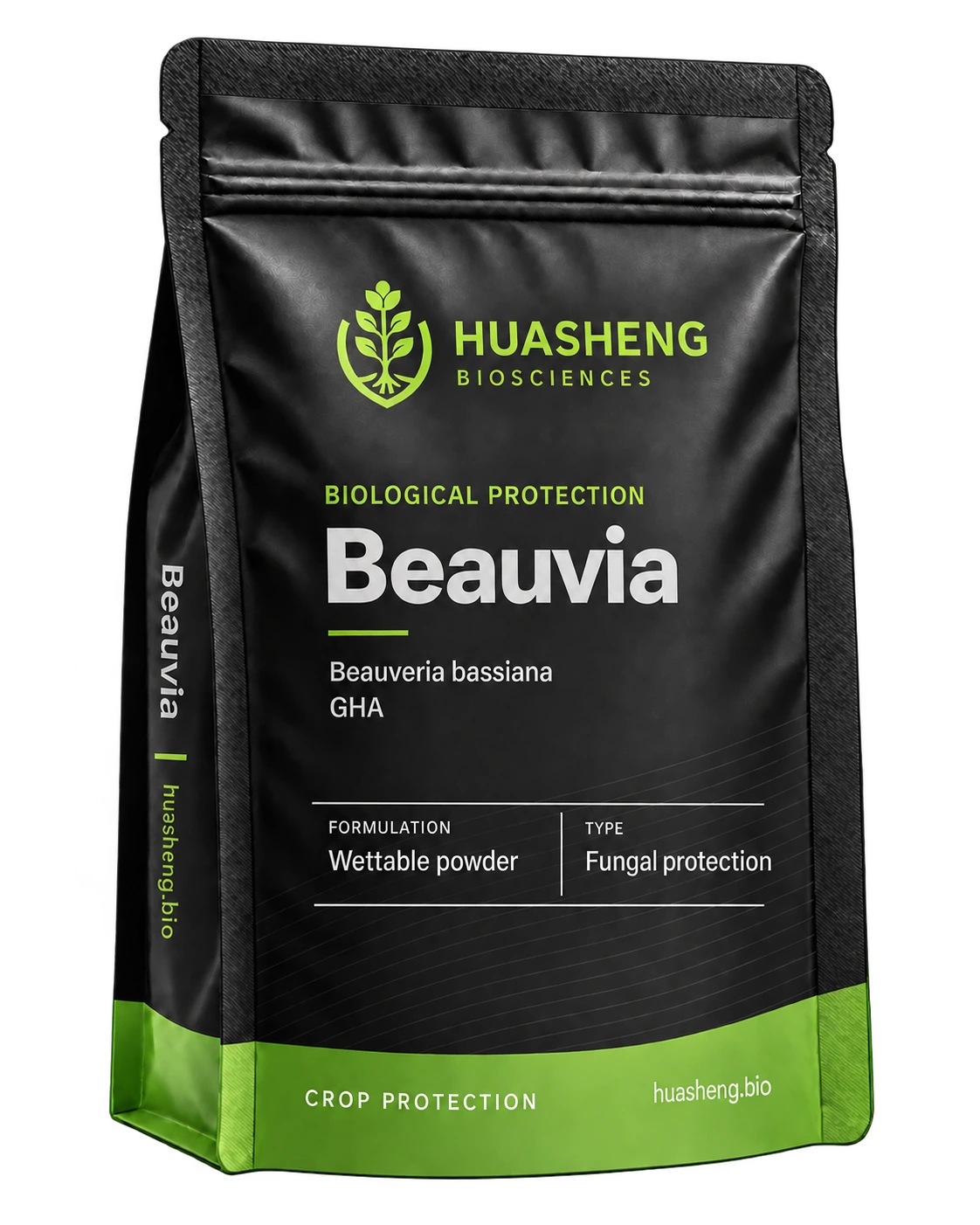
PL11 identifies a specific strain of the fungus Purpureocillium lilacinum. Its nematode-management role concerns Meloidogyne root-knot nematodes, linking the biological identity with a defined root-health target.
PL11 is documented in wettable-powder formulations. In this formulation family, the biological component and the physical powder characteristics together determine the technical description; organism identity, biological activity and formulation quality are complementary attributes.
Protected tomato, pepper and cucumber are the focus for Meloidogyne pressure management. Root symptoms, nematode diagnosis and field history together describe the crop problem. The documented efficacy of PL11 is partial and variable, placing this biological contribution within an integrated root-health programme.
Tomato · Pepper · Cucumber
PL11 · Meloidogyne spp. in protected crops; efficacy is partial and variable.
Choose the product and application programme to suit the crop, growing conditions and the label that applies in your market.
Strain identity specifies the biological organism. Batch traceability connects that identity with the material history and its quality record, making the relationship between the declared component and the finished formulation clear.
Viable biological activity describes the living fungal component. Microbiological purity describes the presence of unintended microorganisms. These measures address different aspects of a microbial formulation and complement the physical powder specification.
Physical consistency describes the uniformity of the powder, while stability information describes how its relevant properties are maintained over product life. Together with biological activity, these attributes support a complete technical quality description.
Nemia is based on the fungus Purpureocillium lilacinum PL11; Nemia B16 is based on the bacterium Bacillus nematocida B16. Their species and strains, formulations and supporting crop records are separate.
In the specified protected-vegetable uses, the efficacy of PL11 against root-knot nematodes is partial and variable. This positions PL11 within an integrated root-health programme.
Contact Huasheng for technical information and application support for your crop and market. Please include your growing region and product requirements.
HUASHENG BIO
Contact Huasheng about products, technology development or partnerships.