Aflatoxin in peanut: why it starts in the soil — and what it costs at the border
Aflatoxin is the peanut industry’s most expensive contaminant. Understanding the fungus, the crop’s unusual biology, and the stage at which the risk is really determined is the key to controlling it.
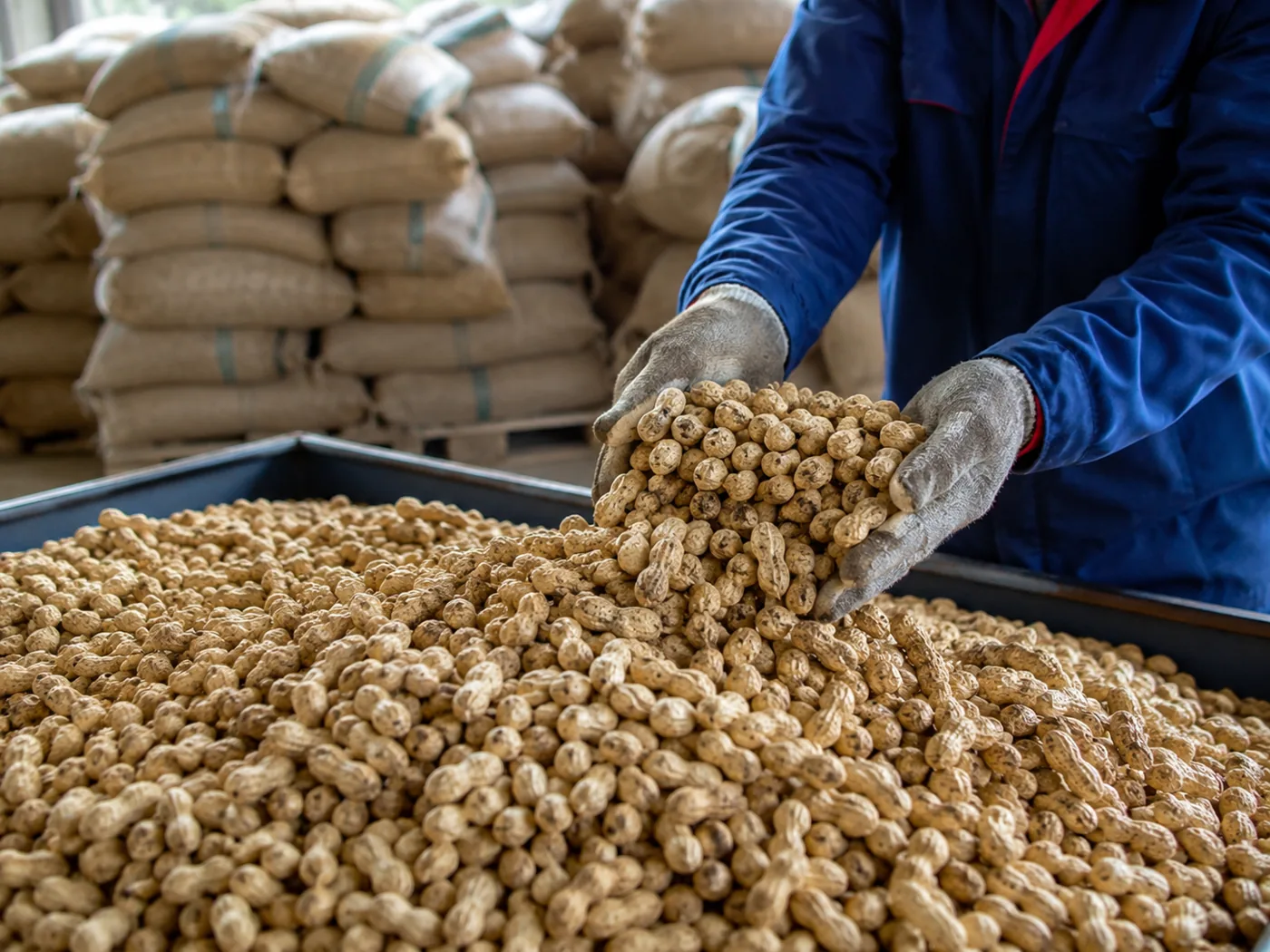
Aflatoxins are toxins produced by the soil fungi Aspergillus flavus and Aspergillus parasiticus. The most common form, aflatoxin B1, is one of the most potent natural carcinogens known, and naturally occurring aflatoxin mixtures are classified by the WHO’s cancer agency (IARC) as a Group 1 human carcinogen, mainly linked to liver cancer. That severity is why tolerances are so low, and why aflatoxin, more than yield, often decides whether a peanut crop can be sold at all.
Why peanut is particularly exposed
Peanut is unusually exposed because of a feature of its biology called geocarpy: after the flower is fertilised above ground, a stalk (the “peg”) bends down and pushes the developing pod into the soil, where it matures underground. A. flavus is a common soil fungus in warm regions, so the edible kernels spend weeks developing within the fungus’s own habitat. In most crops the harvested part develops above ground; in peanut it ripens in direct, prolonged contact with the pathogen’s reservoir.
The toxin, and why limits are measured in parts per billion
There are several aflatoxins (B1, B2, G1, G2), as well as a related form (M1) that passes into the milk of animals fed contaminated feed. Because the hazard is serious and the toxin cannot reliably be removed by processing once it has formed, food-safety authorities set maximum levels in parts per billion (ppb) — vanishingly small amounts. Peanut kernels for direct human consumption face some of the strictest limits in the food trade, and a single lot that exceeds the limit can be downgraded or rejected at the border.
Maximum aflatoxin in peanut kernels for direct human consumption, by market
| Market | Limit | Basis |
|---|---|---|
| European Union | 4 ppb total (2 ppb B1) | Among the strictest in world trade |
| United States (FDA) | 20 ppb total (action level) | Industry often applies 15 ppb |
| China (GB 2761) | 20 ppb B1 | Set on B1, the most potent form |
The risk is determined in the field, under stress
Contamination is often blamed on poor storage, and storage does matter — but a great deal of the risk is decided before the crop is lifted. Infection is driven by drought and heat stress late in the season: a water-stressed plant cannot defend its developing pods, and the fungus colonises them in the weeks before harvest. Pod damage from insects, nematodes or machinery, and pods left to over-mature, increase the risk further. This is why a hot, dry finish to the season is a warning sign, and why measures taken only after harvest come too late to prevent much of the contamination.
Where and when aflatoxin risk builds
| Stage | What raises the risk | What helps |
|---|---|---|
| Field (pre-harvest) | Drought and heat stress at pod fill; pod damage; high A. flavus levels in the soil | Irrigation where possible; timely harvest; source suppression |
| Harvest & drying | Slow or uneven drying; leaving the crop damp | Dry quickly to safe moisture; avoid mechanical damage |
| Storage | High moisture and warmth; poor ventilation; insects | Keep dry and cool; ventilate; control pests |
The second window is drying and storage. Even a crop that leaves the field clean will spoil if it is dried too slowly or stored damp and warm, because above a certain moisture level the fungus continues to produce toxin. Rapid drying to a safe moisture content, and cool, dry, well-ventilated storage, are the essential second line of defence. The asymmetry matters: good storage can prevent further toxin from forming, but it cannot remove toxin that is already present.
Tackling the risk at source
Because so much of the risk is determined in the soil and pod zone before harvest, one of the levers research focuses on is reducing the toxin-producing fungus at its source. Beneficial microbes can occupy the same niche as A. flavus and suppress it — a mechanism called competitive exclusion — lowering the toxigenic load to which the crop is exposed. This is the logic behind biocontrol, and the direction of Huasheng’s Orvan™ research, which studies the root-zone microbiome and nitrogen fixation together. This approach complements good agronomy and drying rather than replacing them.
Products in this article