Troubleshooting poor nodulation: a field diagnostic
A legume dug up from the field shows few nodules, or nodules that are not fixing. This step-by-step guide covers reading the symptoms, finding the cause, and correcting it next season.
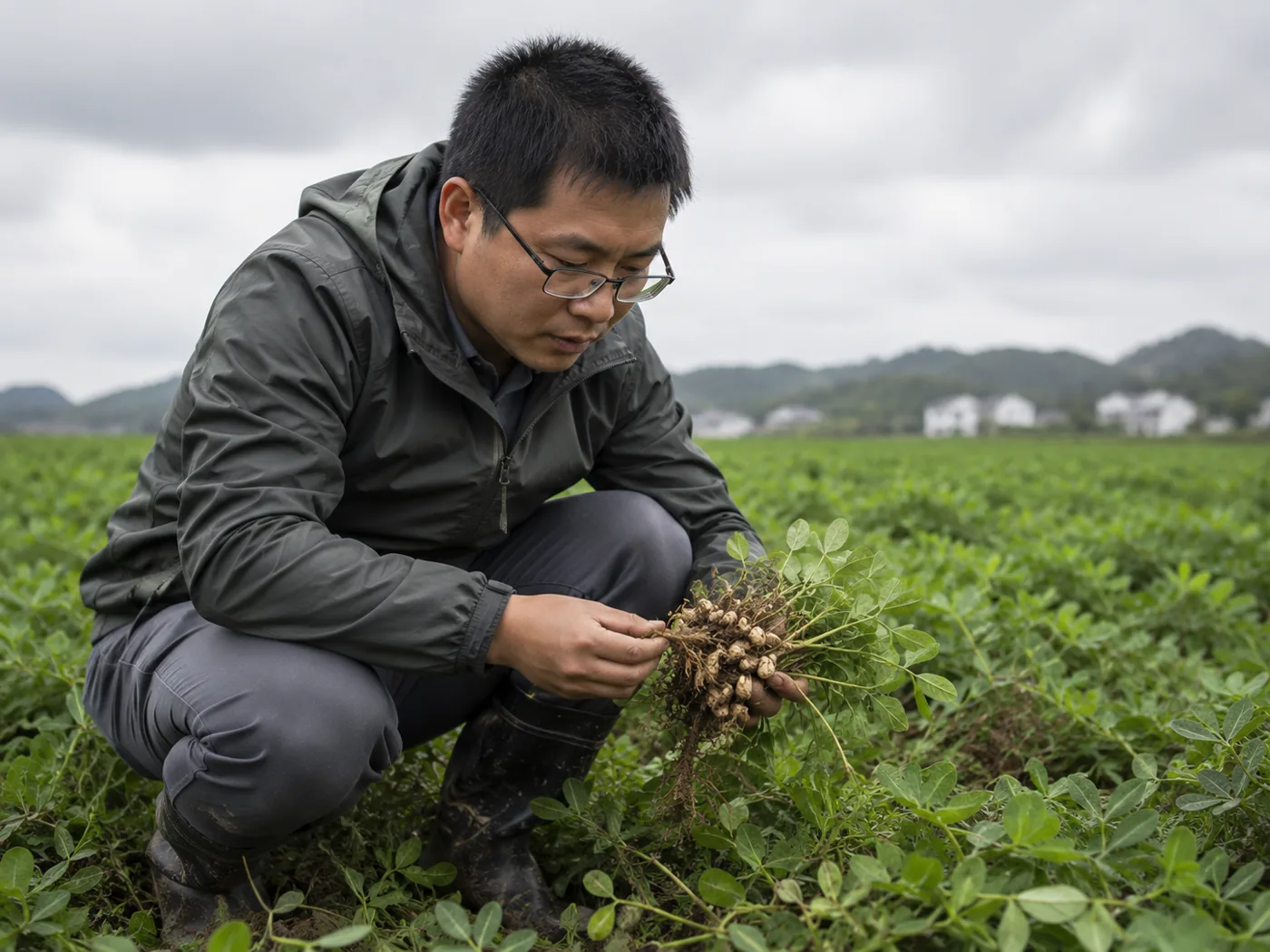
The quickest way to know whether nitrogen fixation is working is to dig up a plant and read its nodules. If the result is disappointing — few nodules, or nodules that are pale inside — the next step is to work out why. Poor nodulation can almost always be traced to one of a short list of causes, most of them preventable.
First, read the symptoms
The symptom narrows the cause. Few or no nodules point to a missing or dead partner, or to conditions that suppressed nodule formation. Plentiful nodules that are pale, greyish-green or white inside have formed but are not fixing — often because of the wrong or an ineffective strain, or because the plant is under stress. Active nodules are pink to red inside.
Symptom → likely cause → what to do
| What you see | Likely cause | Action next time |
|---|---|---|
| Few or no nodules on new ground | Right rhizobia absent, not inoculated | Inoculate with the crop-specific strain |
| Nodules present but white or green inside | Ineffective strain or plant stress | Inoculate with an effective strain; relieve stress |
| Nodules only high on the crown, plant lush | High soil nitrate suppressing fixation | Cut starter nitrogen; let the plant rely on fixation |
| Poor nodulation in a wet or compacted spot | Waterlogging, low oxygen | Improve drainage |
| Poor nodulation in acid soil | Low pH or aluminium toxicity | Lime to raise pH before sowing |
| Inoculated but still few nodules | Inoculant killed before it reached the root | Check storage, seed-treatment compatibility, timing |
A worked example: “I inoculated, but the nodules are few and pale”
Suppose you inoculated soybean, yet at flowering you find only a handful of small, white-centred nodules. Work through the checklist. Was the seed fungicide-treated, the inoculant applied on top of it, and the seed then left overnight before sowing? That contact would have killed most of the bacteria. Was the bag last season’s, or stored in a hot shed? If so, there were fewer live cells to begin with. Did the field receive a heavy dose of starter nitrogen? That alone suppresses nodulation. Any one of these explains the result — and each points to a specific change next season: switch to a granular in-furrow form that keeps the bacteria away from the coating, use fresh product kept cool, sow promptly, and cut the starter nitrogen. The plant shows exactly where the process broke down.
The usual causes, in order
The partner never arrived — or did not survive
On new ground the most common cause is simply that the right rhizobia were never present and the crop was not inoculated — most likely on specific hosts such as soybean and alfalfa. The next most common is that the inoculant was applied but killed before it reached the root by heat, direct sun, drying out, an aggressive fungicide seed coating, or too long an interval between treating and sowing.
Soil conditions worked against it
Several soil conditions suppress nodulation even when the right rhizobia are present. High soil nitrate — often from heavy starter nitrogen — signals to the plant that it does not need to fix, and nodulation is scaled back. Low pH and aluminium toxicity affect both plant and rhizobium, especially in alfalfa. Waterlogging starves nodules of oxygen; severe drought and salinity stress both partners. Deficiencies of molybdenum (a cofactor of the nitrogen-fixing enzyme) or cobalt can also limit fixation.
Putting it right
Once nodulation has failed, there is little to be done within the season beyond keeping the crop nourished; the real remedy is prevention. Use the matching crop-specific strain, keep the inoculant cool and apply it into moist soil close to sowing, avoid heavy starter nitrogen, and correct pH and drainage before planting. Then leave a check strip the following season to confirm that the changes worked.