HS codes for pesticides: heading 38.08, technical materials and national tariff lines
How the Harmonized System classifies pesticide formulations under heading 38.08, why most technical materials go to chapter 29 or 28 instead, where customs administrations disagree, and how China, the EU, Mexico and the United States add their own digits.
Author: Zhao Guohua, ResearcherTechnical review: Wang Liqun, Researcher
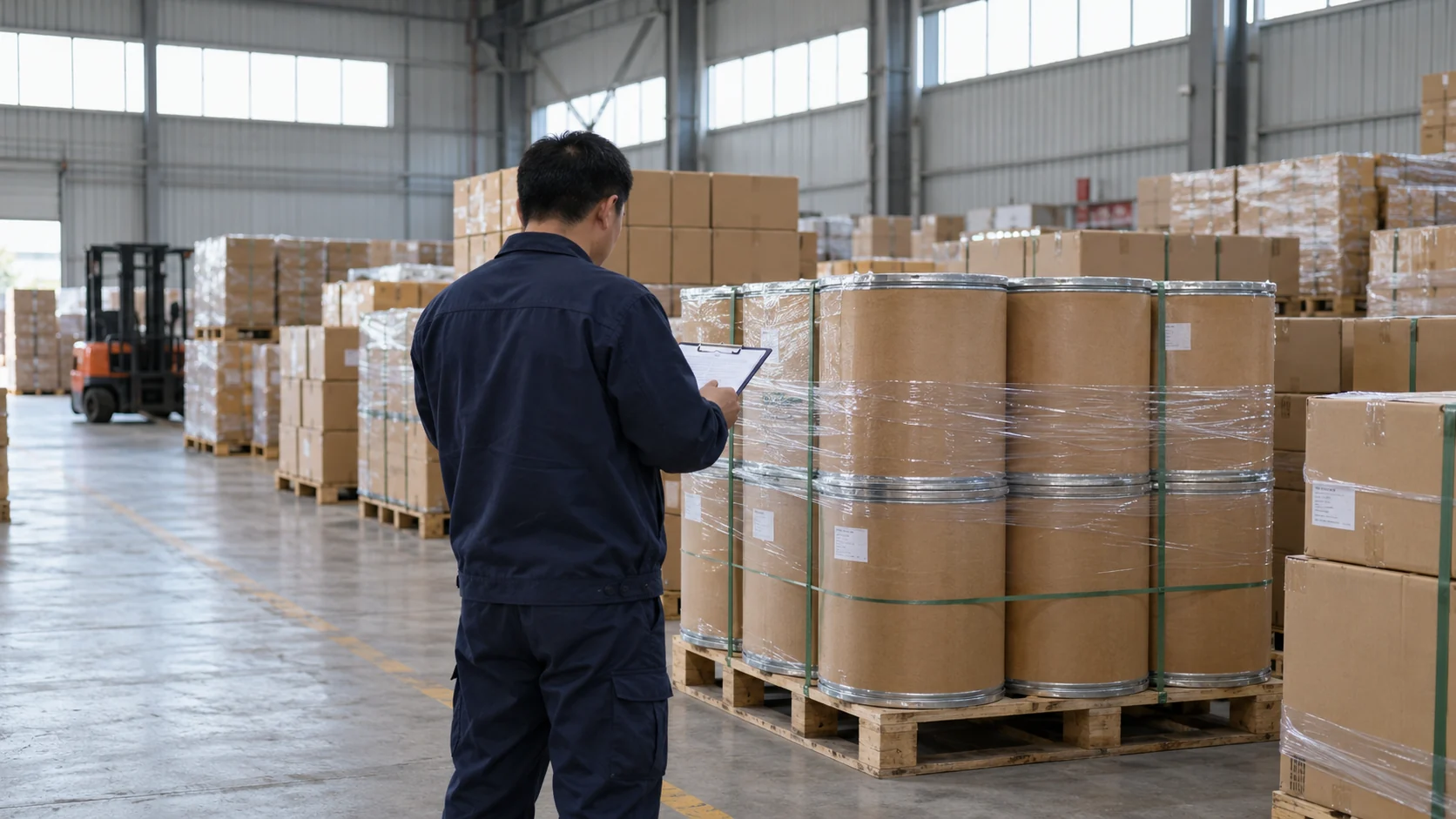
Products in this article
The Harmonized System (HS) of the World Customs Organization (WCO) identifies more than 5,000 commodity groups by six digit codes and is used by more than 200 countries and economies as the basis of their customs tariffs [6]. For crop protection products the starting point is heading 38.08 of HS 2022, but technical materials imported for formulation are usually classified elsewhere. This guide explains the structure, the main exceptions and how national tariffs build on the six digits. It does not replace a classification decision by the customs of the importing country.
1. How heading 38.08 is structured
Heading 38.08 covers insecticides, rodenticides, fungicides, herbicides, antisprouting products and plant growth regulators, disinfectants and similar products, put up in forms or packings for retail sale or as preparations or articles [1]. HS 2022 divides it into three blocks (Table 1).
Table 1. Subheadings of heading 38.08 in HS 2022 [1]
| Subheading | Scope |
|---|---|
| 3808.52 | DDT in packings of 300 g net or less (goods of Subheading Note 1) |
| 3808.59 | Other goods containing a substance listed in Subheading Note 1 |
| 3808.61 | Goods containing a substance listed in Subheading Note 2, in packings of 300 g net or less |
| 3808.62 | The same, in packings of more than 300 g and up to 7.5 kg |
| 3808.69 | The same, other (larger packings) |
| 3808.91 | Other insecticides |
| 3808.92 | Other fungicides |
| 3808.93 | Other herbicides, antisprouting products and plant growth regulators |
| 3808.94 | Other disinfectants |
| 3808.99 | Other |
Subheading Note 1 lists substances such as aldicarb, carbofuran, endosulfan, methamidophos, monocrotophos, parathion and trichlorfon. Subheading Note 2 lists twelve: alpha-cypermethrin, bendiocarb, bifenthrin, chlorfenapyr, cyfluthrin, deltamethrin, etofenprox, fenitrothion, lambda-cyhalothrin, malathion, pirimiphos-methyl and propoxur [1]. A product containing one of the twelve is classified in 3808.61, 3808.62 or 3808.69 according to the net weight of the packing. The Mauritius Revenue Authority, for example, classified an insecticide containing 4.9% lambda-cyhalothrin in 8 kg packings in 3808.69 rather than 3808.91 [20].
2. Why technical material usually goes to chapter 29 or 28
Chapter 38 does not cover separate chemically defined compounds, except pesticides and similar products put up as described in heading 38.08 [1]. Chapter 29 covers separate chemically defined organic compounds whether or not they contain impurities, including when dissolved in water, dissolved in another solvent only for safety or transport, or with a stabiliser added for preservation or transport [2]. Chapter 28 applies the same rule to inorganic compounds [3]. A technical material imported in bulk therefore usually goes to the heading that describes its chemistry. CBP, the US customs agency, classified azoxystrobin technical in 2933.59 (compounds with a pyrimidine ring) and flowable formulations of the same active ingredient in heading 38.08 [8].
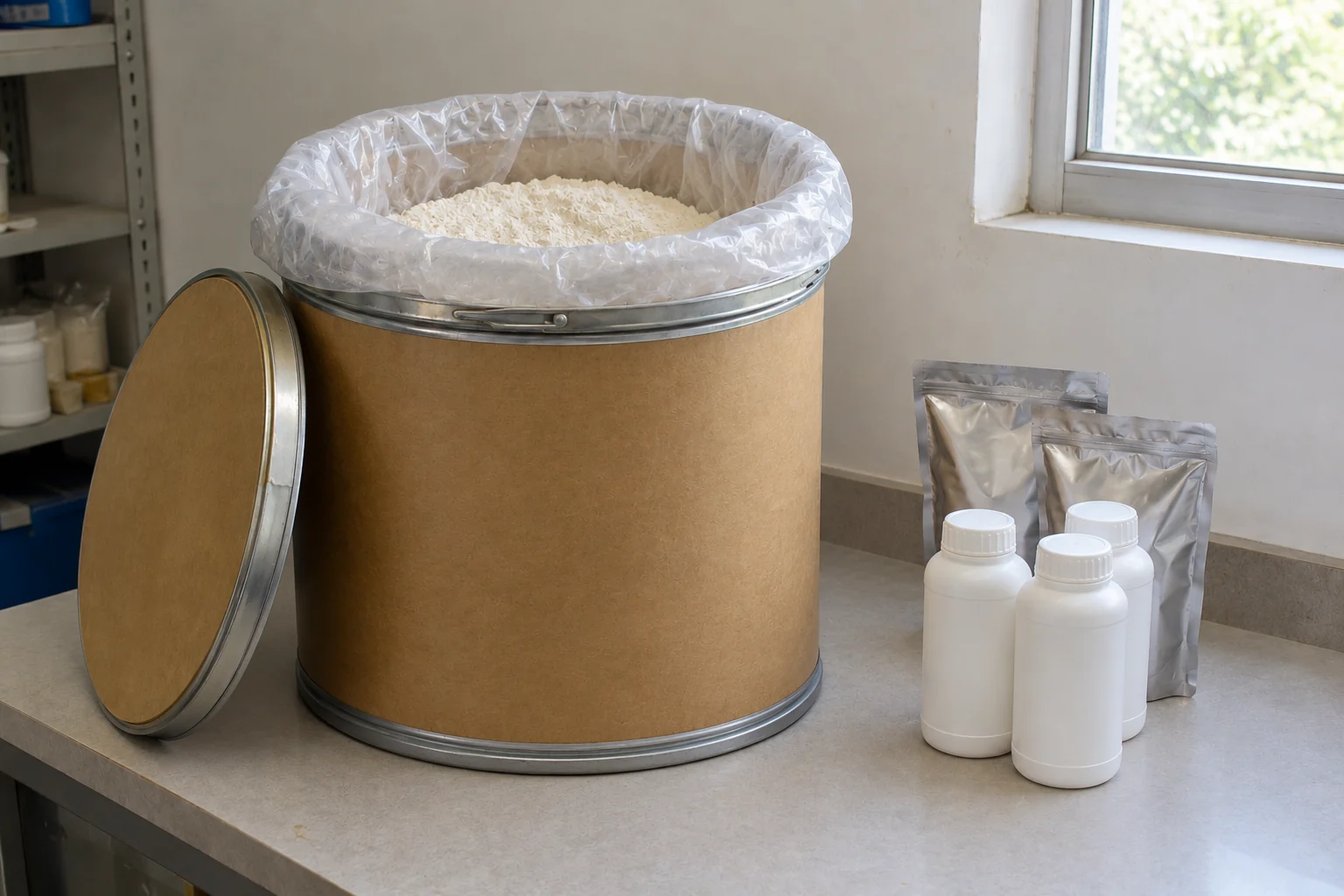
Two things move a product into 38.08. The first is retail packaging: under Note 2 to Section VI, goods classifiable in 38.08 because they are put up for retail sale are classified there and in no other heading [4]. The second is formulation: as quoted by CBP, the Explanatory Notes to heading 38.08 cover products with the character of preparations, and intermediate preparations that already have insecticidal, fungicidal or similar properties [12]. On this basis CBP classified Acephate 97, which contains 97% acephate and 3% other ingredients including a surfactant, in 3808.91 rather than as an organo sulphur compound of chapter 29 [9].
3. Exceptions and borderline cases
The line between a compound with impurities and a preparation is drawn case by case, and administrations do not always agree:
- Spinosad, a mixture of spinosyn A and D, was classified by CBP in 3808.91 [10]. The EU has a TARIC line for spinosad under 3808.91 [17], and China lists spinosad and spinetoram under a 3808.91 national code [16].
- Abamectin technical, more than 80% avermectin B1a and less than 20% avermectin B1b from fermentation, was classified by CBP in 2020 in 2932.20 (lactones), because the B1b content counts as a manufacturing impurity; an earlier ruling placing it in heading 38.24 was revoked [11]. China lists abamectin, and emamectin and its salts including the benzoate, in 2932.20 [16]. The EU customs inventory of chemical substances (ECICS) lists emamectin benzoate under CN 3808 91 90 [21].
- Mancozeb wet cake, a complex mixture of ethylenebis(dithiocarbamate) with manganese and zinc, was classified by CBP as a fungicidal intermediate preparation in 3808.92 [12], whereas the Chinese list places mancozeb in 2930.90 [16].
- Kasugamycin is listed by China with the antibiotics in 2941.90 [16]; a 1995 CBP ruling placed kasugamycin hydrochloride hydrate, declared as a pharmaceutical intermediate, in 2932.90 [15].
- Microbial technical material: CBP classified a Bacillus firmus technical containing 100% of the microorganism in 3002.90, as a culture of microorganisms, and the formulated seed treatment combining it with clothianidin in 3808.91 [13].
As the mancozeb and kasugamycin cases show, the same product can carry different codes in different countries [12][15][16].
4. Mixtures and products with more than one use
Within 38.08, subheadings are chosen under GIR 6, which applies the other General Interpretative Rules at subheading level and compares only subheadings at the same level [5]. A mixture is first checked against Subheading Notes 1 and 2, because those subheadings cover any goods of 38.08 containing a listed substance [1]. When a product could fall in two subheadings, for example as an insecticide and a fungicide, GIR 3 applies in order: the most specific description is preferred; mixtures that cannot be classified that way are classified by the component that gives them their essential character; and if neither decides, the subheading that occurs last in numerical order applies [5]. Where two descriptions each cover only part of a mixture, GIR 3(a) treats them as equally specific [5]. CBP, for example, classified a seed treatment combining clothianidin and Bacillus firmus, used against nematodes, as an insecticide in 3808.91 [13].
5. How national tariffs add digits
China
In the 2022 catalogue of pesticides under import and export management, published by the Ministry of Agriculture and Rural Affairs (MARA) and the General Administration of Customs, each product carries a ten digit customs code, for example imidacloprid 2933399026 and glyphosate 2931499030 [16]. Formulations are split into retail and non retail lines, such as 3808919090 for other non retail insecticide formulations and 3808999010 for non retail agricultural acaricides and nematicides. Importers and exporters apply for a pesticide import or export notice through the China International Trade Single Window [16].
European Union
The Combined Nomenclature adds two digits to the six of the HS, giving eight digit CN codes [18], and TARIC uses ten digits for EU measures [17]. Under 3808.91 the CN separates insecticides based on pyrethroids, chlorinated hydrocarbons, carbamates or organophosphorus compounds from other insecticides; fungicides are split into inorganic products, dithiocarbamates, benzimidazoles, diazoles or triazoles, diazines or morpholines and others, and herbicides by chemistry in a similar way [17].
Latin America
Mexico's tariff law (LIGIE 2022) uses eight digit tariff fractions [19]. Under 3808.91 it keeps a fraction for insecticides formulated with phenthoate, and under 3808.59 one for formulations based on substances such as aldicarb, carbofuran, endosulfan and methyl parathion; both are marked as prohibited [19].
United States
CBP rulings cite ten digit numbers of the Harmonized Tariff Schedule of the United States, such as 3808.91.5001 for spinosad in 2019 [10].
6. Catalogue examples
Table 2. Six digit codes for selected Huasheng catalogue ingredients, as given by customs sources
| Active ingredient | Technical material | Formulation | Source |
|---|---|---|---|
| Imidacloprid | 2933.39 | 3808.91 | [16]; [1] |
| Thiamethoxam | 2934.10 | 3808.91 | [16]; [1] |
| Acetamiprid | 2933.39 | 3808.91 | [16][17]; [1] |
| Lambda-cyhalothrin | 2926.90 | 3808.61, 3808.62 or 3808.69 by packing | [16][17]; [1][20] |
| Malathion | 2930.90 | 3808.61, 3808.62 or 3808.69 by packing | [16]; [1] |
| Abamectin | 2932.20 | 3808.91 | [11][16]; [1] |
| Emamectin benzoate | 2932.20 (China) or 3808.91 (EU) | 3808.91 | [16][21]; [1] |
| Spinosad | 3808.91 | 3808.91 | [10][16][17] |
| Azoxystrobin | 2933.59 | 3808.92 | [8][16]; [1] |
| Tebuconazole | 2933.99 | 3808.92 | [16][17]; [1] |
| Copper oxychloride | 2827.41 | 3808.92 | [3][14]; [1] |
| Mancozeb | 2930.90 (China) or 3808.92 (US) | 3808.92 | [12][16]; [1] |
| Kasugamycin | 2941.90 (China) or 2932.90 (US, 1995) | 3808.92 | [15][16]; [1] |
| Glyphosate | 2931.49 | 3808.93 | [16]; [1] |
| Pendimethalin | 2921.49 | 3808.93 | [16]; [1] |
Formulation codes follow the function subheadings of 38.08 and Subheading Note 2 [1]. The table is a guide to the six digit level, not a classification decision for a particular product, which depends on composition, packing and the tariff of the importing country.
7. What to check before declaring
- Decide whether the goods are a technical material (chapter 28 or 29) or a preparation or retail pack (heading 38.08) [1][2][4].
- Check every active ingredient against Subheading Notes 1 and 2 of chapter 38 before choosing 3808.91 to 3808.99 [1].
- For Note 2 products, record the net weight of each packing against the 300 g and 7.5 kg limits [1].
- Take the full code from the national tariff of the importing country and check national lists such as the Chinese pesticide catalogue [16][17][19].
- Look for published rulings on the same active ingredient, and note where administrations differ [10][11][12][16].
- Plan for HS 2028: from 1 January 2028, subheading 2931.49 is split and phorate and terbufos are added to Subheading Note 1 of chapter 38 [7].
Frequently asked questions
What is the HS code for pesticides?
Formulated pesticides and retail packs are in heading 38.08: 3808.91 insecticides, 3808.92 fungicides and 3808.93 herbicides, with 3808.52 to 3808.69 for products containing substances listed in the Subheading Notes [1]. Technical materials are usually in chapter 29 or 28 [1][2][3].
What is HS code 3808.91?
Insecticides of heading 38.08 that contain no substance listed in Subheading Note 1 or 2 of chapter 38 [1].
Which HS code applies to pesticide technical material?
Usually the chapter 29 or 28 subheading that matches its chemistry, for example 2933.59 for azoxystrobin technical [2][8]. National lists such as China's give the full code [16].
Why is a lambda-cyhalothrin insecticide not classified in 3808.91?
Lambda-cyhalothrin is listed in Subheading Note 2, so products containing it go to 3808.61, 3808.62 or 3808.69 by pack size [1][20].
What is the HS code for spinosad and abamectin?
Spinosad is classified in 3808.91 in the United States, the EU and China [10][16][17]. Abamectin technical is classified in 2932.20 in the United States and China [11][16].
How many digits does a customs code have in China, the EU and Mexico?
The HS has six digits. EU CN codes have eight [18], Mexican tariff fractions eight [19] and Chinese customs codes ten [16].
Further reading
- Enquire about spinosad, abamectin, mancozeb and lambda-cyhalothrin
- Spinosad: formulations and supply
- Abamectin: formulations and supply
- Mancozeb: formulations and supply
- Lambda-cyhalothrin: formulations and supply
- Imidacloprid: formulations and supply
- Azoxystrobin: formulations and supply
- Sourcing and supply
- [1] World Customs Organization (2022). HS Nomenclature 2022 edition, Chapter 38: Miscellaneous chemical products.
- [2] World Customs Organization (2022). HS Nomenclature 2022 edition, Chapter 29: Organic chemicals.
- [3] World Customs Organization (2022). HS Nomenclature 2022 edition, Chapter 28: Inorganic chemicals.
- [4] World Customs Organization (2022). HS Nomenclature 2022 edition, Section VI notes.
- [5] World Customs Organization (2022). General Rules for the Interpretation of the Harmonized System.
- [6] World Customs Organization (n.d.). What is the Harmonized System (HS)?
- [7] World Customs Organization (2026). Table II correlating the 2022 version to the 2028 version of the Harmonized System, including the corrigendum of July 2026.
- [8] US Customs and Border Protection (2005). HQ 967382: Abound Flowable, azoxystrobin technical.
- [9] US Customs and Border Protection (2014). HQ H235513: Classification of Acephate 97 UP.
- [10] US Customs and Border Protection (2019). NY N307121: The tariff classification of spinosad from China.
- [11] US Customs and Border Protection (2020). HQ H303359: Tariff classification of doramectin, ivermectin, abamectin technical and milbemectin technical.
- [12] US Customs and Border Protection (2018). HQ H270889: Tariff classification of a mancozeb wet cake.
- [13] US Customs and Border Protection (2012). NY N233960: Bacillus firmus I-1582 technical and Poncho/Votivo.
- [14] US Customs and Border Protection (1995). HQ 956792: Copper oxychloride, atrazine, simazine and diuron.
- [15] US Customs and Border Protection (1995). NY 815473: Kasugamycin HCl hydrate from Japan.
- [16] Ministry of Agriculture and Rural Affairs and General Administration of Customs of China (2021). Announcement No. 416, Annex 1: Catalogue of pesticides under import and export management (2022) (in Chinese).
- [17] European Commission (2026). TARIC consultation, goods nomenclature for chapters 29 and 38 (reference date 26 October 2026).
- [18] European Commission (n.d.). The Combined Nomenclature.
- [19] Cámara de Diputados, Mexico (2025). Ley de los Impuestos Generales de Importación y de Exportación, last reform DOF 29 December 2025 (in Spanish).
- [20] Mauritius Revenue Authority (n.d.). Classification of insecticide (lambda-cyhalothrin, 8 kg packing).
- [21] European Commission (2026). European Customs Inventory of Chemical Substances (ECICS): emamectin benzoate, CUS 0140604-8.