Neonicotinoid insecticides compared: imidacloprid, thiamethoxam, clothianidin, acetamiprid, dinotefuran and nitenpyram
How the six main neonicotinoids (IRAC Group 4A) work, how they differ in solubility, bee toxicity, target pests and regulatory status, what resistance has been documented, and which other modes of action can share a programme against sucking insects.
Author: Zhao Guohua, ResearcherTechnical review: Wang Liqun, Researcher
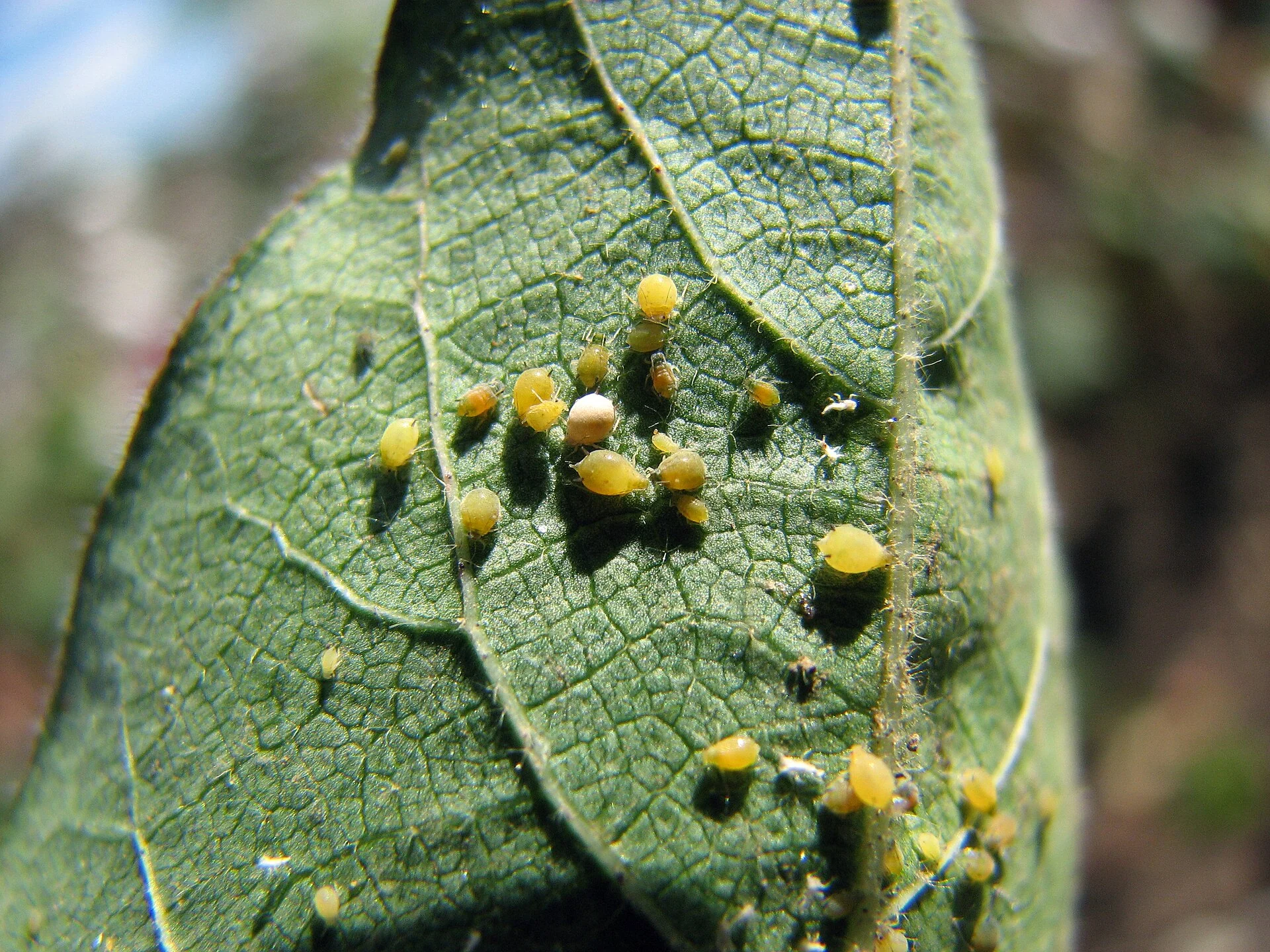
Neonicotinoids are among the most widely used insecticides. A 2015 review counted registrations in more than 120 countries and a market share above 25% of global insecticide sales in 2014; imidacloprid, the first, was launched in 1991, followed by nitenpyram and acetamiprid in 1995 [2]. They are particularly active against sucking pests such as aphids, whiteflies and planthoppers, and also some beetles, flies and caterpillars [2]. This guide compares the six neonicotinoids in the Huasheng catalogue on the points that matter to agronomists and importers.
1. How neonicotinoids work
IRAC places neonicotinoids in Group 4, nicotinic acetylcholine receptor (nAChR) competitive modulators. They bind to the acetylcholine site of the receptor and cause symptoms from hyperexcitation to lethargy and paralysis [1]. Subgroup 4A lists acetamiprid, clothianidin, dinotefuran, imidacloprid, nitenpyram, thiacloprid and thiamethoxam [1]. Because structurally related insecticides usually share a target site, IRAC warns that target site resistance carries a high risk of cross resistance to all members of the same group [1].
2. Systemic behaviour and application
Neonicotinoids are systemic: taken up by roots or leaves, they are moved to all parts of the plant, which makes them effective against sap feeders above and below ground [3]. Seed and soil applications have been estimated at about 60% of their uses worldwide [3]. Thiamethoxam is metabolised to clothianidin in insects, plants and soil [3]. The Pesticide Properties DataBase describes imidacloprid and dinotefuran as systemic with contact and stomach action, thiamethoxam as systemic, acetamiprid and nitenpyram as systemic with translaminar activity, and clothianidin as translaminar and root systemic [4][5][6][7][8][9].
Their physicochemical properties, mainly the octanol water partition coefficient and the dissociation constant, allow them to enter plant tissue and move within it [3]. Water solubility, one point of comparison, ranges from 327 mg/L for clothianidin to 570,000 mg/L for nitenpyram (Table 1) [4][5][6][7][8][9].
3. The six neonicotinoids side by side
Table 1. Properties and example pests from the Pesticide Properties DataBase [4][5][6][7][8][9]; IRAC group [1]; formulations from the Huasheng catalogue
| Active ingredient | IRAC group | Water solubility at 20 °C (mg/L) | Honeybee acute contact LD50 (µg/bee) | Example pests | Catalogue formulations |
|---|---|---|---|---|---|
| Imidacloprid | 4A | 610 | 0.081 | Planthoppers, aphids, Colorado potato beetle, white grubs | TC, SC, SL, FS, WG, WP, WS, EC |
| Thiamethoxam | 4A | 4,100 | 0.024 | Aphids, whiteflies, thrips, leafhoppers, mealybugs, wireworms | TC, WG, FS, SC |
| Clothianidin | 4A | 327 | 0.044 | Corn rootworm, corn leaf aphid, stink bugs, thrips, wireworms, flea beetles | FS, SC |
| Acetamiprid | 4A | 2,950 | 8.09 | Aphids, whiteflies, thrips, mirids, leafminers, leafhoppers | TC, SL, WG, SG, SP, SC, SE, EC, OD |
| Dinotefuran | 4A | 39,830 | above 0.047 | Whiteflies, mealybugs, thrips, planthoppers, leafminers, aphids | WG, WP, SC |
| Nitenpyram | 4A | 570,000 | Not listed | Aphids, thrips, whitefly | SP, WG |
A lower LD50 means higher toxicity. By these database values, acetamiprid is about two orders of magnitude less acutely toxic to honeybees by contact than imidacloprid, thiamethoxam or clothianidin [4][5][6][7]. The pests listed are examples from the database, not registered uses; the crops, pests and rates allowed in each country are set by the registered label.
4. What regulators found on pollinator risk
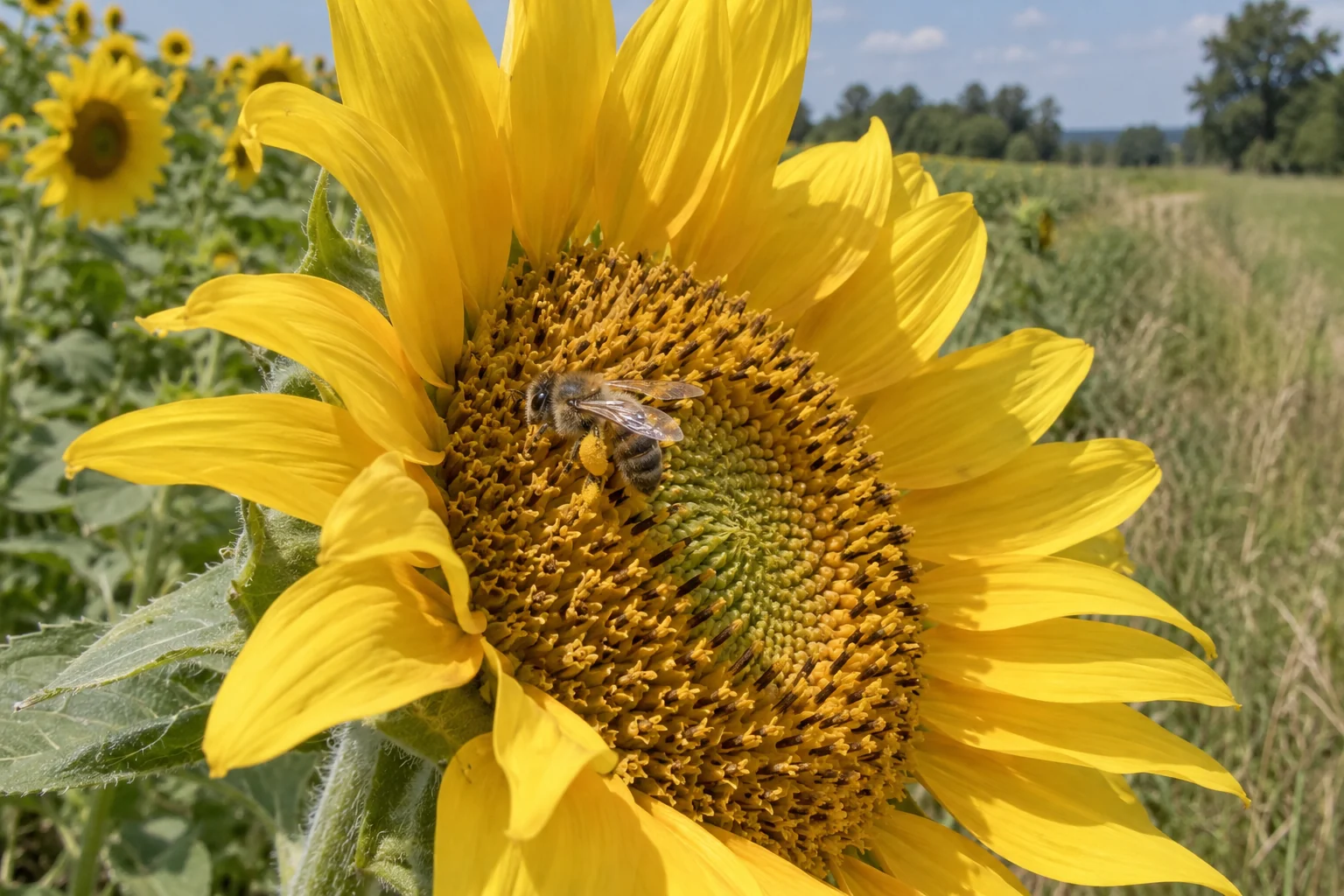
In 2018 EFSA updated its assessments of clothianidin, imidacloprid and thiamethoxam, this time covering wild bees as well as honeybees, and concluded that most uses represent a risk to them, assessing exposure through pollen and nectar residues, dust drift at sowing and water [11]. For acetamiprid, the European Commission reports that EFSA established a low risk to bees [10].
In the United States, EPA's 2016 preliminary assessment for imidacloprid set a residue level of 25 ppb in pollen and nectar above which effects on hives, such as fewer bees and less honey, are likely, and found that citrus and cotton may exceed it [14]. Its 2017 preliminary assessments for clothianidin, thiamethoxam and dinotefuran found that most approved uses do not pose significant risks to colonies, but that spray applications to a few crops, such as cucumbers, berries and cotton, may pose risks to bees that contact residues [15].
5. Regulation and resistance by region
European Union
In 2018 the EU banned all outdoor uses of imidacloprid, clothianidin and thiamethoxam, leaving use only in permanent greenhouses; their approvals then expired between 2019 and 2020, and thiacloprid's approval was withdrawn in February 2020 [10]. Acetamiprid was renewed until 28 February 2033 [10][12]. After EFSA's 2024 statement identified data gaps on developmental neurotoxicity and proposed an extra uncertainty factor of 5 in its health based values, the Commission opened a review of that approval [12]. Dinotefuran and nitenpyram were not among the five neonicotinoids approved in the EU in 2013 [10].
United States
EPA is reviewing imidacloprid, clothianidin, thiamethoxam, dinotefuran and acetamiprid together. Proposed interim decisions were released in January 2020, and EPA's schedule, last updated in July 2024, listed amended proposed interim decisions and interim decisions as anticipated in 2025 [13].
Latin America
Brazil's environmental agency IBAMA concluded its pollinator reassessment of thiamethoxam in February 2024, excluding certain application methods and crops; it had already suspended several aerial spraying uses during the reassessment [16]. As explained by the Santa Catarina agricultural agency Cidasc, aerial spraying (including drones) and broadcast foliar spraying are no longer allowed, while soil application, seed treatment and seedling tray uses remain for specified crops; uses on potato, onion, citrus, eucalyptus, pasture and grapes were excluded, and application during or just before flowering, or when bees are visiting the crop, is not allowed [17].
China
Monitoring in Jiangsu since 2012 found that rice brown planthopper has developed resistance to nine insecticides, with extremely high resistance to imidacloprid and thiamethoxam and resistance also to dinotefuran, nitenpyram, pymetrozine and sulfoxaflor [18]. In Lujiang, Anhui, from 2020 to 2022, resistance to dinotefuran rose from medium to high (77.7 to 157.2 fold) and resistance to nitenpyram was medium (14.6 to 22.6 fold) [19].
6. Resistance and IRAC guidance
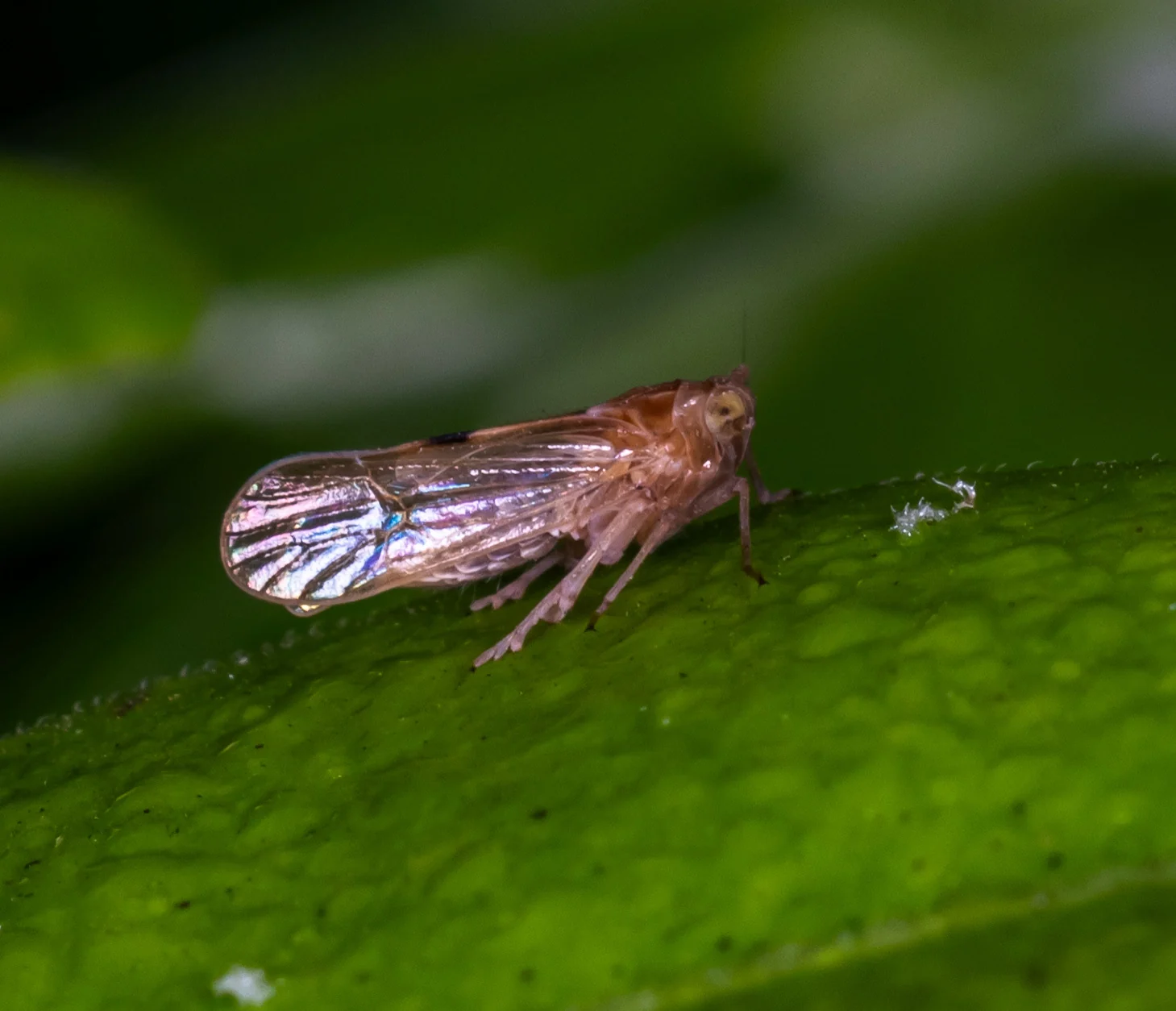
The first neonicotinoid resistance was reported in 1996, in greenhouse whiteflies (Bemisia tabaci) in Spain; most documented cases concern B. tabaci, the green peach aphid, the cotton aphid and the brown planthopper [2]. In brown planthopper, imidacloprid resistance of 600 to 800 fold has been described across Asia [2]. Metabolic resistance through overexpressed cytochrome P450 enzymes is common, while field target site mutations had been characterised only in two aphid species by 2015 [2].
IRAC's rules follow: alternate or rotate insecticides from different MoA groups, organise applications into spray windows linked to crop stage and pest biology, and do not treat successive pest generations with the same group [1]. Within Group 4, IRAC considers the risk of metabolic cross resistance between subgroups 4A to 4F low, but still advises against rotating between subgroups except where no effective registered alternatives exist, and then only on local expert advice [1].
7. Other modes of action against sucking pests
Table 2. Alternatives named in IRAC v11.5 [1], with resistance findings from China [18][19]
| IRAC group | Active ingredient | Mode of action | Resistance findings | Catalogue formulations |
|---|---|---|---|---|
| 29 | Flonicamid | Chordotonal organ nicotinamidase inhibitor; disrupts feeding and other behaviour | Not covered by the cited monitoring | TC, WG, OD, SC |
| 9B | Pymetrozine | Chordotonal organ TRPV channel modulator; disrupts feeding and other behaviour | High resistance in brown planthopper in Anhui (104.6 to 154.4 fold) and Jiangsu | WP, WG, WS |
| 4C | Sulfoxaflor | nAChR competitive modulator, sulfoximine subgroup | Medium resistance in brown planthopper in Anhui (21.3 to 64.5 fold) | Not in catalogue |
Flonicamid (Group 29) and pymetrozine (Group 9B) act on chordotonal stretch receptor organs at different targets from Group 4 [1]. Sulfoxaflor shares Group 4, so IRAC's caution on rotating between subgroups applies [1]. In both Chinese studies, triflumezopyrim, a Group 4E mesoionic, showed the lowest resistance or remained susceptible [1][18][19]. Alternatives also select for resistance, as the pymetrozine results show [19].
8. Choosing between them
- Treat all six as one MoA group when planning rotations [1].
- Check national registrations first: the EU allows imidacloprid, clothianidin and thiamethoxam only in permanent greenhouses, and Brazil has restricted thiamethoxam application methods [10][17].
- Where bees forage, compare bee toxicity and follow label restrictions on flowering crops [7][11][17].
- Use local resistance monitoring: in Jiangsu, brown planthopper resistance to imidacloprid and thiamethoxam has reached extremely high levels [18].
- Place 4A products in spray windows and alternate with groups such as 29 or 9B for the next pest generation [1].
Frequently asked questions
Imidacloprid vs thiamethoxam vs acetamiprid: which is better?
None is better in general. All three are IRAC Group 4A with a shared target site [1]. They differ in water solubility and bee toxicity, acetamiprid being far less acutely toxic to honeybees [4][5][7], and in regulatory status, with outdoor uses of imidacloprid and thiamethoxam banned in the EU [10]. Local resistance and the registered label decide.
What is the difference between imidacloprid and acetamiprid?
Both are Group 4A [1]. Acetamiprid is more water soluble (2,950 vs 610 mg/L) and less toxic to honeybees by contact (LD50 8.09 vs 0.081 µg/bee) [4][7]. In the EU, imidacloprid's approval expired in 2020, while acetamiprid is approved until 2033 and under review [10][12].
Is thiamethoxam the same as clothianidin?
No, but thiamethoxam is metabolised to clothianidin in insects, plants and soil [3]. Both are Group 4A [1].
Can I rotate imidacloprid with thiamethoxam to manage resistance?
No. They belong to the same group, and IRAC warns of a high risk of cross resistance within a group [1]. Rotate with a different group, such as 29 or 9B [1].
Are neonicotinoids banned?
Not everywhere. The EU banned outdoor uses of imidacloprid, clothianidin and thiamethoxam in 2018 [10]; EPA's review in the United States is ongoing [13]; Brazil restricted how thiamethoxam may be applied [16][17].
What can replace neonicotinoids against aphids, whiteflies or planthoppers?
Insecticides from other IRAC groups, such as flonicamid (29) or pymetrozine (9B) [1], chosen with local resistance data, since brown planthopper resistance to pymetrozine has been reported in China [19].
Further reading
- Enquire about imidacloprid, thiamethoxam, acetamiprid and flonicamid
- Imidacloprid: formulations and supply
- Thiamethoxam: formulations and supply
- Clothianidin: formulations and supply
- Acetamiprid: formulations and supply
- Flonicamid: formulations and supply
- Pymetrozine: formulations and supply
- Insecticides and acaricides
- [1] IRAC (2026). Mode of Action Classification Scheme, version 11.5, February 2026.
- [2] Bass C., Denholm I., Williamson M. S., Nauen R. (2015). The global status of insect resistance to neonicotinoid insecticides. Pesticide Biochemistry and Physiology 121: 78-87 (accepted manuscript).
- [3] Simon-Delso N. et al. (2015). Systemic insecticides (neonicotinoids and fipronil): trends, uses, mode of action and metabolites. Environmental Science and Pollution Research 22: 5-34.
- [4] University of Hertfordshire (2026). Pesticide Properties DataBase: imidacloprid.
- [5] University of Hertfordshire (2026). Pesticide Properties DataBase: thiamethoxam.
- [6] University of Hertfordshire (2026). Pesticide Properties DataBase: clothianidin.
- [7] University of Hertfordshire (2026). Pesticide Properties DataBase: acetamiprid.
- [8] University of Hertfordshire (2026). Pesticide Properties DataBase: dinotefuran.
- [9] University of Hertfordshire (2026). Pesticide Properties DataBase: nitenpyram.
- [10] European Commission (n.d.). Neonicotinoids: renewal of approval.
- [11] EFSA (2018). Neonicotinoids: risks to bees confirmed.
- [12] EFSA (2025). Statement on the testing strategy and timelines for the assessment of developmental neurotoxicity and endocrine disruption properties of acetamiprid. EFSA Journal 23(9): e9639.
- [13] US EPA (2024). Schedule for review of neonicotinoid pesticides (updated 26 July 2024).
- [14] US EPA (2016). EPA releases the first of four preliminary risk assessments for insecticides potentially harmful to bees.
- [15] US EPA (2017). EPA releases four neonicotinoid risk assessments for public comment.
- [16] IBAMA (2024). Ibama publica comunicado sobre a reavaliação ambiental dos produtos agrotóxicos à base do ingrediente ativo tiametoxam (in Portuguese).
- [17] Cidasc (2024). Cidasc orienta sobre a restrição do uso do inseticida tiametoxam devido a riscos para as abelhas e outros insetos polinizadores (in Portuguese).
- [18] Zhou C. et al. (2024). Monitoring of resistance of Nilaparvata lugens to nine insecticides in Jiangsu Province. World Pesticides 46(10): 47-50, 55 (in Chinese).
- [19] Zhang S. et al. (2024). Resistance monitoring and field control efficacy of different insecticides on Nilaparvata lugens in Lujiang county, Anhui province. Plant Protection 50(2): 303-306, 360 (in Chinese).
Products in this article