Diamide insecticides: chlorantraniliprole and cyantraniliprole compared, with resistance management
How IRAC Group 28 diamides act on insect ryanodine receptors, how chlorantraniliprole and cyantraniliprole differ in spectrum and movement in the plant, where resistance is documented, and how the IRAC window approach keeps the group working.
Author: Liu Xiaomin, AgronomistTechnical review: Zhao Guohua, Researcher
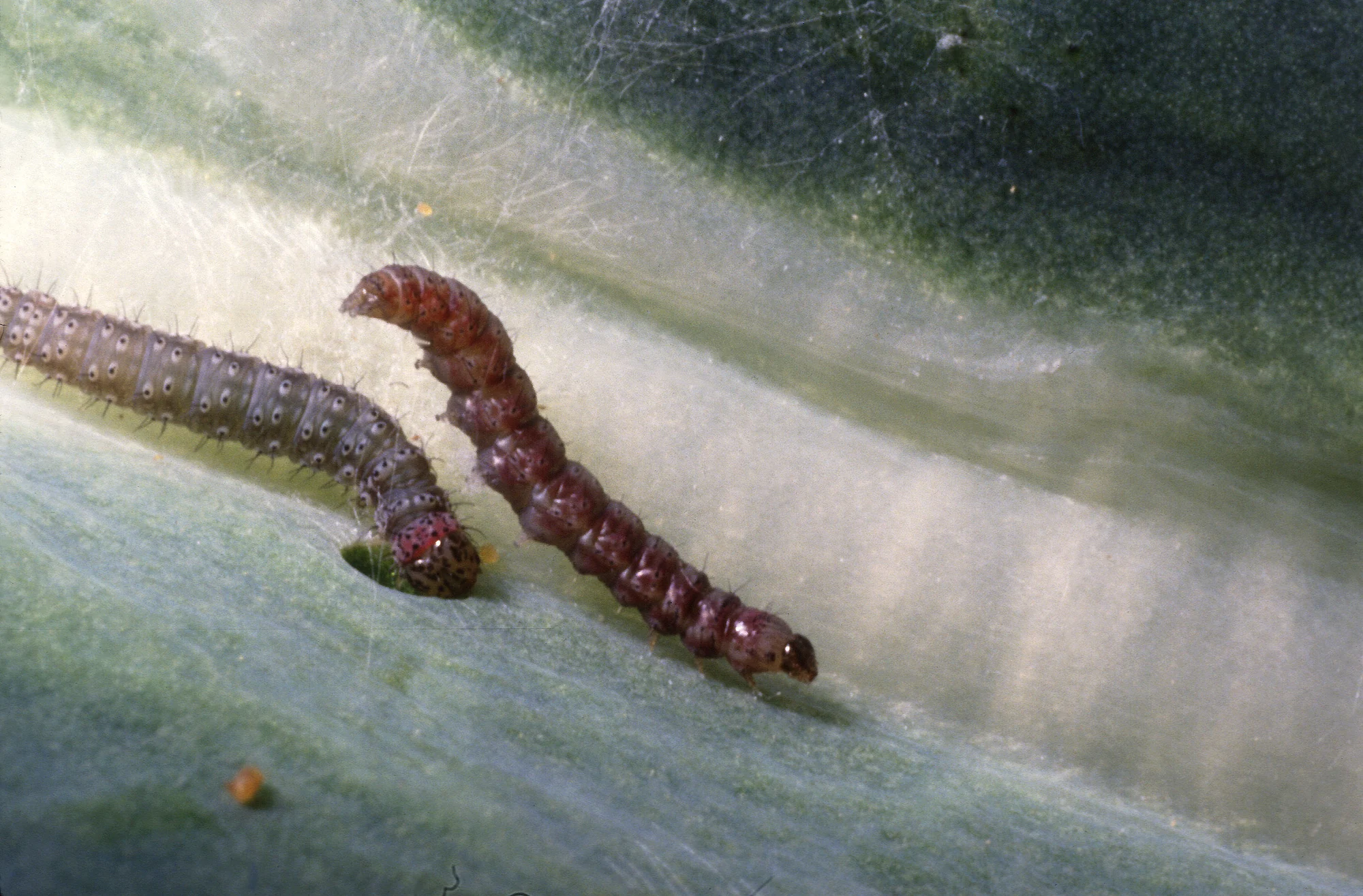
IRAC, the Insecticide Resistance Action Committee, classifies diamides as Group 28, ryanodine receptor modulators, a group that currently contains chlorantraniliprole, cyantraniliprole, cyclaniliprole, flubendiamide and tetraniliprole [1]. Because every member shares one target site, IRAC asks that resistance management treat all Group 28 insecticides as one group [2]. This guide explains the mode of action, compares the two most common anthranilic diamides, summarises documented resistance and sets out the IRAC rotation rules.
1. Mode of action
Ryanodine receptors control the release of calcium from internal stores in muscle. Group 28 insecticides bind to these receptors and cause uncontrolled release and depletion of internal calcium, preventing further muscle contraction [2]. IRAC describes the result as activation of muscle ryanodine receptors leading to contraction and paralysis [1]. Treated insects show rapid cessation of feeding, lethargy, regurgitation, muscle paralysis and finally death [2].
Structural work shows that phthalic and anthranilic diamides bind the same site in the transmembrane region of the receptor, with different poses [3]. The binding site is not conserved between insects and mammals, and diamides are about 100 to 1,000 times more selective for insect receptors than for mammalian ones [3].
2. Chlorantraniliprole and cyantraniliprole compared
Both are anthranilic diamides. Chlorantraniliprole was the first of them and is particularly effective against Lepidoptera [4]. Cyantraniliprole is chemically similar but has a broader spectrum and controls sucking insects such as aphids and whiteflies [4]; it has been described as the first diamide to target piercing sucking pests effectively [5].
Chlorantraniliprole and cyantraniliprole: what the sources say
| Property | Chlorantraniliprole | Cyantraniliprole | Sources |
|---|---|---|---|
| IRAC group | 28, diamides | 28, diamides | [1] |
| Main spectrum | Particularly effective on Lepidoptera, also other chewing insects | Broader: Lepidoptera, Diptera, Coleoptera, Hemiptera and Thysanoptera, including aphids and whiteflies | [4][6] |
| Physical properties | Higher log Pow, lower water solubility | Lower log Pow, higher water solubility | [6] |
| Movement in maize | Taken up and moved upward in the xylem to new leaves after seed treatment; not moved from sprayed leaves to new leaves | Same pattern in the same study | [6] |
| Documented resistance | Diamondback moth, beet armyworm, fall armyworm, tomato leafminer | Whitefly eggs in China; fall armyworm in Brazil | [7][8][9][10][11] |
The practical difference is the target list, not a way around resistance: both belong to the same mode of action group [1], and the cross resistance described below has extended across the diamides [7][11].
3. Documented resistance
Resistance has developed quickly in some pests [4][7]. Sources differ on the mechanism in diamondback moth: IRAC's 2012 poster described it as believed to be metabolic and cross resistant to all diamide products [7], while later work identified target site mutations in the ryanodine receptor; the G4946E mutation has been reported in diamondback moth in at least nine countries on three continents [4].
Diamondback moth (Plutella xylostella)
Resistance appeared within 18 months of the launch of flubendiamide in Thailand in 2009, with cross resistance to chlorantraniliprole; the following year it was observed in the Philippines, and in 2011 in Taiwan and the Guangzhou area of southeast China [4][7]. In China's 2024 national monitoring, diamondback moth showed mostly moderate to high resistance to chlorantraniliprole, rising compared with 2023 [9].
Spodoptera
In China's 2024 monitoring, beet armyworm (Spodoptera exigua) showed mostly high resistance to chlorantraniliprole, above 140 fold in populations from Shanghai, Zhejiang and Hubei [9]. In the United States, beet armyworm resistance to chlorantraniliprole was first reported in 2020; in the laboratory it declined when exposure stopped, which the authors see as manageable by removing the selection pressure [12]. In fall armyworm (Spodoptera frugiperda), diamide resistance was until 2022 known from laboratory selected strains, with an I4734M/K mutation identified in strains selected from Brazilian field populations [10]; susceptibility of Brazilian field populations to cyantraniliprole then fell from 2017 to 2023, and a selected strain showed high cross resistance to flubendiamide, chlorantraniliprole and cyclaniliprole [11].
Tomato leafminer (Tuta absoluta)
IRAC lists diamide resistance in Tuta absoluta in Italy and Greece and in Israel [8].
Whiteflies
China's 2024 monitoring found moderate to high resistance to cyantraniliprole in Bemisia tabaci eggs, with high resistance in populations from Shanghai, Hainan and Shanxi [9]. Higher expression of UDP glycosyltransferases, detoxification enzymes, is a key metabolic mechanism of cyantraniliprole resistance in B. tabaci, and these enzymes also mediated cross resistance to chlorantraniliprole [5].
4. IRAC resistance management guidance
IRAC's general rule is that successive generations of a pest should not be treated with insecticides from the same mode of action group, and that applications are arranged into spray windows defined by crop stage and pest biology [1]. For Group 28, the diamide working group gives these rules [2][7]:
- Treat all Group 28 products as one group; do not rotate one diamide with another [2].
- Use a window approach so that consecutive pest generations are not exposed to Group 28 [2][7].
- A treatment window lasts about 30 days, 15 to 45 days depending on the local generation time, and should approximate one generation of the target pest; several applications are acceptable within one window or against one generation [7].
- After a Group 28 window, rotate to a window of effective insecticides with a different mode of action [2].
- For crops shorter than 50 days, treat the whole crop cycle as one Group 28 window and use other modes of action in the next planting at the same site [7].
- Group 28 windows should cover no more than about 50% of the crop cycle, from seedling to harvest [2][7].
- Do not reduce label rates, target the most susceptible life stages and monitor field performance [2].
- Do not use tank mixtures or premixtures where resistance to either component is known in the target population [2].
IRAC also stresses that rotation partners must control the pest well: rotating with products that give poor control increases the risk of diamide resistance [7].

5. Examples from the catalogue
The table lists Huasheng catalogue ingredients that belong to Group 28 or are named as rotation options in the sources. Groups were checked against IRAC version 11.5 [1].
Diamides and rotation partners in the Huasheng catalogue
| Ingredient | IRAC group | Catalogue formulations | What the sources say |
|---|---|---|---|
| Chlorantraniliprole | 28 | TC, SC, FS, WG, ZC | Anthranilic diamide, particularly effective on Lepidoptera [4]; moves upward in the xylem after seed treatment [6] |
| Cyantraniliprole | 28 | FS | Broader spectrum including aphids and whiteflies [4]; same Group 28 window as chlorantraniliprole [2] |
| Emamectin benzoate | 6 | TC, WG, OD | Group 6 [1]; named as a rotation option for cotton bollworm in China [9] |
| Spinosad | 5 | SC, OD | Group 5 [1]; named as a rotation option for beet armyworm and cotton bollworm in China [9] |
| Indoxacarb | 22A | TC, SC, WG, EC | Group 22A [1]; rotation option for diamondback moth, but high resistance in beet armyworm in China [9] |
| Lufenuron | 15 | TC, SC, EC, WG | Group 15 [1]; rotation option for beet armyworm in China [9] |
| Chlorfenapyr | 13 | SC | Group 13 [1]; rotation option for diamondback moth in China [9] |
| Methoxyfenozide | 18 | TC, SC, WG | Group 18 [1]; mostly moderate resistance in beet armyworm in China [9] |
The table describes IRAC groups and what the cited sources say. It is not a list of registered uses. Which products may be used, on which crops, at what rate and interval is set by each country's registration and by the product label.
6. Regional notes
China
For areas with high resistance, the 2024 national monitoring report advises stopping chlorantraniliprole against diamondback moth, suspending chlorantraniliprole and indoxacarb against beet armyworm, and suspending cyantraniliprole against whiteflies, preferring biological products and rotating other modes of action, with each product used no more than once per vegetable season [9]. In cotton bollworm in the Yangtze River cotton region, chlorantraniliprole resistance was still susceptible to low, but rising [9].
Latin America
In Brazil, cyantraniliprole is widely used against sucking and defoliating pests, including fall armyworm, and field susceptibility declined from 2017 to 2023, especially in intensive systems of the Cerrado [11]. Large scale screening of Brazilian field populations for ryanodine receptor resistance mutations has been carried out to support resistance management [10].
Other regions
In Europe and the Middle East, diamide resistant Tuta absoluta is listed for Italy, Greece and Israel [8]. In the United States, beet armyworm resistance to chlorantraniliprole was first reported in 2020 [12].
7. A practical sequence
- List the Group 28 products used on the farm, including seed treatments and premixtures, and count them as one group [2].
- Check local monitoring for diamide resistance in the key pests [9].
- Plan the season in windows of about one pest generation [7].
- Use Group 28 in no more than about half of the crop cycle, and never on consecutive generations [2][7].
- Fill the other windows with effective insecticides from other IRAC groups, and biologicals where advised [1][9].
- Keep full label rates and target young larvae [2].
- Monitor insect populations for loss of field efficacy [2].
Frequently asked questions
What is the difference between chlorantraniliprole and cyantraniliprole?
Both are IRAC Group 28 anthranilic diamides [1]. Chlorantraniliprole is particularly effective on caterpillars, while cyantraniliprole has a broader spectrum that includes aphids and whiteflies [4]; cyantraniliprole also has higher water solubility [6].
Can I rotate chlorantraniliprole with cyantraniliprole?
No. IRAC treats all Group 28 insecticides as one group for resistance management, so switching between them is not a rotation [2].
How do diamide insecticides work?
They activate insect ryanodine receptors, causing uncontrolled calcium release in muscle, rapid feeding stop, paralysis and death [1][2].
Is chlorantraniliprole systemic?
In a maize study it moved upward in the xylem to new leaves after seed treatment, but not from sprayed leaves to new leaves [6].
Which pests are resistant to diamides?
Resistance is documented in diamondback moth, beet armyworm, fall armyworm, Tuta absoluta and, for cyantraniliprole, whitefly eggs in China [7][8][9][11].
How many times can a diamide be used in a season?
IRAC does not set a fixed number: use Group 28 within treatment windows of about one generation, not on consecutive generations, and for no more than about half of the crop cycle [2][7]. Follow the local label and advice; for highly resistant areas, China's monitoring report advises each product no more than once per vegetable season [9].
Further reading
- Enquire about chlorantraniliprole, cyantraniliprole, emamectin benzoate and spinosad
- Chlorantraniliprole: formulations and supply
- Cyantraniliprole: formulations and supply
- Emamectin benzoate: formulations and supply
- Spinosad: formulations and supply
- Indoxacarb: formulations and supply
- Lufenuron: formulations and supply
- Insecticides and acaricides: sourcing and supply
- [1] IRAC (2026). Mode of Action Classification Scheme, version 11.5, February 2026.
- [2] IRAC Group 28 (Diamide) Working Group (2010). Insecticide resistance management: global guidelines for IRAC Group 28 (diamide) insecticides, version 2.1.
- [3] Lin L., Wang C., Wang W., Jiang H., Murayama T., Kobayashi T. et al. (2024). Cryo EM structures of ryanodine receptors and diamide insecticides reveal the mechanisms of selectivity and resistance. Nature Communications 15: 9056.
- [4] Troczka B. J., Williamson M. S., Field L. M., Davies T. G. E. (2017). Rapid selection for resistance to diamide insecticides in Plutella xylostella via specific amino acid polymorphisms in the ryanodine receptor. NeuroToxicology 60: 224.
- [5] Tan H., Hu X., Hu J., Xu W., Wang Q., Liu X., Guo L. (2026). UDP glycosyltransferase confers anthranilic diamide resistance in Bemisia tabaci. Journal of Advanced Research 86: 1.
- [6] Pes M. P., Melo A. A., Stacke R. S., Zanella R., Perini C. R., Silva F. M. A. et al. (2020). Translocation of chlorantraniliprole and cyantraniliprole applied to corn as seed treatment and foliar spraying to control Spodoptera frugiperda (Lepidoptera: Noctuidae). PLoS One 15(4): e0229151.
- [7] IRAC Group 28 (Diamide) Working Group (2012). Stewardship of the ryanodine receptor modulators: resistance management guidelines for Group 28 insecticides (poster, version 4).
- [8] IRAC (n.d.). Tomato leafminer, Tuta absoluta: pest profile and resistance profile.
- [9] National Agro-Tech Extension and Service Center (2025). 2024 resistance monitoring report for pests of oil and economic crops. Ministry of Agriculture and Rural Affairs of China. In Chinese.
- [10] Okuma D. M., Cuenca A., Nauen R., Omoto C. et al. (2022). Large scale monitoring of the frequency of ryanodine receptor target site mutations conferring diamide resistance in Brazilian field populations of fall armyworm, Spodoptera frugiperda. Insects 13(7): 626.
- [11] Thiesen L. V., Gonçalves G. C., Guidolin A. S., Nascimento A. R. B., Coutinho E. F., Borba J. P. et al. (2025). Characterization of cyantraniliprole resistance in Spodoptera frugiperda: selection, inheritance pattern, and cross resistance to other diamide insecticides. Pest Management Science 81(8): 4677.
- [12] Rabelo M. M., Santos I. B., Paula-Moraes S. V. et al. (2022). Spodoptera exigua (Hübner) (Lepidoptera: Noctuidae) fitness and resistance stability to diamide and pyrethroid insecticides in the United States. Insects 13(4): 365.
Products in this article