Skip to content
All crops

Field & forage crops

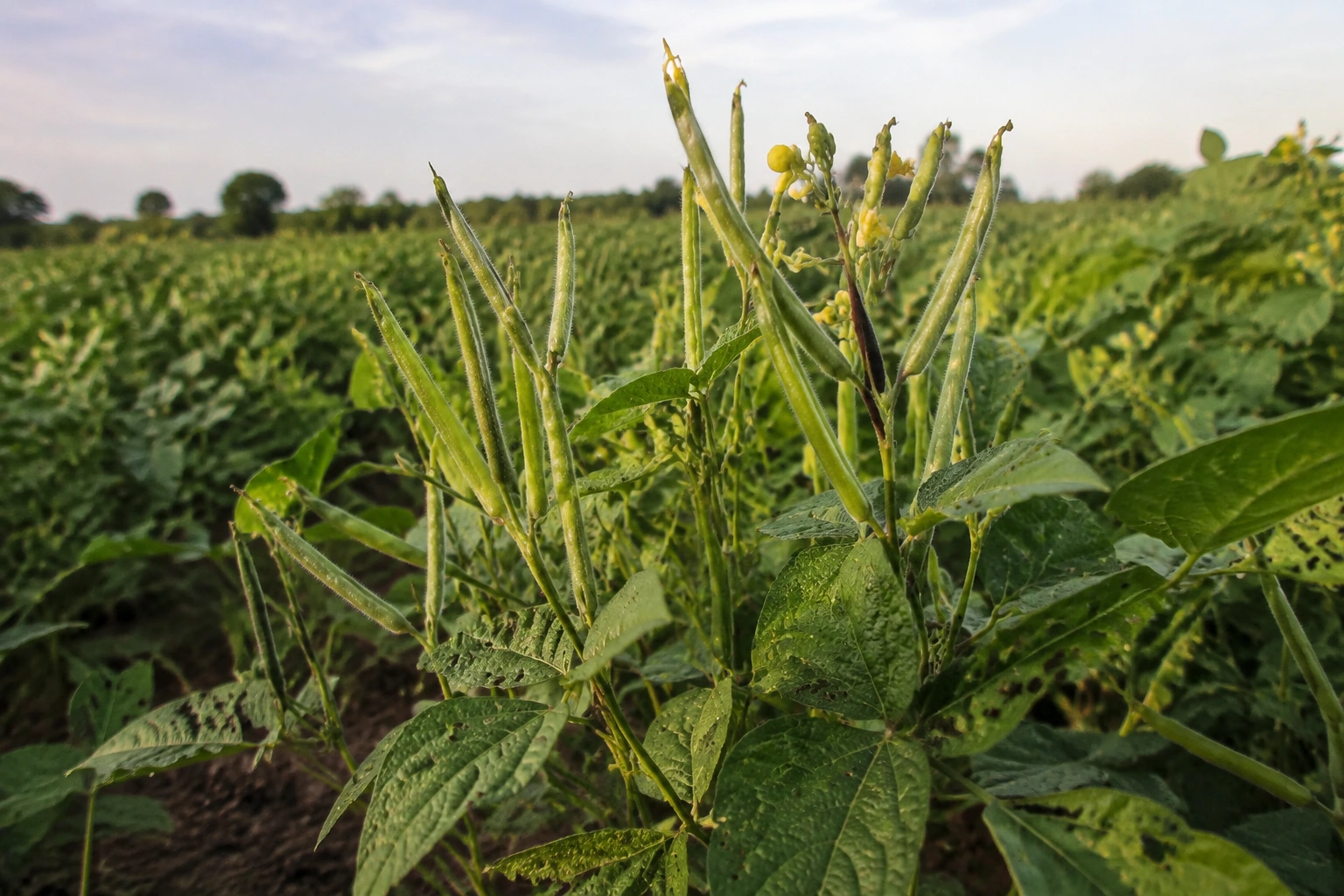
Mung bean

Timely establishment and nutrition for a short growing season.

Mung bean

CROP PRIORITIES

Start with the key crop challenges.

Pests, diseases and growing conditions can produce similar symptoms. Connect field history and diagnosis with the crop stage before choosing an input.

Seedling disease & root rot

Seedling loss and later root rot can both reduce the final mung bean stand. Examine uneven emergence, basal-stem injury and premature plant decline as distinct diagnostic problems. Healthy seed, suitable varieties and water management that avoids severe root stress are important foundations before selecting a root-zone protection approach.

View biological productsDiscuss this crop challenge

Powdery mildew & early leaf loss

Powdery mildew can reduce functional foliage and contribute to premature leaf loss in affected mung bean crops. Include foliage inspection in reproductive-stage monitoring. Locally suitable resistant varieties and timely disease assessment help align protection with the remaining crop cycle and the leaf area needed for seed filling.

Discuss this crop challenge

THROUGH THE SEASON

Follow the crop. Focus each decision.

From establishment to harvest or renewal, the purpose of crop management changes with each stage.

  1. Sowing & establishment

    A short production cycle makes timely establishment important. Align seed quality, crop-matched inoculation and early field conditions before introducing additional inputs.

  2. Root & canopy development

    Root development, nodulation and canopy growth interact with water and nutrient availability. Review the crop’s condition before choosing additional biological or nutritional inputs.

  3. Flowering & pod set

    Flowering and pod set connect crop growth with harvest potential. Coordinate water, nutrition and crop-health monitoring, with a defined role for each input.

  4. Pod filling & harvest

    Follow pod maturity and seed quality alongside the crop’s growth pattern. Product evaluation should retain the variety, season and harvest conditions.

BIOLOGICAL INPUTS

A defined role for each product.

These products have distinct roles in nutrition, root development and crop management. For a pest or disease, product selection also requires evidence for the identified target and applicable market label.

Explore biological crop protection
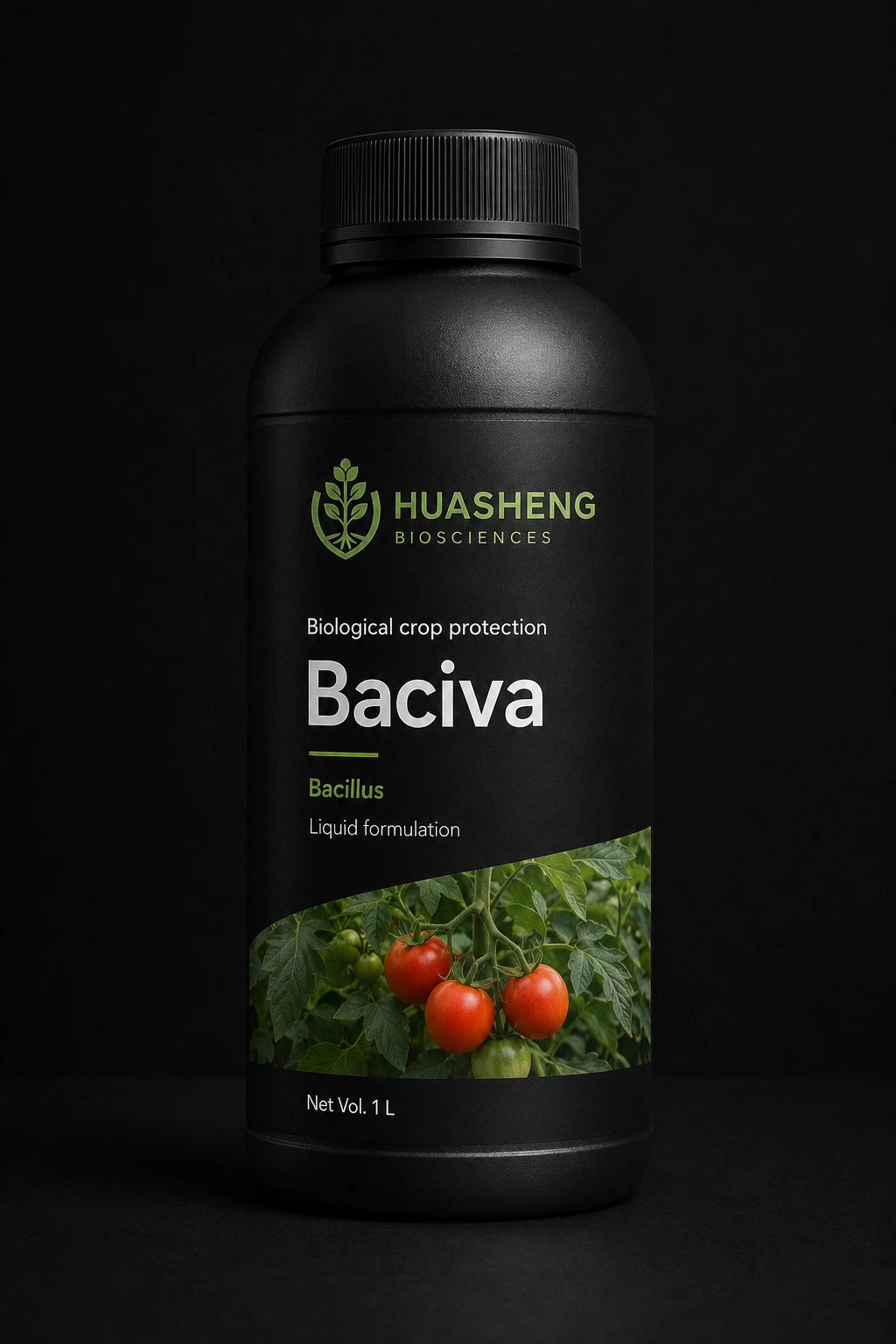
Baciva — Bacillus biological protection

Baciva

Bacillus biological protection

Soilborne & root diseases · Sclerotinia diseases

Components
B. amyloliquefaciens D747

Mung bean

Let’s discuss your crop programme.

Share your growing region, crop stage and management priorities with our team.

Contact Huasheng