Skip to content
All crops

Fruit crops

Citrus

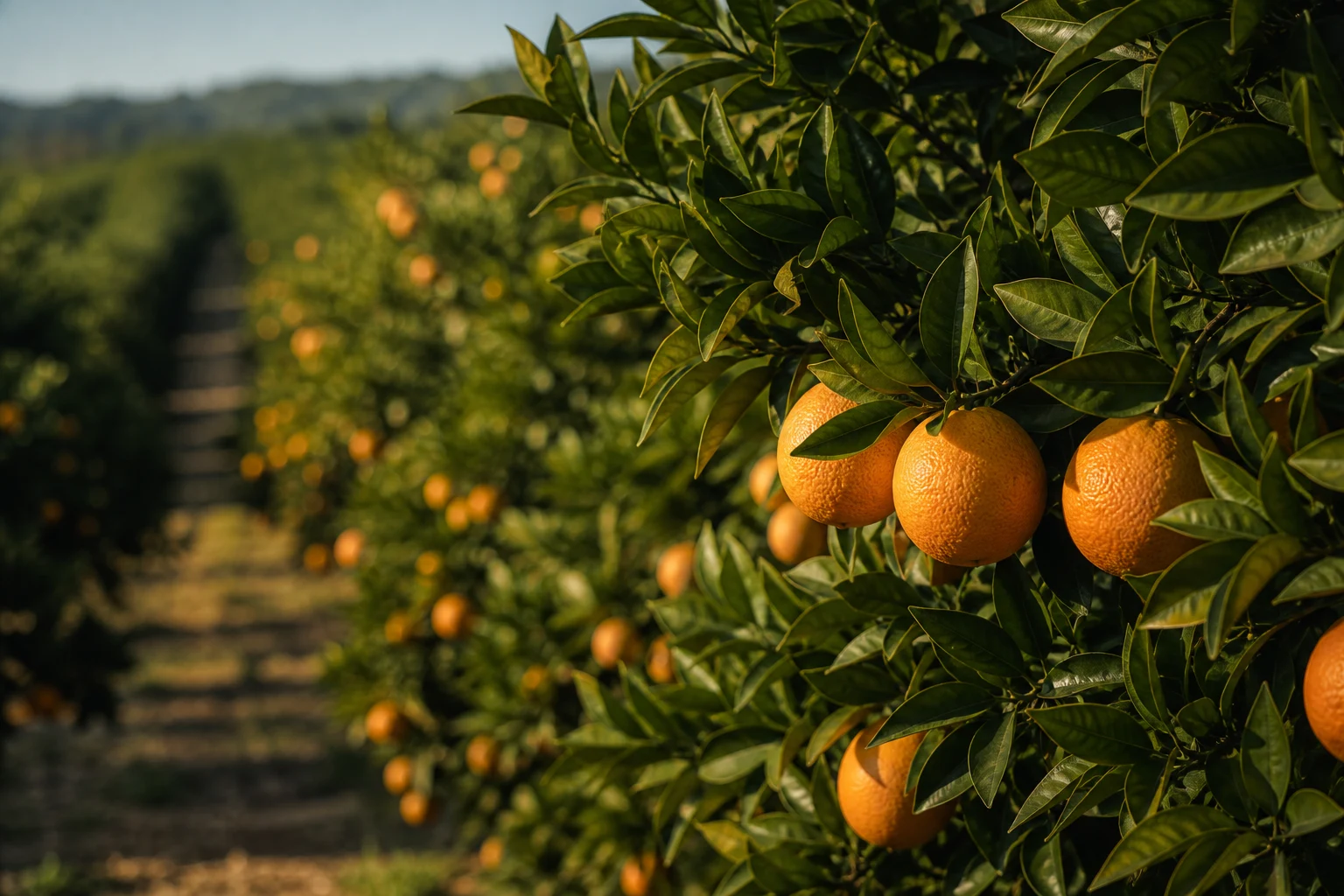
Root health, balanced nutrition and fruit quality across the orchard season.

Citrus

CROP PRIORITIES

Start with the key crop challenges.

Pests, diseases and growing conditions can produce similar symptoms. Connect field history and diagnosis with the crop stage before choosing an input.

Phytophthora root rot

Feeder-root loss can reduce water and nutrient uptake before obvious canopy decline develops. Phytophthora symptoms overlap with salinity, flooding and nematode injury, so diagnosis matters. Priorities include drainage, irrigation management, healthy planting material and rootstock suitability, considered together with each orchard’s disease history.

View biological productsDiscuss this crop challenge

Citrus nematode & slow decline

Citrus nematode injury can contribute to reduced tree vigour, small fruit and declining feeder roots. These symptoms are not specific enough for a field diagnosis alone. Assess root and soil results alongside orchard age and rootstock susceptibility; nursery health and suitable rootstocks are important preventive decisions.

Discuss this crop challenge

Cultivar and rootstock guide the programme

Oranges and mandarins share an orchard-management framework, while cultivar, rootstock, tree age and site conditions shape the practical programme. Establish the fruit-quality target and seasonal timing before selecting biological or nutritional inputs.

View biological productsDiscuss this crop challenge

Connect root condition with nutrition

Combine leaf and soil results with irrigation-water information and root observations. This helps distinguish nutrient shortage from restricted uptake. Biological inputs should have a defined supporting role within the orchard’s water and nutrition programme.

View biological productsDiscuss this crop challenge

Match fruit quality to its market

Fresh-fruit programmes emphasise size, appearance and marketable grades; processing also considers juice quality. Compare the same cultivar at similar maturity and crop load, recording soluble solids and acidity alongside harvest quality.

Discuss this crop challenge

Balance this harvest with the next

Some mandarin cultivars have a marked tendency to alternate bearing. Late-harvest oranges can carry fruit as the next flowering cycle begins. Follow crop load, shoot renewal and return bloom across seasons, with nutrition coordinated alongside canopy management.

Discuss this crop challenge

THROUGH THE SEASON

Follow the crop. Focus each decision.

From establishment to harvest or renewal, the purpose of crop management changes with each stage.

  1. Spring flush & flowering

    Assess flush and flowering together with leaf and soil analyses, cultivar, rootstock and previous crop load.

  2. Fruit set & crop load

    Track fruit retention, distribution and shoot renewal as crop load becomes established. Relate nutrition to canopy condition and water supply.

  3. Fruit expansion & maturity

    Review fruit size, soluble solids and acidity against cultivar, maturity and the intended fresh-fruit or processing market.

  4. Harvest & next-season growth

    Follow leaf retention, tree condition and subsequent flowering. For late-harvest cultivars, account for fruit remaining on the tree during the next growth cycle.

BIOLOGICAL INPUTS

A defined role for each product.

These products have distinct roles in nutrition, root development and crop management. For a pest or disease, product selection also requires evidence for the identified target and applicable market label.

Explore biological crop protection
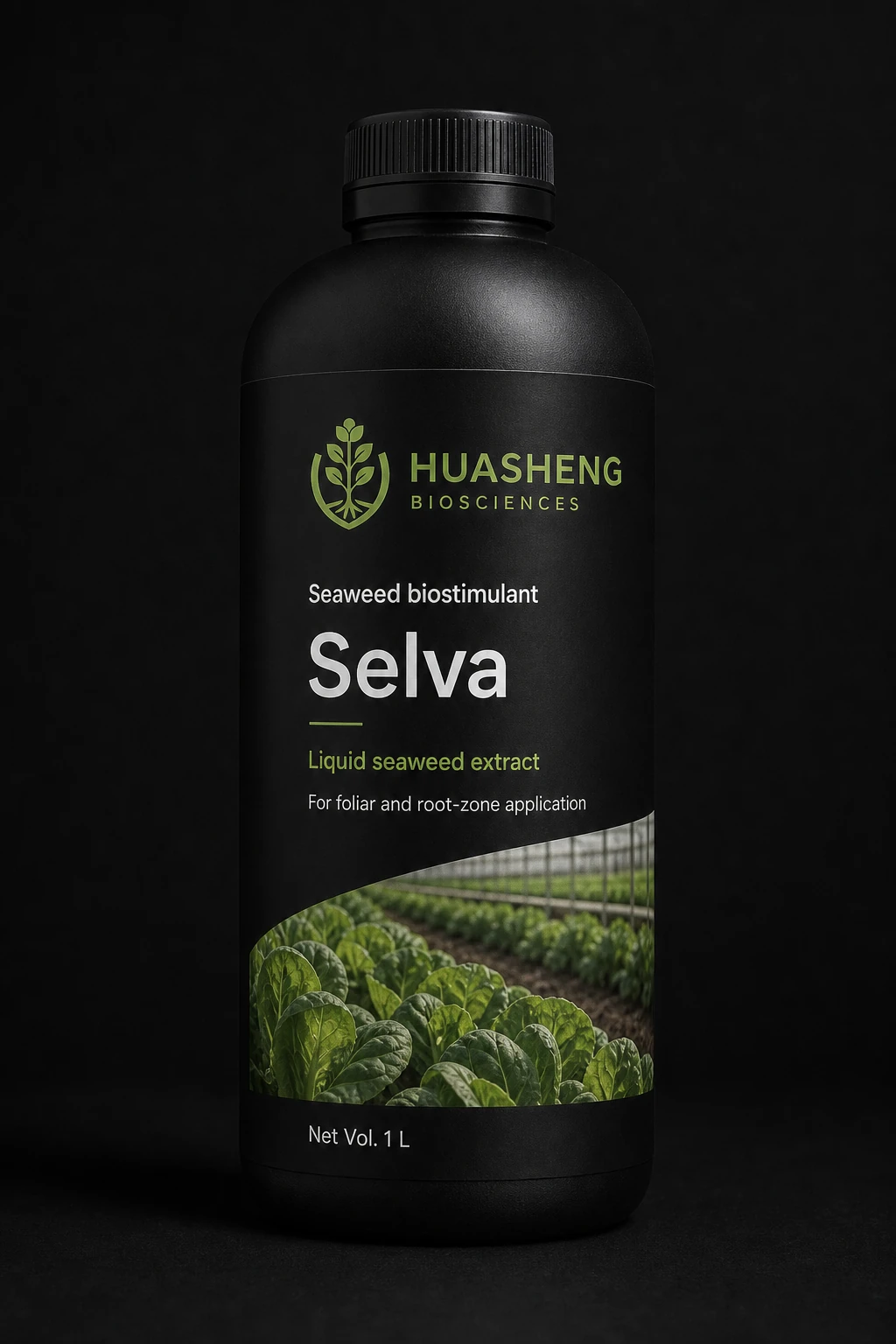
Selva — Seaweed biostimulant

Selva

Seaweed biostimulant

Assess seaweed-derived support at growth transitions, with cultivar-specific orchard observations.

Components
Ascophyllum nodosum seaweed extract
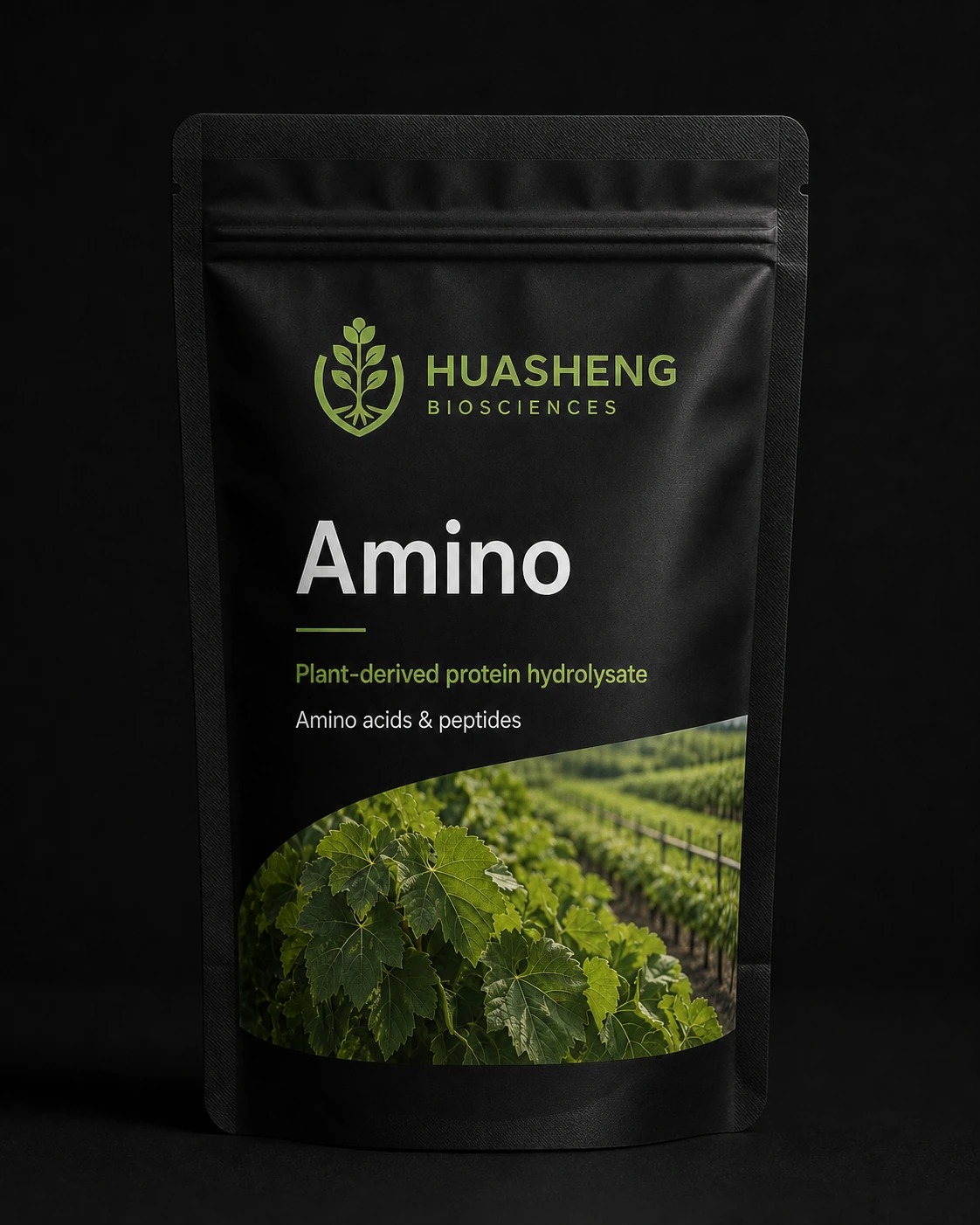
Amino — Plant protein hydrolysate

Amino

Plant protein hydrolysate

Review amino-acid components with the existing nitrogen budget and intended growth stage.

Components
Soy protein hydrolysate · amino acids & peptides
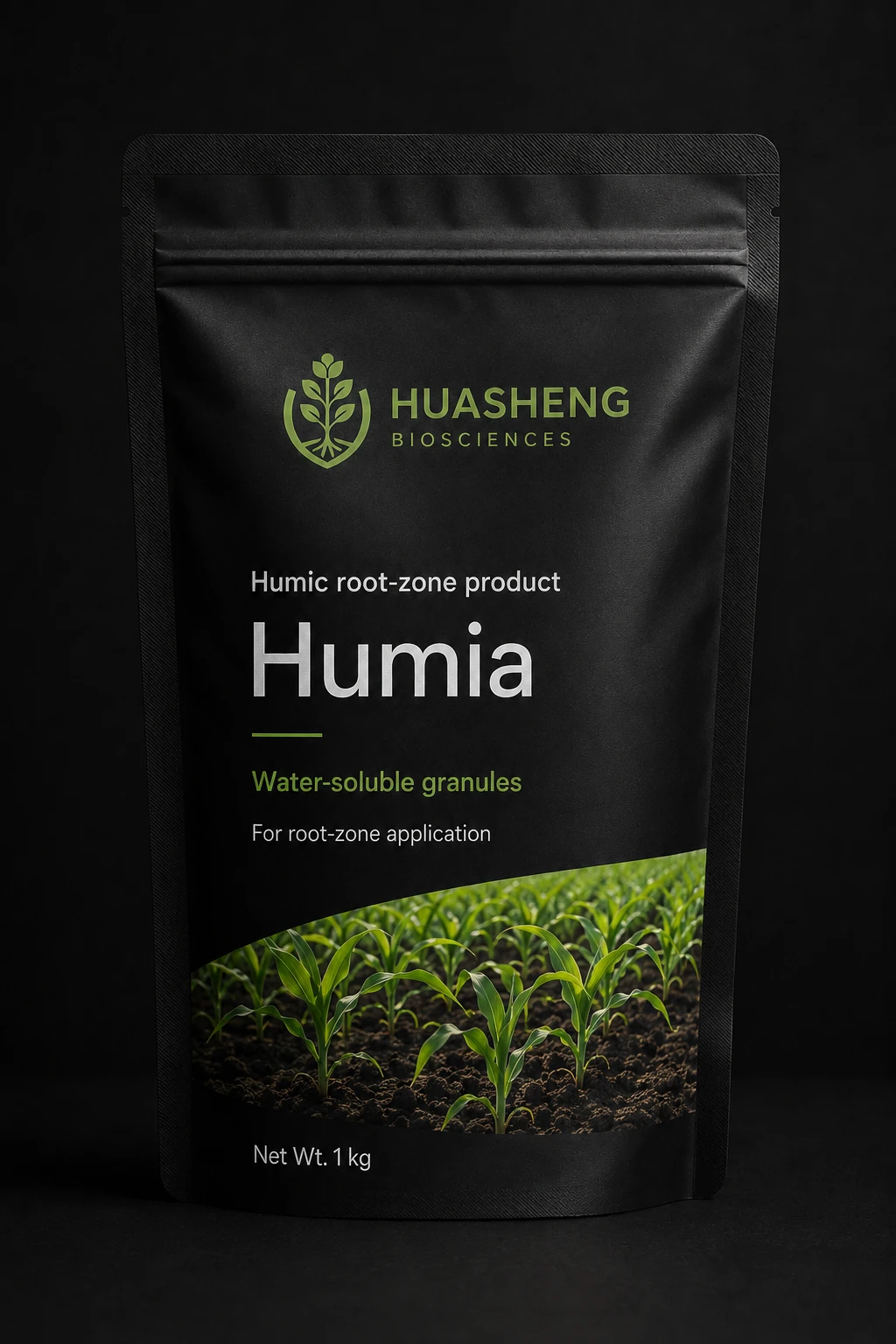
Humia — Humic root-zone product

Humia

Humic root-zone product

Review humic components against soil, irrigation-water and root-zone conditions.

Components
Leonardite-derived potassium humate
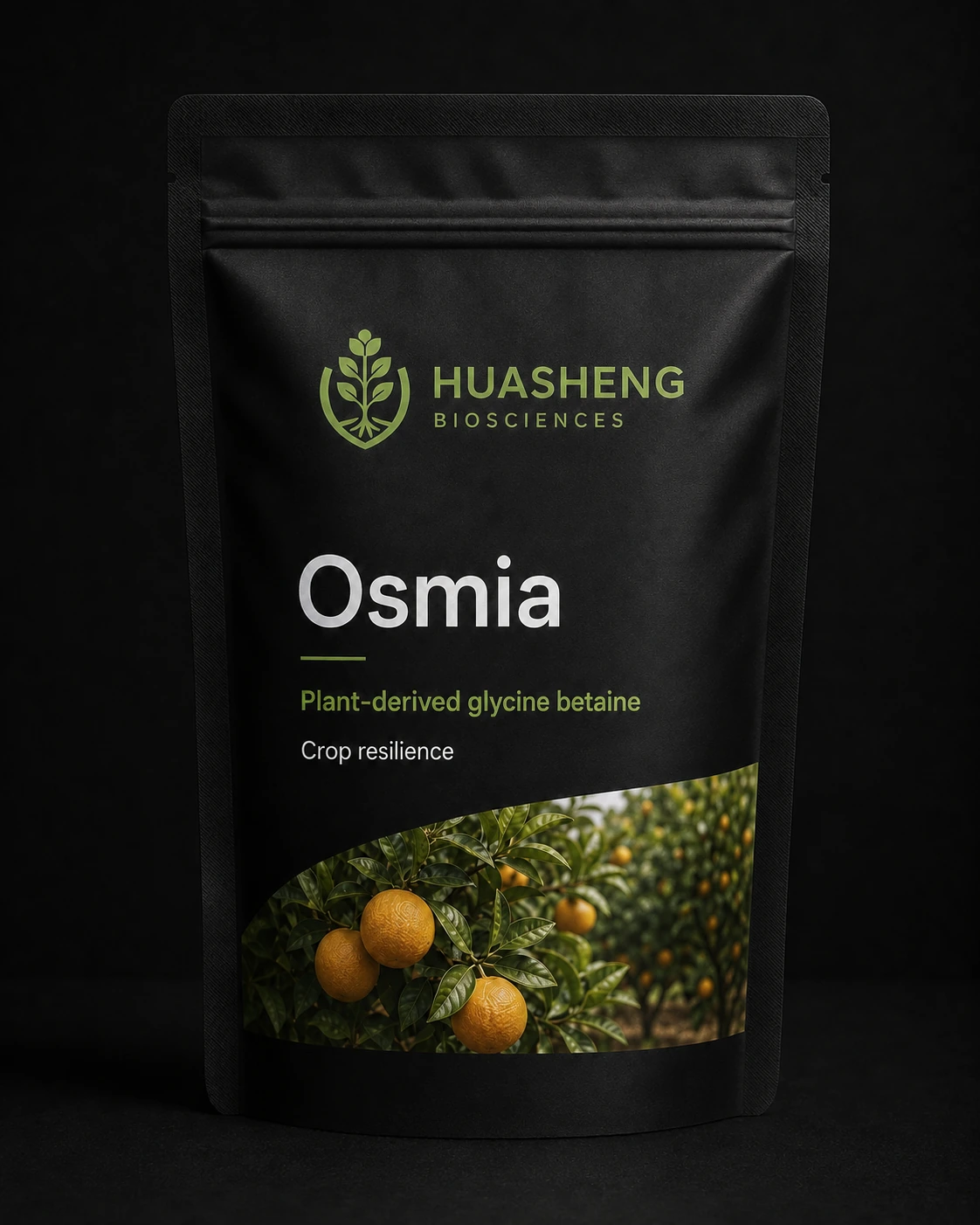
Osmia — Glycine betaine biostimulant

Osmia

Glycine betaine biostimulant

Assess a supporting role during environmental fluctuations alongside the irrigation programme.

Components
Sugar-beet-derived glycine betaine
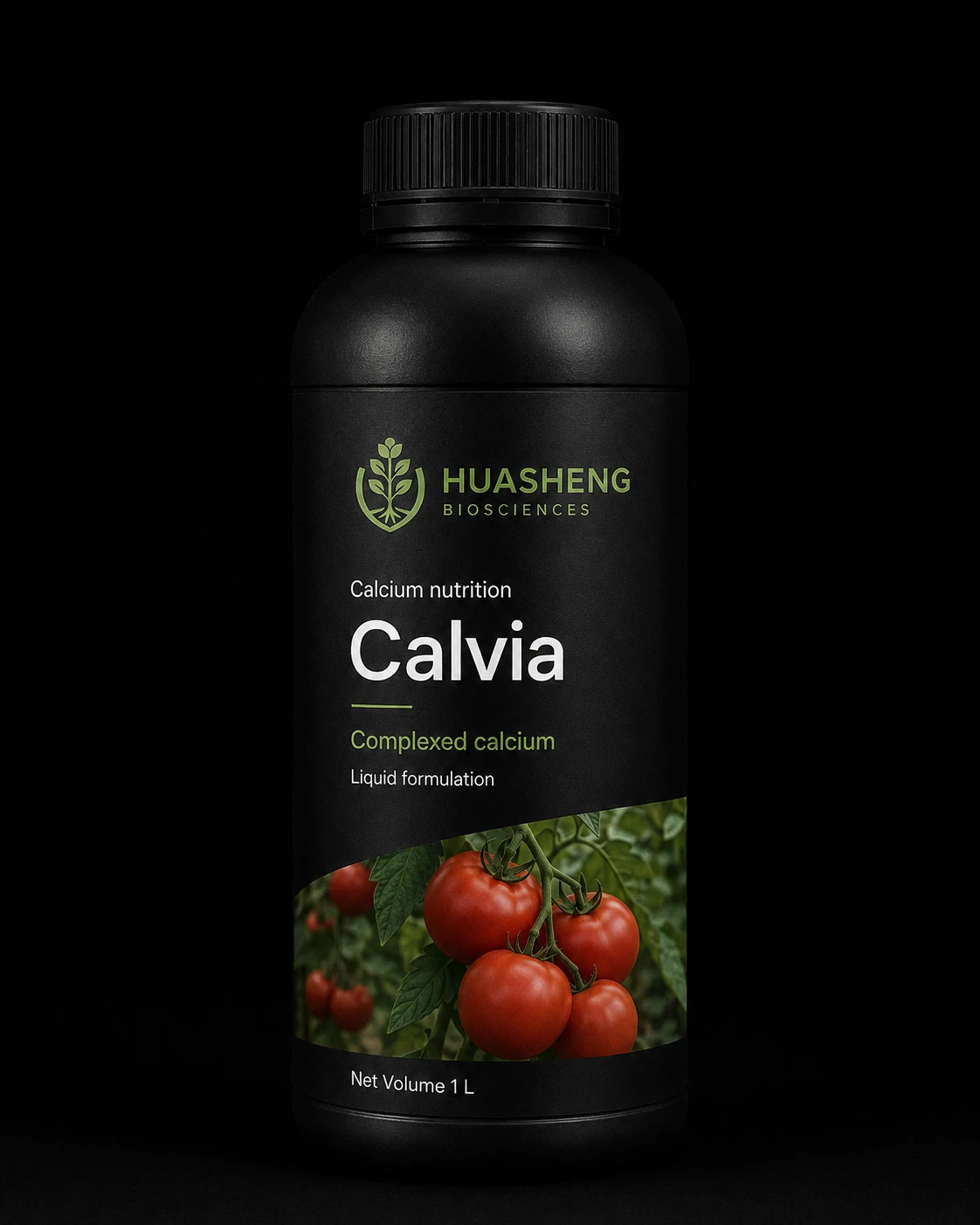
Calvia — Chelated calcium nutrition

Calvia

Chelated calcium nutrition

Assess calcium needs with tissue information, existing supply and water management.

Components
EDTA-chelated calcium

KNOWLEDGE & EVIDENCE

Take a closer look.

Citrus

Let’s discuss your crop programme.

Share your growing region, crop stage and management priorities with our team.

Contact Huasheng