Skip to content
All crops

Field & forage crops

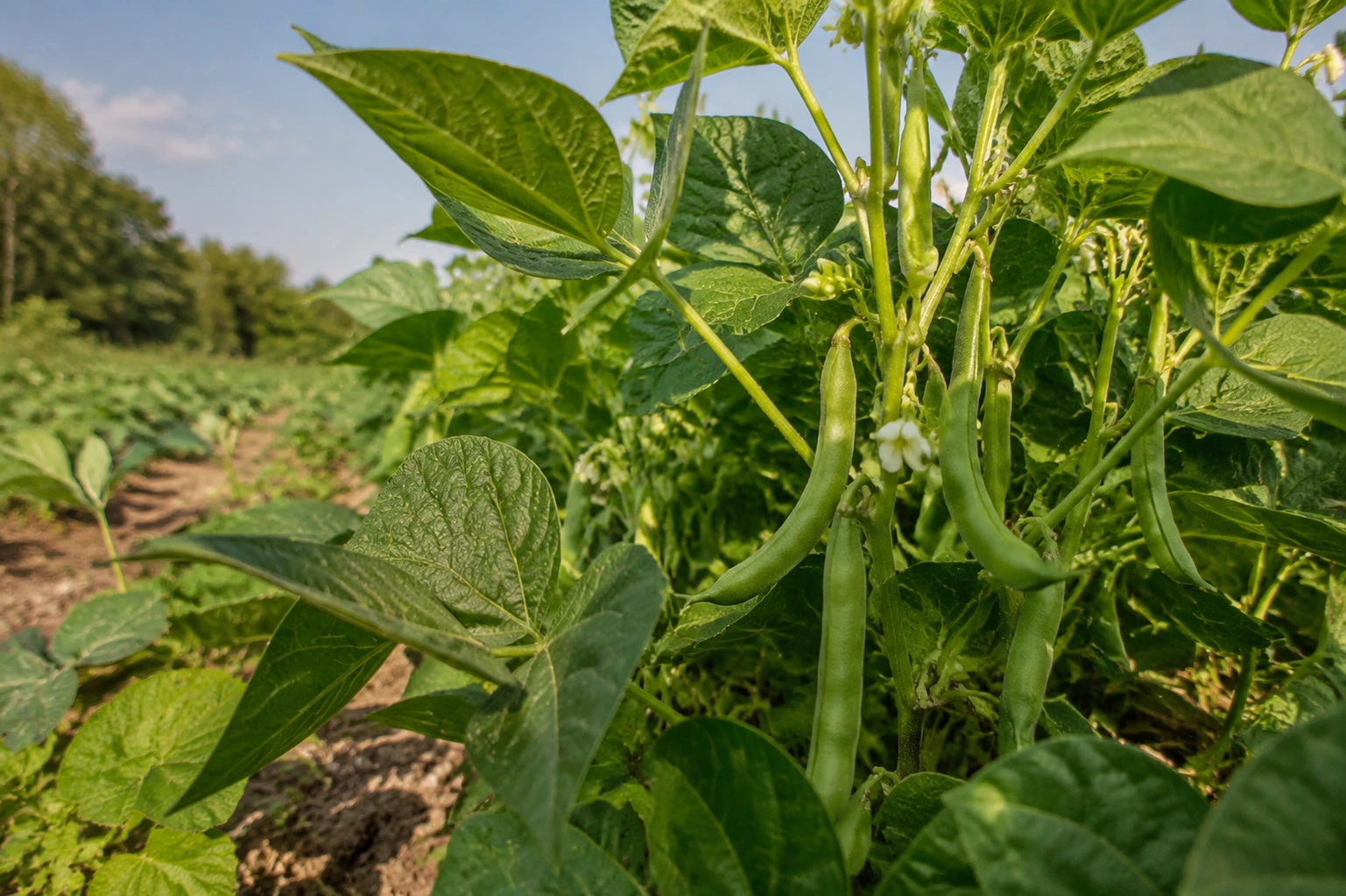
Common bean

Root health, balanced nutrition and pod development.

Common bean

CROP PRIORITIES

Start with the key crop challenges.

Pests, diseases and growing conditions can produce similar symptoms. Connect field history and diagnosis with the crop stage before choosing an input.

Root rot & stand persistence

Fusarium and other root rots can limit water uptake and accelerate decline, especially in stressed crops or fields with repeated bean production. Inspect roots when plants yellow or mature unevenly. Soil aeration, balanced water management and a review of cropping history should accompany diagnosis and any root-zone protection strategy.

View biological productsDiscuss this crop challenge

Common bacterial blight

Leaf and pod lesions can signal common bacterial blight, with consequences for canopy function and seed quality. Healthy seed and field hygiene are important preventive measures. Diagnose suspicious lesions and account for irrigation practices and local weather before choosing protection; nutrition alone does not address a bacterial disease problem.

Discuss this crop challenge

THROUGH THE SEASON

Follow the crop. Focus each decision.

From establishment to harvest or renewal, the purpose of crop management changes with each stage.

  1. Sowing & establishment

    Establish a uniform stand with suitable seed quality and soil conditions. Assess crop-matched inoculation alongside the seed treatment and sowing programme.

  2. Root & canopy development

    Root development, nodulation and canopy growth interact with water and nutrient availability. Review the crop’s condition before choosing additional biological or nutritional inputs.

  3. Flowering & pod set

    Fresh-pod and dry-bean production have different crop-quality objectives. Coordinate flowering, pod growth and nutrition around the intended harvest.

  4. Pod filling & harvest

    Fresh-market programmes focus on pod quality and harvest continuity; dry-bean programmes focus on seed filling and maturity. Evaluate product responses against the relevant objective.

BIOLOGICAL INPUTS

A defined role for each product.

These products have distinct roles in nutrition, root development and crop management. For a pest or disease, product selection also requires evidence for the identified target and applicable market label.

Explore biological crop protection
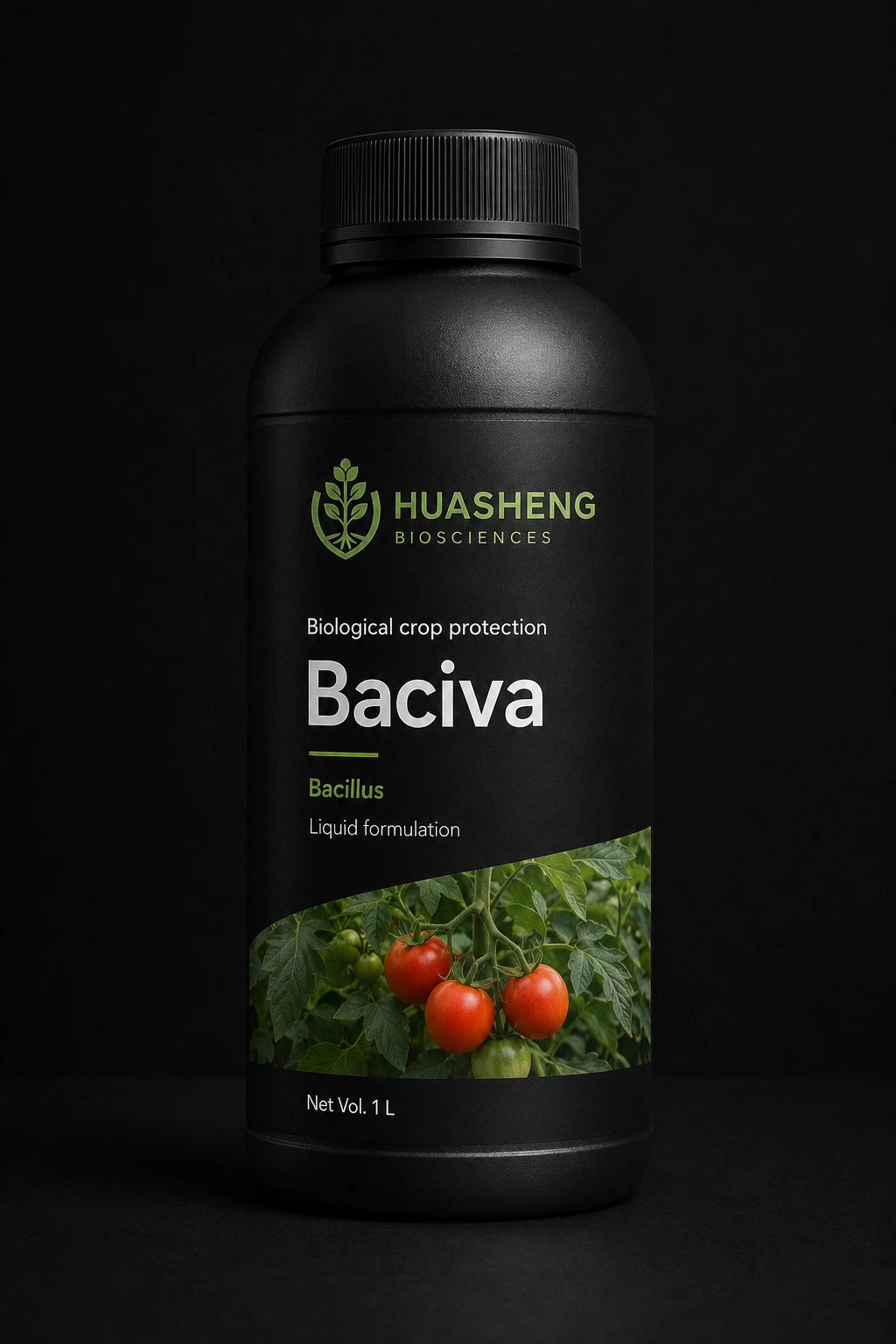
Baciva — Bacillus biological protection

Baciva

Bacillus biological protection

Soilborne & root diseases · Sclerotinia diseases

Components
B. amyloliquefaciens D747

Common bean

Let’s discuss your crop programme.

Share your growing region, crop stage and management priorities with our team.

Contact Huasheng