Phytophthora: protect roots and the plant crown
Phytophthora root and crown rot can cause rapid wilt and plant loss at different growth stages. Field disease history, clean planting material and effective drainage should inform planning. After prolonged wet conditions, check affected areas and seek diagnosis promptly; the crop-protection programme should address the identified disease as well as irrigation.
View biological products →Discuss this crop challenge →Powdery mildew: retain a functional canopy
Powdery mildew can reduce leaf function and cause defoliation, leaving fruit more exposed to sun injury. Monitor both leaf surfaces as the canopy develops and through fruiting. Disease assessment, local crop-protection options and harvest requirements should guide intervention, while nutrition supports the remaining crop demand.
View biological products →Discuss this crop challenge →Use flowering as a diagnostic window
Pepper flowers can drop in unsuitable hot or cool conditions. When fruit set falls, inspect temperature records, water availability and plant condition together. Distinguish an environmental episode from a persistent nutritional limitation before selecting an additional input.
Discuss this crop challenge →Protect root function through successive picks
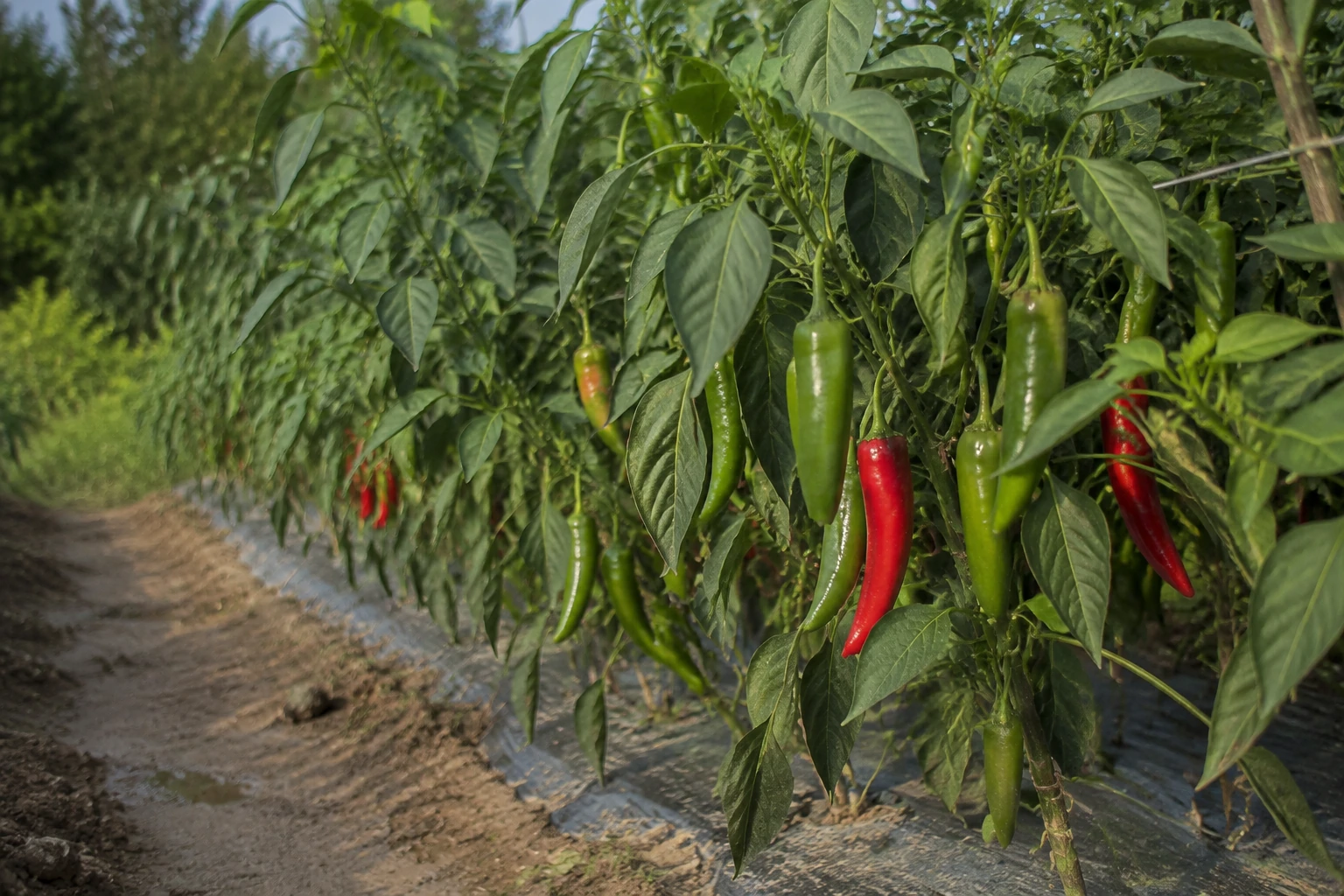
A productive pepper crop must sustain both fruit growth and new growth. Waterlogging, dry periods and accumulated salts can disrupt the rooting environment. In protected soil production, repeated organic as well as mineral fertiliser applications contribute to the nutrient and salt budget.
View biological products →Discuss this crop challenge →Read fruit quality in its market context
Sweet and hot peppers differ in fruit size, harvest colour and market requirements. Record marketable fruit, uniformity and physiological defects rather than relying on plant height alone. Calcium-related disorders require attention to water transport as well as the nutrient supply.
Discuss this crop challenge →