Skip to content
All crops

Vegetable crops

Lettuce

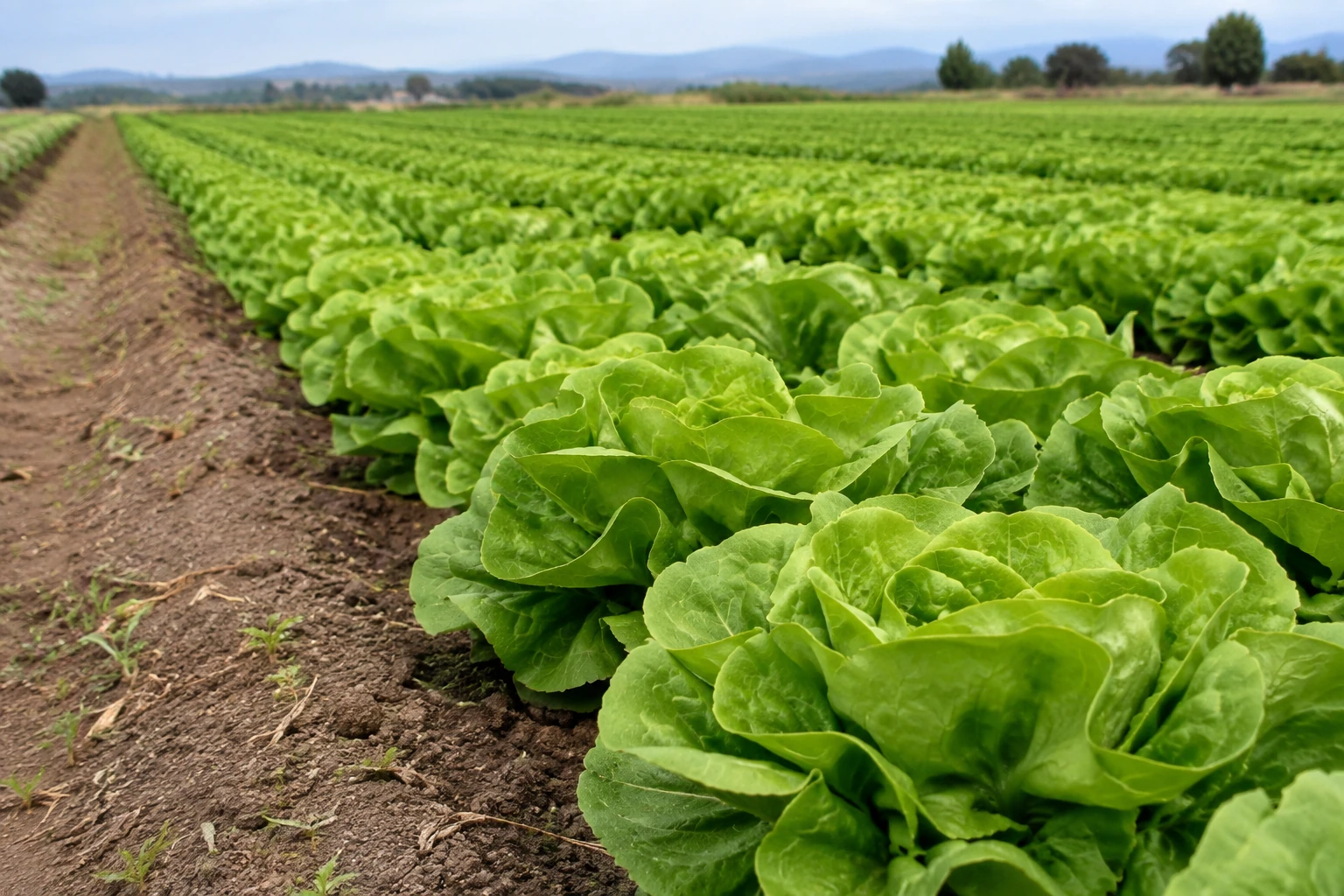
Protect the plant base and roots while delivering uniform, marketable leaves and heads.

Lettuce

CROP PRIORITIES

Start with the key crop challenges.

Pests, diseases and growing conditions can produce similar symptoms. Connect field history and diagnosis with the crop stage before choosing an input.

Lettuce drop: protect the crown before harvest

Lettuce drop caused by Sclerotinia can decay the crown and cause whole plants to collapse near harvest. Previous field incidence and wet bed conditions deserve attention from crop planning onwards. Monitor lower leaves and plant bases, and combine drainage and field hygiene with locally appropriate disease management.

Discuss this crop challenge

Pythium wilt & root disease: distinguish the cause

Pythium wilt is a documented lettuce root disease that can resemble other causes of plant collapse. Root and crown assessment helps distinguish it from lettuce drop and other rots. Use diagnosis and growing-system information to guide management; soil, substrate and recirculating systems require different root-zone assessments.

View biological productsDiscuss this crop challenge

Tipburn is a delivery problem as well as a nutrient issue

Rapidly expanding inner leaves can receive insufficient calcium even when the nutrient solution contains it. Air movement, humidity and growth rate affect delivery to that tissue. Examine the growing environment and calcium supply together before deciding that a calcium product alone will resolve the problem.

Discuss this crop challenge

Short cycles leave little time to correct uneven growth

A lettuce programme should connect seedling uniformity, planting date and intended harvest size. Compare the proportion of saleable plants and consistency within a batch, not just the largest plants. Biological products need a role that fits the crop duration and the actual rooting system.

Discuss this crop challenge

Leaf quality is the commercial endpoint

Heat and water stress can reduce eating quality, while bolting moves the plant away from the desired vegetative harvest. Distinguish loose-leaf and heading types, then observe leaf appearance, tipburn and saleable size. Nutrition should support that endpoint rather than simply accelerate growth.

Discuss this crop challenge

THROUGH THE SEASON

Follow the crop. Focus each decision.

From establishment to harvest or renewal, the purpose of crop management changes with each stage.

  1. Germination & seedling uniformity

    Review previous lettuce-drop and root-disease records, then establish a healthy, uniform batch. Match root-health assessment to soil, substrate or hydroponic production.

  2. Establishment & leaf initiation

    Follow new leaves and roots, investigating patchy wilt and plant losses early. Check drainage or nutrient-solution conditions according to the system in use.

  3. Leaf expansion & head development

    Match growth rate with light, airflow and nutrient delivery. Assess inner leaves as well as the visible outer canopy, because tipburn can begin in young tissue.

  4. Marketable leaf or head harvest

    Before harvest, assess crown health, lettuce drop, tipburn and the proportion of saleable plants. Record losses by cause so that the following short-cycle crop benefits from the findings.

BIOLOGICAL INPUTS

A defined role for each product.

These products have distinct roles in nutrition, root development and crop management. For a pest or disease, product selection also requires evidence for the identified target and applicable market label.

Explore biological crop protection
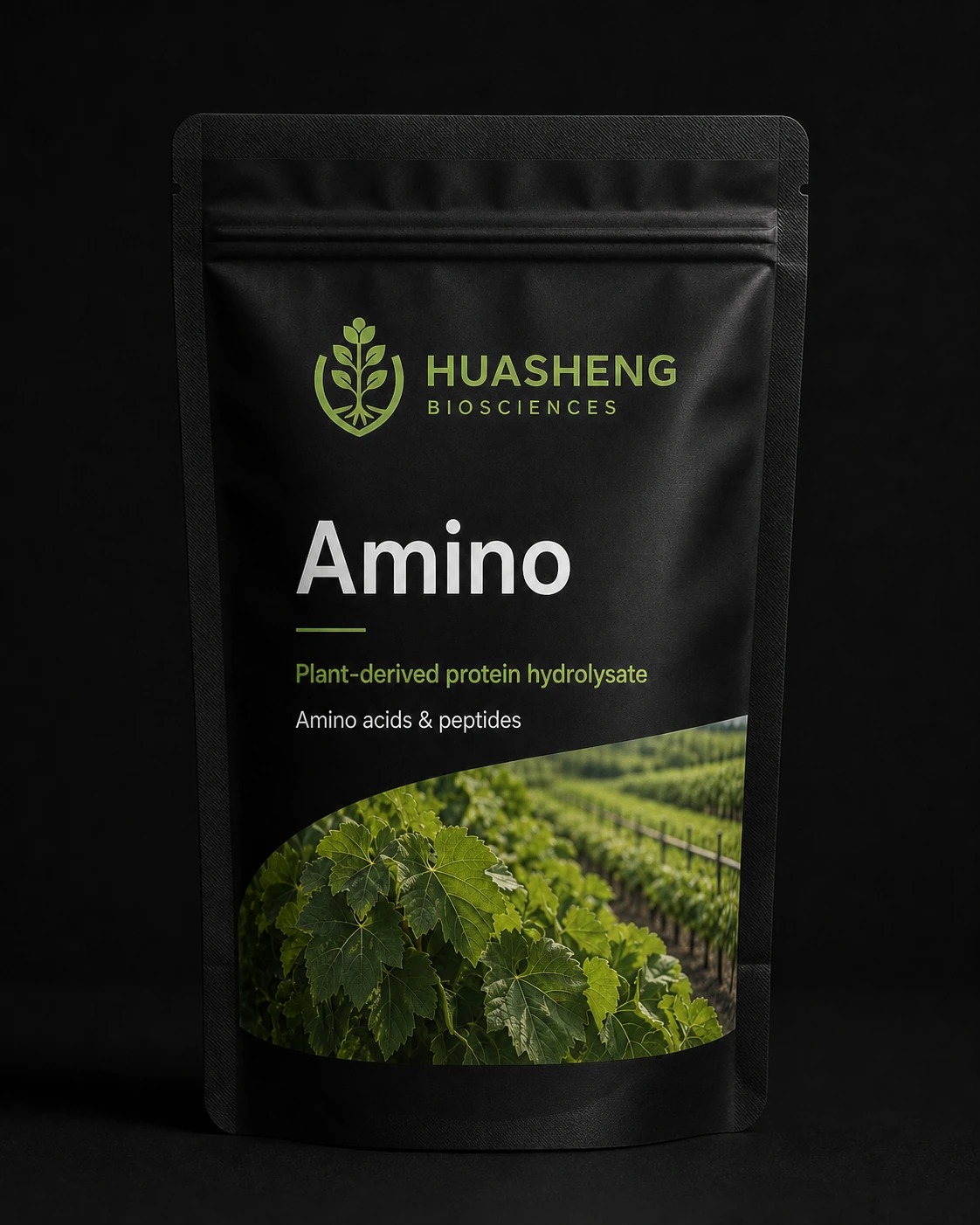
Amino — Plant protein hydrolysate

Amino

Plant protein hydrolysate

Review for a defined growth-stage need, keeping the formulation’s nitrogen contribution within the complete nutrition budget.

Components
Soy protein hydrolysate · amino acids & peptides
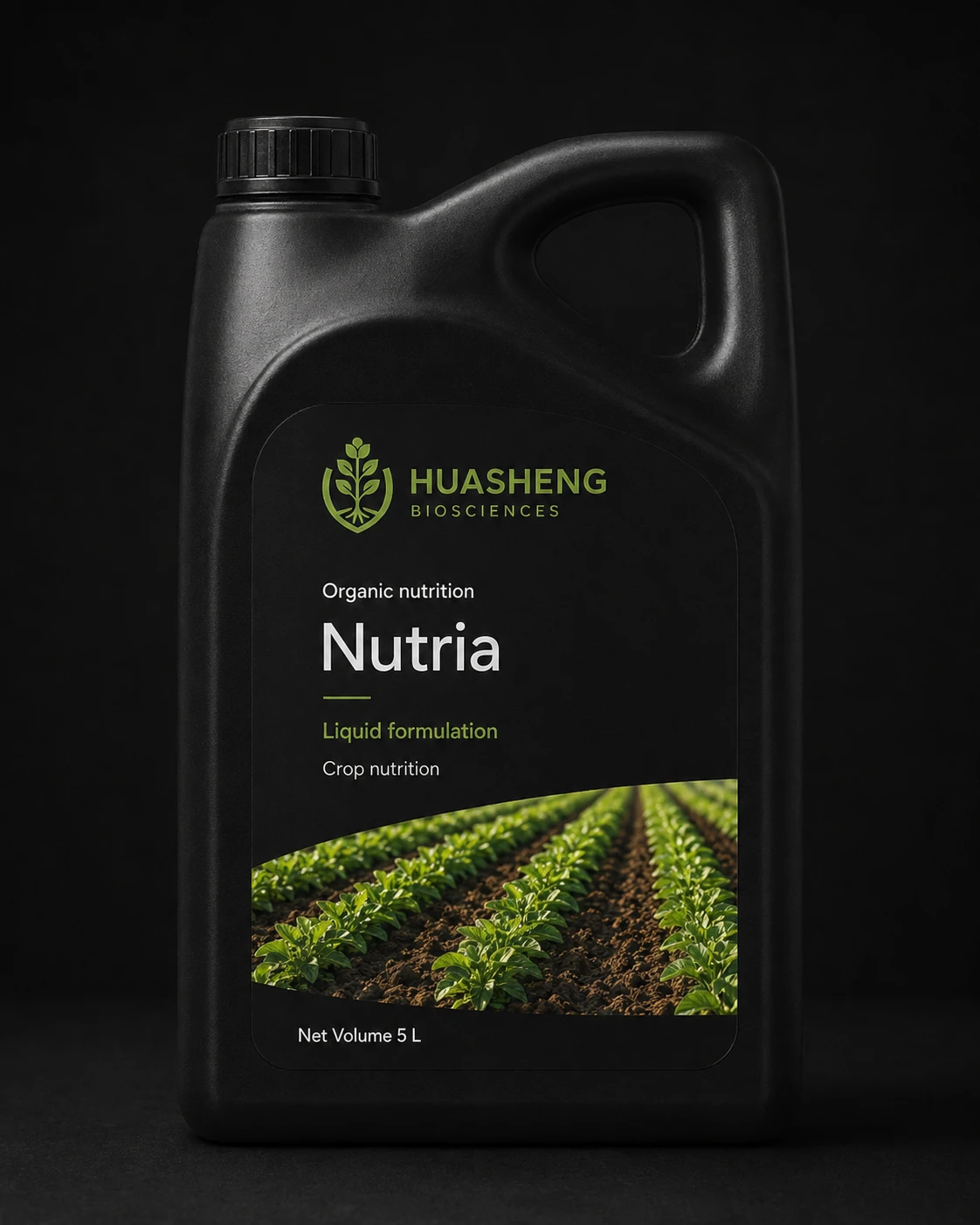
Nutria — Plant-derived nitrogen & organic nutrition

Nutria

Plant-derived nitrogen & organic nutrition

A supplementary nutrition option for compatible growing systems; solution chemistry and system compatibility require specific review in hydroponics.

Components
Plant-fermentation nitrogen & organic matter
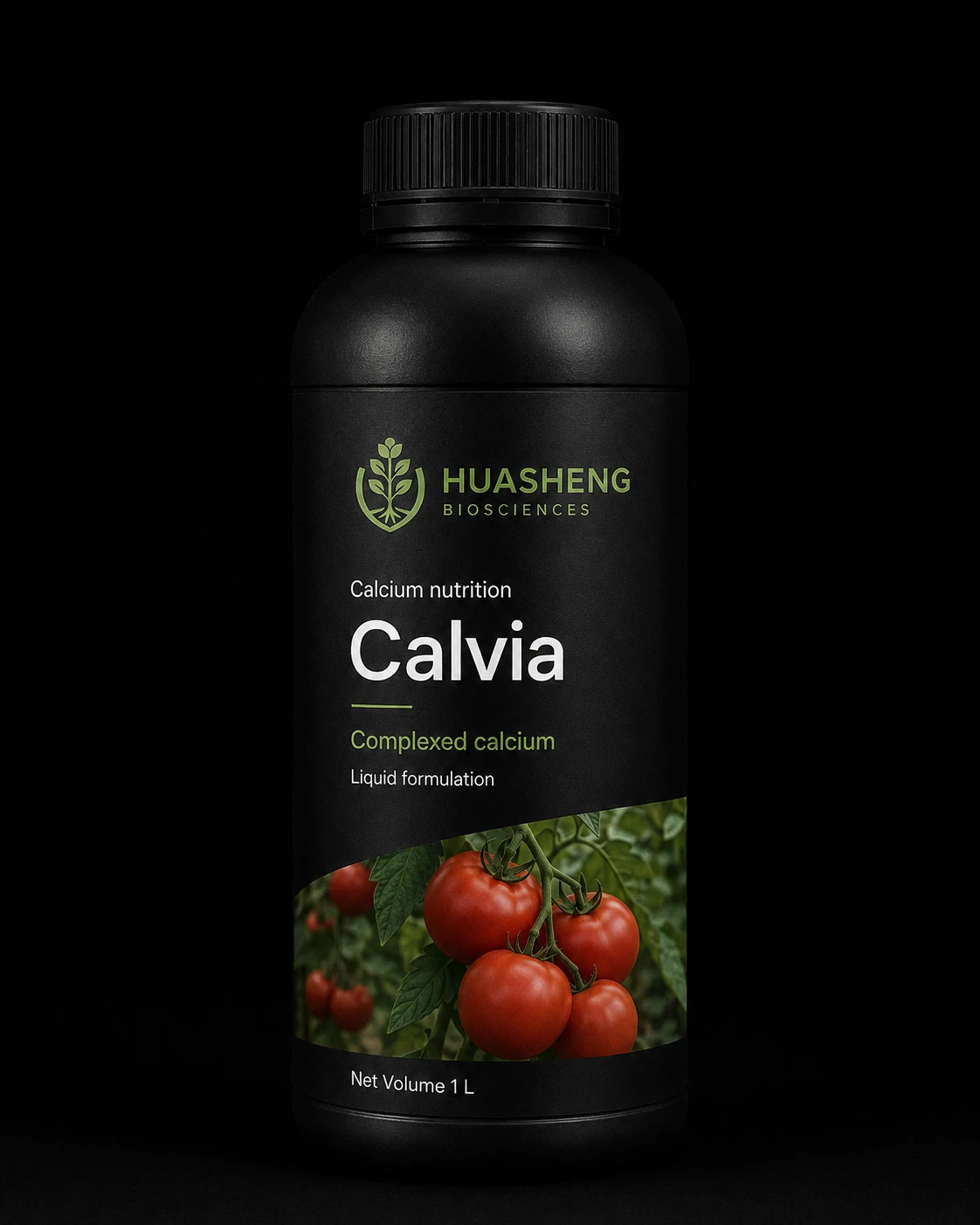
Calvia — Chelated calcium nutrition

Calvia

Chelated calcium nutrition

Consider where calcium supply needs correction, alongside airflow, humidity and young-leaf development; additional calcium alone does not establish tipburn control.

Components
EDTA-chelated calcium
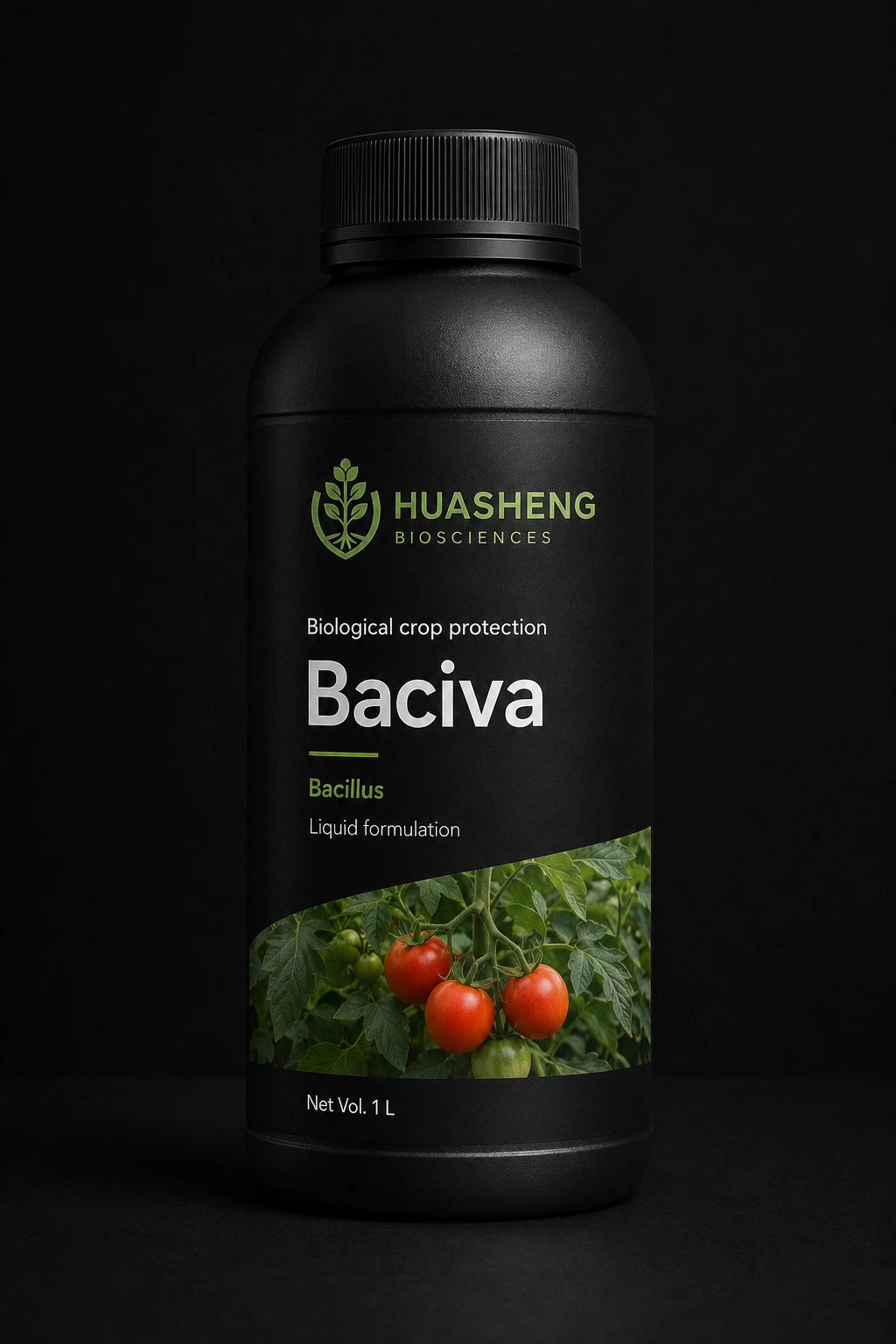
Baciva — Bacillus biological protection

Baciva

Bacillus biological protection

Soilborne & root diseases · Sclerotinia diseases

Components
B. amyloliquefaciens D747
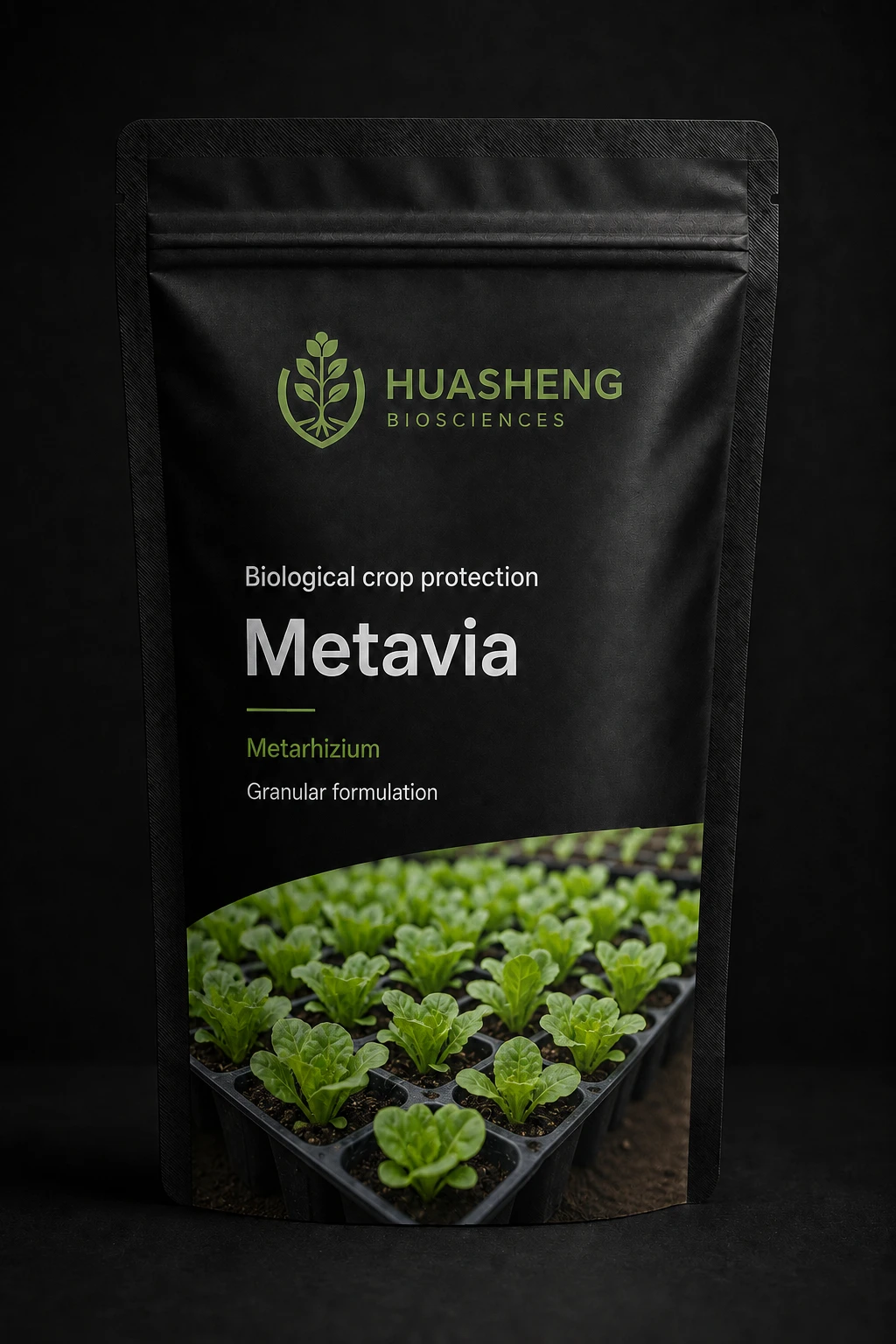
Metavia — Metarhizium biological protection

Metavia

Metarhizium biological protection · Nursery growing media

Soil-associated insect management

Components
Metarhizium brunneum F52

Lettuce

Let’s discuss your crop programme.

Share your growing region, crop stage and management priorities with our team.

Contact Huasheng