Skip to content
All crops

Field & forage crops

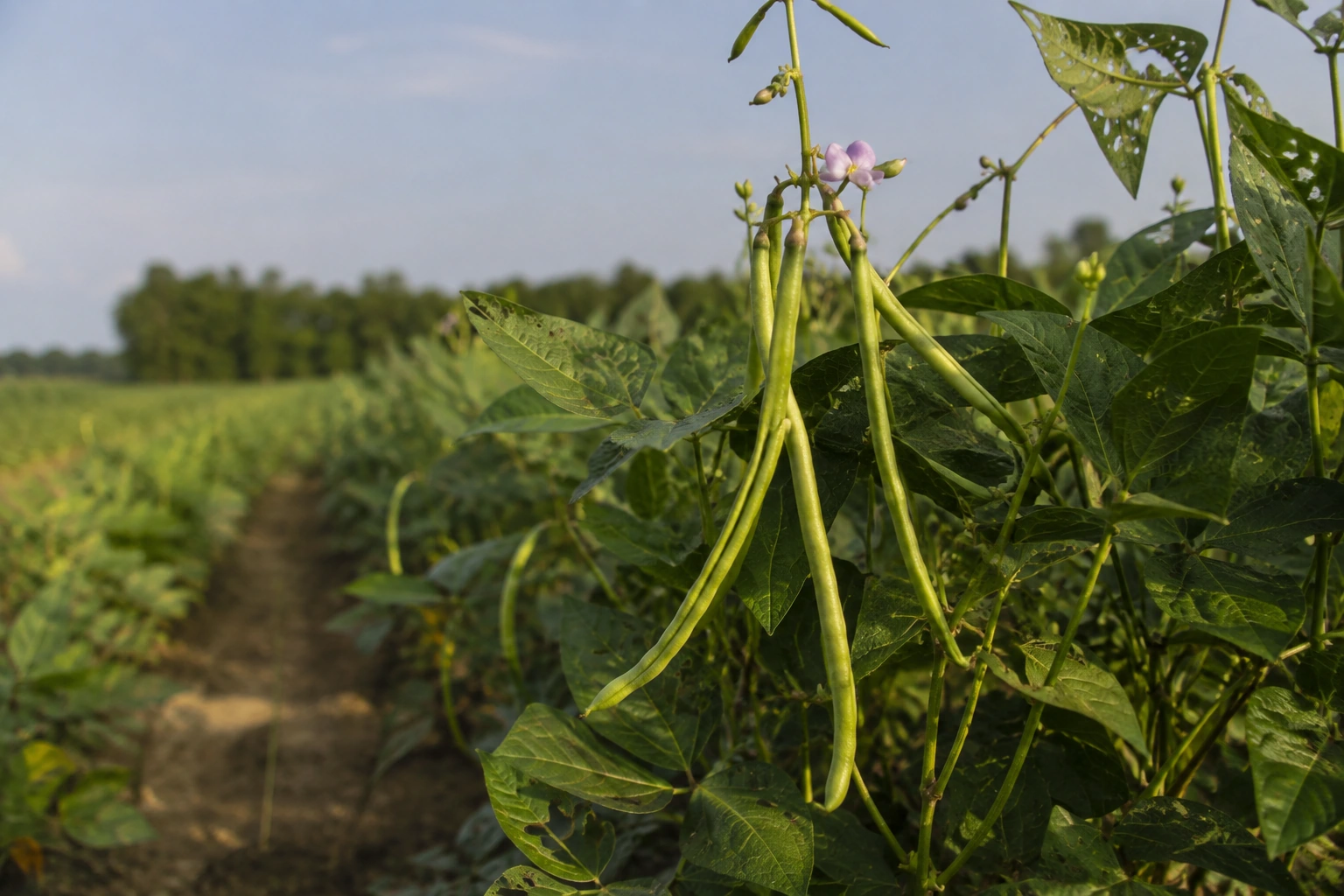
Cowpea

Establishment, water management and sustained pod production.

Cowpea

CROP PRIORITIES

Start with the key crop challenges.

Pests, diseases and growing conditions can produce similar symptoms. Connect field history and diagnosis with the crop stage before choosing an input.

Root-knot nematodes

Root-knot nematodes can cause patchy stunting and reduced water uptake, although visible galling varies between cowpea varieties. Distinguish galls from beneficial nodules and obtain a nematode diagnosis. Variety resistance must match the local nematode problem, while rotation decisions should consider the host range of the species present.

View biological productsDiscuss this crop challenge

Fusarium wilt & combined root stress

Fusarium wilt is an important constraint in some cowpea production regions. Lower-leaf yellowing and progressive wilting require diagnosis rather than an automatic increase in fertiliser. Where root-knot nematodes also occur, assess both problems together: nematode injury can compromise wilt resistance and change the appropriate variety choice.

View biological productsDiscuss this crop challenge

THROUGH THE SEASON

Follow the crop. Focus each decision.

From establishment to harvest or renewal, the purpose of crop management changes with each stage.

  1. Sowing & establishment

    Establish a uniform stand with suitable seed quality and soil conditions. Assess crop-matched inoculation alongside the seed treatment and sowing programme.

  2. Root & canopy development

    Monitor root condition together with water availability and canopy growth. The balance between vegetative growth and pod production depends on the variety and growing system.

  3. Flowering & pod set

    Flowering and pod set connect crop growth with harvest potential. Coordinate water, nutrition and crop-health monitoring, with a defined role for each input.

  4. Pod filling & harvest

    Vegetable cowpea and grain cowpea require different harvest and quality assessments. Maintain nutrition and crop-health observation through repeated picking where applicable.

BIOLOGICAL INPUTS

A defined role for each product.

These products have distinct roles in nutrition, root development and crop management. For a pest or disease, product selection also requires evidence for the identified target and applicable market label.

Explore biological crop protection
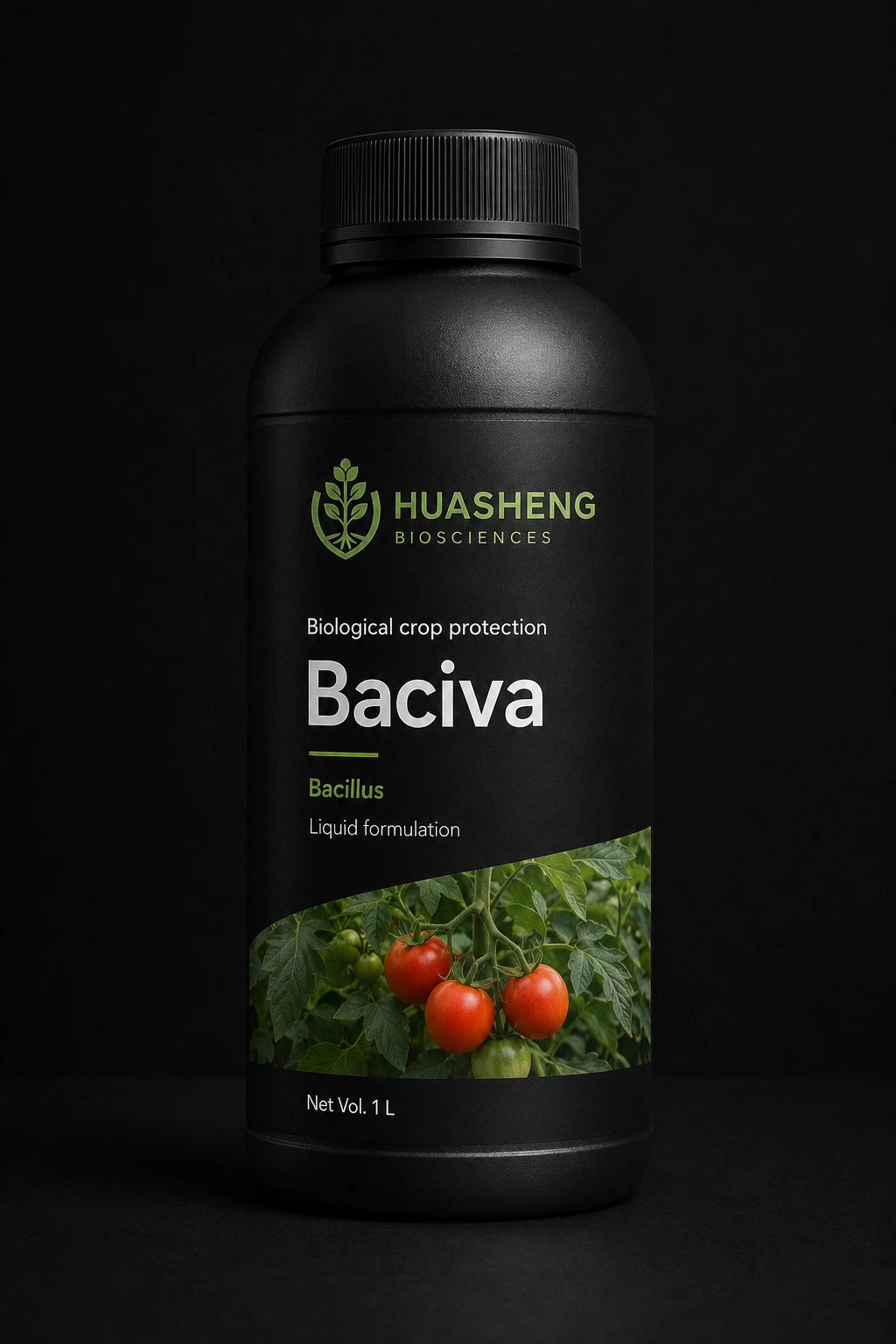
Baciva — Bacillus biological protection

Baciva

Bacillus biological protection

Soilborne & root diseases · Sclerotinia diseases

Components
B. amyloliquefaciens D747

Cowpea

Let’s discuss your crop programme.

Share your growing region, crop stage and management priorities with our team.

Contact Huasheng