Skip to content
All crops

Vegetable crops

Tomato

Protect roots, sustain fruit set and maintain quality through successive harvests.

Tomato

CROP PRIORITIES

Start with the key crop challenges.

Pests, diseases and growing conditions can produce similar symptoms. Connect field history and diagnosis with the crop stage before choosing an input.

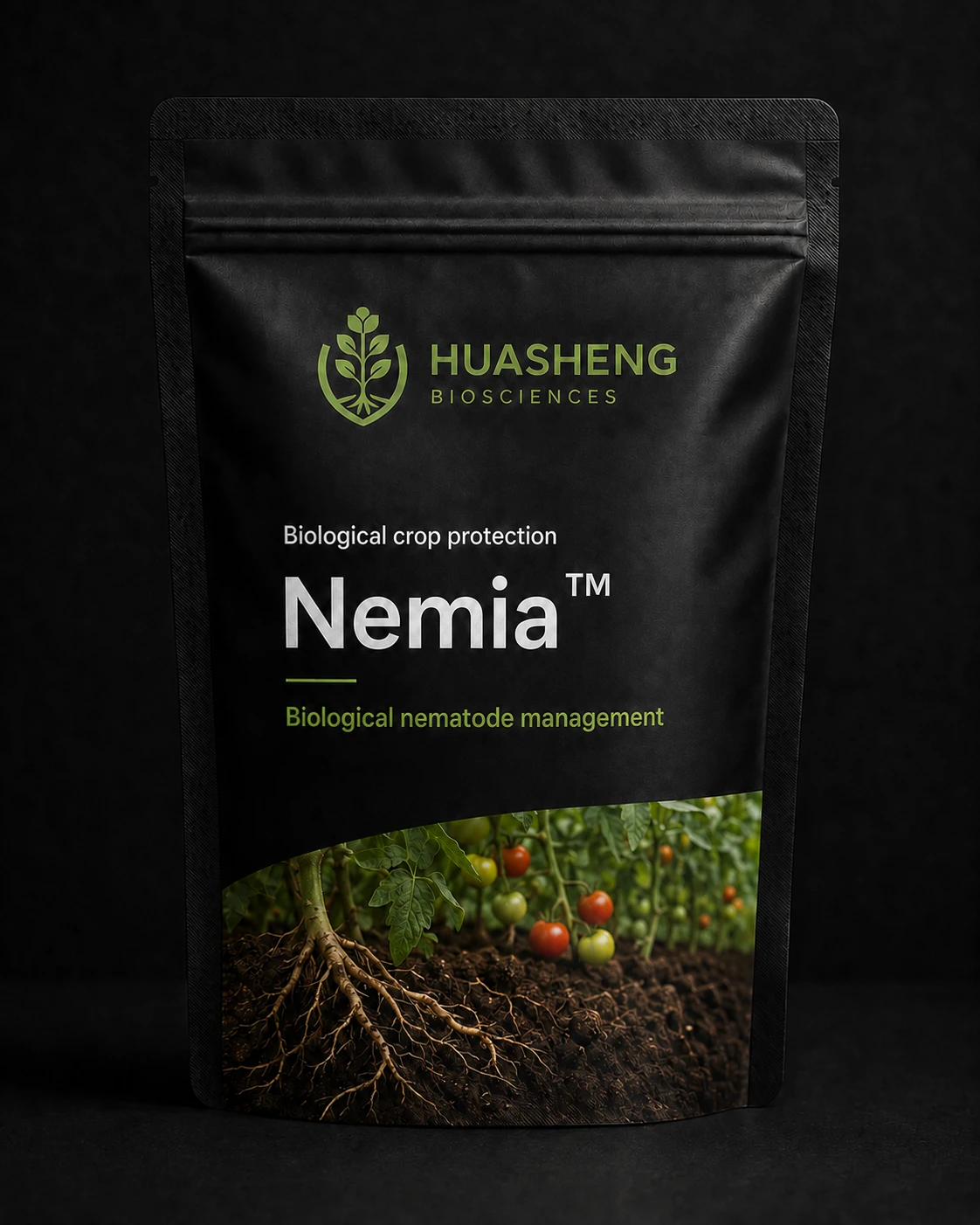
Root-knot nematodes: assess risk before planting

Root-knot nematodes (Meloidogyne spp.) can restrict root function and cause patchy weak growth, wilting and lower yield. Review previous crop damage and diagnostic results before planting; select resistant varieties or rootstocks according to the nematode identified. Follow root condition and crop performance throughout the season, with targeted nematode management alongside water and nutrition.

View biological productsDiscuss this crop challenge

Fusarium wilt & seedling root diseases

Fusarium wilt and damping-off associated with Pythium or other soilborne pathogens require different management. Persistent wilting, uneven establishment and plant losses warrant diagnosis rather than a fertiliser correction alone. Healthy transplants, appropriate resistance, drainage and field hygiene form the foundation; review disease incidence as fruit load increases.

View biological productsDiscuss this crop challenge

Calcium availability is only part of the picture

Blossom-end rot is associated with inadequate calcium in expanding fruit. It can develop even when the root zone contains calcium, because water fluctuations or impaired roots interrupt delivery. Start with irrigation and crop observations, then use soil, substrate or tissue information to assess whether additional calcium is justified.

Discuss this crop challenge

Fruit set depends on the growing environment

Flowering and fruit set respond to temperature and the balance of crop growth. A vigorous canopy is not, on its own, evidence of a productive crop. Compare retained flowers, developing trusses and marketable harvests when evaluating a biological input alongside the existing growing programme.

Discuss this crop challenge

Distinguish growing systems and harvest targets

Soil-grown fresh-market tomatoes, substrate-grown greenhouse crops and processing tomatoes differ in rooting environment and harvest pattern. Define the cultivar, rootstock where used, growing medium and crop duration before selecting a product role or comparing results.

Discuss this crop challenge

THROUGH THE SEASON

Follow the crop. Focus each decision.

From establishment to harvest or renewal, the purpose of crop management changes with each stage.

  1. Nursery & transplant establishment

    Review the field’s nematode and soilborne-disease history before transplanting. Check seedling root health and resistance characteristics, then follow establishment and drainage.

  2. Canopy development & flowering

    Follow the balance between shoot growth and flowering. Record temperature, flower retention and truss development before interpreting a response as a nutritional problem.

  3. Fruit set & expansion

    As fruit load rises, investigate persistent wilt and root decline alongside calcium delivery and irrigation uniformity. Distinguish diagnosed root disease from water stress and fruit physiological disorders.

  4. Ripening & successive harvests

    Track marketable fruit by harvest date, size and quality. In long-season crops, younger trusses continue to need support while lower trusses are being picked.

BIOLOGICAL INPUTS

A defined role for each product.

These products have distinct roles in nutrition, root development and crop management. For a pest or disease, product selection also requires evidence for the identified target and applicable market label.

Explore biological crop protection
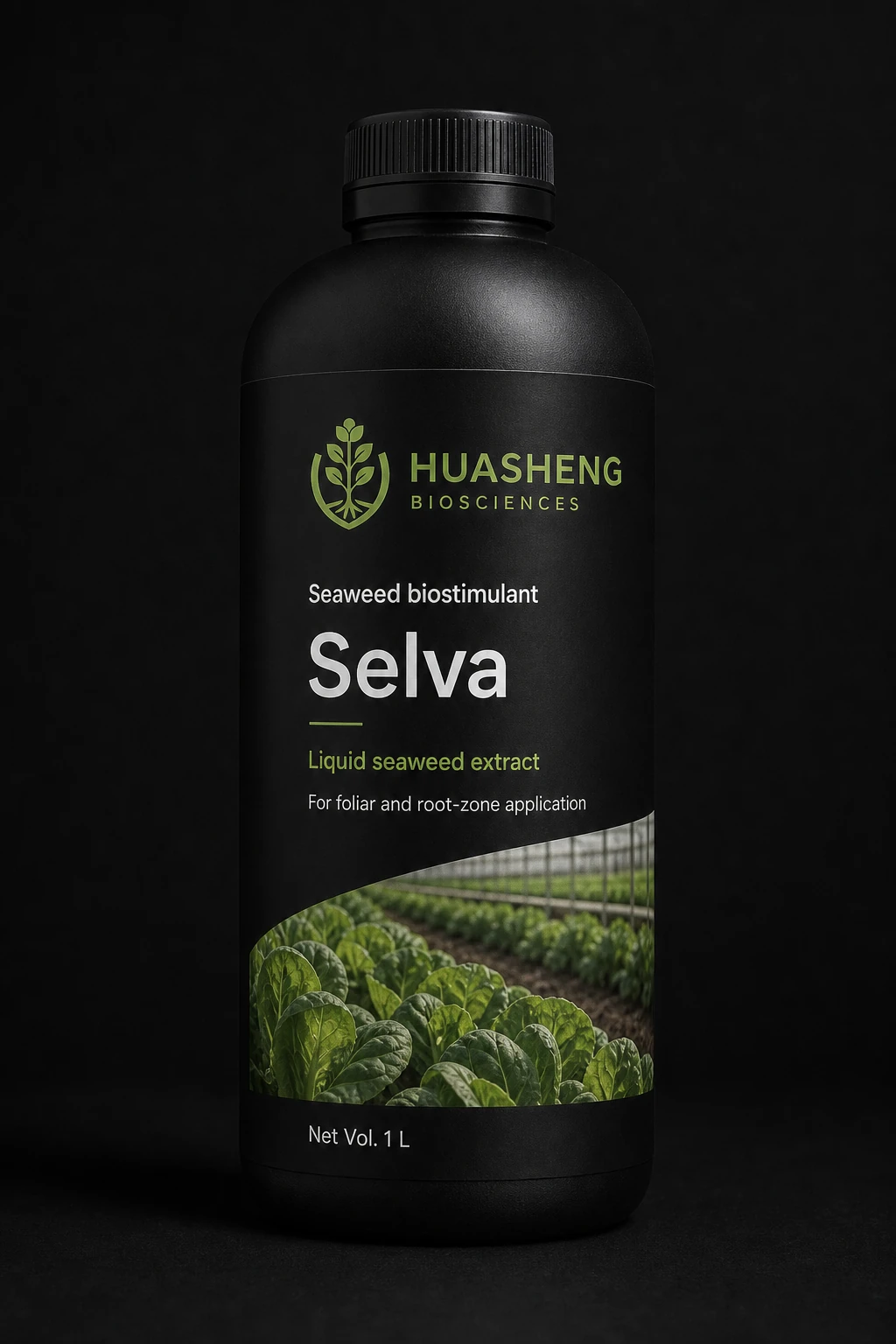
Selva — Seaweed biostimulant

Selva

Seaweed biostimulant

A seaweed-derived option to evaluate around establishment and growth transitions, using crop observations and a comparable untreated area.

Components
Ascophyllum nodosum seaweed extract
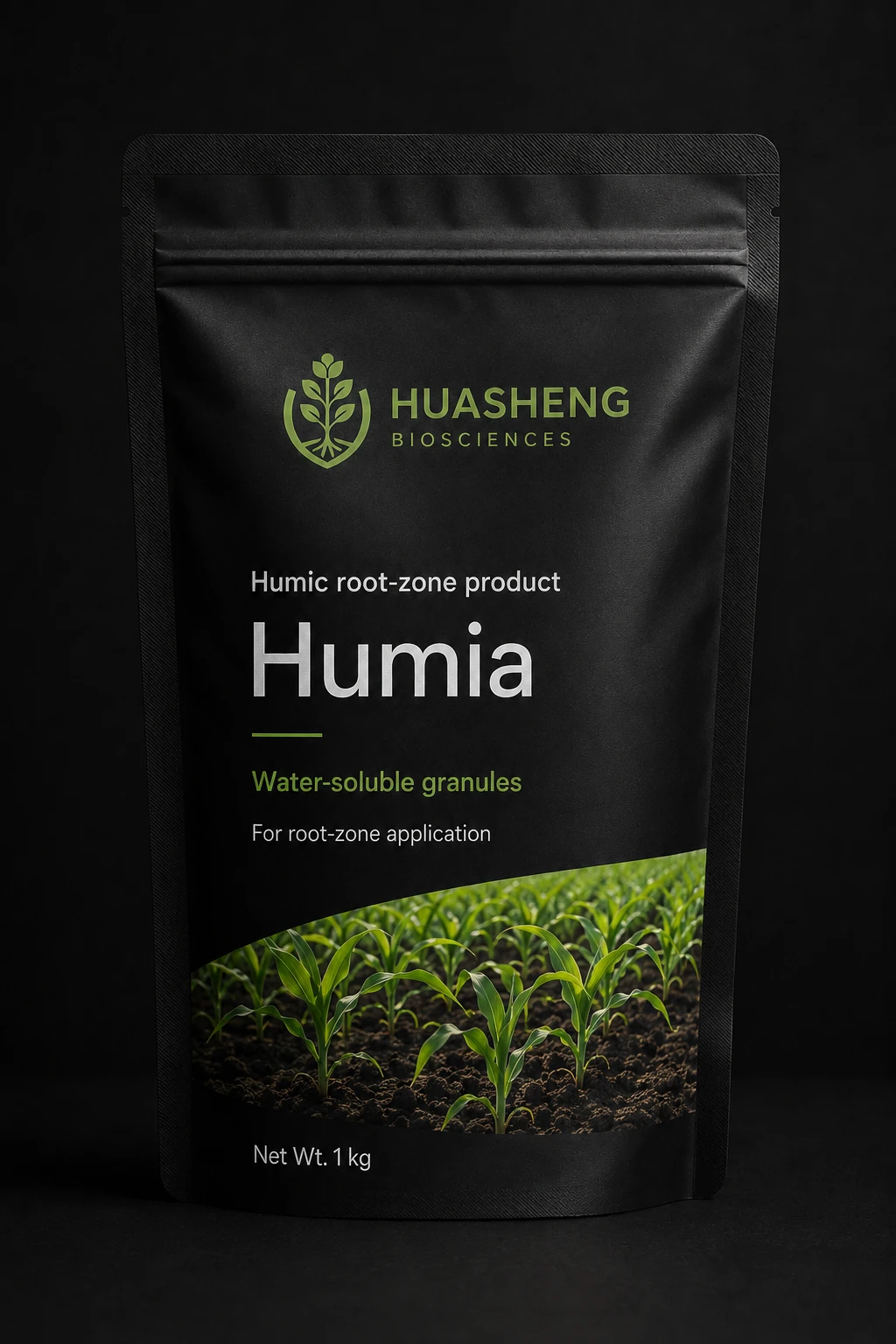
Humia — Humic root-zone product

Humia

Humic root-zone product

Review humic components within soil or substrate root-zone management, including the existing nutrient and irrigation-water chemistry.

Components
Leonardite-derived potassium humate
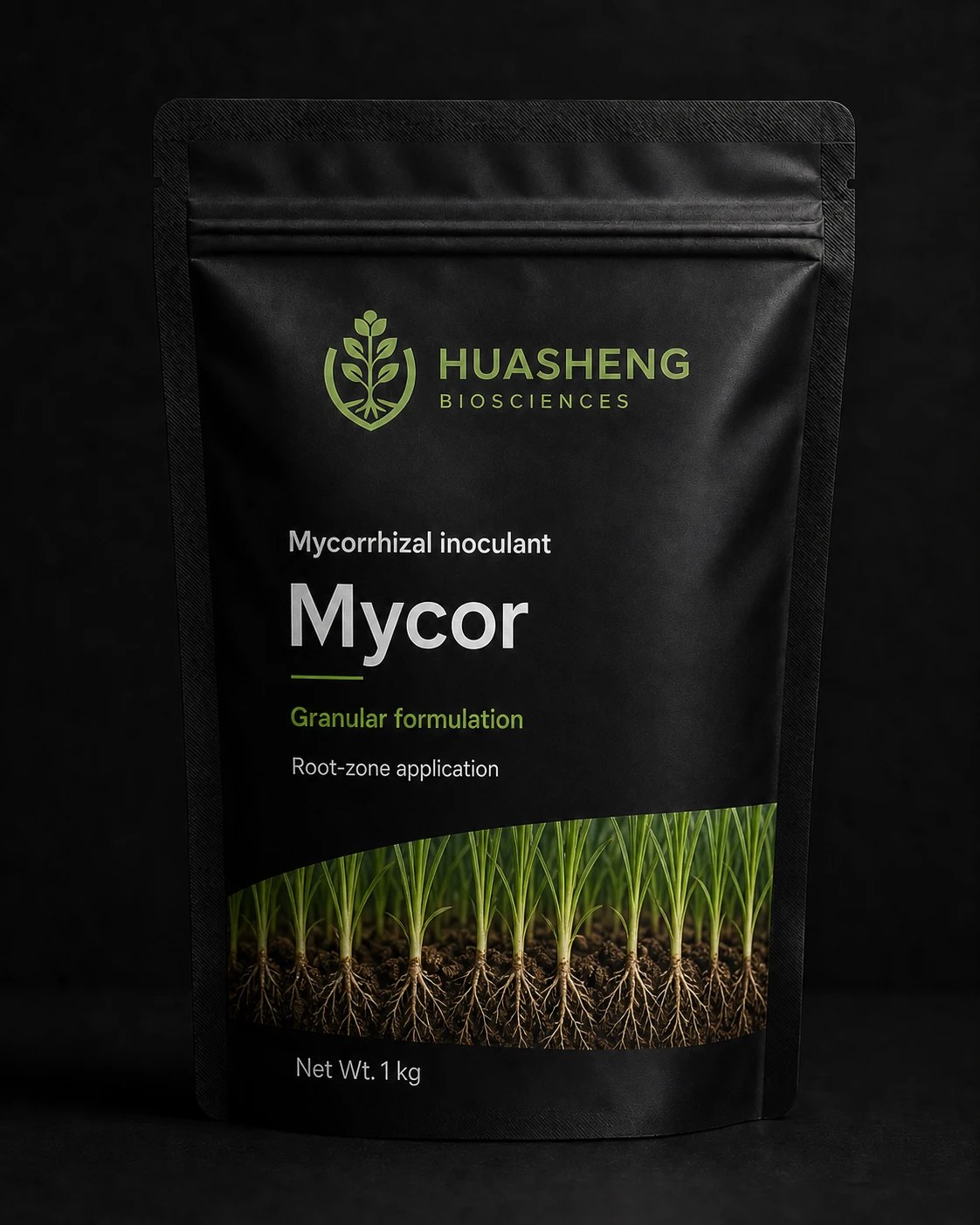
Mycor — Mycorrhizal inoculant

Mycor

Mycorrhizal inoculant

Review for nursery and transplant programmes where a compatible rooting medium and nutrient regime can support mycorrhizal establishment.

Components
Rhizophagus intraradices + Funneliformis mosseae
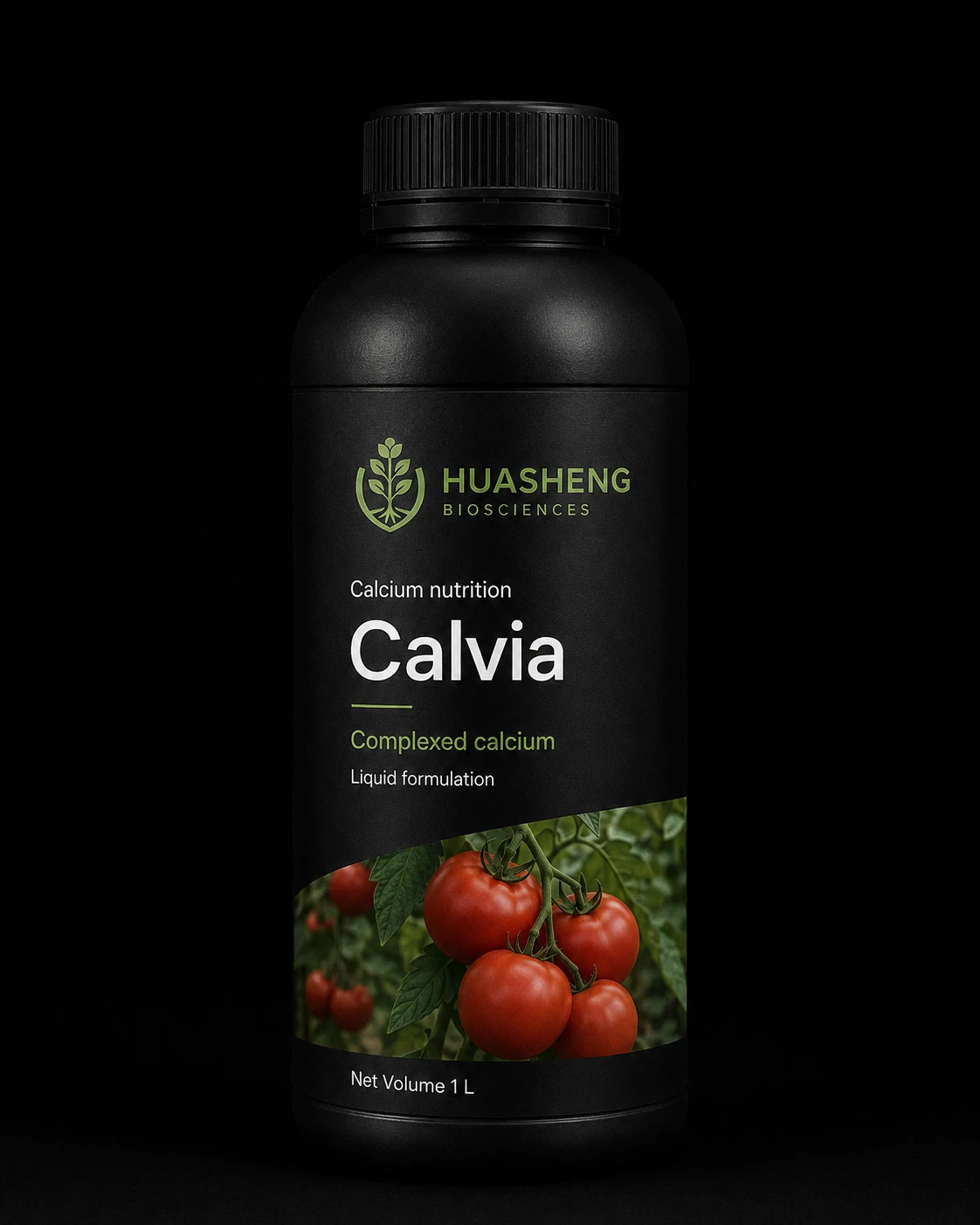
Calvia — Chelated calcium nutrition

Calvia

Chelated calcium nutrition

Consider when the calcium budget or diagnostic evidence identifies a supply need; retain irrigation management as a separate priority.

Components
EDTA-chelated calcium
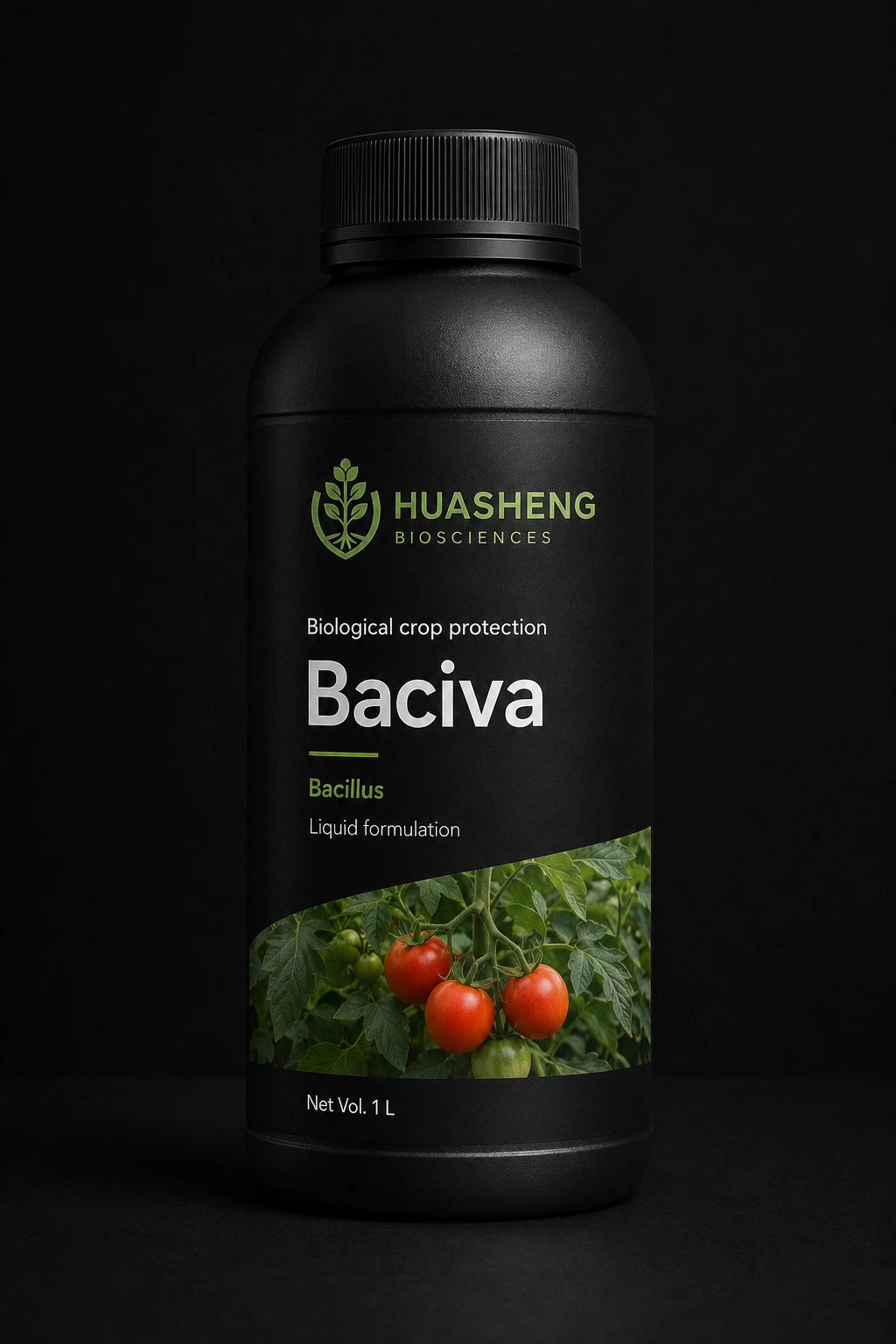
Baciva — Bacillus biological protection

Baciva

Bacillus biological protection

Soilborne & root diseases · Powdery mildew · Botrytis & grey mould

Components
B. amyloliquefaciens D747
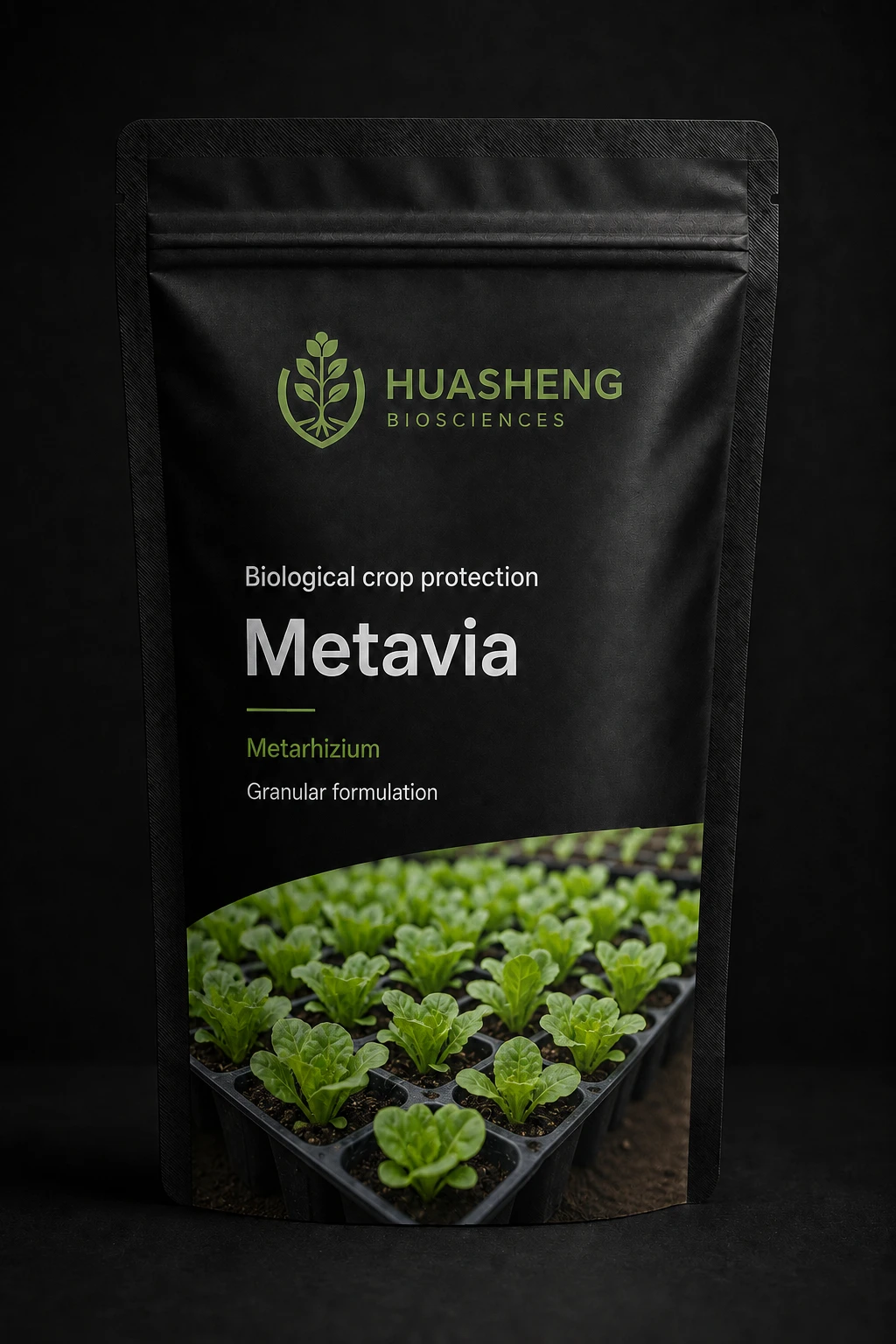
Metavia — Metarhizium biological protection

Metavia

Metarhizium biological protection · Nursery growing media

Soil-associated insect management

Components
Metarhizium brunneum F52

Tomato

Let’s discuss your crop programme.

Share your growing region, crop stage and management priorities with our team.

Contact Huasheng