Skip to content
All crops

Fruit crops

Strawberry

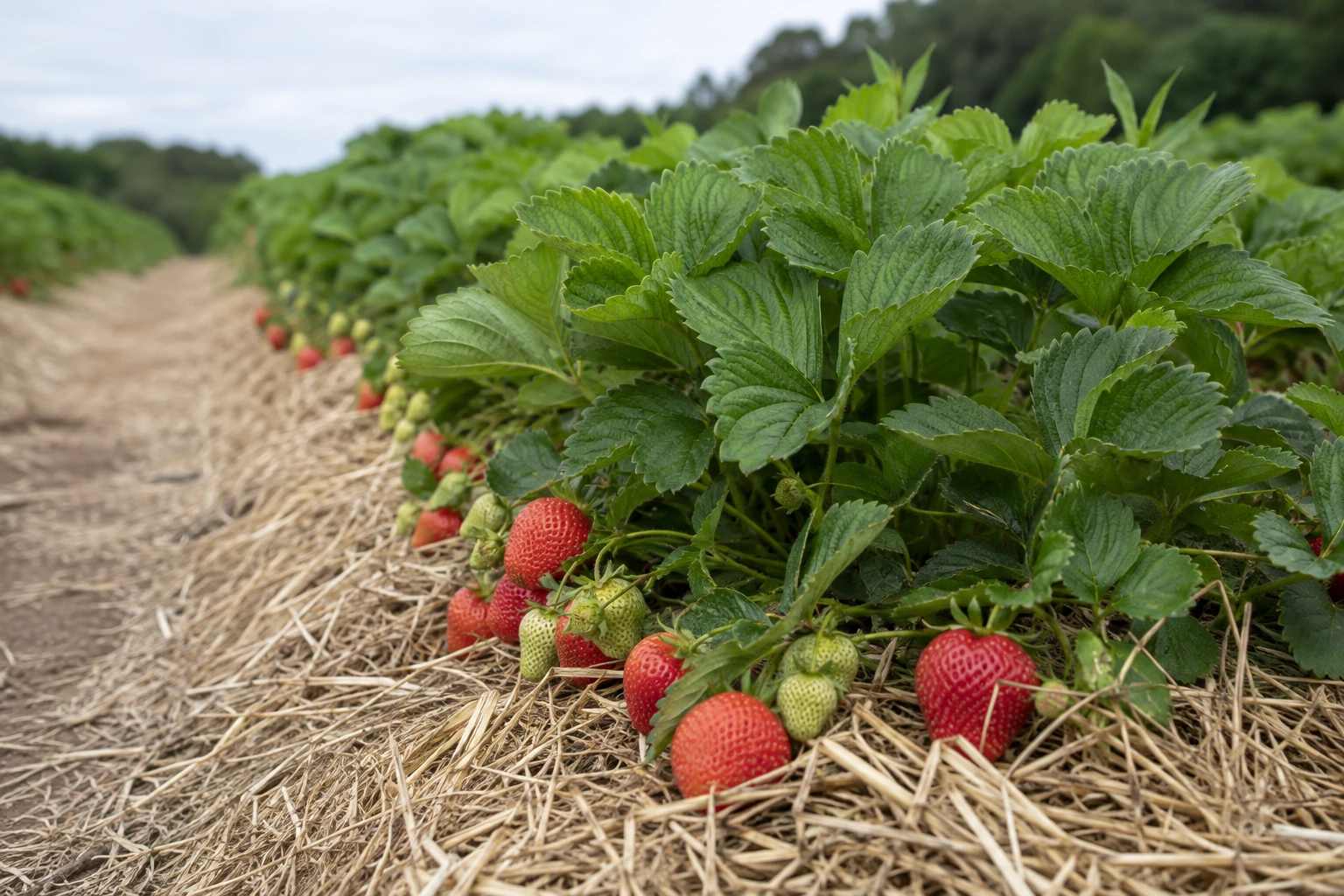
Healthy crowns and roots, balanced nutrition and sustained harvest quality.

Strawberry

CROP PRIORITIES

Start with the key crop challenges.

Pests, diseases and growing conditions can produce similar symptoms. Connect field history and diagnosis with the crop stage before choosing an input.

Crown & root rot

Stunting, wilting and plant collapse warrant examination of the crown and roots. Phytophthora is an important cause, but similar symptoms require diagnosis. Healthy transplants, cultivar selection and well-drained root zones are central to prevention. Establishment and irrigation decisions should account for the site’s history of crown and root disease.

View biological productsDiscuss this crop challenge

Botrytis from flowering to harvest

Botrytis may affect flowers before fruit symptoms appear and can continue to reduce saleable yield around harvest. Flower and fruit inspection, canopy ventilation and removal of diseased fruit support management. Protection should be organised around local weather and crop stage, with harvest hygiene maintained throughout repeated picking.

View biological productsDiscuss this crop challenge

The crown connects the crop

The strawberry crown is a short stem connecting roots, leaves and flower-bearing structures. Establishment therefore involves more than visible new leaves: transplant condition, crown integrity and root growth all matter. Soil-grown and substrate-grown crops need their own water and nutrient assessment rather than an identical establishment programme.

Discuss this crop challenge

Match the production cycle

June-bearing and day-neutral strawberries differ in flowering and harvest patterns. Where flowering and picking continue together, nutrition must support productive leaves without encouraging excessive vegetative growth. Use crop observations and tissue information to review nutrient balance; do not treat continuous harvest as a reason for unrestricted nutrient addition.

Discuss this crop challenge

Follow quality through harvest

Review fruit size, firmness and marketable output by picking date, alongside fruit load and weather. Calcium nutrition should be considered with water flow and existing supply. Irrigation, pollination, crop hygiene and harvest handling remain distinct parts of fruit-quality management and cannot be replaced by a single biological input.

Discuss this crop challenge

THROUGH THE SEASON

Follow the crop. Focus each decision.

From establishment to harvest or renewal, the purpose of crop management changes with each stage.

  1. Plant quality & establishment

    Check transplant quality, crown condition and the establishment environment.

  2. Crown & leaf development

    Follow crown and new-leaf development, distinguishing productive canopy growth from excessive runners.

  3. Flowering & fruit development

    Track flowering, fruit load and root-zone conditions through overlapping stages.

  4. Harvest & crop renewal

    Record marketable quality across picking dates and follow new-leaf growth that supports the continuing crop.

BIOLOGICAL INPUTS

A defined role for each product.

These products have distinct roles in nutrition, root development and crop management. For a pest or disease, product selection also requires evidence for the identified target and applicable market label.

Explore biological crop protection
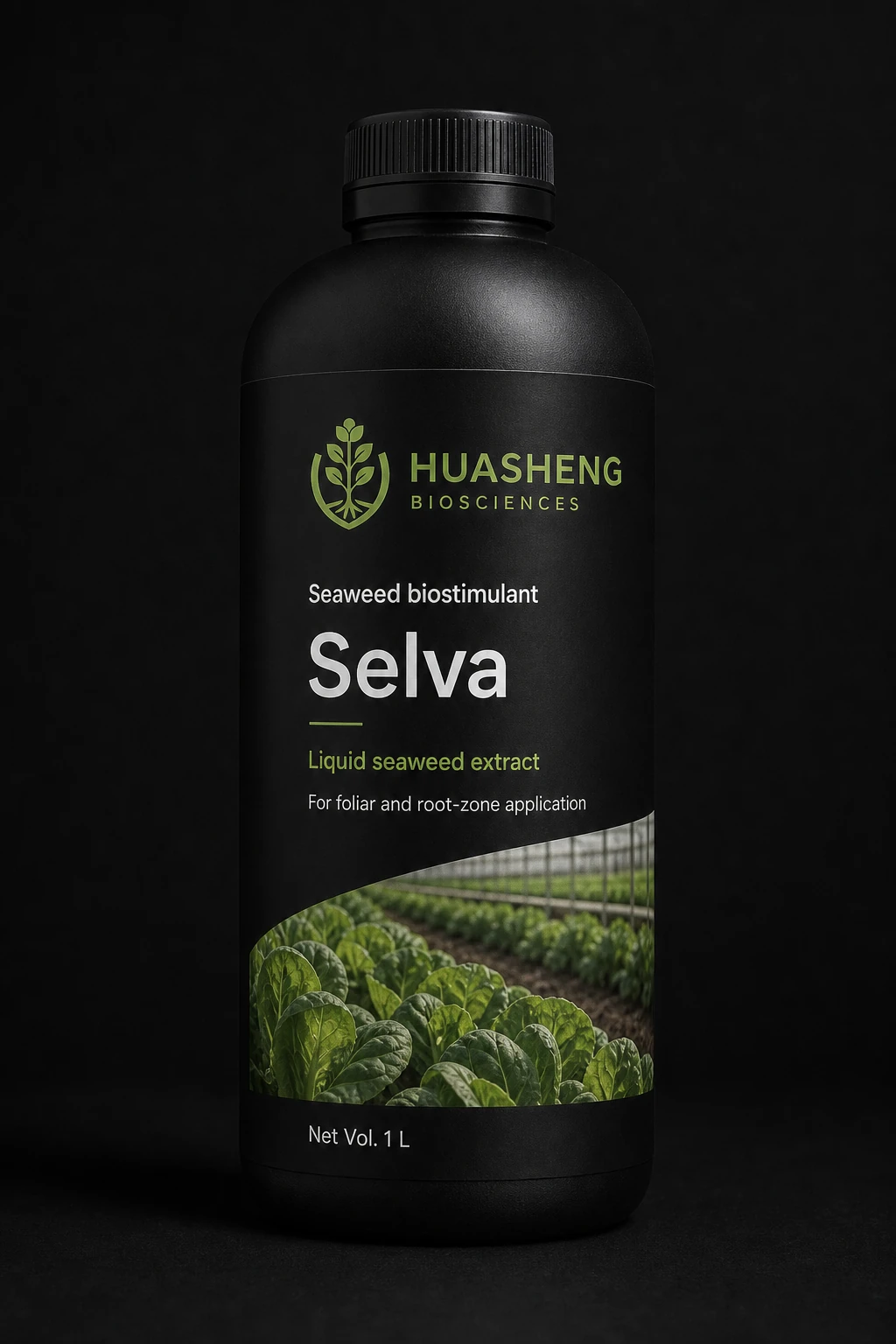
Selva — Seaweed biostimulant

Selva

Seaweed biostimulant

Review seaweed-derived support during establishment or transitions in crop demand.

Components
Ascophyllum nodosum seaweed extract
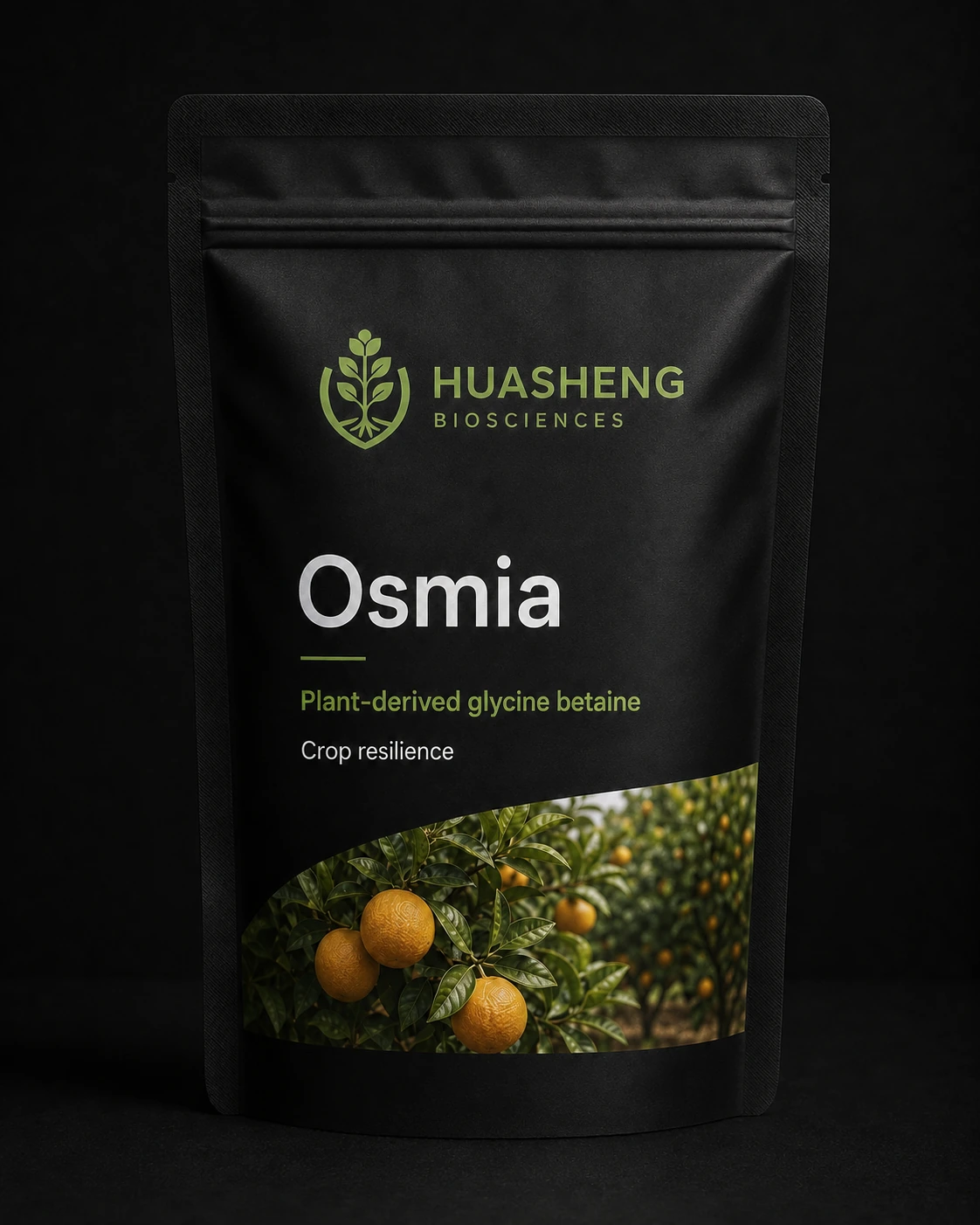
Osmia — Glycine betaine biostimulant

Osmia

Glycine betaine biostimulant

Consider environmental support alongside appropriate root-zone and canopy conditions.

Components
Sugar-beet-derived glycine betaine
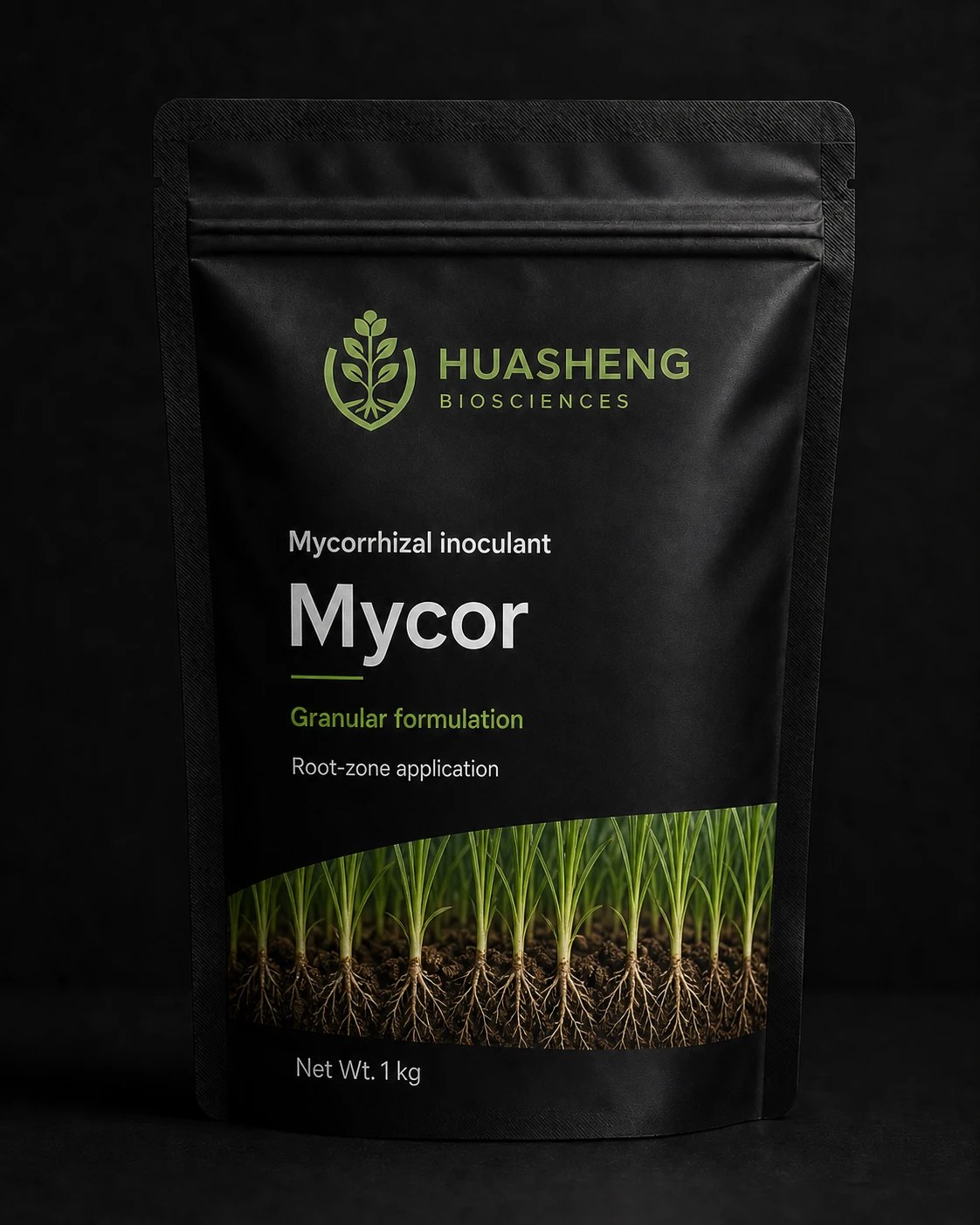
Mycor — Mycorrhizal inoculant

Mycor

Mycorrhizal inoculant

For compatible production systems, review host, substrate and existing phosphorus before a mycorrhizal evaluation.

Components
Rhizophagus intraradices + Funneliformis mosseae
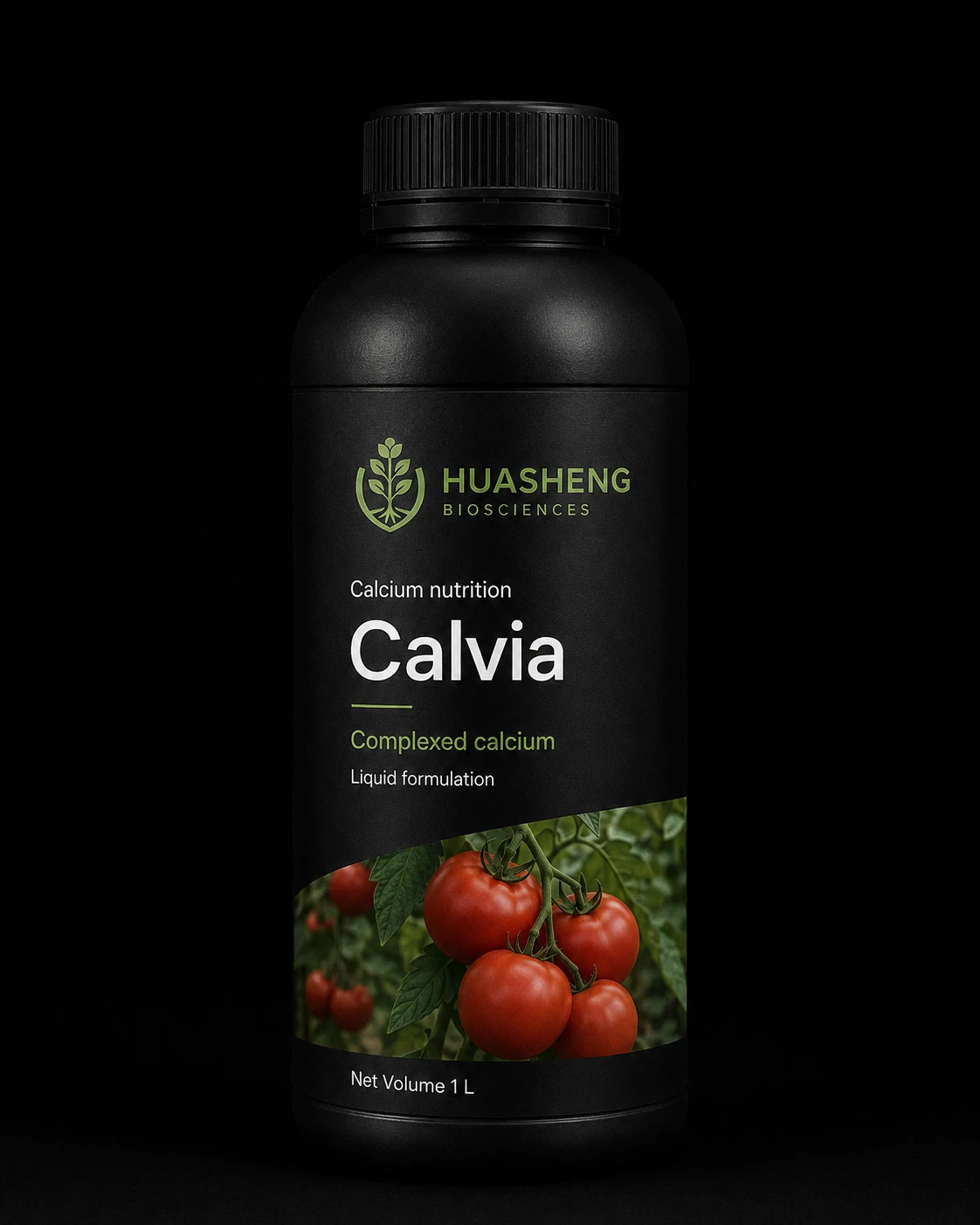
Calvia — Chelated calcium nutrition

Calvia

Chelated calcium nutrition

Assess calcium needs with fruit-development observations and the full nutrient programme.

Components
EDTA-chelated calcium
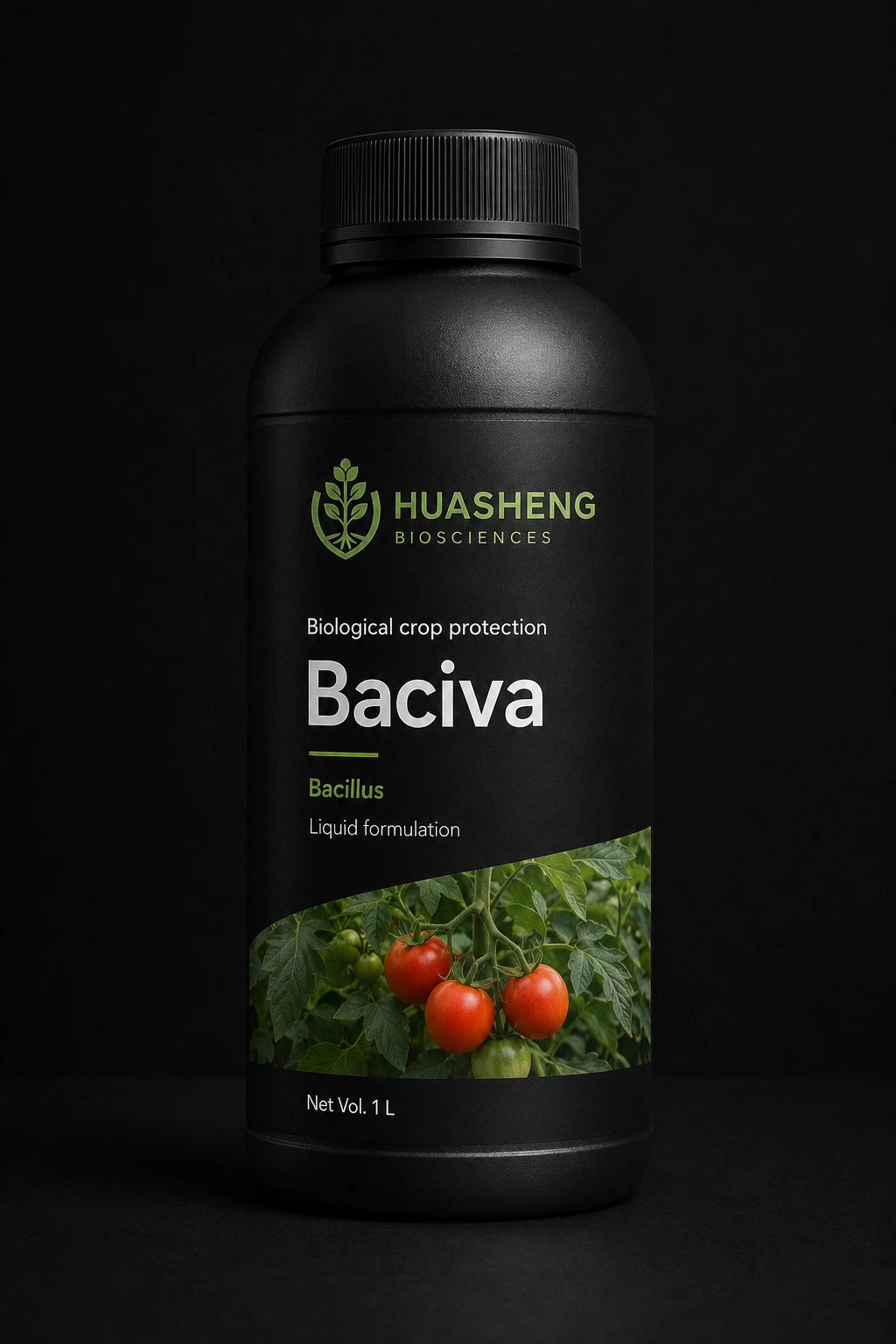
Baciva — Bacillus biological protection

Baciva

Bacillus biological protection

Powdery mildew · Soilborne & root diseases · Botrytis & grey mould

Components
B. amyloliquefaciens D747
Metavia — Metarhizium biological protection

Metavia

Metarhizium biological protection · Nursery growing media

Soil-associated insect management

Components
Metarhizium brunneum F52

Strawberry

Let’s discuss your crop programme.

Share your growing region, crop stage and management priorities with our team.

Contact Huasheng